


Copper peptides have become an increasingly interesting ingredient in hair care, particularly for people noticing a wider part, a thinner-looking hairline, or less fullness around the crown. Copper peptide serums are attracting attention because these formulas aim to support the scalp and hair follicles with ingredients such as GHK-Cu and AHK-Cu, which are investigated for their potential role in hair health. However, there is an important detail worth knowing before adding one to your routine. Although copper peptides show promise in skin and hair research, the evidence supporting reliable hair regrowth in humans remains limited.
That does not make these serums unworthy of consideration, but it does mean expectations should remain realistic. Some formulas contain concentrated copper peptides, while others combine smaller amounts with caffeine, botanical extracts, and additional peptide technologies. These ingredients serve different purposes, so choosing a product requires looking beyond its marketing claims and understanding what the formula actually offers.
How Do Copper Peptides Scalp Serums Work for Hair Growth?
Copper peptides are small compounds made up of amino acids bonded to copper ions. One of the best-known examples is GHK-Cu, which is also listed as Copper Tripeptide-1 in cosmetic formulations. Researchers have studied this ingredient for its role in skin repair, tissue renewal, and cellular activity, sparking interest in its potential applications for the scalp and hair follicles.
One area of interest is the hair growth cycle. Each strand grows from a follicle that moves through active growth, transition, and resting phases. Research suggests that copper peptides may support some of the biological processes involved in maintaining healthy tissue around these follicles, including collagen production and the formation of small blood vessels. A healthy blood supply helps deliver oxygen and nutrients to the scalp, although the extent to which topical copper peptides can improve this process in human scalps remains uncertain.
Copper peptides are also being investigated for their potential anti-inflammatory and tissue-supporting properties. Since scalp irritation and inflammation can contribute to certain forms of hair shedding, these effects are relevant to ongoing research. However, it would be inaccurate to claim that copper peptides can reliably block DHT, reverse genetic hair loss, or reactivate dormant follicles.
The important takeaway is that copper peptides represent an interesting area of research, but clinical evidence showing noticeable hair regrowth from topical scalp serums is still limited. They may complement a broader scalp-care routine, but people experiencing persistent thinning should consider evidence-based treatments and seek advice from a dermatologist rather than relying on cosmetic serums alone.
Explore five copper peptide and peptide-based scalp serums worth considering for hair care…
#1. Neurogan Health GHK-Cu Copper Peptide Hair & Scalp Serum
Shop here
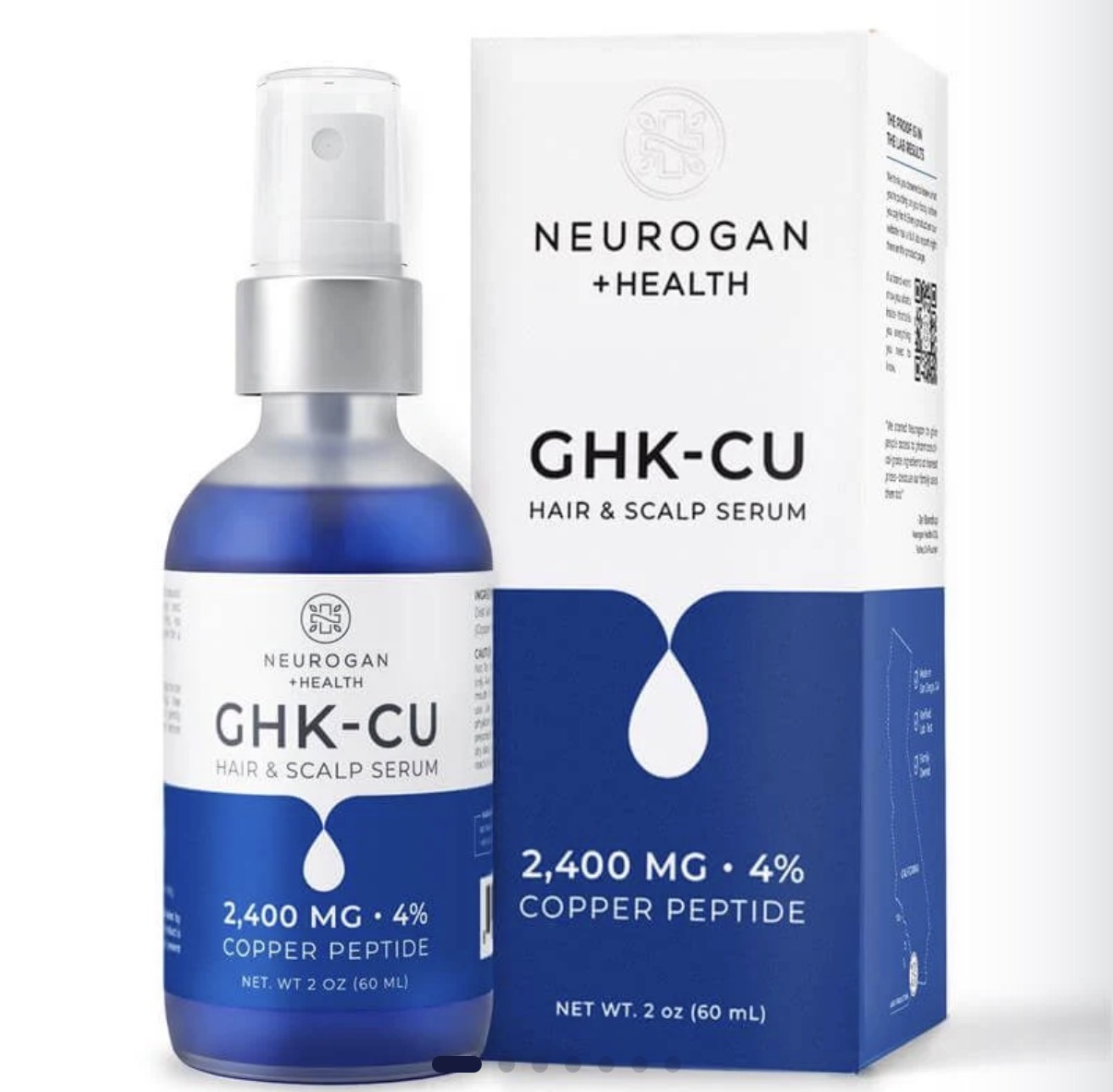
For shoppers who prefer a focused formula, Neurogan Health GHK-Cu Copper Peptide Hair & Scalp Serum offers a concentrated approach to scalp care. Each 60 mL bottle contains a labeled 2,400 mg of GHK-Cu at a 4% concentration, with distilled water as its base. GHK-Cu, also known as Copper Tripeptide-1 in cosmetic ingredient lists, is studied for its potential role in supporting skin repair and tissue health, which has encouraged interest in its use in scalp products.
The lightweight, water-based texture is another advantage, particularly if heavy oils leave your roots greasy or interfere with styling. Its blue color comes from the copper peptide ingredient, while the leave-on format allows for direct application to the scalp. For anyone looking to explore a formula centered on GHK-Cu rather than a lengthy blend of botanical ingredients, this is a straightforward option.
#2. Hairgenetix Copper Peptide Hair Growth Serum
Shop here
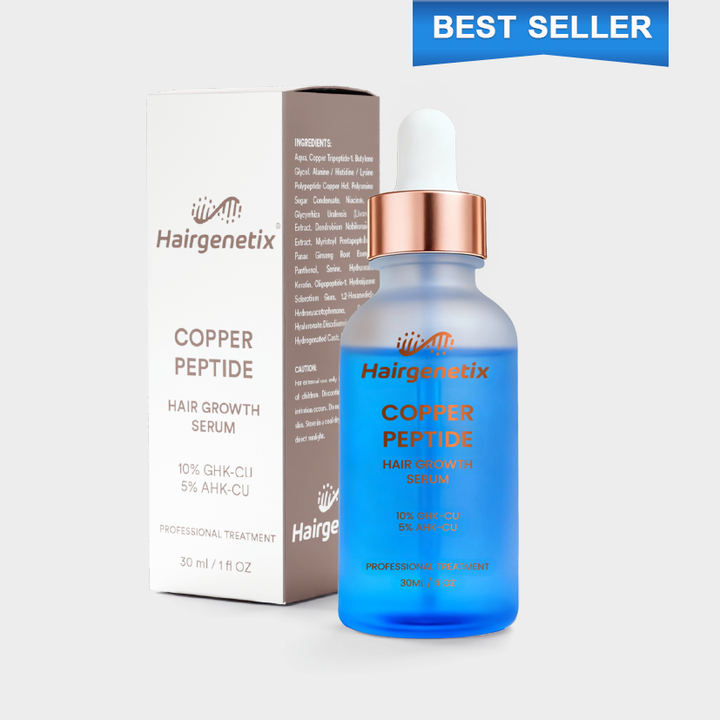
Hairgenetix takes a more concentrated, multi-peptide approach, combining 10% GHK-Cu with 5% AHK-Cu in a lightweight daily scalp serum. The brand positions the formula as a treatment for weak, thinning hair, with claims that its peptides support follicle health, collagen production, and scalp circulation. It also highlights potential benefits related to inflammation and the hair growth cycle.
Copper peptides are being studied for their possible influence on tissue repair and blood vessel formation, making this an interesting option for people exploring peptide-based scalp care. The brand also recommends using the serum alongside its mesotherapy pen. However, anyone considering additional scalp procedures should first consult a qualified professional to understand the potential risks and whether the approach is appropriate for them.
#3. PLU Laboratories Copper Peptide Hair Tonic
Shop here
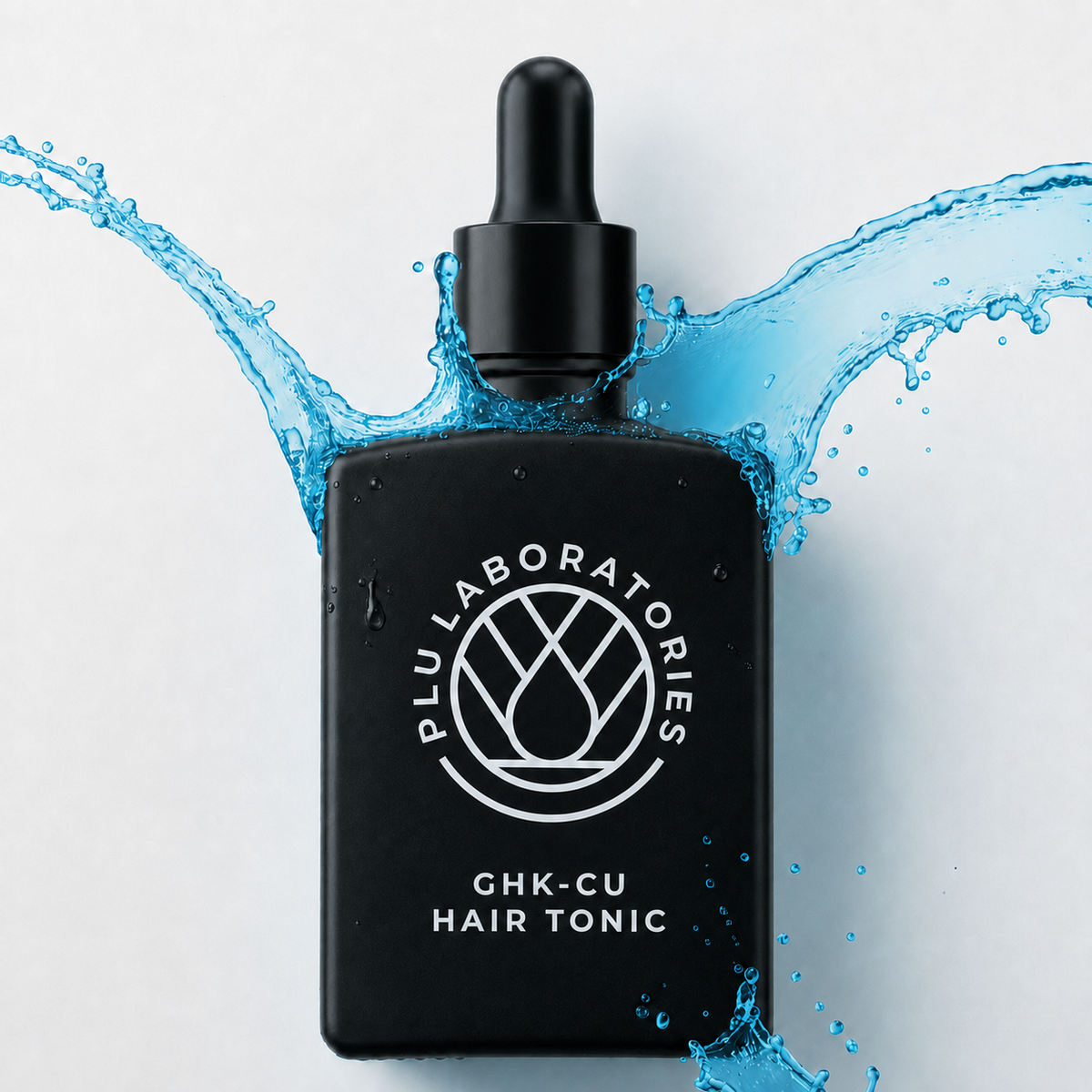
PLU Laboratories takes a minimalist approach with its Copper Peptide Hair Tonic, using GHK-Cu, water, glycerin, and phenoxyethanol in a simple formula. The brand also offers AHK-Cu variations, giving shoppers another peptide option to explore. According to the manufacturer, both peptides are verified at 1% in the finished product through LC-MS testing at the University of Illinois Chicago.
This formula may appeal to people who prefer to avoid fragrance, dyes, and unnecessary botanical extracts in their scalp products. Glycerin also helps attract moisture, while the lightweight consistency makes daily application easier without leaving a heavy coating at the roots. The brand recommends consistent use, with early changes potentially appearing around six to eight weeks. However, individual results can vary, and this timeline should not be interpreted as a guarantee of hair growth.
#4. Divi Scalp Serum
Shop here
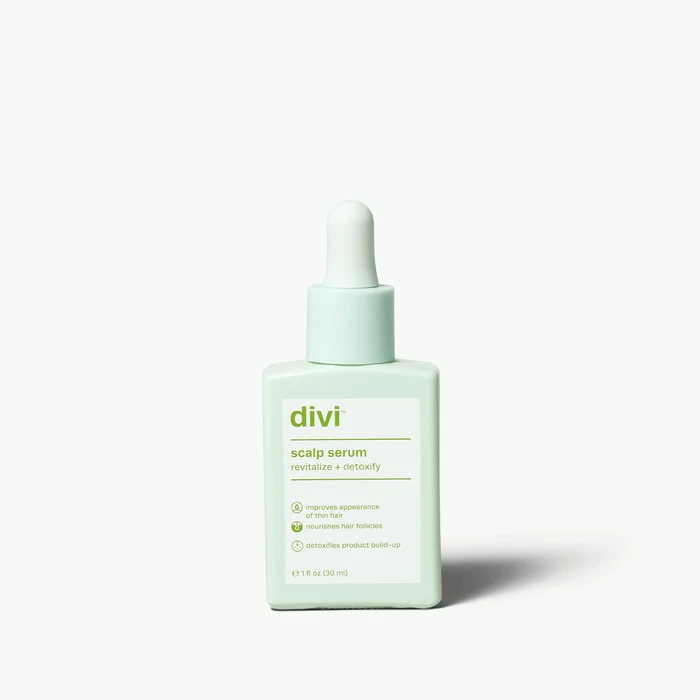
Divi Scalp Serum combines copper tripeptide-1 with acetyl tetrapeptide-3, caffeine, peppermint, and botanical ingredients designed to support scalp care. Rather than focusing exclusively on copper peptides, the formula takes a broader approach, addressing scalp comfort and the appearance of thinning while helping maintain a healthy-looking scalp environment.
Its lightweight, non-greasy texture makes it suitable for regular application, while the massaging technique recommended by the brand encourages users to distribute the product evenly across the scalp. Divi also highlights visible results in as little as six weeks. For those who prefer a multi-ingredient serum over a concentrated copper peptide formula, this option offers a wider blend of scalp-care ingredients.
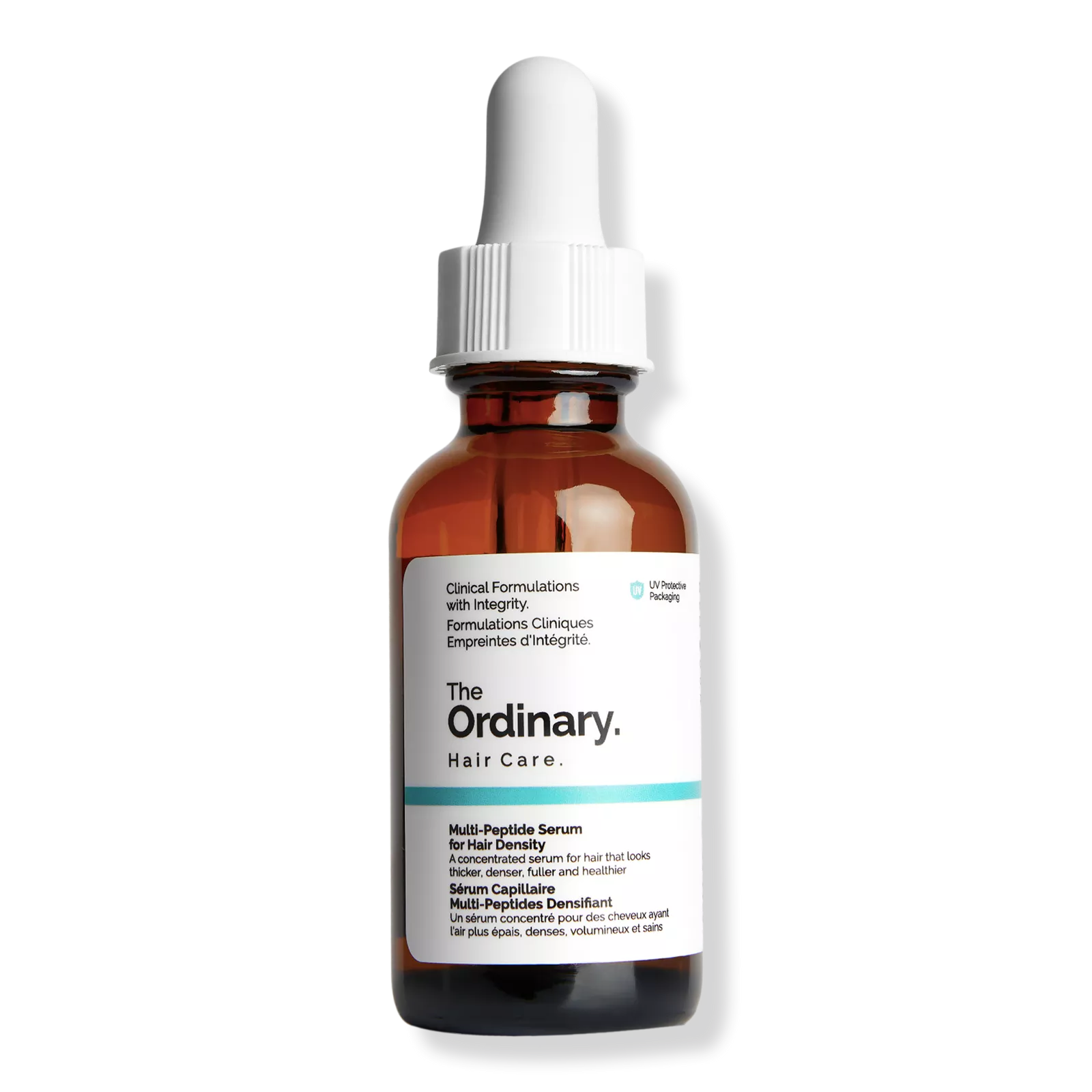
#5. The Ordinary Multi-Peptide Serum for Hair Density
Shop here
Although The Ordinary Multi-Peptide Serum for Hair Density is not specifically a copper peptide formula, it deserves a place in this roundup for shoppers interested in peptide-based scalp care. Its blend includes REDENSYL, Procapil, CAPIXYL, BAICAPIL, AnaGain, and caffeine, alongside plant-derived ingredients such as pea sprout extract and green tea leaf extract.
Instead of focusing on a single copper peptide, the formula combines several ingredient technologies intended to support healthier-looking, fuller hair. Its lightweight leave-in texture also makes it easy to incorporate into an existing routine, with the brand recommending a few drops on a clean, dry scalp once daily, preferably at bedtime. It is worth considering if your main priority is improving the appearance of hair density, although it does not offer the same targeted copper peptide profile as the first three products.
What to Know Before Buying a Copper Peptide Scalp Serum for Hair Growth
The best approach is to look beyond concentration claims and consider the full formula, since a higher percentage does not automatically translate into better results. Some products combine copper peptides with supporting ingredients, while other peptide-focused serums target scalp care and the appearance of hair density through different technologies. Understanding these distinctions can help you choose a product that aligns with your priorities.
It is also important to remember that hair growth depends on several factors, including genetics, hormones, nutrition, stress, and underlying scalp conditions. A cosmetic serum may complement a scalp-care routine, but it cannot reliably address every cause of thinning. If hair loss is sudden, severe, patchy, or progressively worsening, a dermatologist can help identify the underlying cause and recommend evidence-based treatment.
For a routine focused on scalp care, choose a formula you can apply consistently without irritation or unwanted residue. The most useful hair-care routine is one that addresses your actual needs, rather than relying on the assumption that a single ingredient can solve every concern.
Featured image: @eugeniakelcy/Instagram


