


The jewelry we reach for every morning often becomes the most personal part of our wardrobe. A favorite pair of earrings, a familiar gold chain, or a ring worn so often that we notice its absence immediately can become part of our daily signature. But the pieces we wear regularly need to do more than look beautiful. They must stand up to the demands of everyday life, complement our routines, and remain comfortable against the skin.
Choosing jewelry for daily wear therefore calls for a little more consideration than selecting a design that catches your eye in a display case or on a screen. Metal quality, construction, weight, skin sensitivities, and maintenance requirements all influence how well a piece will serve you over time. Whether you’re investing in fine jewelry or looking for affordable pieces to wear on repeat, understanding these details can help you build a collection that combines personal style with lasting practicality.
Beyond the Beautiful Design: What Makes Jewelry Suitable for Everyday Wear?
Start by Considering How You’ll Wear It
#1. Think About Your Daily Activities
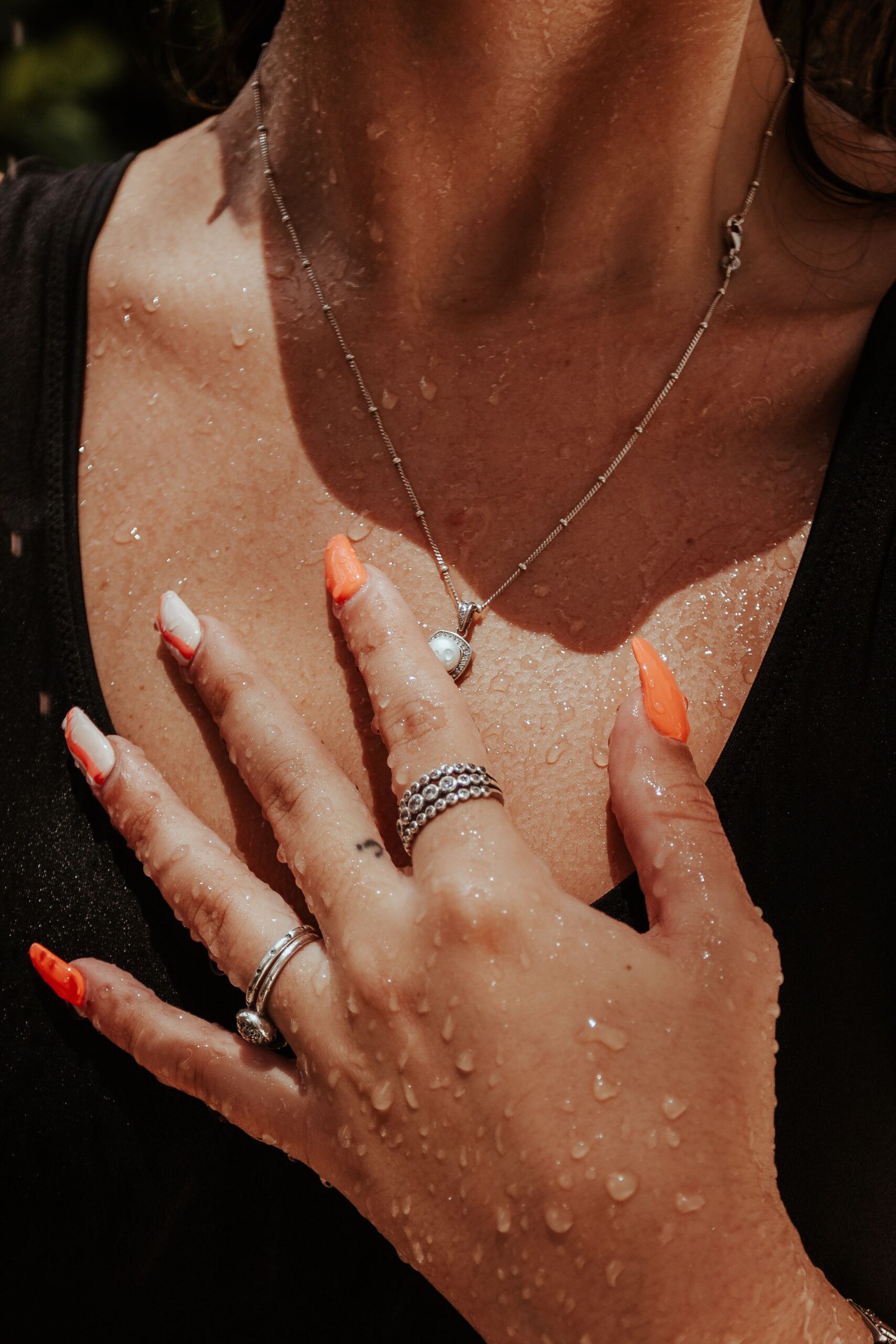
Before you commit to a piece, consider what it will encounter regularly: water, sweat, friction, cosmetics, cleaning products, and whatever the outdoors throws at it. All of these can take a toll over time. Delicate pieces with fine detailing often fare better as occasional wear than as daily companions, while sturdier designs are generally better suited to regular use. Workplace rules matter, too, since some environments simply don’t allow jewelry that could snag on equipment or conflict with a dress code.
#2. Know the Difference Between Everyday and Occasion Jewelry
Jewelry designed for special occasions often prioritizes intricate detail over durability, which isn’t always a practical trade-off for daily wear. Sentimental or high-value pieces may be better kept in a secure jewelry box than worn on your wrist or around your neck every day.
Think of an office worker who sticks to simple studs and a delicate chain, a frequent traveler who favors minimal pieces that pack safely, or someone who works out regularly and prefers jewelry that can be removed easily before a session. Each situation calls for a different set of priorities.
Comfort, material quality, durability, skin compatibility, and ease of maintenance all determine whether a piece can become a reliable daily staple. Someone considering a gold necklace, for example, should look beyond its shine and examine the metal composition, construction, and care requirements before making a decision.
Understand the Metals Behind the Shine
#1. What Gold Karat Ratings Really Tell You
Karat rating tells you how much gold is actually in a piece—it has nothing to do with its weight. Twenty-four-karat gold is nearly pure but relatively soft, while 18K gold contains 18 parts gold and six parts other metals. Fourteen-karat gold consists of 14 parts gold and 10 parts other metals. Those added metals generally make the alloy harder and more durable.
A higher karat count isn’t automatically the smarter choice for every situation; it depends on what the wearer needs from the piece. The Federal Trade Commission notes that pure gold is soft and is typically mixed with other metals to make it durable enough for jewelry. Karat markings indicate the proportion of gold in the alloy.
#2. Solid Gold, Gold-Filled, and Gold-Plated: Know the Difference
Solid gold, gold-filled material, gold plating, and gold-tone base metals don’t age the same way. Their finishes and surface treatments wear down at different rates depending on how much friction, moisture, and chemical exposure they encounter.
Rather than judging a piece by its color alone, check the full material description, confirm its karat marks and manufacturer identification, and make sure the composition is clearly disclosed. These distinctions matter because two pieces that look almost identical when new may have very different lifespans and care requirements.
Choose Metals That Work With Your Skin
#1. Recognize the Signs of Metal Sensitivity
Redness, itching, dryness, a rash, or a burning sensation can all point to contact irritation, although other conditions may cause similar symptoms. If a reaction persists or becomes worse, it’s worth consulting a healthcare professional rather than trying to identify the cause on your own.
Pay attention to whether irritation develops in the area where jewelry touches the skin and whether it improves after you stop wearing the piece. Repeated reactions are a good reason to investigate the metal composition before buying more jewelry.
#2. Look Out for Nickel and Other Potential Allergens
Nickel is a common allergen found in some jewelry alloys. If you know you’re sensitive, look for clear nickel-free or hypoallergenic labeling. However, remember that “hypoallergenic” isn’t a universal guarantee, since formulations and standards aren’t consistent across manufacturers.
The American Academy of Dermatology identifies nickel-containing jewelry as a frequent source of exposure and recommends choosing nickel-free or otherwise suitable materials for people with a known nickel allergy. Anyone experiencing recurring reactions, or unsure which materials are appropriate, should consult a dermatologist.
Look Beyond the Metal: Construction, Weight, and Comfort
#1. Check the Details That Hold a Piece Together
Secure clasps, smooth edges, sturdy jump rings, even links, and clean finishing all count for something. A weak connection point can cost you a piece of jewelry even when the metal itself is high quality. Examine the areas where components meet, paying particular attention to clasps, hinges, stone settings, and links that experience repeated movement.
These details may be easy to overlook when shopping online, but they can make a considerable difference to how well a piece holds up with regular use.
#2. Pay Attention to Weight and Proportion
Consider whether earrings tug on the earlobe, chains twist or catch, pendants sit comfortably, and edges rub against the skin. The real test is how a piece moves with you—walking, reaching, turning your head—not just how it looks while you’re standing still in front of a mirror.
A pair of statement earrings may be beautiful, for instance, but if the weight becomes uncomfortable after a few hours, they may be better suited to occasional wear. The same applies to rings that interfere with everyday tasks or necklaces that catch on clothing. A comfortable fit is one of the most important qualities of jewelry intended to be worn frequently.
Protect Your Jewelry With the Right Care Routine
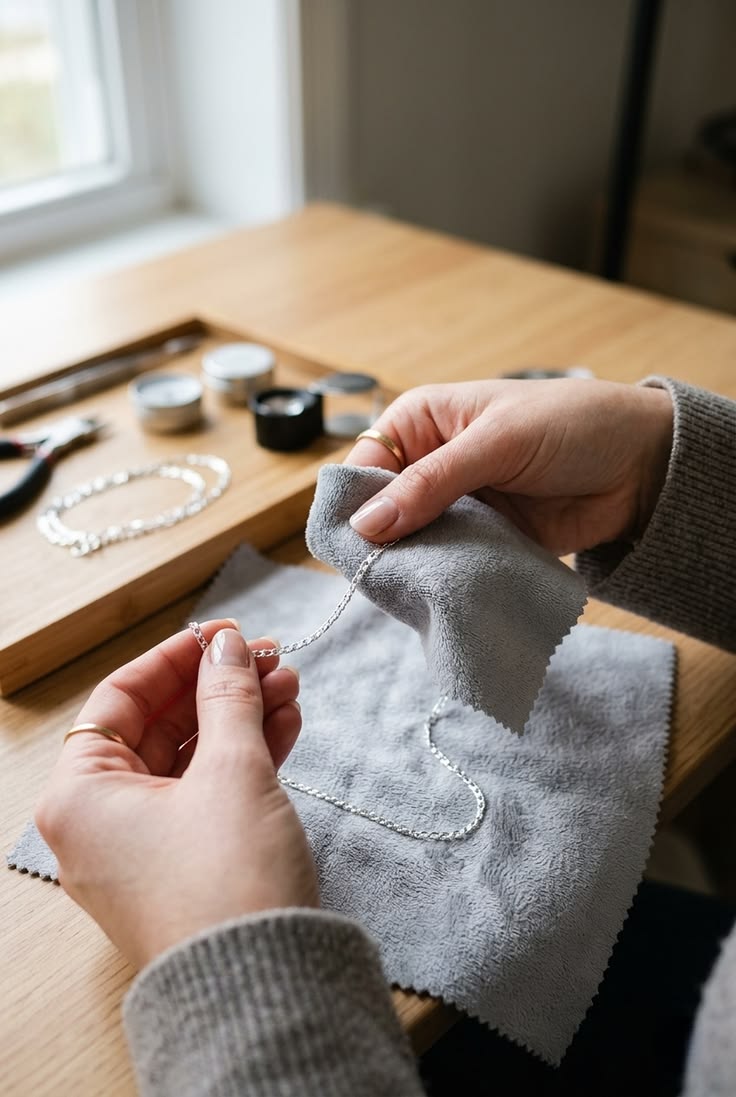
#1. Keep Chemicals, Moisture, and Abrasion in Check
Take jewelry off before swimming, showering, working out, or applying lotions, perfumes, and household chemicals. Repeated exposure to these substances, along with everyday abrasion, can wear down finishes, settings, and surface treatments over time.
It’s also worth being mindful of activities that place pressure on delicate pieces. Removing rings before lifting weights or taking off fine necklaces before sleeping can help prevent unnecessary stretching, snagging, and damage.
#2. Clean Each Piece According to Its Materials
Follow the manufacturer’s care instructions, since the appropriate cleaning method varies depending on the metal, finish, and gemstones involved. A soft cloth is suitable for routine wiping in many cases, but avoid harsh chemicals and unverified home remedies.
The Gemological Institute of America recommends gentle cleaning for many colored gemstones, such as using warm water, mild dish soap, and a soft brush. However, specific care requirements vary by gemstone and setting. If a piece is antique, fragile, valuable, or you’re unsure how to handle it, consult a qualified jeweler before attempting to clean it yourself.
Key takeaway: Whether a piece is suitable for everyday wear depends on its metal composition, construction, comfort, and intended use—not simply its appearance.
Store Your Jewelry With Care
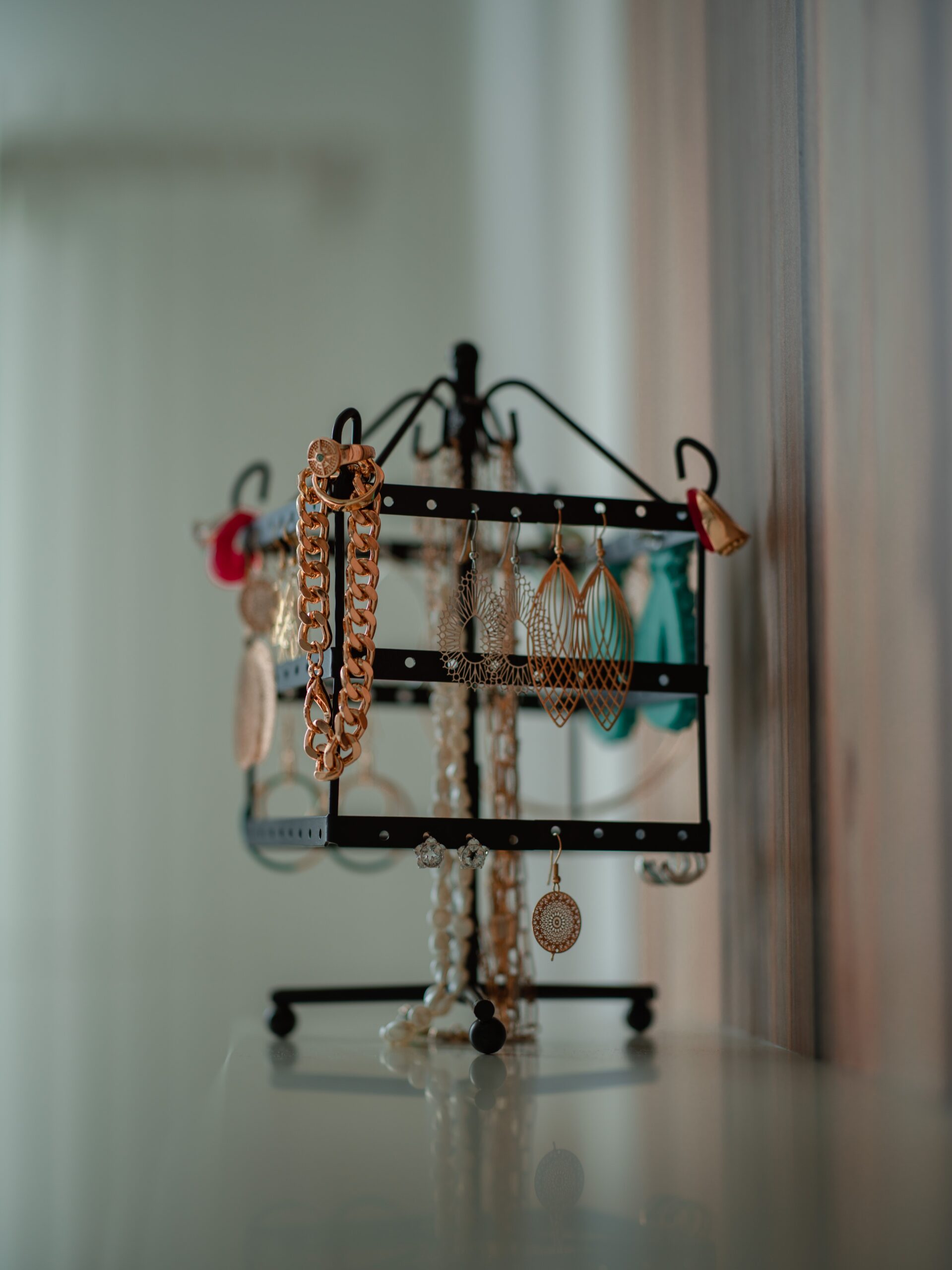
Proper storage helps prevent scratching, tangling, and unnecessary wear, particularly when you’re building a collection of pieces made from different metals and materials.
- Keep pieces separated: Store jewelry individually or in compartments so that chains, gemstones, and metal surfaces don’t scratch or damage one another.
- Choose a dry environment: Keep your collection in a clean space away from excess humidity, which can affect certain metals and finishes.
- Protect delicate chains: Lay necklaces flat or hang them individually to prevent knots and unnecessary tension.
- Avoid loose storage: Don’t toss jewelry into bags or drawers, where clasps can catch, chains can tangle, and delicate components can bend.
Read the Fine Print Before You Buy
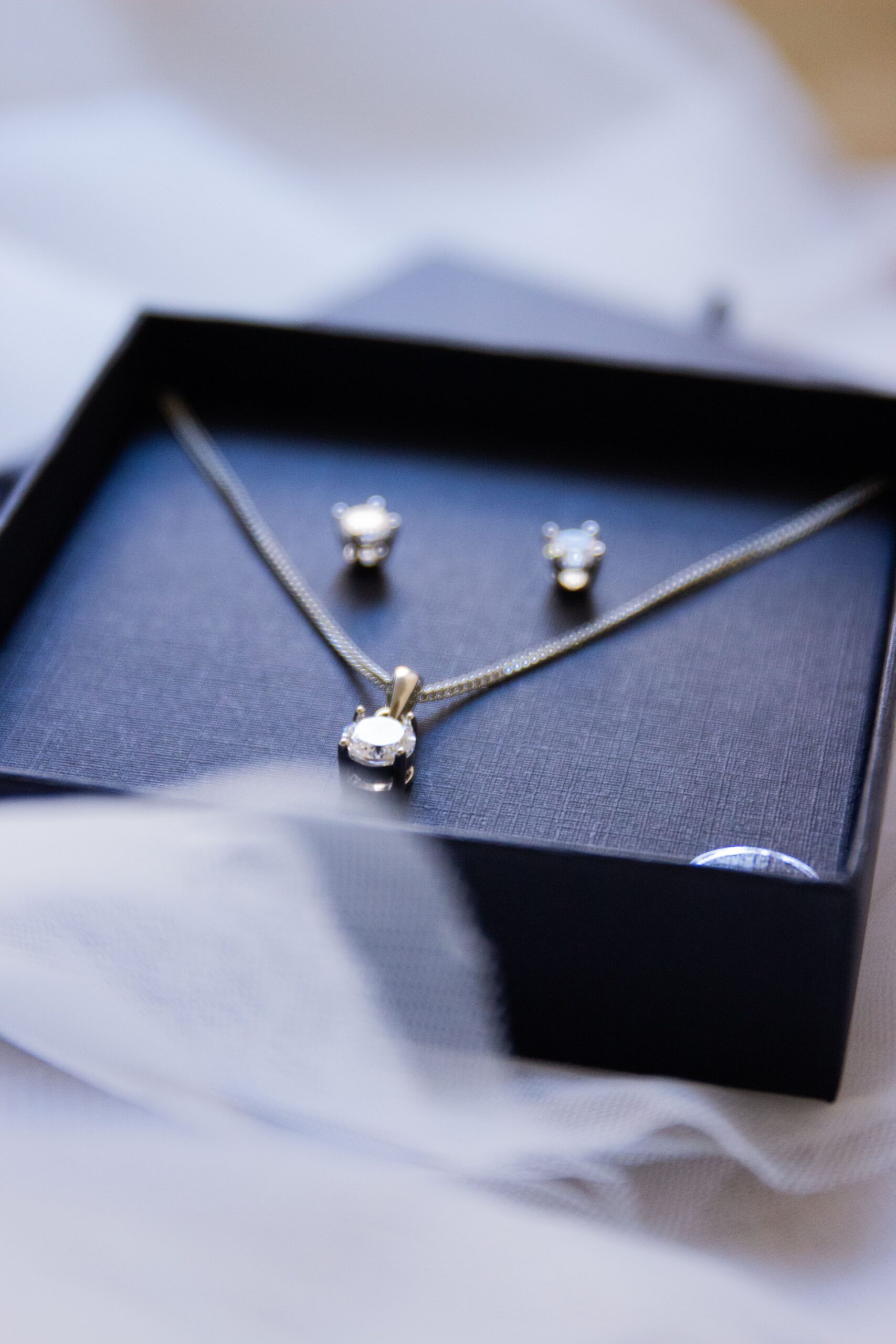
Before purchasing, look for the metal type, karat rating, any plating or coating disclosures, dimensions, closure type, care instructions, and return or repair terms. Photographs alone won’t tell you much about material composition, actual scale, or comfort.
Cross-check the claims in the product description against the hallmark and packaging where applicable. The FTC requires jewelry marketing to accurately represent details such as metallic content, quality, durability, size, weight, and any treatments applied.[3] If information seems incomplete or vague, ask the seller for clarification rather than making assumptions.
Before-you-buy checklist:
- Confirm the metal type and karat rating.
- Ask about plating thickness and composition where applicable.
- Check the quality and security of the clasp or closure.
- Review the care and maintenance instructions.
- Verify the return, repair, and warranty policies.
A Simple Checklist for Choosing the Right Piece
Before committing to jewelry for everyday wear, consider these seven factors:
- Lifestyle: Will the piece encounter water, sweat, friction, or chemicals regularly?
- Material: Is the metal clearly identified and suitable for its intended use?
- Skin compatibility: Does the wearer need nickel-free or otherwise suitable materials?
- Construction: Are the clasp, links, edges, and settings well finished?
- Maintenance: Can the wearer realistically follow the care requirements?
- Value: Does the expected lifespan justify the purchase price and upkeep?
- Fit: Is the size, length, and weight comfortable for extended wear?
Choose Jewelry That Fits Your Life
The right everyday jewelry reflects the wearer’s activities, skin needs, comfort preferences, and willingness to keep up with maintenance. Clear material disclosures and realistic expectations about wear matter far more in the long run than trends or price tags.
Before buying or committing to wearing a piece daily, run it through the considerations above. A beautiful design may catch your attention, but the right combination of quality, comfort, and practicality is what makes you want to reach for it again and again.
—Read also