



Summer can leave your skin looking radiant, but the season can also leave behind a few reminders of all that heat, humidity, sweat, sunscreen, and sun exposure. By the time fall arrives, you may notice your complexion is drier, duller, or more congested, with uneven tone or sensitivity than it had a few months earlier.
Then there is the weather itself. As temperatures drop and humidity decreases, the air can pull more moisture from the skin, making a lightweight summer routine less comfortable. A moisturizer that was perfect for humid days may suddenly leave your face feeling tight, while the exfoliating products you relied on all summer may become too much.
The good news is that transitioning to fall skincare does not mean replacing your entire bathroom shelf. A few thoughtful changes can make your routine more comfortable while keeping your skin hydrated, protected, and balanced. Here is how to make the switch without overwhelming your skin.
Your summer-to-fall skincare reset begins with these simple changes
#1. Switch to a Richer Moisturizer and Hydrating Serum

The easiest place to start is with hydration. If you have been using a lightweight gel moisturizer during the warmer months, fall is a good time to consider a creamier formula, particularly if your skin has started feeling tight or dry. Dermatologists commonly recommend ingredients such as ceramides and hyaluronic acid for moisturizing, while richer formulas can help provide more lasting comfort when the air becomes drier.
A hydrating serum can also add another layer of moisture without making your routine complicated. Look for humectants such as hyaluronic acid, glycerin, or panthenol, which are commonly used in hydrating formulas. You can apply the serum after cleansing and follow with your moisturizer to help lock in hydration.
The key is to pay attention to your skin rather than automatically switching every product at once. If your current moisturizer still leaves your skin comfortable, there may be no reason to replace it. If you notice tightness, flaking, or increased dryness, that is a better indication that your routine needs a richer layer.
For sensitive skin, fragrance-free formulas can also be a useful choice, especially when the skin is already dry or reactive. You may also want to keep the rest of your routine relatively simple while introducing a new moisturizer, making it easier to identify what works and what does not.
Shop editor’s picks
#2. Rethink Your Exfoliation Routine
Exfoliation can be useful for removing built-up dead skin cells and improving the appearance of uneven texture, but fall is not the time to attack dry or irritated skin with stronger products. If your complexion is tight, flaky, or sensitive, reduce your exfoliation frequency instead of trying to scrub the dryness away.
This is especially important if you already use retinol, benzoyl peroxide, or other products that can make the skin more sensitive. The American Academy of Dermatology recommends choosing an exfoliation method that suits your skin type and avoiding aggressive exfoliation when the skin is irritated or sunburned.
For darker skin tones, being gentle is particularly important. More aggressive exfoliation can sometimes trigger irritation and contribute to dark spots, so increasing the strength or frequency of your exfoliating products is not necessarily the answer to post-summer uneven tone.
Instead, think about exfoliation as a supporting step rather than the main solution. If your skin is comfortable, continue at a moderate frequency that works for you. If it becomes dry or reactive, give it more time between treatments and prioritize moisturizing. Your skin does not need to be stripped to look smooth.
It can also help to resist the urge to introduce several active ingredients at once. If you are already using an exfoliating acid or retinoid, focus on maintaining a routine your skin tolerates well before adding another treatment.
Shop editor’s picks
#3. Add a Weekly Hydrating Mask

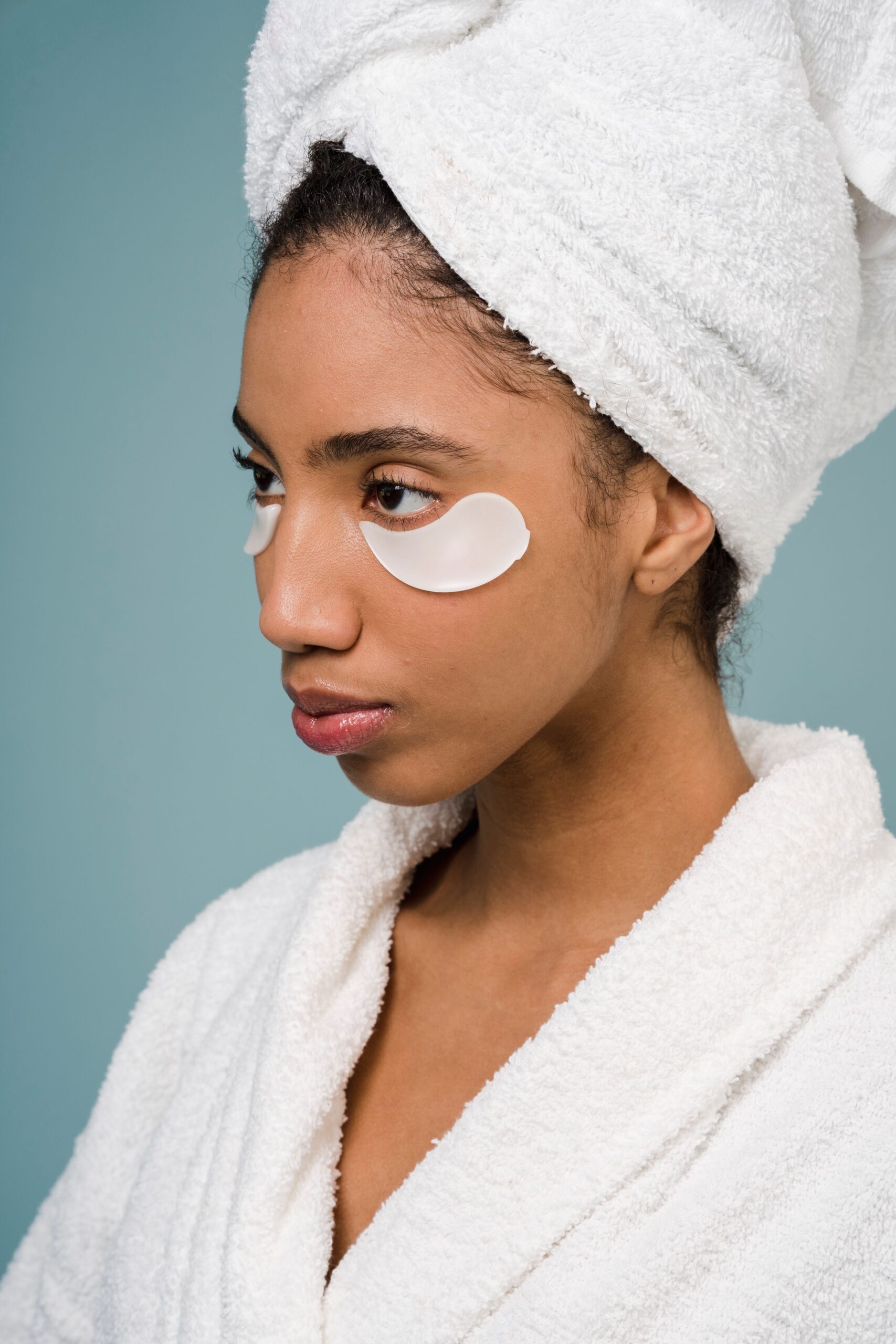
A hydrating mask is an easy way to give your fall routine a more comforting step without adding several new products. After months of heat and sun exposure, a simple moisture-focused mask can be useful when your skin feels tight, dull, or less supple than usual.
Look for formulas designed around hydration and soothing ingredients rather than strong exfoliating acids. Ingredients such as hyaluronic acid, glycerin, aloe, and panthenol can appear in hydrating products, while richer formulas may include ingredients that help reduce moisture loss.
Once a week is enough for most routines. If your skin is particularly dry, you may find that using a hydrating mask more frequently works for you, but there is no need to turn it into a daily ritual. This is also a good point in the season to resist the temptation to stack several treatments together. A mask, exfoliating acid, retinol, and multiple serums do not automatically create better skin.
Instead, use the mask as a simple reset when your complexion needs extra moisture. Apply it after cleansing and follow the product’s directions rather than leaving it on for longer than recommended. The goal is to support your existing routine, not turn your weekly skincare session into a marathon of treatments.
Shop editor’s picks
#4. Keep Your Skin Protected as the Weather Changes
Cooler weather does not mean sunscreen season is over. UV exposure remains a concern throughout the year, so your morning routine should still finish with a broad-spectrum sunscreen of SPF 30 or higher.
This is particularly relevant if you are dealing with uneven pigmentation after summer. Sun exposure can contribute to dark spots, and the American Academy of Dermatology recommends daily sunscreen as part of managing and preventing hyperpigmentation.
Your body deserves the same attention. If your arms, legs, elbows, or hands start feeling rough as the weather changes, bring a richer body lotion or cream into your routine. Applying moisturizer while the skin is still slightly damp can help maintain moisture.
If you spend a lot of time indoors with heating, a humidifier can also add moisture to the surrounding air. You may also find it helpful to keep a hand cream nearby, particularly if frequent handwashing or cooler weather leaves your hands dry.
The goal is not to create a completely new skincare routine for fall. It is to make small adjustments that respond to what your skin is actually experiencing.
Shop editor’s picks
The Bottom Line
The transition from summer to fall skincare should be gradual, not dramatic. Start by adding hydration where you need it, move toward a richer moisturizer if your skin becomes dry, adjust exfoliation instead of overdoing it, and keep sunscreen firmly in your morning routine.
Most importantly, let your skin guide the changes. A routine that works in September may need another adjustment later in the season as the weather becomes colder and drier. Your skin may also respond differently depending on your environment, so there is no need to follow a seasonal routine simply because the calendar has changed.
The most effective fall reset is not about having more products on your shelf. It is about giving your skin the right amount of hydration, protection, and care for the conditions around you.
Featured image: @eadem.co/Instagram