

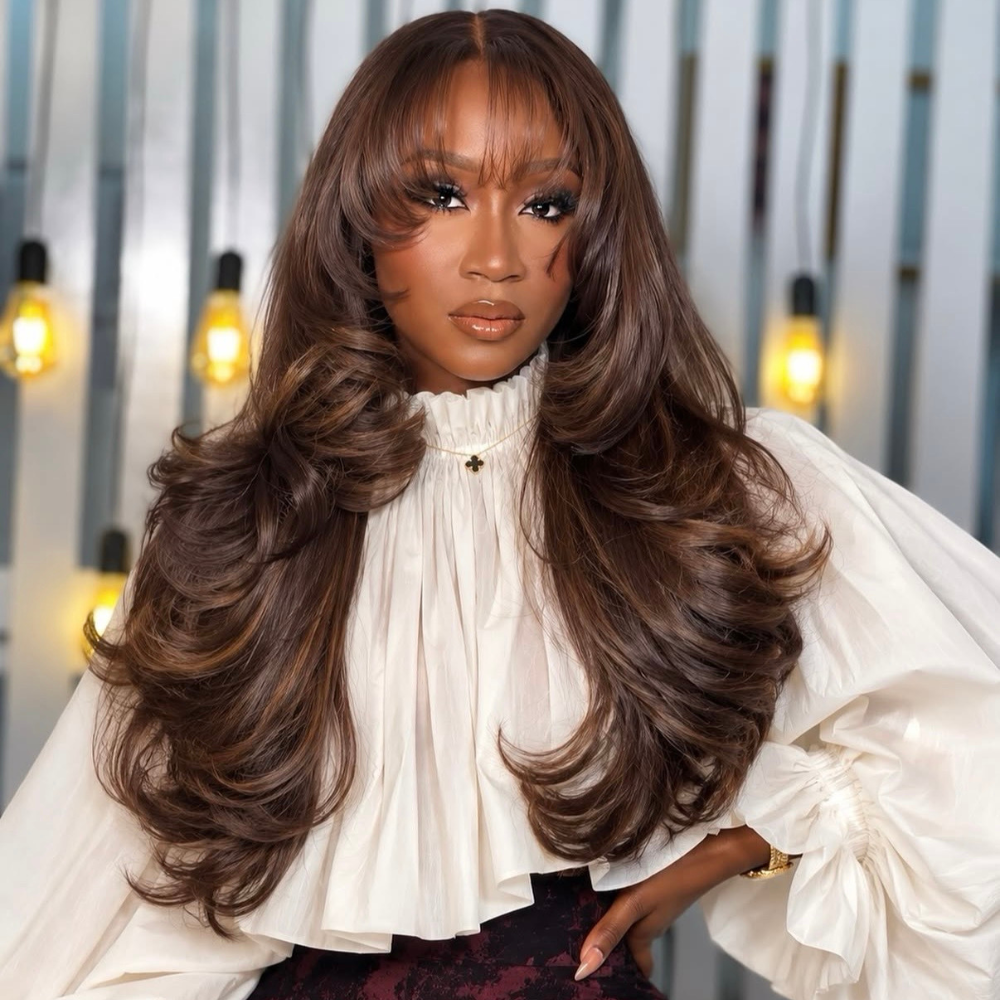

Beautiful extensions can transform a woman in minutes, but keeping them soft, manageable, and natural-looking requires care long after installation. Knowing how to take care of hair extensions starts with understanding how washing, brushing, styling, and sleeping habits affect the added hair, as well as how to protect the attachment points and your natural strands. Your routine should also reflect the type of extensions you wear, since clip-ins, tape-ins, sew-ins, bonded extensions, and other methods have different care requirements.
One of the biggest mistakes is treating extensions exactly like natural hair. Human-hair extensions do not receive scalp oils along their lengths, which makes them more prone to dryness, tangling, and damage. Synthetic hair, meanwhile, may have specific heat and product limitations. Gentle handling should therefore guide every step, from washing and drying to styling and bedtime.
So, how do you take care of your hair extensions at home?
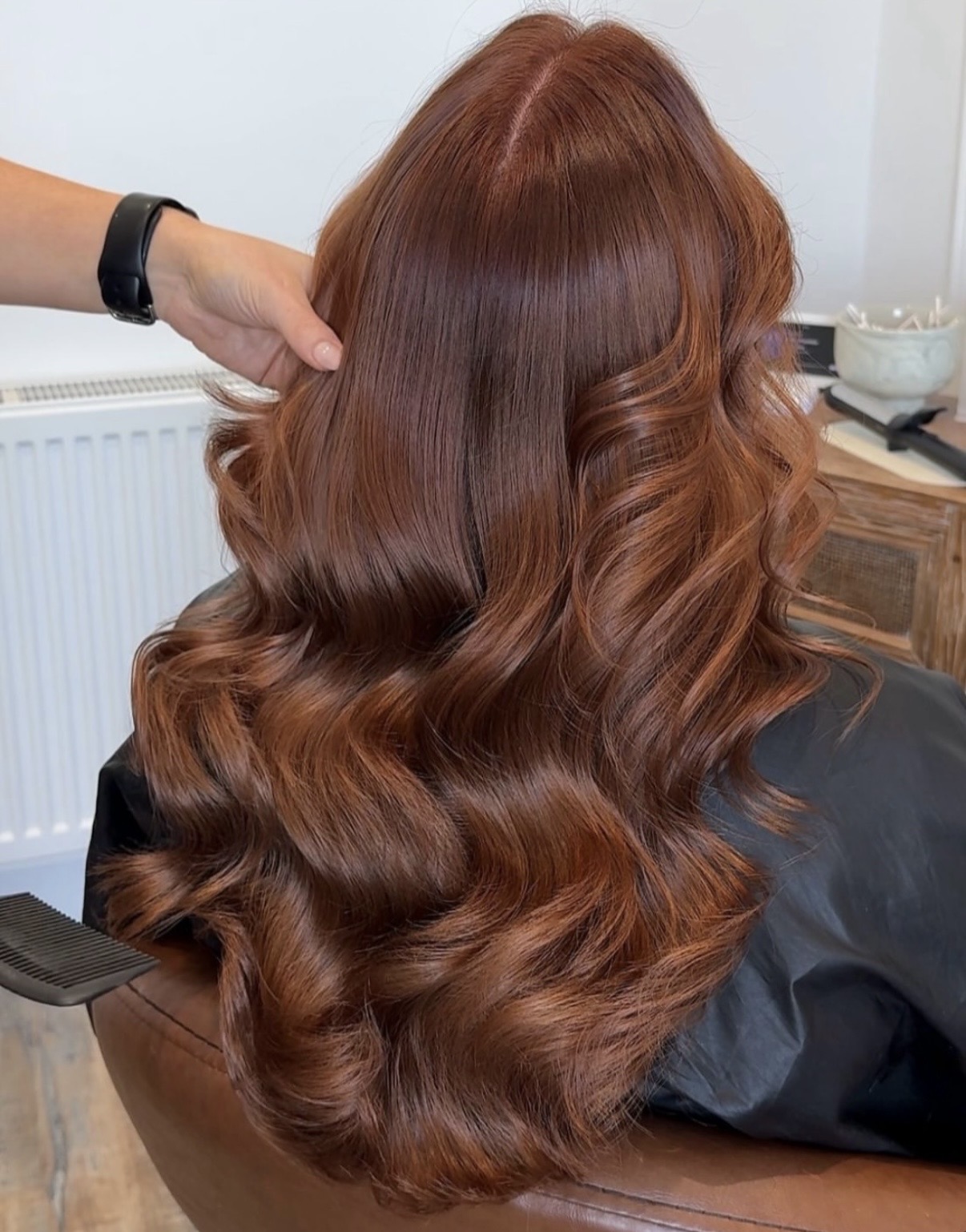
#1. Brush Gently and Start at the Ends
Tangling is one of the quickest ways to make extensions look worn, particularly around the attachment points and nape. Use an extension-friendly brush or wide-tooth comb, starting at the ends and working upward in small sections rather than pulling from the roots down.
Take your time with knots and use extra care around the scalp, especially with permanent installations, where aggressive brushing can place unnecessary tension on your natural hair. Learning how to care for extensions also means detangling gradually instead of forcing a brush through stubborn sections. Supporting the hair near the attachment points as you work can help minimize pulling.
Shop editor’s edit
#2. Wash Without Overdoing It
Extensions do not need constant washing, and excessive cleansing can strip moisture from the added hair. Wash according to your scalp’s needs and lifestyle, focusing shampoo near the roots and allowing the lather to travel through the lengths without scrubbing the strands together.
Apply a lightweight conditioner through the mid-lengths and ends, keeping heavier formulas away from attachment points unless your stylist recommends otherwise. How often you wash should also depend on your scalp, styling products, and the type of extensions you wear. When in doubt, follow the washing schedule recommended for your specific installation.
Shop editor’s choice
#3. Be Careful With Heat
Frequent heat styling can shorten the lifespan of human-hair extensions, leaving the lengths dry and brittle over time. Apply a heat protectant before blow-drying, straightening, or curling, and use a moderate temperature whenever possible. Synthetic extensions may not tolerate heat at all, so check the manufacturer’s instructions before using hot tools.
Air-drying is another option, but avoid leaving extensions damp for long periods, particularly around the roots and attachment points. Excess moisture can contribute to tangling and, with some installation methods, create problems if the hair underneath remains wet. Aim for a drying routine that protects the strands without neglecting the roots.
Shop editor’s selection
#4. Dry Your Extensions Properly
Rough towel-drying creates friction and tangles, so gently squeeze out excess water with a soft towel instead. When using a hair dryer, direct the airflow downward along the lengths and make sure the attachment area is completely dry.
With permanent extensions, paying attention to the roots is especially important. Dampness trapped beneath longer installations can be difficult to notice, so work carefully through the hair rather than focusing only on the visible lengths. Your stylist may also have specific drying instructions based on the installation method, so follow those recommendations first.
#5. Change Your Nighttime Routine
Sleeping with loose, damp, or tangled extensions can undo careful daytime maintenance. Before bed, gently detangle the hair and secure it in a loose braid or low ponytail to minimize friction and reduce the chance of waking up to knots.
A satin or silk pillowcase can also help reduce friction against the hair. If you wear clip-ins, remove them before sleeping unless the manufacturer specifically advises otherwise. Taking them out at night is one of the simplest ways to limit unnecessary wear and preserve their condition between uses.
Shop editor’s finds
#6. Choose Products Carefully
Heavy oils, waxes, and thick styling products can build up around extension attachments and make the hair harder to manage. Choose products suited to your extension type, particularly when using leave-in conditioners, oils, and styling creams.
Extension care also means paying attention to how products behave on added hair. Lightweight formulas are often easier to distribute through the lengths, while keeping heavy products away from attachment points can help prevent buildup and unnecessary weight. If you are unsure whether a product is suitable for your extensions, check with your stylist before adding it to your routine.
How Long Do Extensions Usually Last?
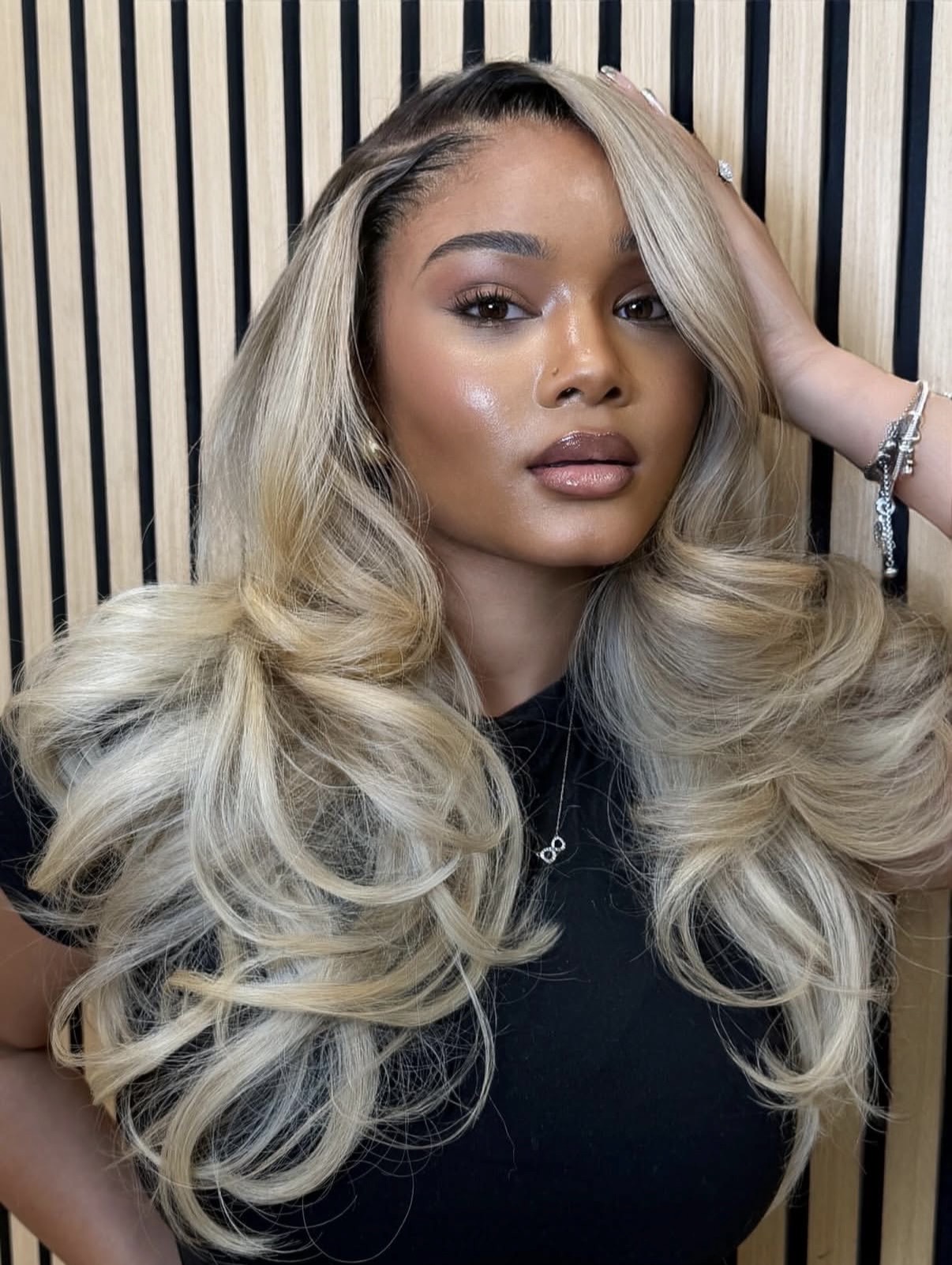
The lifespan of hair extensions depends on the method, hair quality, installation, and daily maintenance. Clip-ins can last for years with careful storage and occasional use, while permanent or semi-permanent extensions generally require professional maintenance or replacement sooner as your natural hair grows.
Good maintenance can extend their presentable lifespan, but it cannot make an installation last indefinitely. Regular appointments are particularly important for longer-wear methods, allowing your stylist to monitor the extensions, check the attachment points, and assess the condition of your natural hair underneath.
The Do’s and Don’ts After Extensions
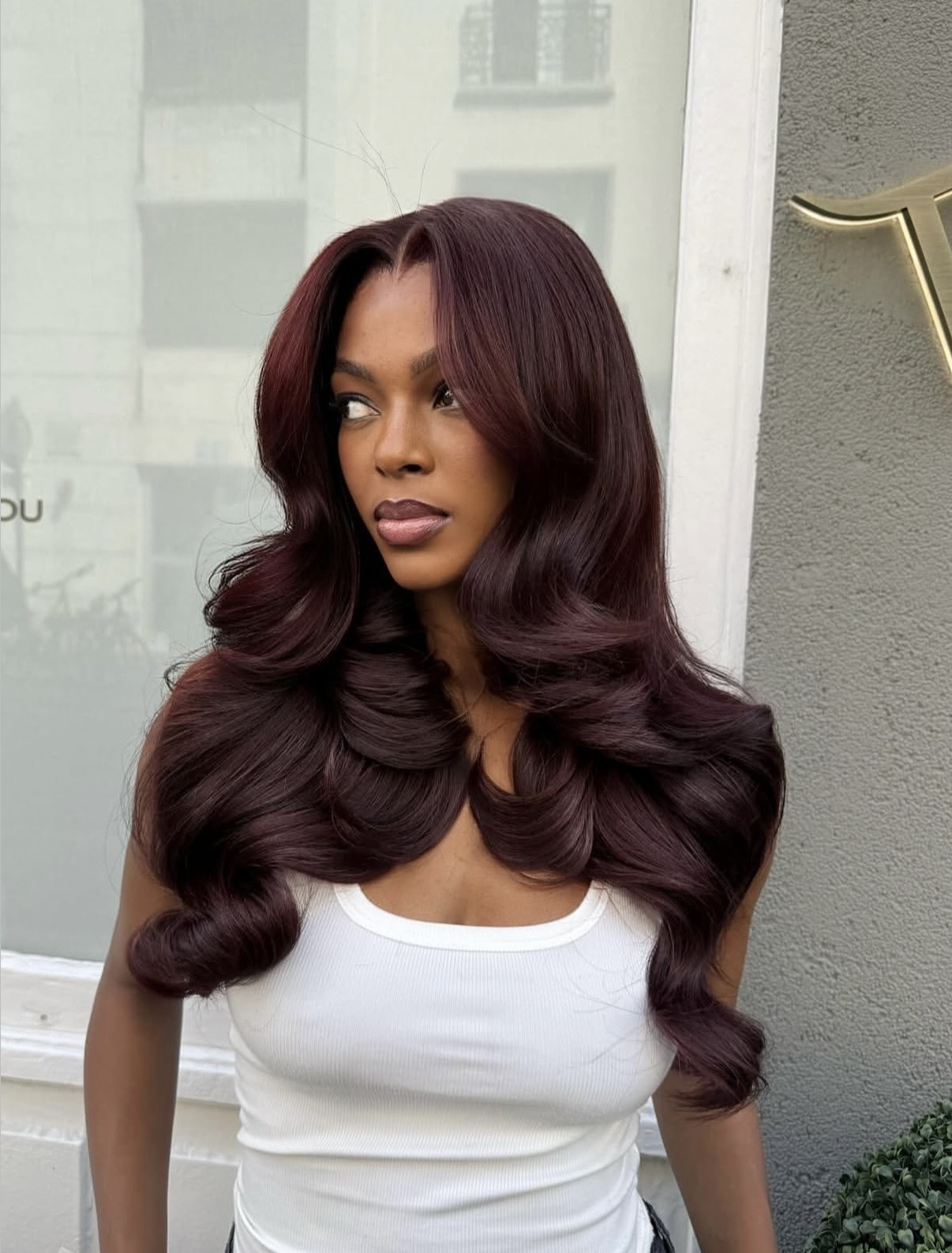
Do brush gently, wash appropriately, protect the hair from excessive heat, dry it thoroughly, and follow your stylist’s instructions. Don’t sleep with clip-ins attached, pull through tangles, overload the roots with products, or ignore discomfort around the attachment points.
Most importantly, extensions should enhance your hairstyle without compromising your natural hair. A consistent routine that cares for the scalp, roots, and added strands gives your extensions a better chance of staying soft, manageable, and wearable for longer. Ultimately, knowing how to take care of hair extensions is about protecting both your investment and the hair underneath it.
Shop editor’s edit
Featured image: @queenjayhair/Instagram
The Best Hair Extensions for Fine Hair: Why Seamless Wefts Are a Great Choice