

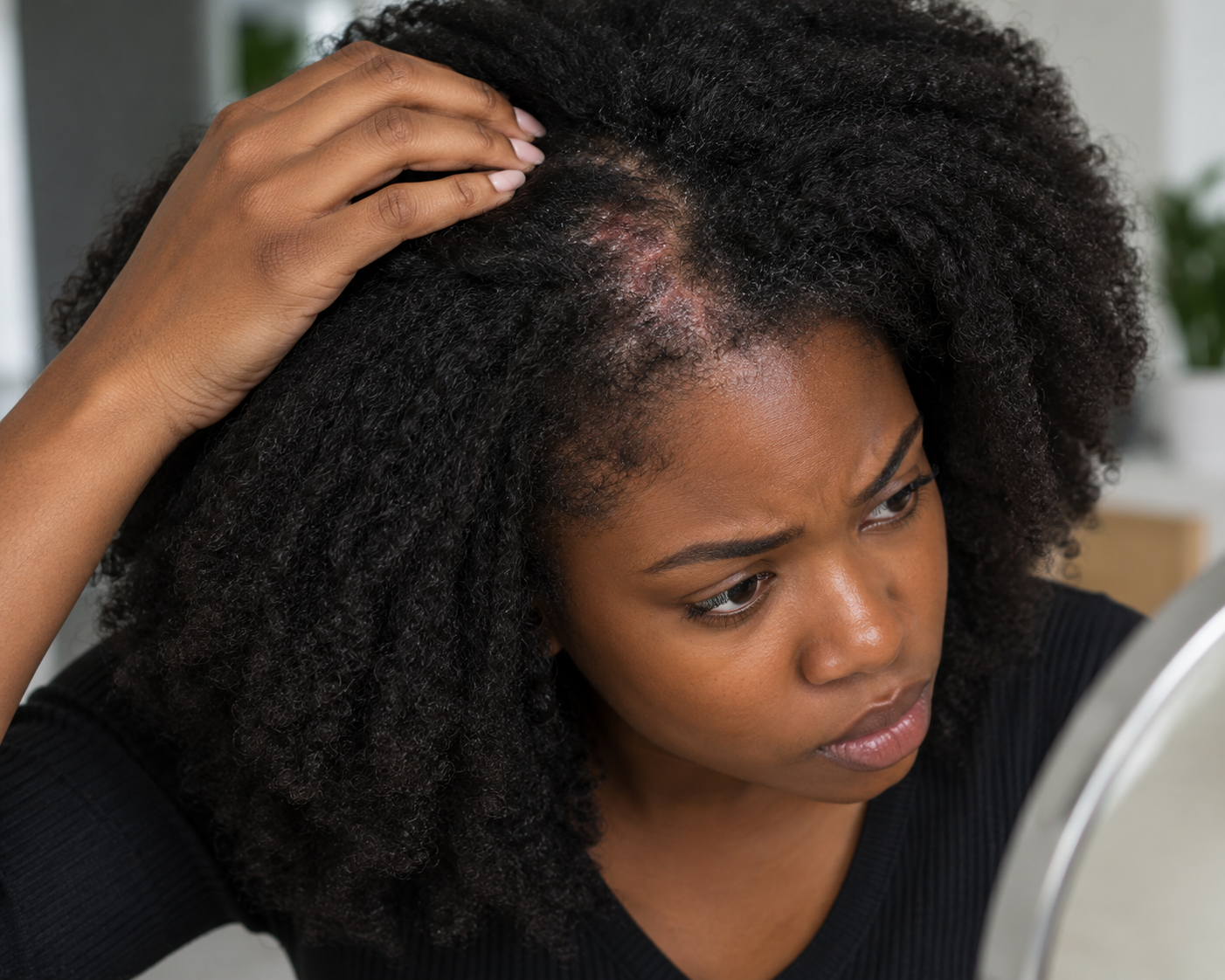

Scalp discomfort can be quite persistent, showing up as prickling irritation, tightness, or flakes that return soon after wash day. While using a different shampoo or applying a soothing oil may seem like the quickest fix, lasting relief often starts with understanding what is irritating the skin rather than adding another product to your shelf. Effective treatment also depends on the type of eczema involved, the triggers behind each flare-up, and how severely the scalp is affected.
Scalp eczema can cause itching, dryness, flaking, soreness, and patches of inflamed skin. On darker skin tones, affected areas may appear darker or lighter than the surrounding skin rather than showing obvious redness. Some cases are linked to allergic reactions or irritation from hair products, while others involve conditions such as seborrheic dermatitis. Understanding the cause helps you choose appropriate care, protect your hair, and recognize when professional medical advice is needed.
What Triggers Scalp Eczema?
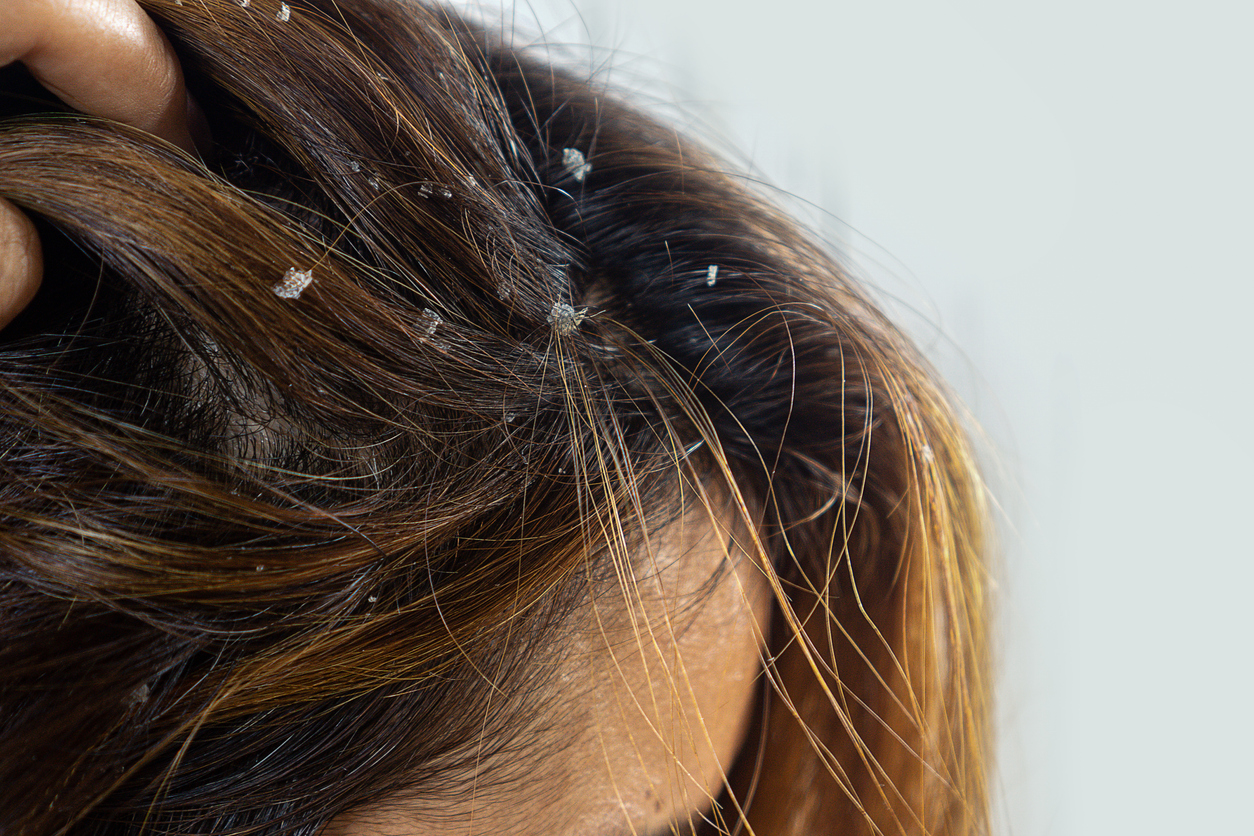
Several factors can trigger scalp eczema, depending on the type you have. Fragranced shampoos, hair dyes, relaxers, gels, and styling sprays may irritate sensitive skin or cause an allergic reaction. Sweat, hot weather, stress, and a personal or family history of eczema can also contribute to flare-ups. Hair extension adhesives and certain wig caps may cause problems if they irritate the scalp or contain ingredients that trigger a reaction.
Pay attention to when symptoms begin, especially after introducing a new product or hairstyle. If itching starts soon after applying a dye, relaxer, or adhesive, stop using the suspected trigger and seek medical advice if symptoms persist or worsen. Avoid scratching, since broken skin can become infected.
How to Stop Eczema on Your Scalp
The first step in scalp eczema treatment is reducing irritation while addressing the underlying cause. Switch to a gentle, fragrance-free shampoo, wash with lukewarm water, and rinse thoroughly to remove product residue. Avoid scratching or scrubbing away flakes, and use a cool setting when blow-drying because hot air can worsen dryness and itching.
Your styling routine also deserves attention. Tight hairstyles, extensions, and frequent chemical treatments can place extra strain on an already irritated scalp. Give the skin time to settle before applying relaxers, dyes, or other potentially irritating products, and avoid introducing several new treatments at once. If a particular hairstyle or hair product repeatedly coincides with flare-ups, consider changing your routine and discussing the pattern with a dermatologist.
Shop editor’s edit
What Is the Best Cream or Ointment for Scalp Eczema?
The most suitable product depends on the cause and severity of the symptoms. A dermatologist may recommend a topical corticosteroid in a scalp-friendly form, such as a lotion, solution, gel, or mousse, to reduce inflammation and itching. These medicines should be used for the prescribed duration, since inappropriate or prolonged steroid use can cause side effects.
Moisturizers called emollients can also help protect dry skin by reducing moisture loss. Lotions and gels are often easier to apply through the hair than thick ointments, which can be difficult to distribute and wash out. However, a moisturizer alone may not control every type of scalp eczema, particularly when significant inflammation or an allergic reaction requires targeted treatment.
Shop editor’s selection
What Oil Is Good for Scalp Eczema?

Oil is not a universal remedy for an itchy, flaky scalp. Some people may tolerate coconut oil as an emollient, but it will not treat every cause of eczema. Olive oil is best avoided for this purpose because it may damage the skin barrier. Fragranced essential oils, including tea tree oil, can also irritate sensitive skin or trigger allergic reactions.
If you want to use an oil or moisturizing product, ask a pharmacist or dermatologist which option is appropriate for your symptoms. Avoid covering inflamed skin with several oils or heavy products, especially if your scalp is weeping, sore, or showing signs of infection. In these circumstances, it is better to seek medical advice than to experiment with additional treatments.
What Is Often Mistaken for Scalp Eczema?
Dandruff and seborrheic dermatitis are common causes of scalp flaking and itching, but psoriasis, allergic contact dermatitis, and fungal infections such as ringworm can produce similar symptoms. Thick scales, patches extending beyond the hairline, broken hairs, or areas of hair loss may point to a condition that needs a different treatment.
If your scalp has not improved with gentle care, getting an accurate diagnosis is more useful than cycling through anti-dandruff shampoos and home remedies. Medicated dandruff shampoos may help manage seborrheic dermatitis, but they are not suitable for every form of eczema and can irritate some scalps. A healthcare professional can help distinguish between these conditions and recommend an appropriate treatment plan.
Shop editor’s finds
Can Scalp Eczema Be Cured Permanently?
There is no single permanent cure for every type of scalp eczema, although many people can manage their symptoms and reduce flare-ups by identifying triggers and following a suitable care plan. The right scalp eczema treatment may involve prescribed medication during a flare, gentle cleansing between episodes, and avoiding products that irritate the skin.
See a healthcare professional if symptoms persist, disrupt sleep, cause significant pain, or return despite appropriate care. Seek prompt medical attention if you notice pus, spreading warmth or swelling, or rapidly worsening symptoms, as these can indicate an infection.
The most reliable approach combines an accurate diagnosis with consistent scalp care. Once you understand what triggers your symptoms, you can make better choices about shampoos, oils, styling products, and treatments without putting your scalp through another round of unnecessary experimentation.
Featured image: Style Rave Studio/AI-generated Visual