


Fashion loves declaring the death of basics, yet the white T-shirt survives every trend cycle without breaking a sweat. Quiet luxury arrived, streetwear matured, tailoring relaxed, and celebrity wardrobes kept returning to one dependable piece. Such persistence says more about modern menswear than any seasonal runway headline or viral social media aesthetic ever could today.
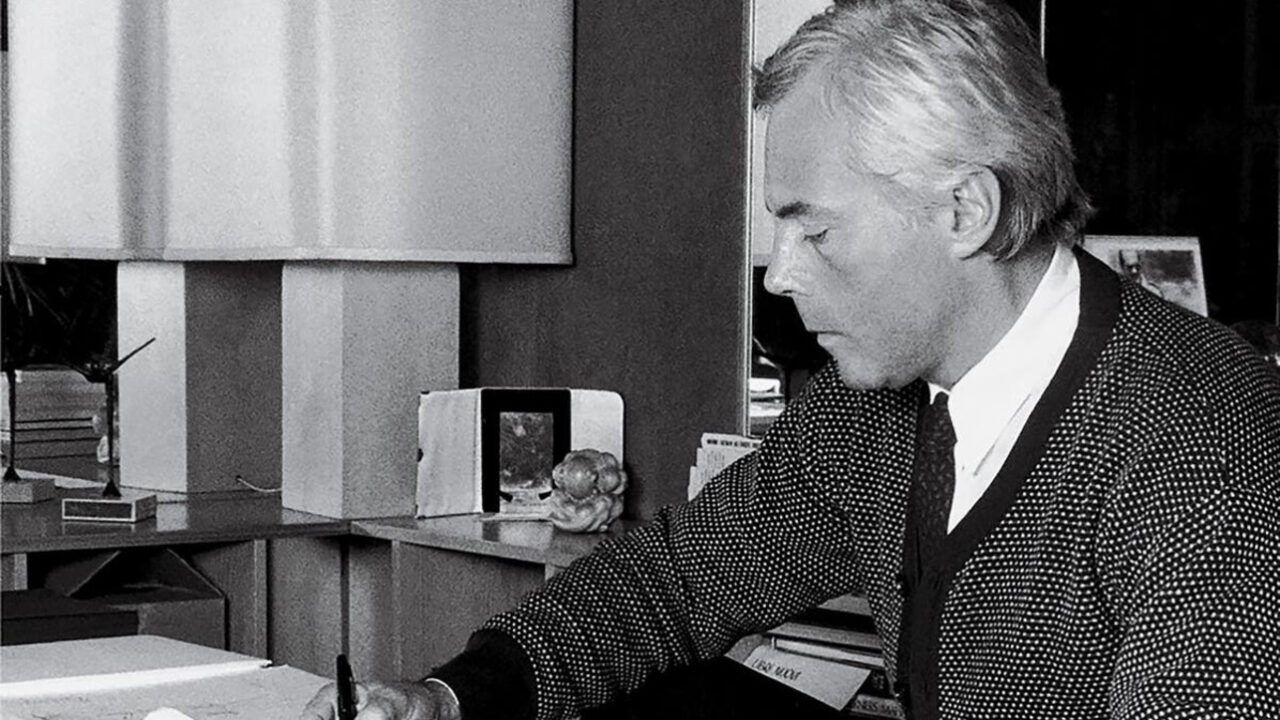
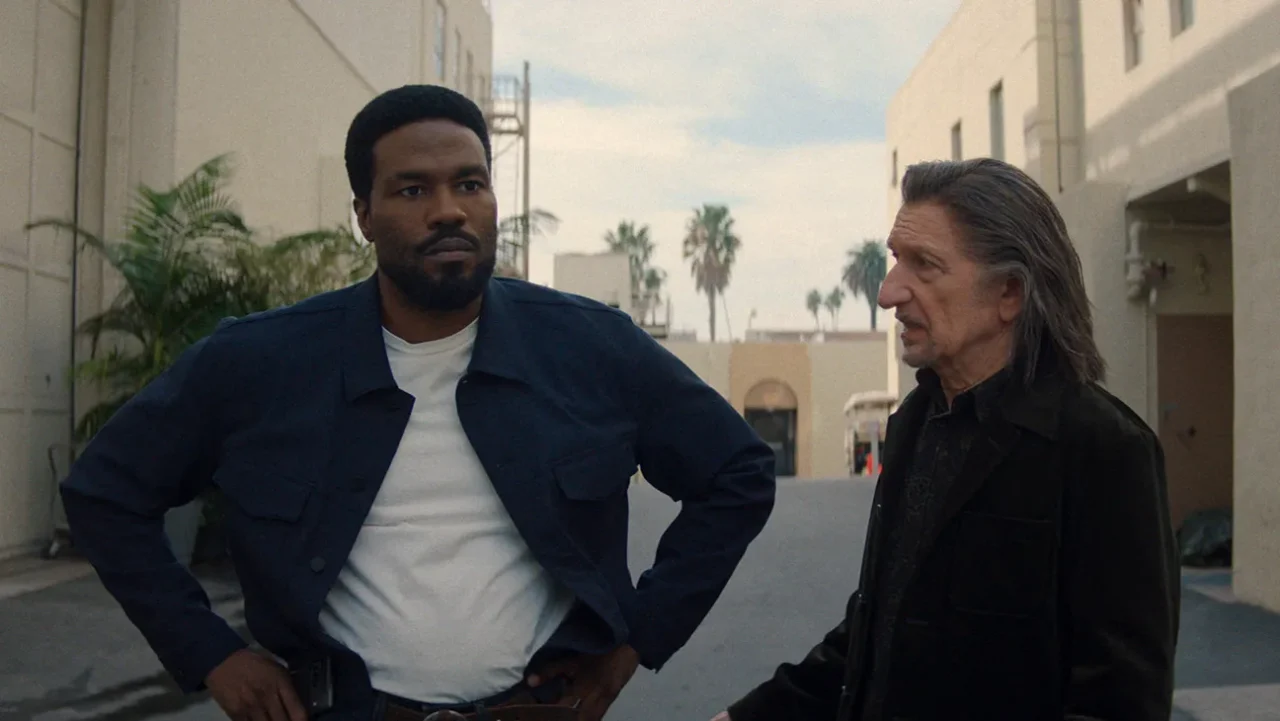
Scroll through recent celebrity style coverage and the pattern becomes impossible to ignore. Colman Domingo stepped out in nothing more complicated than a crisp white T-shirt and jeans. Pedro Pascal and A$AP Rocky leaned on the same formula. Even as striped tees enjoy renewed attention, the white version remains fashion’s universal reset button.
How the White T-Shirt Became a Men’s Fashion Icon

Long before luxury labels turned wardrobe staples into premium investments, the white T-shirt served a purely practical purpose. Introduced in the early twentieth century as military-issued underwear, it was valued for comfort, durability, and function rather than style. Ironically, that very simplicity became its greatest asset, allowing the garment to evolve from an invisible layer into one of menswear’s most enduring icons.
As the years elapsed, the white T-shirt moved beyond its military roots and into everyday wardrobes, reflecting broader shifts in masculinity, youth culture, and the rise of casual dressing. After World War II, Americans increasingly favored relaxed clothing rather than stiff formalwear, creating the perfect moment for the once-humble T-shirt to step into the limelight.
Hollywood took the opportunity and gave it lasting cultural cachet on screen. Marlon Brando’s appearance in “A Streetcar Named Desire” (1951) transformed the white T-shirt into a symbol of confidence, masculinity, and quiet rebellion. A few years later, James Dean reinforced that image in “Rebel Without a Cause,” proving that the simplest piece in a man’s wardrobe could carry the strongest statement.
From that point forward, the white T-shirt exceeded its status as a basic garment and became a cultural touchstone. Public figures across music, film, and sport adopted it for its ability to project authenticity with remarkable ease. Whether paired with denim, leather jackets, or tailored trousers, it proved that confidence often required little more than simplicity.
Today, the garment exists across every corner of menswear. Punk embraces its rejection of excess, minimalism celebrates its restraint, and designers value its multipurpose nature as the ultimate blank canvas. Rather than belonging to a single subculture or generation, the white T-shirt adapts effortlessly to changing tastes while offering something increasingly rare in modern fashion: the ability to look intentional without appearing overly styled.
Why Designers Keep Reinventing the White T-Shirt
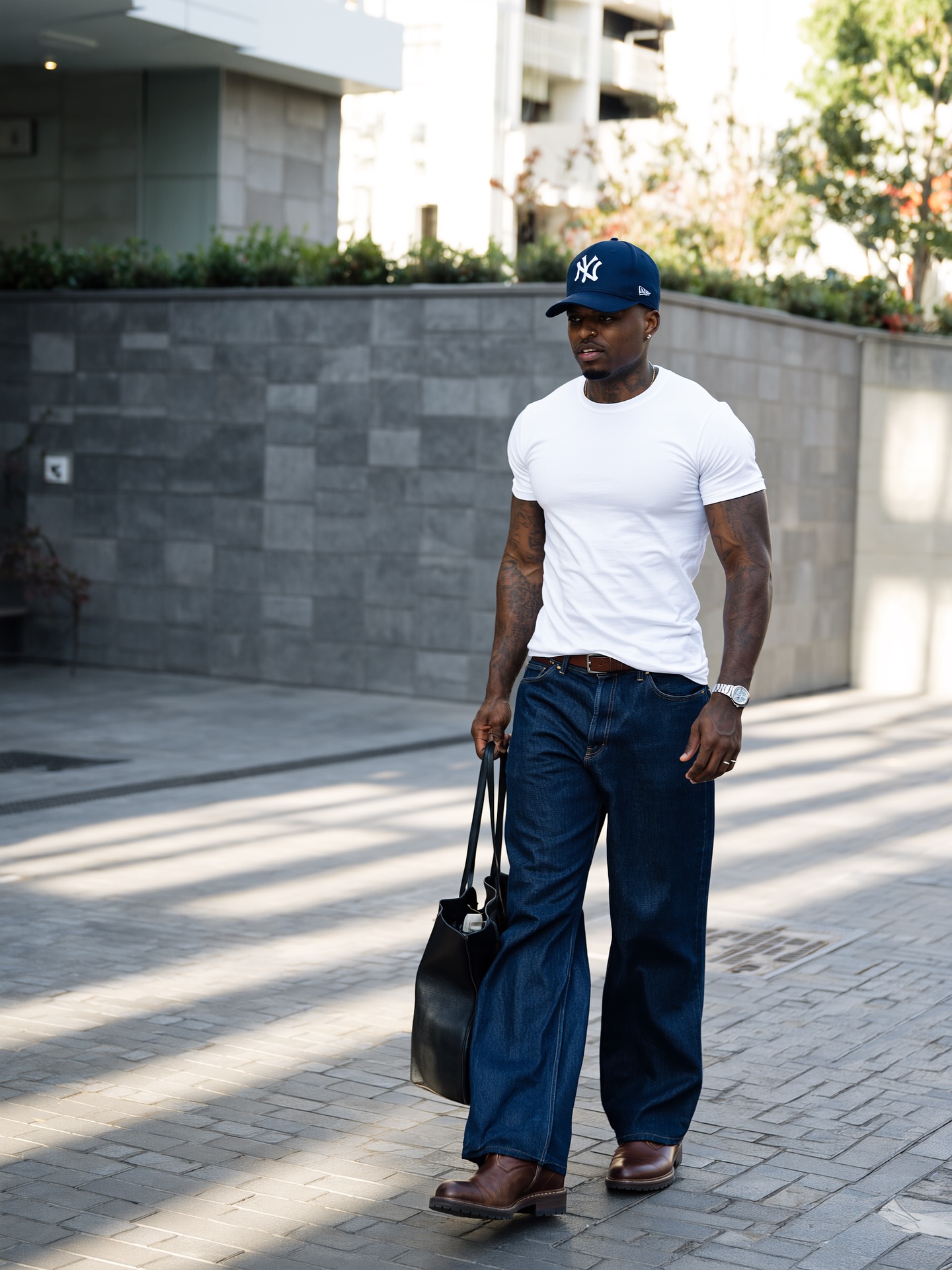
Fashion thrives on reinvention, yet the white T-shirt remains one of its most challenging pieces to reinterpret. Unlike a statement jacket or an extravagant coat, a plain white tee offers no distractions. Its simplicity removes the possibility of hiding behind dramatic shapes, bold patterns, or unexpected details. Therefore, every choice matters: from the weight of the fabric to the angle of the shoulder seam.
That is precisely why designers continue returning to it. The white T-shirt has become a test of precision, in which subtle adjustments create entirely different impressions. A heavier cotton jersey can give the garment structure and presence, while a softer, lighter fabric creates a more relaxed and effortless feel. Consequently, a wider neckline changes the way the face appears, a longer sleeve alters proportions, and a slightly different cut can transform the entire silhouette.
The evolution of the white T-shirt reflects the changing language of menswear. The slim fits that defined the early 2010s have gradually given way to broader shapes, relaxed sleeves, and roomier proportions influenced by vintage clothing and contemporary streetwear. Yet even the most oversized interpretations still depend on the same classic principles: balance, comfort, and confidence.
For designers, the difficulty lies in making something familiar feel new without losing the qualities that made it iconic in the first place. A white T-shirt cannot rely on novelty; it has to earn attention through craftsmanship, construction, and detail. The best versions often appear simple at first glance, but reveal thoughtful decisions in the way they drape, move, and interact with the body.
Ultimately, that adaptability is what keeps the garment relevant. A perfectly cut white T-shirt can anchor a fitted blazer, complement worn-in denim, or define the foundation of a minimalist wardrobe. It belongs equally to luxury fashion, everyday style, and self-expression. Few garments move between those worlds with such subtle confidence, which is precisely why designers keep finding new ways to revisit an old classic.
What Makes a Good White T-Shirt?
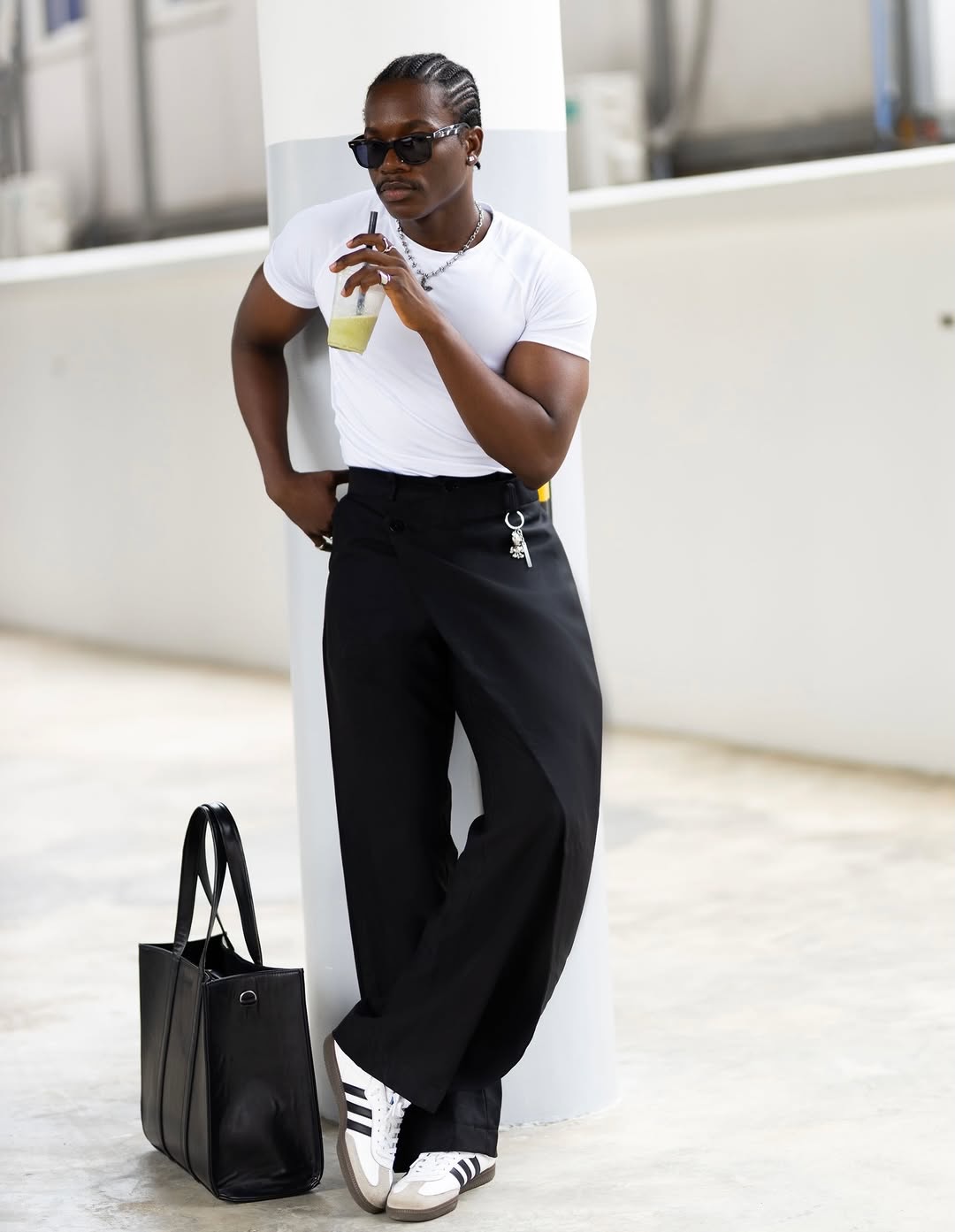
Not every white T-shirt earns a permanent place in a wardrobe. At first glance, most look almost identical. However, the difference between an average tee and an exceptional one becomes clear through years of wear, careful construction, and deliberate design.
Fabric Is the Foundation
Fabric is the foundation of every great white T-shirt. High-quality cotton should feel soft while maintaining enough structure to hold its shape. In addition, a balanced fabric weight prevents the shirt from feeling either flimsy or unnecessarily heavy. The best versions combine comfort with durability.
The neckline also deserves attention because it frames the entire garment. A well-made crew neck should retain its shape after repeated washing. Otherwise, a stretched or curling collar can make even premium cotton look worn. That small detail often separates quality from compromise.
Fit Defines the Look
Fit remains the single most important factor. A well-cut white T-shirt ought to follow the body without feeling restrictive. Meanwhile, the shoulder seams should sit naturally, and the sleeves should fall cleanly around the upper arm. The overall length should also work whether worn tucked in or untucked.
Menswear has rarely settled on one silhouette for long. Slim fits defined the early 2010s before oversized styles reshaped modern wardrobes. Today, many of the strongest white T-shirts strike a middle ground. They feel relaxed enough for contemporary style while retaining clean, tailored proportions.
Construction and Durability Matter
Construction is equally important, although it often goes unnoticed. Reinforced seams, consistent stitching, and clean finishing improve comfort and longevity. As a result, a well-made T-shirt withstands regular wear without losing its structure. Those details rarely attract attention, yet they define lasting quality.
Durability has become increasingly important as premium basics continue to evolve. Rather than replacing worn-out essentials every season, many men now prefer garments that improve with age. A quality white T-shirt should soften over time while preserving its fit and overall structure.
Choosing the Right Shade and Value
Color plays a larger role than many people realize. Some brands favor a crisp, bright white for a cleaner appearance. Others choose softer off-white shades that create a subtle vintage character. Neither approach is better; the right choice depends on personal style and the rest of the wardrobe.
Price alone does not determine quality. Some of the finest white T-shirts come from brands focused on well-made essentials instead of luxury labels. Ultimately, understanding fabric, fit, and construction matters far more than spending more money.
That lasting appeal explains why the white T-shirt continues to define modern menswear. Its simplicity leaves no room for poor craftsmanship or unnecessary decoration. When every detail comes together, the result feels effortless. Few garments demonstrate that principle more convincingly.
Shop editor’s picks
Featured image: BLKVIS
—Read also