


Since the early days of orthodontics, the field has come a long way from cumbersome metal braces and frequent, time-consuming adjustment visits. Today, advancements in technology have completely transformed orthodontic treatments, making them faster, more comfortable, and significantly more discreet.
For instance, one of the most remarkable innovations is digital orthodontic imaging, which streamlines the entire process—from diagnosis to treatment planning—while enhancing precision and patient comfort. These modern breakthroughs not only elevate the patient experience but also deliver more reliable and aesthetically pleasing results.
Check out the current developments that drive the evolution of orthodontic medical practice…
#1. Digital Imaging and 3D Scanning
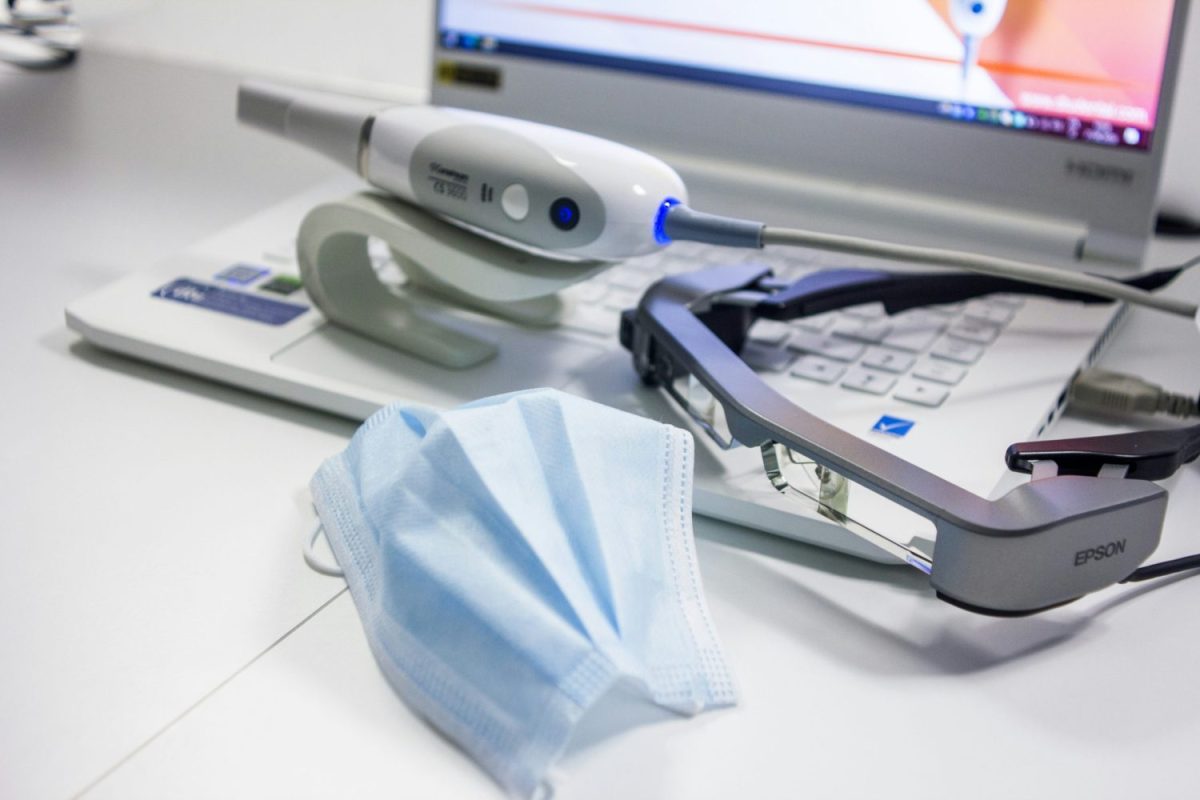
Digital orthodontic imaging and 3D scanning technology have revolutionized modern orthodontics, replacing traditional molds with precise, efficient, and patient-friendly alternatives.
- One standout innovation is the handheld Intraoral Scanner, which quickly captures high-quality 3D images of dental anatomy and tissue structure. This technology not only delivers rapid results but also ensures a comfortable and hygienic experience—an upgrade from the often cumbersome and messy process of taking traditional molds.
- Orthodontists can now generate accurate, personalized treatment plans using sophisticated software, thanks to digital scanning. This improvement enhances the function of custom appliances like braces and clear aligners, leading to better outcomes with fewer surprises.
- Plus, patients benefit from enhanced transparency as they can visualize their treatment predictions through detailed 3D models—an option provided by many clinics, including Upper East Side orthodontist. These visualizations make the treatment process more relatable and engaging.
- Moreover, digital record storage offers a streamlined, waste-free system compared to physical molds, simplifying office procedures and increasing efficiency.
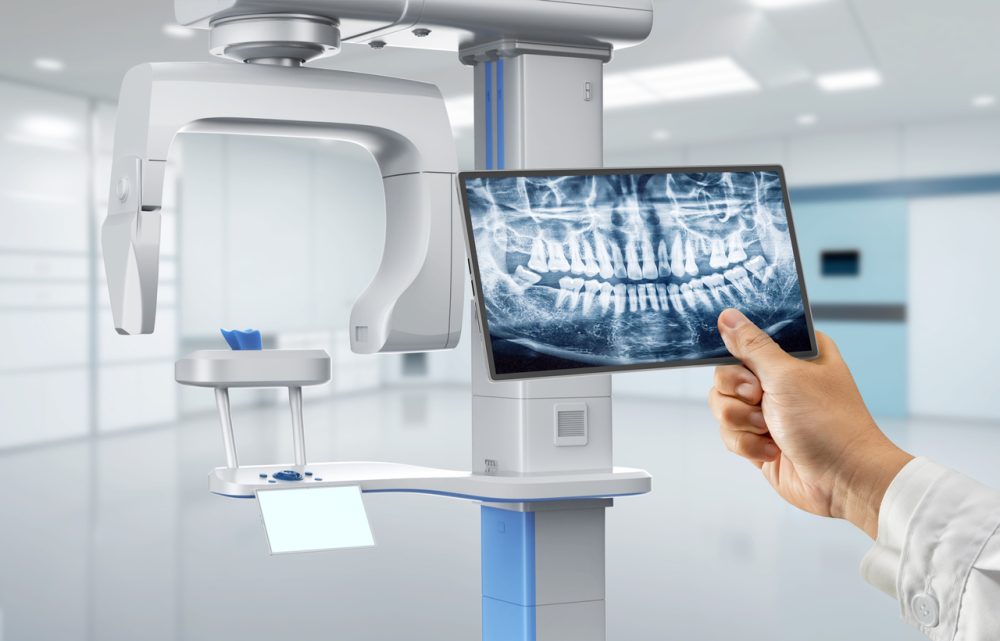
Ultimately, integrating digital imaging and 3D scanning into orthodontic practice has brought a dynamic shift in diagnosis and planning, creating a more positive and informed patient care journey.
#2. Clear Aligners and Smart Technology
Clear aligners have transformed orthodontics by offering a nearly invisible, convenient alternative to traditional braces. Now, with the integration of smart technology, these aligners are becoming even more efficient and effective. In fact, a recent study revealed that dental technology plays a role in over 90% of orthodontic procedures, highlighting its growing impact.
- Modern clear aligners are crafted from durable thermoplastic compounds, designed to provide both comfort and resilience. These materials apply gentle yet consistent pressure, optimizing tooth movement for more effective results.
- Among the latest innovations are SmartTrack and SmartForce features, which use advanced materials similar to Invisalign to create a snug fit while delivering precise, controlled forces throughout treatment.
- Adding to the convenience, many clear aligner companies now offer monitoring apps that enable patients to track their progress remotely using smartphone scans. This digital innovation not only reduces the need for frequent office visits but also builds patient confidence—59% of patients report they would trust a dentist more when AI technology supports their care.
The technological advancements behind clear aligners have also broadened their use, making them suitable for more complex orthodontic cases beyond just minor misalignments. As a result, more patients than ever can benefit from this modern approach to orthodontic care.
#3. Accelerated Orthodontics
Traditional orthodontic methods typically require one to three years of treatment. However, thanks to advancements in accelerated techniques, patients can now achieve their desired results in significantly less time.
- One of the most promising innovations is the VPro+ and similar vibration devices from Propel. These devices safely generate vibrations to promote bone remodeling, thereby speeding up tooth movement. To benefit, patients simply bite onto the device for short periods each day.
- Another technique gaining popularity is micro-osteoperforation. This involves creating small perforations in the bone tissue adjacent to the teeth. This process activates natural healing responses, effectively increasing the speed of tooth movement.
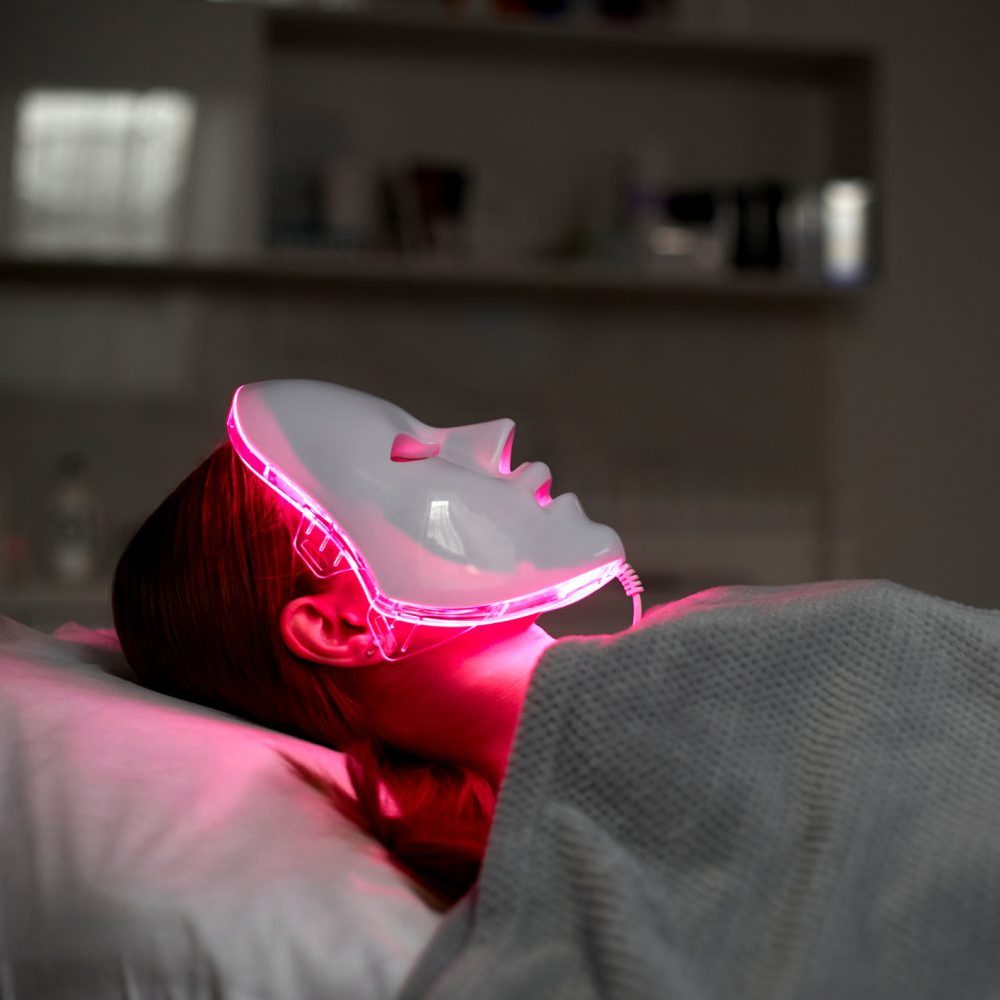
- Additionally, photobiomodulation therapy, a low-level laser therapy (LLLT), utilizes light energy to stimulate cellular activity within bone tissue and the periodontal ligament. This enhancement of cellular functions contributes to faster, more efficient orthodontic treatment.
- Moreover, modern braces now feature heat-sensitive wires that adapt to body temperature, optimizing pressure application and further accelerating the process.
These innovative approaches appeal particularly to adults and professionals seeking faster and more comfortable treatments, such as those offered by practices like Smiles + Grins.
#4. Self-Ligating Braces and Low-Friction Systems
In traditional braces, elastic bands and metal ties are essential for securing wires to brackets. However, self-ligating braces present a game-changing alternative.
- The self-ligating design incorporates special clips and door mechanisms that eliminate the need for elastic ties.
- The key advantage of self-ligating systems is their reduced friction. The design allows wires to move more freely within the brackets, speeding up tooth alignment while minimizing patient discomfort.
- Additionally, since the brackets don’t use elastic ties, maintaining oral hygiene becomes much easier, as there’s less risk of food particles getting trapped.
- Another major benefit is the reduced number of adjustment sessions, which not only shortens the overall treatment time but also saves patients from frequent trips to the orthodontist.
Leading teeth-straightening brands have embraced this technology, offering patients a more comfortable and efficient alternative to traditional systems.
Final Thoughts
The field of orthodontics is evolving at a remarkable pace as healthcare providers continually strive to enhance treatment outcomes, comfort, and accessibility. Thanks to innovations like digital imaging and 3D dental scanning, orthodontists can now plan treatments with unprecedented precision and accuracy.
Moreover, the rise of discreet treatment options, such as clear aligners enhanced by smart technology, has transformed the patient experience. These advancements offer more convenient and effective alternatives, making the journey to a stunning smile less daunting and far more comfortable.
As a result, modern orthodontic solutions are now more accessible to a wider range of patients, from adults seeking subtle corrections to parents looking for the best care for their children. This progress ensures that achieving a healthy, beautiful smile is not only more efficient but also more attainable than ever before.
Featured image: PeopleImages/iStock
For the latest in fashion, lifestyle, and culture, follow us on Instagram @StyleRave_
—Read also