

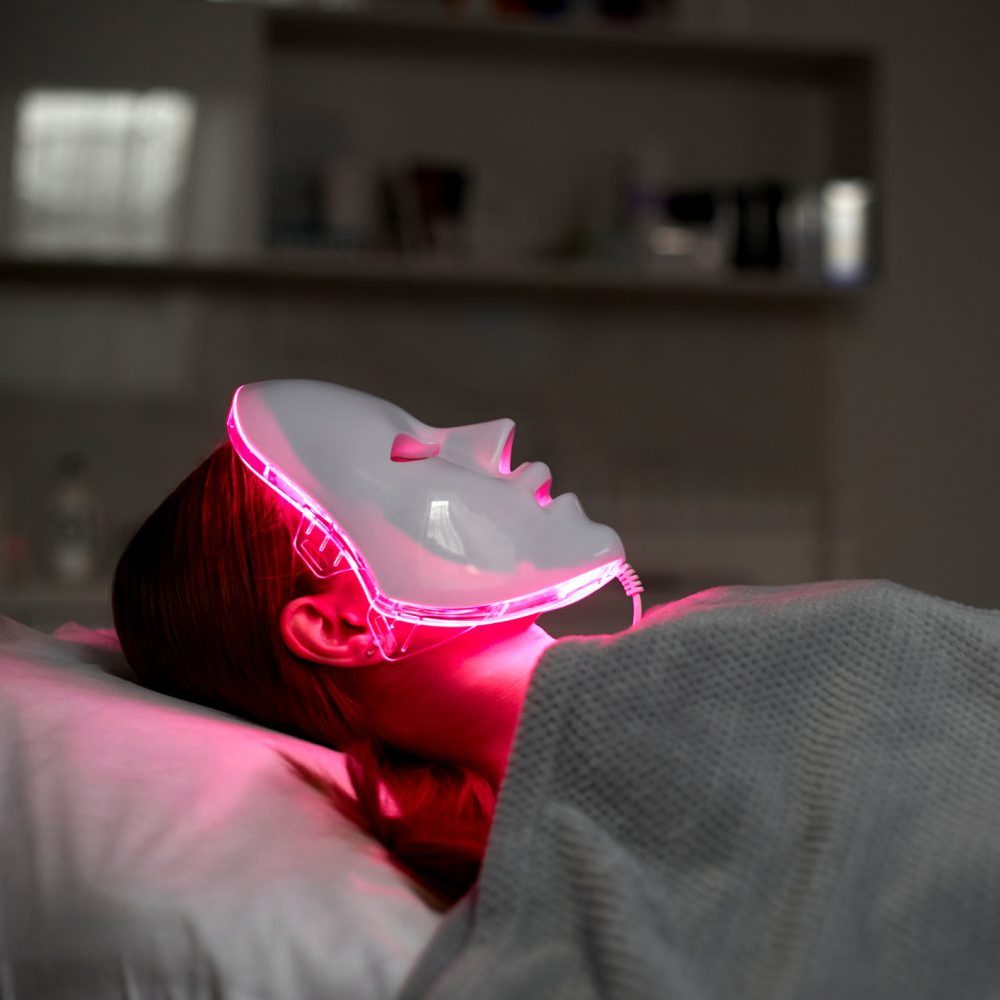

Red light therapy has become a popular choice for treating various skin conditions, including wrinkles, acne, eye bags, and dark spots. While you can visit a certified professional for treatment, many people are opting for the convenience of home therapy. As a result, the market is now flooded with countless red light therapy devices, offering more choices than ever before.
However, with so many options available, finding the best red light therapy panel can feel overwhelming, especially if you’re not sure where to start. But don’t worry, we’ve got you covered! To make your search easier, we’ve put together a comprehensive guide on how to choose the perfect red light unit. Keep reading to discover everything you need to know.
What are the different types of red light therapy panels?
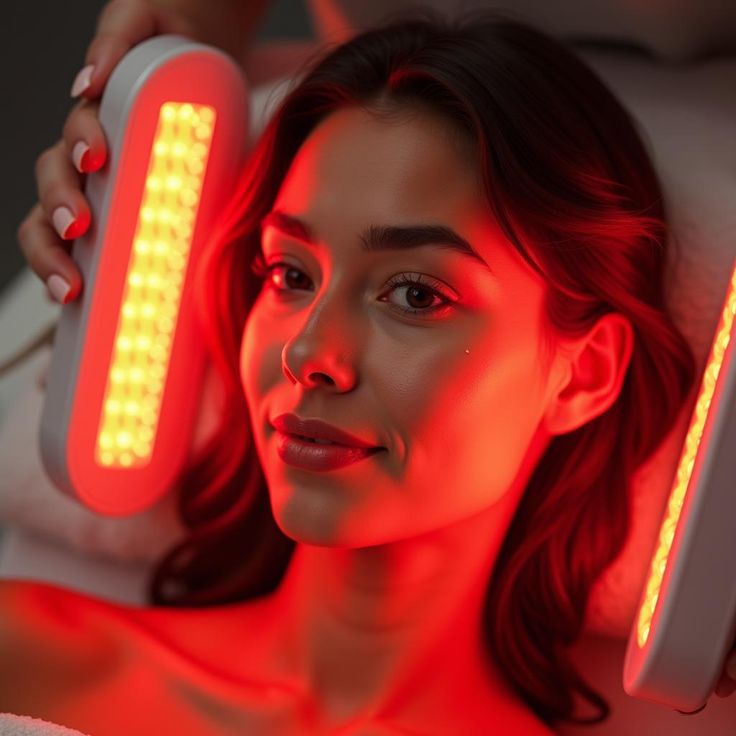
There are three main types of red light therapy, but the most commonly used are red and near-infrared light. While both offer significant skin benefits, they work in slightly different ways.
Red light features shorter wavelengths that you can actually see, but it doesn’t penetrate as deeply into the skin. It’s ideal for treating surface-level concerns like acne, hair loss, burns, and yeast infections. In contrast, near-infrared light has longer wavelengths that are invisible to the naked eye. You won’t see it, but you’ll feel its warmth as it penetrates deeper into the body. This makes it particularly effective for addressing issues related to joints, muscles, and bones.
To make the right choice, consider the specific treatment you need. Once you know your focus, selecting the most suitable red light therapy device becomes much easier.
Here’s what you need to consider before buying an RLT device

Before purchasing a red light therapy panel, take your time to research and read reviews to ensure it’s the right fit for your needs. Rushing into a decision could lead to buyer’s remorse—or worse, a device that ends up gathering dust. To make a confident choice, consider the following key factors.
#1. Do You Want to Treat a Specific Area or a Larger Surface?
One of the most important decisions when choosing a red light therapy device is determining the treatment area. If your goal is to address a smaller spot, like your face or a localized skin issue, opt for a compact device. Face masks, handheld wands, and portable panels are great for these needs. Plus, they’re lightweight and easy to carry.
However, if you’re targeting a larger area, like your back or torso, you’ll need a full-body device. These panels are typically heavier and less portable but offer broader coverage and efficiency for extensive treatments.
#2. Do You Want to Treat a Surface Issue or Something Deeper?
Understanding your specific concern is crucial for choosing the right type of red light. As mentioned earlier, red light therapy works best for surface-level issues such as acne, scars, or general skincare routines. On the other hand, near-infrared light therapy penetrates deeper, making it more suitable for muscle recovery, joint pain, or deeper tissue issues.
If your primary goal is skincare, a standard red light device will suffice. But if you’re looking to alleviate muscle pain or improve athletic performance, an infrared device is your best bet. Consulting with your healthcare provider can help you make an informed decision.
#3. Is It Just for You, or Will Family Members Use It Too?
If you’re planning to share your red light therapy device with family, a larger, more versatile model might be the way to go. Red light therapy has numerous benefits that cater to a variety of needs—one person may want it for skincare, while another might use it for muscle performance and exercise recovery.
In this case, a medical-grade red light therapy device that emits both red and near-infrared light is ideal. This dual functionality ensures that everyone in the household can benefit, regardless of their specific needs. By taking these factors into account, you’ll make a more thoughtful and practical investment, ensuring your device doesn’t end up collecting dust.
Conclusion
Red light therapy (RLT) is becoming increasingly popular as more people recognize its potential for treating a variety of conditions. With the growing availability of at-home devices, many are choosing RLT as a convenient and cost-effective alternative to professional treatments. Investing in a home unit can help you save on doctor’s fees, whether you’re targeting minor skin issues or addressing deeper, more chronic conditions.
However, before making a purchase, it’s essential to consult a healthcare professional. Using the wrong type of device for your specific concern could do more harm than good. Whether you’re dealing with persistent skin issues or seeking relief from muscle pain, professional guidance will help you choose the most suitable RLT option.
Featured Image: Andrei Orlov/iStock
For the latest in fashion, lifestyle, and culture, follow us on Instagram @StyleRave_
—Read also