



Experiencing stress and anxiety while traveling is more common than you might realize. Imagine booking your flights, finding a nice hotel room, and packing your bags, only to spend the journey to the airport wondering whether you remembered your passport. Or perhaps you arrive at your destination, check into the hotel, and suddenly feel overwhelmed by unfamiliar surroundings or crowded streets.
The fear of forgetting something important, navigating unfamiliar environments, dealing with crowds, and overcoming language barriers can all contribute to travel anxiety, making it difficult to relax. If these scenarios sound familiar, you are not alone. Thankfully, there are practical ways to make the experience easier and give yourself more room to actually enjoy the journey.
Here are the most common sources of travel anxiety and how to avoid them…
#1. Fear of Forgetting Essentials

Forgetting something important can instantly disrupt your vacation. You might leave your passport at home and have to turn back for it, risking a missed flight, or end up wearing uncomfortable glasses throughout the trip because you forgot your contact lenses.
To ease the anxiety, prepare ahead of time. Create a checklist of essential items and use it as you pack. Then, check the most important items again right before leaving, including your tickets, passport, medication, phone, wallet, and keys.
Just be careful not to overdo it. Trying to prepare for every possible situation can become an even bigger source of stress. Focus on the essentials and remember that most forgotten items can be replaced after you arrive.
#2. Planning Pressure
If you are visiting a destination for the first time, you might feel pressured to see and experience everything it has to offer. However, running around the city from one attraction to another can leave you exhausted and stressed by the end of the day.
When planning, do not feel obligated to include everything enticing you find online. Pick one or two main attractions or activities per day, then leave the rest of your schedule open. You can always add something if you have the time and energy.
Traveling with someone else? Communicate your boundaries, discuss your priorities in advance, and be willing to say no when needed. A good vacation does not have to mean doing everything together.
#3. Feeling Unsafe
For many people, traveling does not always feel safe. You may arrive in an unfamiliar location where people speak a different language, and the local customs or rules are new to you. You might also worry that you will not know how to ask for help if something goes wrong.
Anxiety can sometimes make unfamiliar surroundings feel more threatening than they are. Still, legitimate safety concerns should be taken seriously. Before arriving, research the city you are visiting. Look up local safety advisories, identify neighborhoods or situations to avoid, save emergency phone numbers, and learn the local laws and customs. You can also share your itinerary with someone you trust and keep copies of important documents in a secure place.
A little preparation can give you a greater sense of control without requiring you to anticipate every possible problem.
#4. Language Barriers
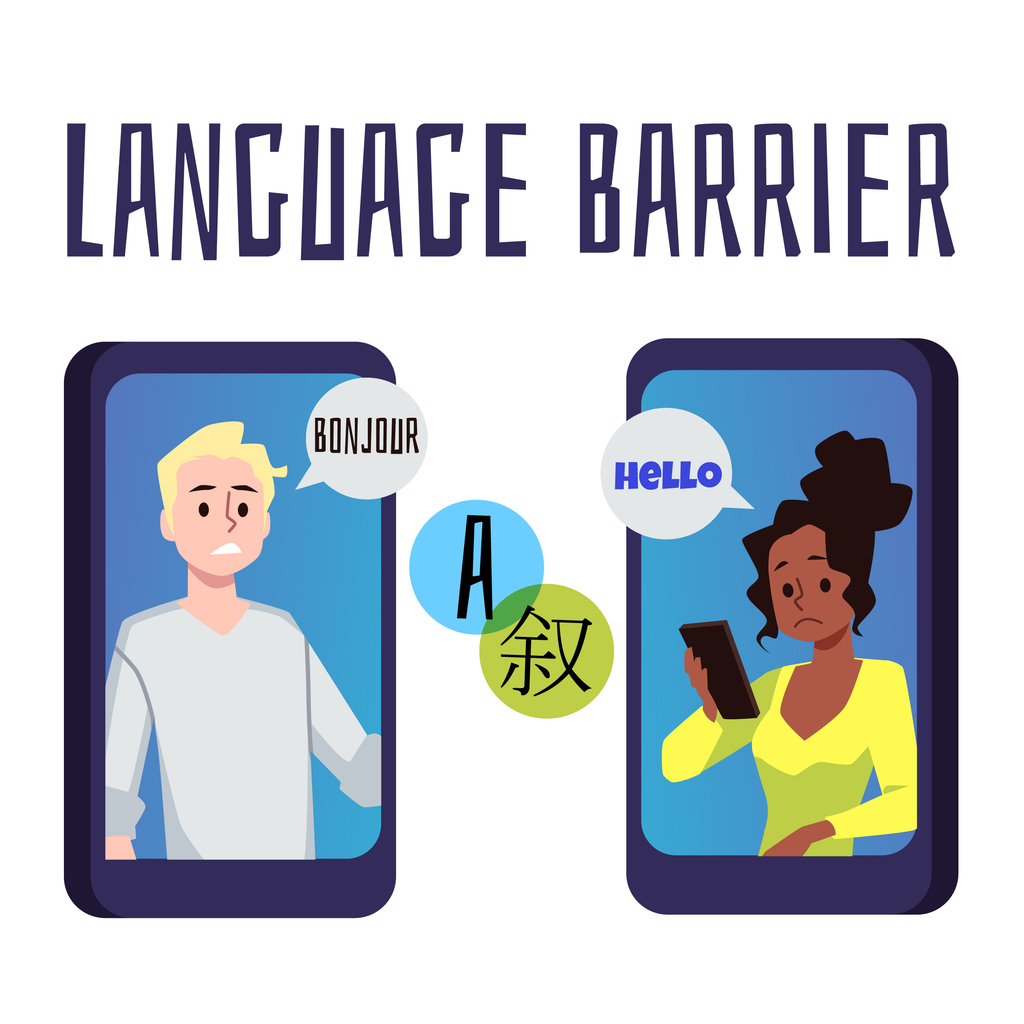
Communication is important, especially when you travel. You may need to navigate a new city, use public transportation or taxis, order food, or ask for assistance. In some situations, a language barrier can make an already stressful experience feel even more difficult.
To reduce unnecessary stress, learn a few essential phrases in the local language. “Hello,” “Thank you,” “No,” “Where is…?”, “How much?”, “Do you speak English?”, and “I need help” are useful places to start.
The rest can often be handled with a translation app on your phone. Because Wi-Fi may not always be readily available, consider downloading the relevant language for offline use before your trip. You can also get a reliable global eSIM plan so you can access maps, translation tools, and messaging when you need them.
You do not need to become fluent before your trip. Knowing a few useful phrases and having a backup way to communicate can be enough to make unfamiliar situations feel much more manageable.
#5. Large Crowds
As soon as you reach a city center, market, popular attraction, or beach, you may encounter large crowds of tourists. For someone sensitive to noise or crowded environments, the experience can quickly become overwhelming. Thankfully, you do not have to endure the busiest conditions every time you travel.
When possible, avoid staying in the most heavily visited parts of the city. Visit popular attractions early in the morning or later in the day, and choose routes away from the busiest areas. You can also travel during the off-season, when destinations are generally less crowded and often more affordable.
If you begin to feel overwhelmed, step into a quieter space, slow your breathing, and give yourself time to recover rather than forcing yourself to continue. Taking a break does not mean you are missing out; sometimes, it is what allows you to enjoy the rest of the day.
#6. Travel Costs
Traveling is not the cheapest hobby, but that does not mean you have to break the bank every time you leave home, even if your anxiety tells you otherwise. Create a travel budget that accounts for accommodations, transportation, food, activities, and shopping, and try to stick to it.
A good eSIM plan can also help cut travel costs by keeping you off expensive roaming charges. If you’re heading to the U.S., for example, the best eSIM for the USA is worth checking out before you go. Small savings like these can add up, especially on longer trips.
Make sure you also have extra money available in case something unexpected happens. Flight delays, lost items, and other surprises can disrupt the experience, but a separate emergency fund can make them easier to manage. Travel insurance or a credit card that offers appropriate travel protections may also help cover certain unexpected expenses. Always review the terms, limits, and exclusions before relying on either option.
Having a financial cushion can make unexpected expenses feel less overwhelming and give you one less thing to worry about while you are away.
A More Manageable Trip Is Possible
Traveling can be stressful, but preparation can make uncertainty easier to manage. Focus on the essentials, leave room in your schedule, and accept that it is impossible to control everything.
Delays, missed connections, unexpected crowds, and other situations may still happen, but they do not have to define the entire trip. Give yourself permission to adjust your plans, rest when needed, and experience the destination at a pace that works for you.
The goal is not to eliminate every source of stress before you travel. It is to give yourself enough preparation, flexibility, and breathing room so that the unexpected does not overshadow the experience.
Featured Image: Maksym Belchenko/iStock
—Read also