


A crisp carrot straight from the fridge and a bowl of roasted carrots may look like two very different foods, yet they can both bring valuable nutrients to the plate. The real question when comparing cooked vs. raw vegetable nutrition is not which one wins, but how preparation changes what your body gets from each vegetable. Heat can degrade some nutrients and increase the availability of others, so the healthiest plate often has room for both.
That matters because vegetables do not respond to cooking in the same way. Some lose part of their vitamin C when exposed to heat, while others become more useful sources of certain antioxidants after cooking. Then there is the practical side: cooking can make tough vegetables easier to eat, digest, and enjoy, which can ultimately encourage you to eat more of them. Rather than treating raw vegetables as automatically superior, it makes more sense to choose the preparation that suits the vegetable and the nutrient you want.
Are Raw Vegetables Healthier Than Cooked Vegetables?
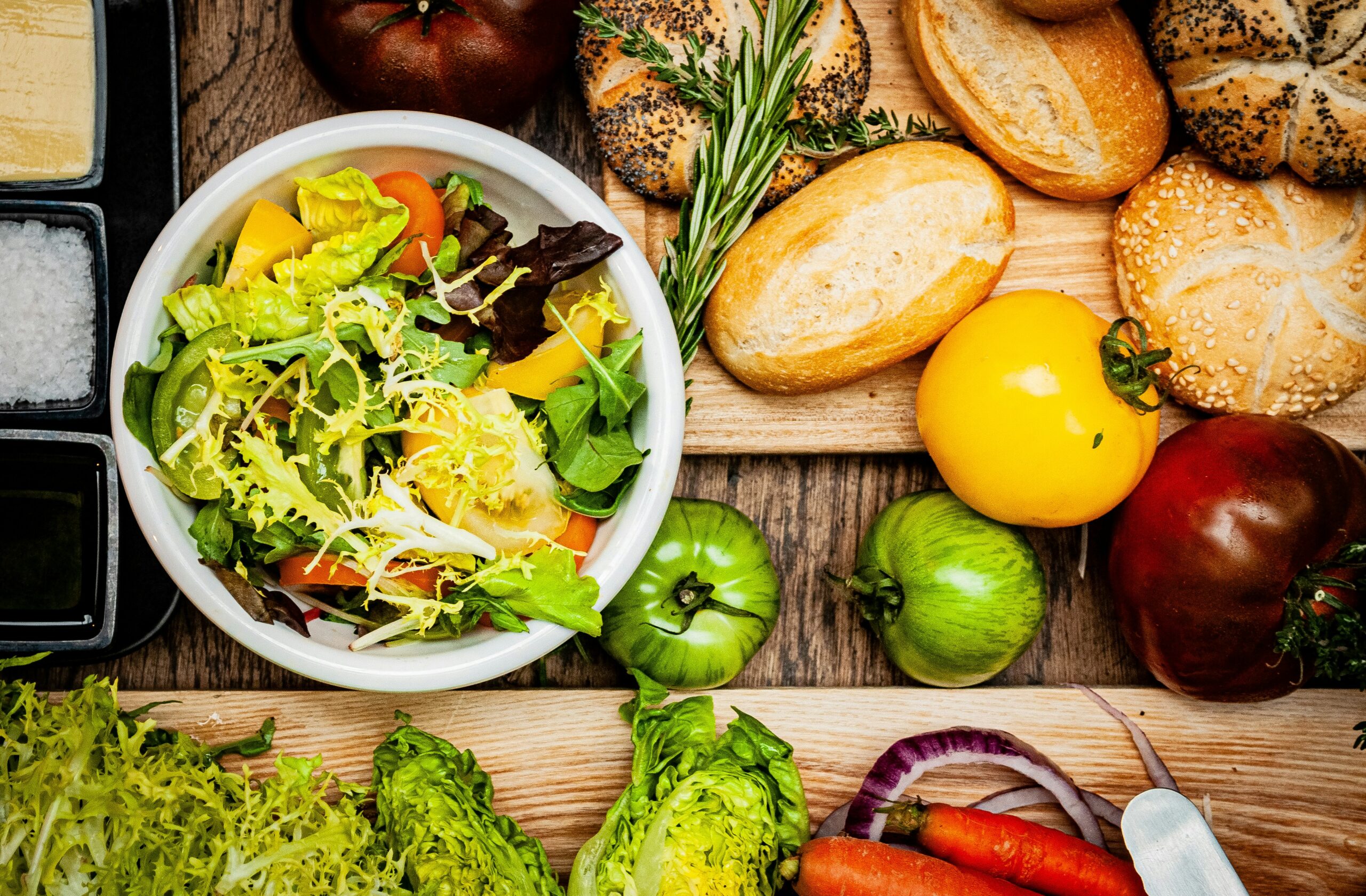
Raw vegetables retain nutrients that can be sensitive to heat and water, particularly vitamin C and some B vitamins. Eating vegetables raw can therefore be a useful way to preserve these nutrients, especially when they are fresh and prepared shortly before eating.
However, cooking has its own nutritional advantages. Heat can soften plant cell walls, making certain compounds easier for the body to access. Cooking tomatoes, for example, can increase the amount of lycopene the body can use, while gently cooked carrots can provide more accessible beta-carotene.
So, when looking at the nutritional value of vegetables, both cooked and raw options can offer different benefits. The better choice depends on the vegetable, cooking method, and nutrient in question rather than on a simple raw-versus-cooked rule.
What Happens to Vegetables When You Cook Them?
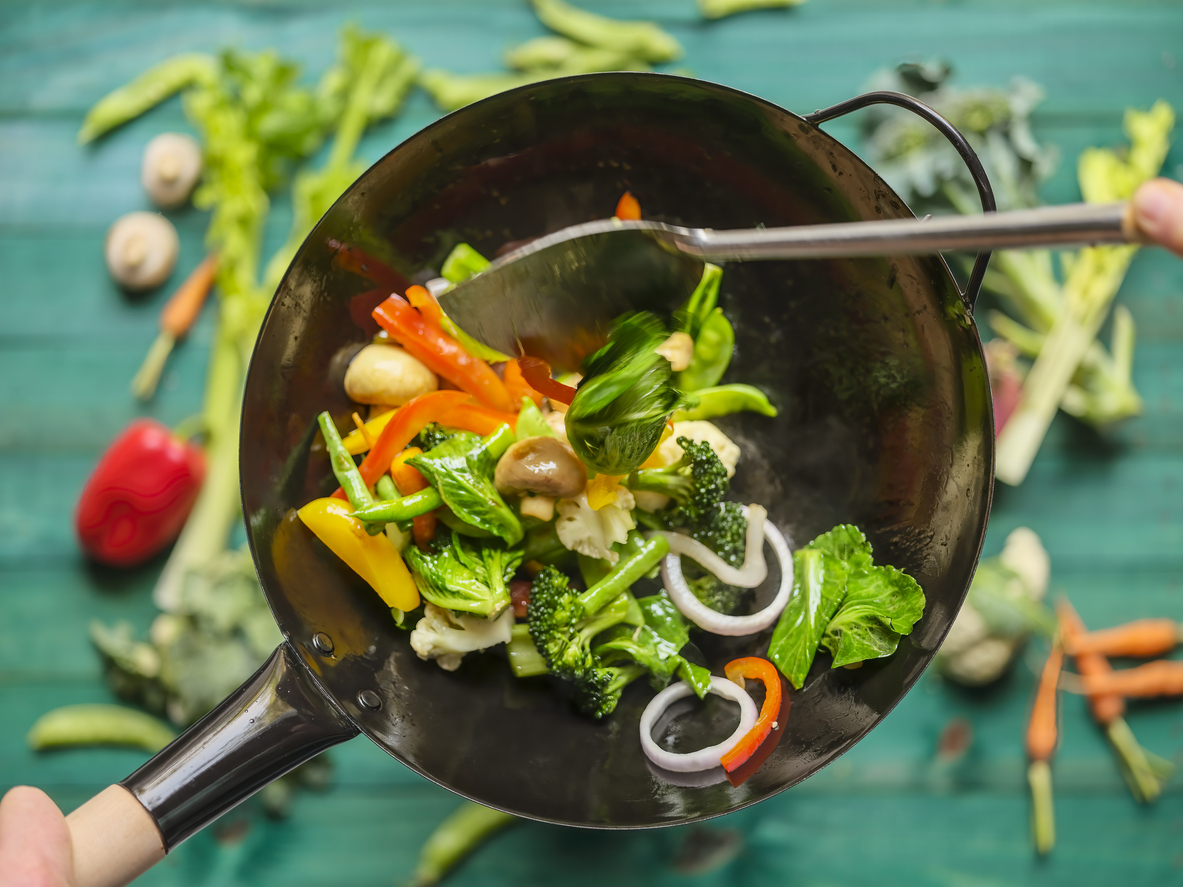
Heat changes the physical makeup of vegetables, which can influence their nutrients. Water-based cooking methods such as boiling can cause water-soluble nutrients to move out of the vegetables and into the cooking water. Vitamin C is particularly sensitive to heat, so prolonged cooking can reduce its levels.
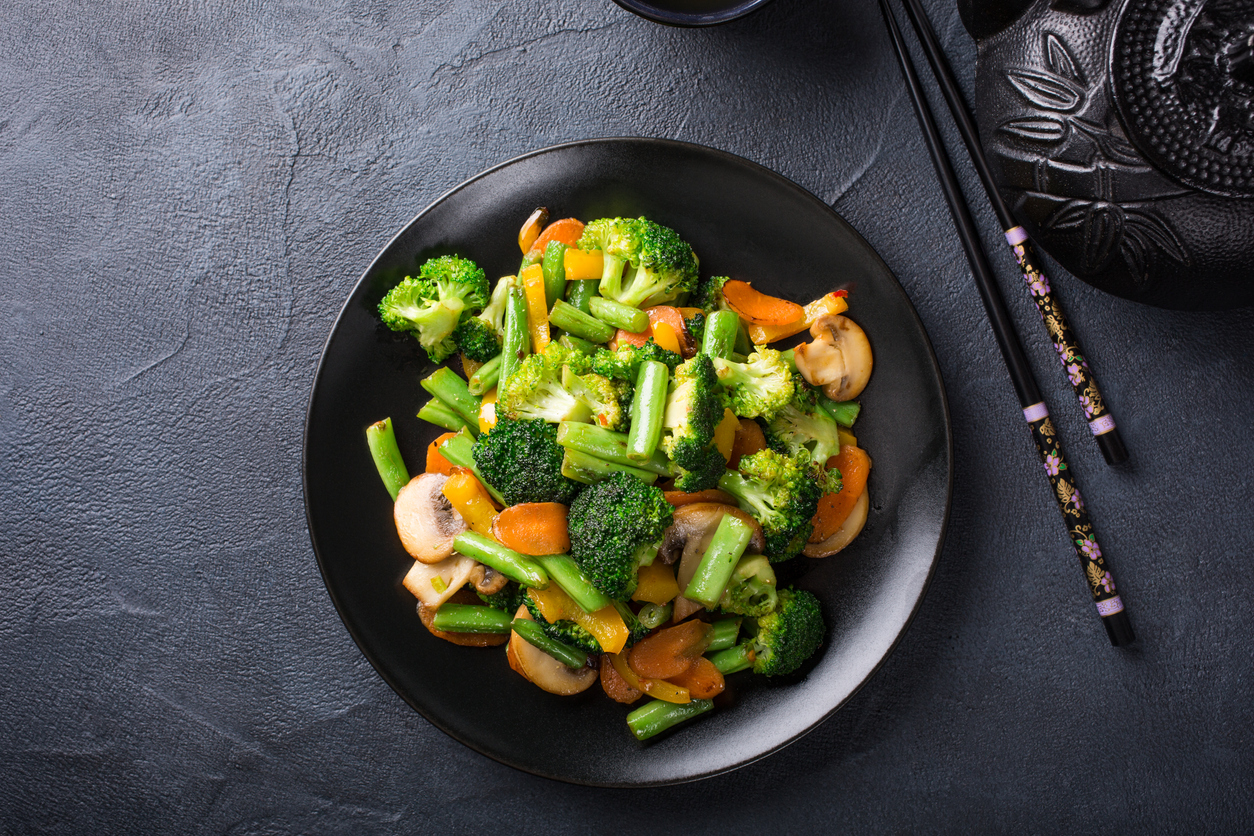
Steaming, microwaving, and quick stir-frying can help limit these losses because they generally use less water or require shorter cooking times. Roasting can also be useful, although very high heat and prolonged cooking can affect certain heat-sensitive nutrients.
This is why preparation matters almost as much as the decision to cook. A vegetable that is quickly steamed can have a very different nutritional profile from one that has been boiled for a long time.
Which Vegetables Are Better Raw?
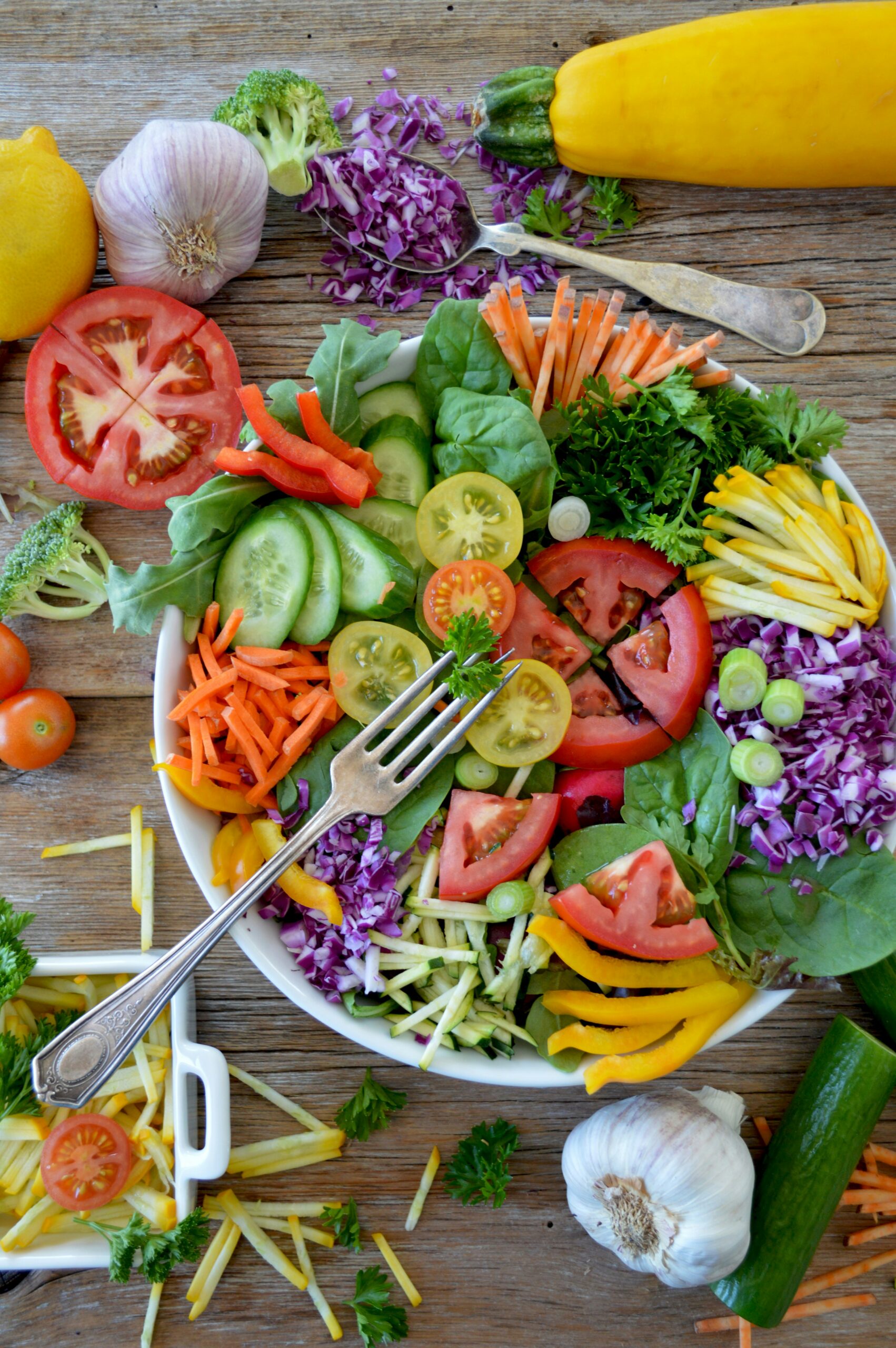
Some vegetables are particularly convenient and nutritious when eaten raw. Bell peppers, carrots, cucumbers, tomatoes, and leafy greens can all work well in salads, wraps, sandwiches, or simple snacks.
Raw bell peppers are especially useful when you want to maximize vitamin C intake, since this vitamin can decline with cooking. Fresh cabbage and broccoli also provide vitamin C and other plant compounds, although lightly cooking them can still leave them highly nutritious.
Raw vegetables can also provide satisfying crunch and volume, which can make meals more enjoyable while helping you build a plate around nutrient-rich foods.
Which Vegetables Should Not Be Eaten Raw?
Not every vegetable is a good candidate for eating raw. Some, such as potatoes, should not be eaten raw because they contain compounds that can cause digestive problems and other adverse effects when consumed in significant amounts.
Other vegetables, including cassava, require proper preparation and cooking because naturally occurring compounds can make them unsafe when improperly prepared. Kidney beans are another important example, although they are legumes rather than vegetables in the everyday culinary sense, because raw or undercooked beans can contain high levels of phytohemagglutinin.
Cooking also makes certain vegetables considerably easier to chew and digest. Tough greens, dense root vegetables, and some types of squash can become much more practical to eat after cooking.
Does Cooking Destroy the Nutrients in Vegetables?
Cooking does not simply destroy all the nutrients in vegetables. Instead, it changes them in different ways.
Some nutrients decrease with heat, while others become more available. Vitamin C is vulnerable to heat and water, whereas carotenoids such as beta-carotene can become easier to absorb after cooking. Fat also matters here because some fat-soluble compounds are absorbed more effectively when vegetables are eaten with a source of dietary fat.
This means a small amount of olive oil on cooked vegetables can be more than a flavor choice. It can help your body absorb certain fat-soluble compounds found in vegetables.
Which Is Better for Weight Loss?
Both raw and cooked vegetables can support weight management because they generally provide nutrients relative to their calorie content. The bigger issue is what gets added during preparation.
A bowl of steamed broccoli remains a low-calorie, nutrient-rich option, while broccoli roasted in a generous amount of oil can become considerably more calorie-dense. The same applies to creamy sauces, cheese-heavy toppings, and fried vegetable dishes.
For weight loss, the smartest approach is therefore not to avoid cooked vegetables but to pay attention to preparation and portion sizes. Raw vegetables can provide crunch and volume, while cooked vegetables can make satisfying meals easier to build.
Cooked vs. Raw: Which Should You Choose?
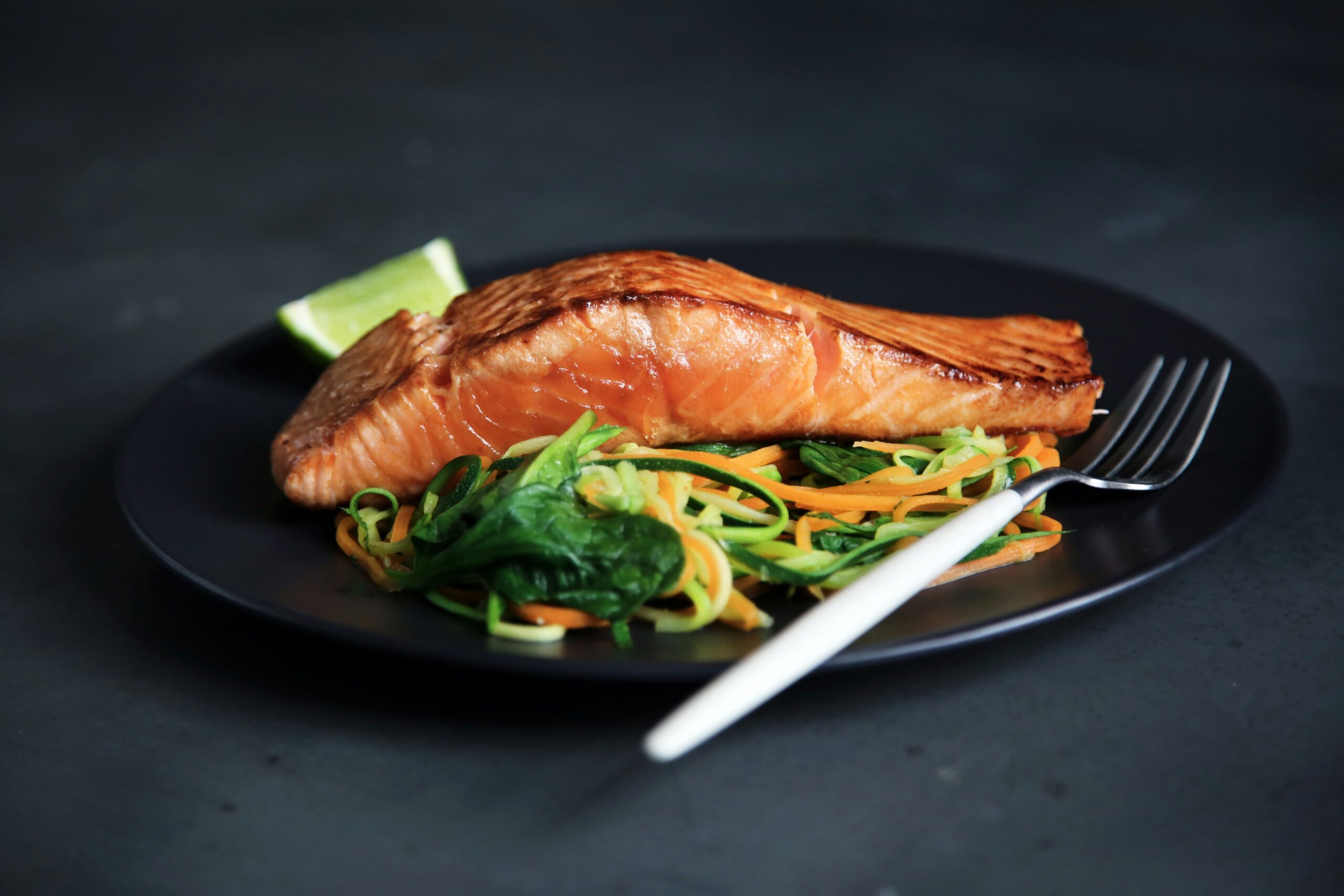
There is no need to pick a permanent winner since different preparation methods can offer different nutritional advantages.
Use raw vegetables when you want fresh crunch and to preserve heat-sensitive nutrients, then cook other vegetables when heat improves their texture or makes certain nutrients easier to access. Steaming, quick sautéing, roasting, and microwaving can all be useful choices, depending on the vegetable.
Ultimately, a plate filled with different vegetables is more important than insisting that every vegetable arrive raw. Getting adequate nutrition from vegetables, both cooked and raw, works best as a combination, giving you more ways to eat a wider range of colorful, nutrient-rich foods without turning healthy eating into another set of rigid rules.
Featured image: Merinka/iStock
The Vascular-Focused Diet Is Suddenly Everywhere—Who Actually Needs It?