

Mental illness doesn’t always look the way the world imagines it. Sometimes it wears a flawless red carpet gown, drops a viral verse, or sits comfortably in a polished interview chair. In many Black communities, mental health struggles are often met with silence or masked as strength. Bipolar disorder in particular remains deeply misunderstood—frequently associated with extremes, instability, or shame. Yet, when high-profile Black celebrities step forward to share their experiences, something shifts. They crack the silence open and let truth pour through.
This kind of honesty does more than normalize the conversation. It puts real, recognizable faces to a condition many feel pressured to hide. For Black folks especially, it reinforces that success and struggle can coexist. More importantly, it reminds anyone watching that seeking help isn’t weakness. It’s a profound act of self-love.
Signs of Bipolar Disorder
Bipolar disorder is often mistaken for moodiness, stress, or even personality quirks. However, it is far more complex. The condition is marked by intense mood episodes that alternate between emotional highs and deep lows.
Some common signs include:
- Sudden and extreme mood changes.
- Periods of unusually high energy or activity, followed by fatigue or depression.
- Risk-taking behavior that feels out of character.
- Difficulty sleeping or needing very little sleep.
- Racing thoughts or pressured speech during manic phases.
- Intense sadness, hopelessness, or withdrawal during depressive episodes.
- Difficulty concentrating or making decisions.
- Feeling out of control or trapped in an emotional rollercoaster.
These signs don’t mean someone is broken. They mean their brains function differently and that they deserve support, not stigma.
Here Are Celebrities Who Helped Break the Stigma Around Bipolar Disorder…
#1. Mariah Carey
View this post on Instagram
In 2018, Mariah Carey revealed her bipolar II diagnosis—nearly 17 years after first being told. She stayed silent for years, fearing public judgment and industry backlash. When she finally opened up, she described the moment as freeing. Her story shows that success doesn’t erase mental illness, and that the right treatment—therapy, medication, and support—can restore balance. Mariah’s transparency permitted countless others to speak their truth without shame.
#2. Jenifer Lewis
View this post on Instagram
Jenifer Lewis spent decades performing through the highs and lows of undiagnosed bipolar disorder. By the time she received her diagnosis in her forties, she had already survived broken relationships, self-sabotage, and profound emotional pain. Therapy and medication transformed her life, giving her clarity and peace. Her story resonates deeply with older Black women who were taught to endure rather than express. Jenifer reminds us that healing isn’t just private. It can be proudly public.
#3. Azealia Banks
View this post on Instagram
Azealia Banks has long been at the center of controversy, but in recent years, she has openly addressed her bipolar diagnosis. For years, the public dismissed her outbursts as aggression or chaos. Her honesty forced many to reconsider their perceptions. Her story highlights the lack of empathy Black women often receive when they struggle openly. It also expands the narrative: even those who don’t fit into “polite” or predictable boxes deserve care, understanding, and healing.
#4. Jhene Aiko
View this post on Instagram
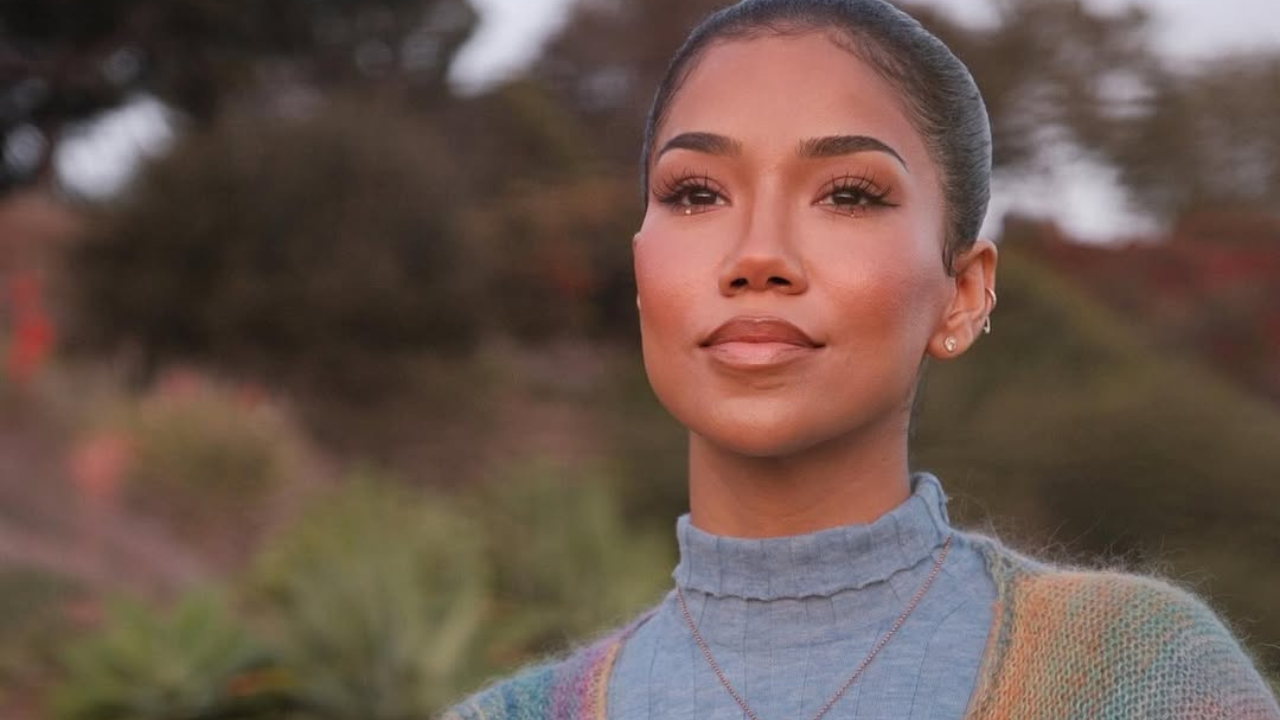
Though Jhene Aiko hasn’t publicly confirmed a bipolar diagnosis, her music and interviews often mirror the emotional waves associated with mood disorders. She has spoken openly about grief, trauma, and inner turmoil—experiences that resonate deeply with many. Through mindfulness, therapy, journaling, and holistic healing, she has crafted a wellness practice that inspires others seeking balance. Jhene shows that coping can be gentle, spiritual, and continuous.
#5. Ye
View this post on Instagram
Ye’s journey with bipolar disorder has unfolded on some of the world’s biggest stages. Diagnosed in 2018, he has spoken candidly about both accepting and resisting treatment. His public episodes have been met with concern, ridicule, and confusion, revealing just how unprepared society is to witness mental illness in real time. Despite the chaos, his visibility forces necessary conversations. His story isn’t tidy, but it underscores a crucial truth: people with bipolar disorder are human, complex, and worthy of compassion—even when they’re difficult to understand.
Coping With Bipolar Disorder
There is no one-size-fits-all solution, but bipolar disorder can be managed. The key is ongoing, intentional support. Cognitive behavioral therapy (CBT) helps identify triggers and build healthier patterns. Medication can stabilize mood swings and bring essential balance. Lifestyle habits, such as consistent sleep, exercise, and reduced stimulants, also play a transformative role.
Support systems matter, too. Friends, family, and online communities provide understanding and accountability. Above all, self-awareness is a daily practice: journaling emotions, setting boundaries, and showing yourself grace during the tough days.
Conclusion
Mental health stigma still runs deep in Black communities. It hides in silence, side-eyes, and “pray it away” responses. But voices like Mariah Carey, Jenifer Lewis, and Azealia Banks are slowly dismantling those walls. They remind us that a diagnosis isn’t an ending. It’s the beginning of understanding, compassion, and change. The more we listen to stories like theirs, the better we become at supporting one another.
Their openness offers more than awareness. It offers a mirror for those suffering quietly and a microphone for those ready to step into the light.
Featured image: @jheneaiko/Instagram
Medical Disclaimer
All content found on the StyleRave.com website, including text, images, audio, video, and other formats, is created for informational purposes only. The content is not intended to be a substitute for professional medical advice, diagnosis, or treatment. If you think you may have a medical emergency, please call your doctor, go to the nearest hospital, or call 911 immediately, depending on your condition.
—Read also