
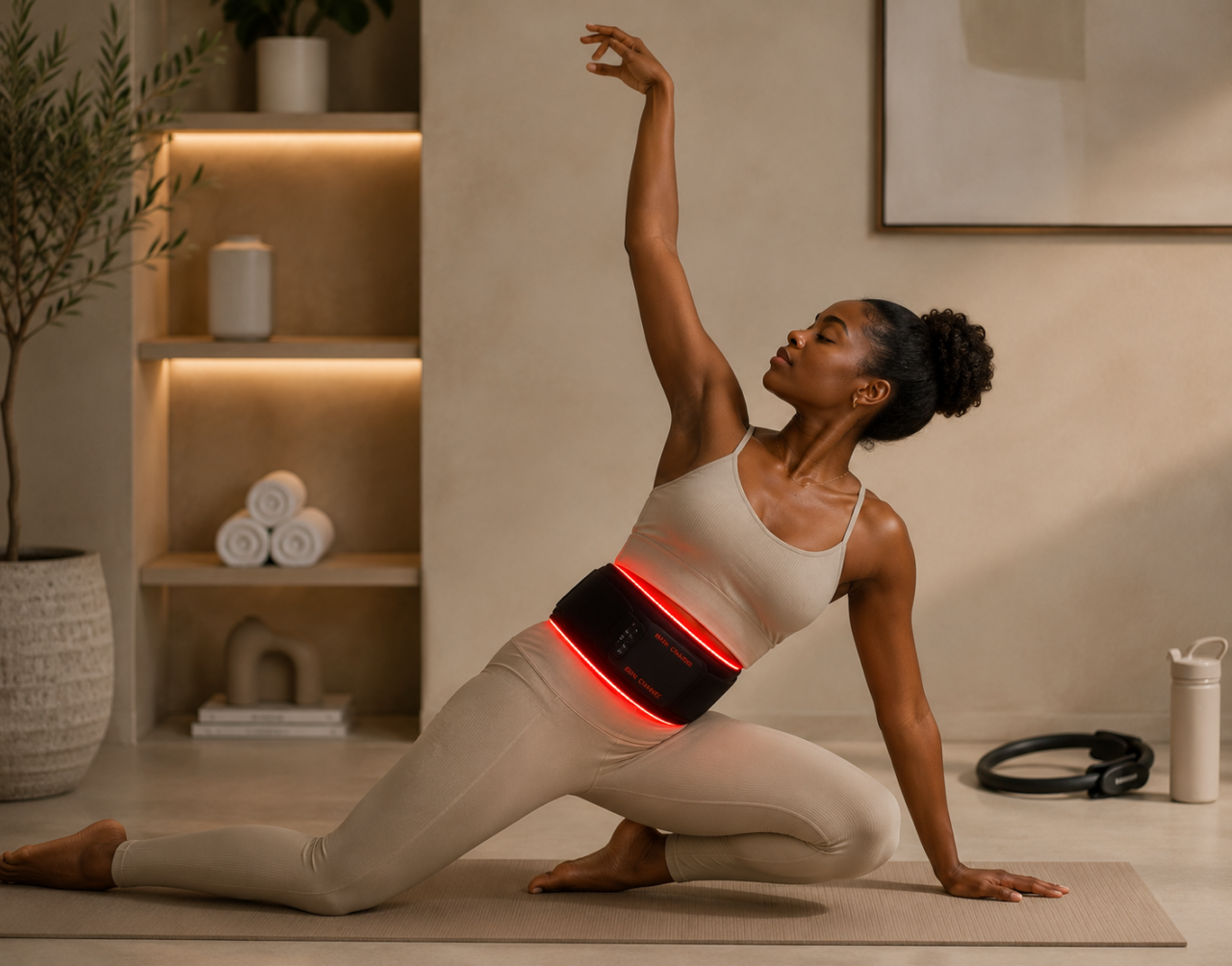

A growing number of wellness devices are moving beyond the face, and one of the most talked-about innovations is the wearable red light therapy belt. As interest in at-home recovery and body care continues to grow, these hands-free devices are attracting attention for their potential to support everything from muscle recovery to healthier-looking skin.
Not long ago, red light therapy was primarily associated with facial masks designed to address visible signs of aging. Today, the category includes full-body panels, hair-growth helmets, handheld wands, and wearable belts that comfortably wrap around different areas of the body. The shift reflects a broader approach to self-care, with more people seeking treatments they can easily incorporate into daily life while working, reading, or unwinding at home.
The appeal is simple: convenience. Many consumers are gravitating toward wellness tools that fit seamlessly into their routines without requiring appointments or downtime. Still, growing interest doesn’t always translate into proven results, making it important to understand what a red light therapy belt can realistically do before investing in one.
What Is a Red Light Therapy Belt?
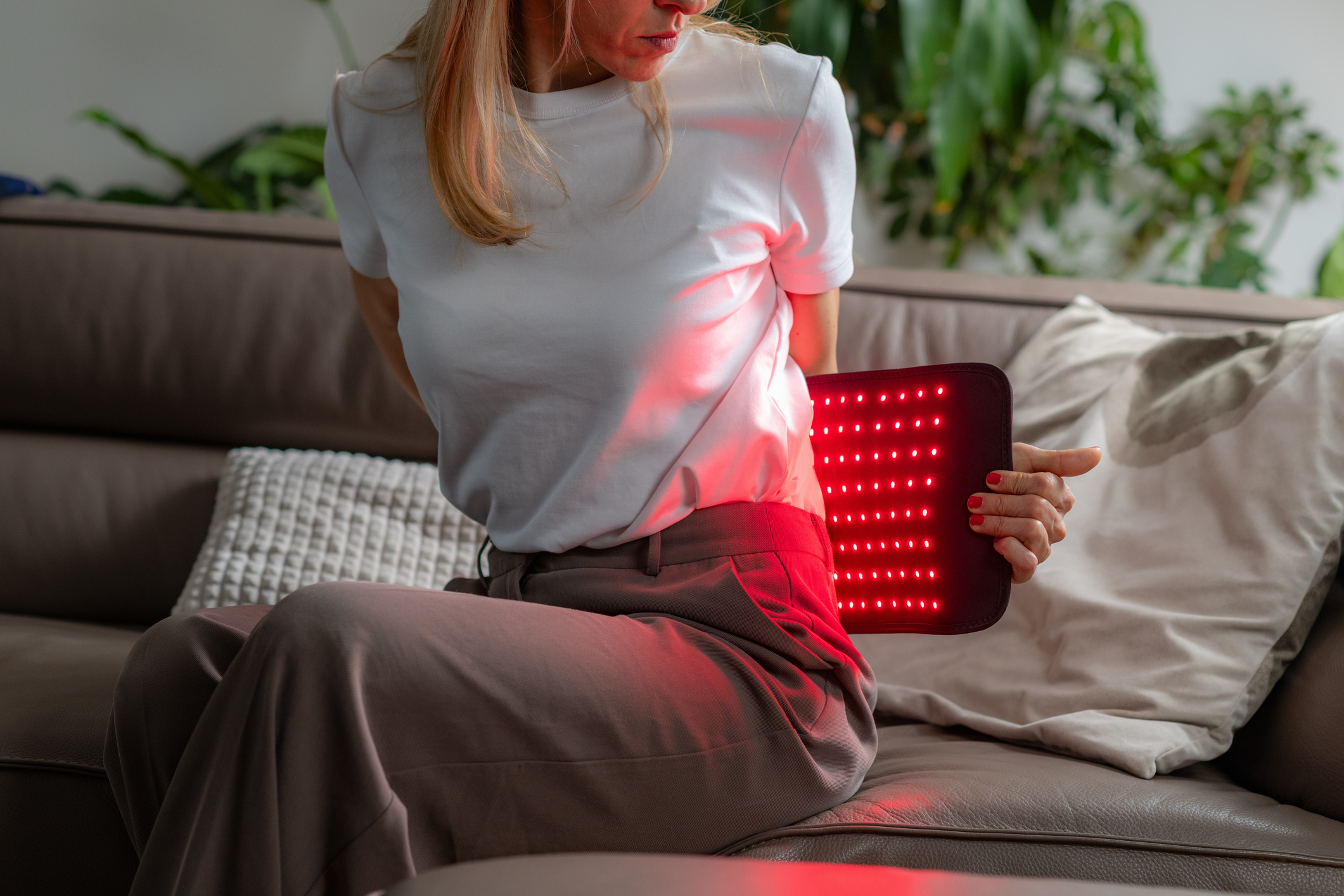
A red light therapy belt is a flexible wearable device fitted with rows of light-emitting diodes (LEDs) that wrap around targeted areas of the body. Although the lower back and abdomen are the most common treatment sites, many belts can also be secured around the thighs, knees, shoulders, arms, or calves, depending on where support is needed.
Most devices combine two wavelengths of light. Visible red light works closer to the skin’s surface, penetrating only a few millimeters, where it is commonly used to support skin appearance. Near-infrared light, on the other hand, is invisible to the eye and penetrates more deeply into muscles and surrounding tissues. Together, these wavelengths are designed to deliver targeted treatment without producing the intense heat associated with heating pads.
Unlike massage devices that physically manipulate muscles, red light therapy works by exposing tissues to specific wavelengths of light. Researchers believe these wavelengths interact with the mitochondria—often described as the energy producers inside our cells. This process is thought to stimulate cellular activity that supports the body’s natural repair processes.
That explanation also helps clarify why people use these belts for a variety of concerns. Someone recovering from exercise may use one to support muscle recovery. Another person may be interested in improving skin texture or easing temporary discomfort following an injury. Although the technology remains an active area of research, many of its proposed benefits are linked to supporting the body’s existing healing mechanisms rather than creating entirely new ones.
Why Is Everyone Talking About It?
Part of the excitement comes from convenience. Earlier red light devices often required users to sit in front of bulky panels or hold small handheld tools over one area at a time. A wearable belt simplifies the process by allowing treatment while carrying out other low-effort activities.
Social media has also accelerated interest. Videos showing people wearing the belts while working at their desks, watching television, or completing household tasks have introduced the technology to millions of viewers. Naturally, that visibility has fueled curiosity, especially as wellness enthusiasts continue searching for treatments that blend seamlessly into everyday life.
The category itself is also evolving rapidly. Consumers are no longer choosing between skincare devices alone. They are exploring products designed for recovery, body care, hair health, and even eye wellness, with wearable belts helping bring red light therapy further into the mainstream.
Does a Red Light Therapy Belt Work for Back Pain?
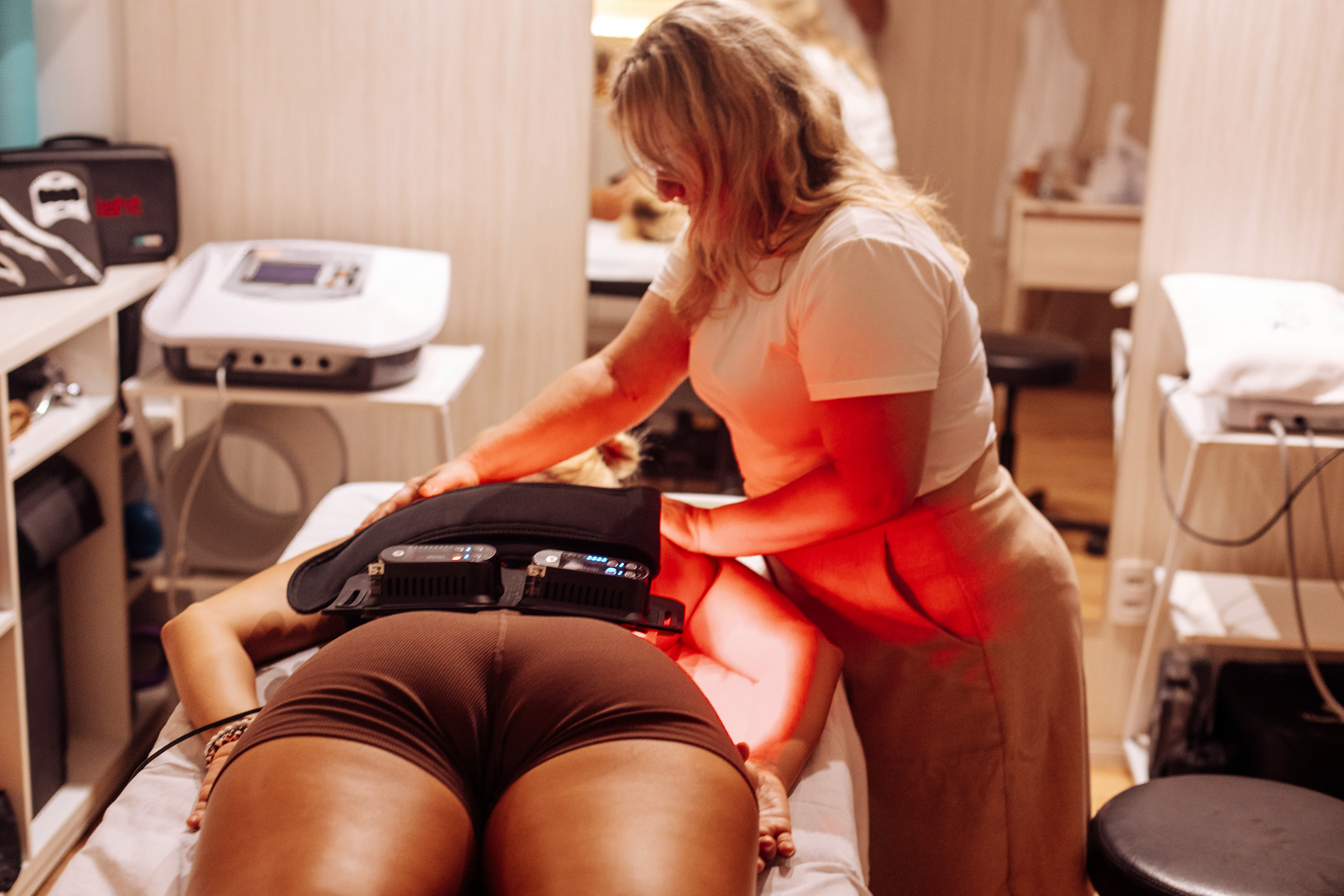
One of the most common reasons people purchase these devices is to help manage lower back discomfort. Red light therapy belts are particularly popular for this purpose because they wrap securely around the lumbar region, allowing consistent light exposure throughout a treatment session.
Some research suggests that red and near-infrared light may help reduce temporary pain and inflammation while supporting tissue recovery. That said, the evidence varies depending on the condition being treated, and results are rarely immediate. A red light therapy belt should be viewed as a supportive wellness tool rather than a replacement for medical care, particularly when persistent or severe back pain is involved.
Can It Help with Weight Loss?
One of the biggest misconceptions surrounding red light therapy belts is that they directly cause weight loss. Current research does not support that claim. A red light therapy belt cannot replace a balanced diet, regular exercise, or the calorie deficit needed for sustainable weight management. If marketing promises dramatic weight loss from the device alone, it is worth approaching those claims with caution.
That said, some small studies exploring body contouring have reported modest reductions in waist measurements after repeated treatments, particularly when participants also maintained healthy lifestyle habits. This suggests the technology may support changes in body shape for some users rather than producing significant fat loss. If your goal is improving overall body composition, the belt works best as a complementary wellness tool rather than the primary strategy.
Can It Reduce Stretch Marks?
Stretch marks are another area attracting growing interest. Since red light therapy is believed to stimulate collagen production and support skin renewal, many people hope it can soften the appearance of newer stretch marks over time.
The available evidence remains limited, but some dermatologists believe consistent treatment may improve overall skin texture and elasticity, making stretch marks appear less noticeable rather than eliminating them. Pairing red light therapy with a quality moisturizer and a skincare routine focused on barrier support may provide a more balanced approach than relying on one device alone.
What Are the Side Effects of a Red Light Therapy Belt?
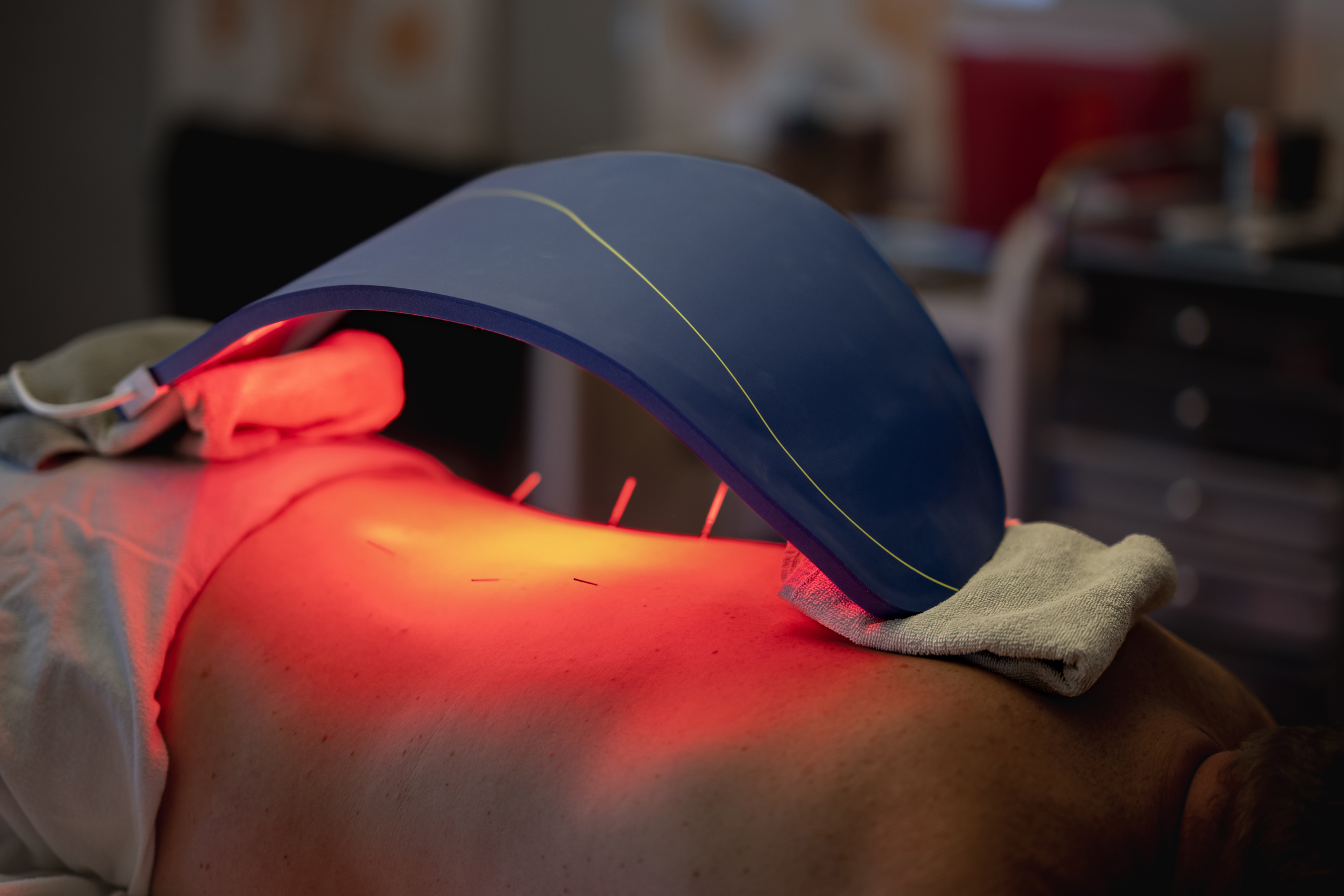
One reason red light therapy has gained widespread popularity is its reputation for being non-invasive. Most users tolerate treatment well, especially when following the manufacturer’s instructions. Unlike procedures involving needles or heat, the light itself generally does not damage the skin when used appropriately.
Even so, mild side effects can occasionally occur. Some people notice temporary warmth, slight redness, or mild skin sensitivity immediately after treatment. These reactions usually resolve quickly. Eye protection should always be used if bright LEDs are directed near the face, and anyone with a medical condition, photosensitivity, or concerns about light-based treatments should consult a healthcare professional before beginning regular sessions.
How Often Should You Use a Red Light Therapy Belt?
Most manufacturers recommend using a red light therapy belt several times each week, with individual sessions typically lasting between 10 and 20 minutes. The exact schedule varies depending on the device and the concern being treated.
Using the belt every day for extended periods will not necessarily speed up results. Skin renewal, tissue recovery, and collagen production are gradual biological processes, so noticeable improvements often require several weeks of consistent use.
Shop editor’s edit
What’s Next for Red Light Therapy?
The popularity of wearable belts reflects a much larger trend within wellness technology. Red light therapy has already expanded far beyond facial masks, with consumers now choosing from tabletop panels, full-body panels, handheld devices, and wearable caps designed to support hair growth by stimulating the scalp.
Researchers are also investigating new medical applications. Early studies are exploring how red light therapy may help relieve dry eye symptoms, support retinal function, and potentially slow certain age-related eye changes. Although much of this research is still developing, it highlights how quickly the technology continues to evolve. As manufacturers introduce more specialized devices, red light therapy is expected to become an even more prominent part of everyday wellness, with wearable belts leading the way.
Featured image: Style Rave Studio/AI-generated Visual