

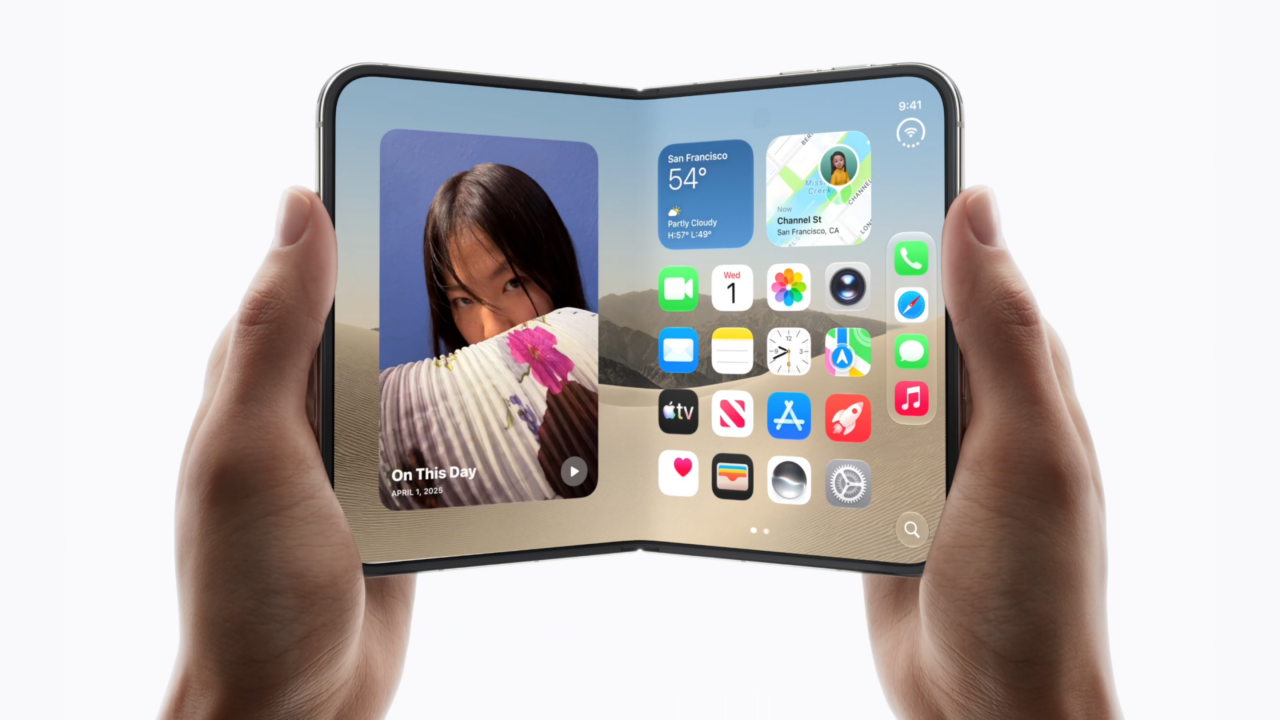

Apple has expanded the iPhone lineup in a way that changes the conversation around its flagship phone. The company has introduced the iPhone Duo, its first foldable iPhone, alongside the iPhone 18 Pro and iPhone 18 Pro Max, giving its premium range three very different approaches to the smartphone experience. While the iPhone Duo brings a new form factor, the iPhone 18 Pro and iPhone 18 Pro Max push Apple’s traditional design forward with major advances in photography, performance, battery life, and artificial intelligence.
The launches are important because they show Apple pursuing two directions at once. The iPhone Duo is built around flexibility, a larger display, and new ways to interact with the camera and apps, while the Pro models focus on giving creators and power users more control. All three devices share Apple’s latest A20 Pro chip, iOS 27, Apple Intelligence, and the new Siri AI experience, but each model uses those technologies differently.
iPhone Duo Brings a Foldable Design to the iPhone
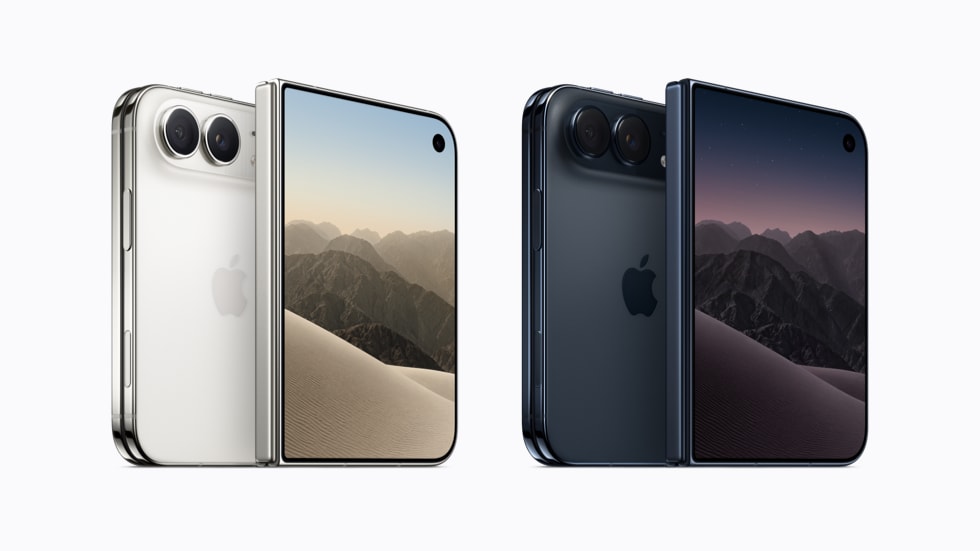
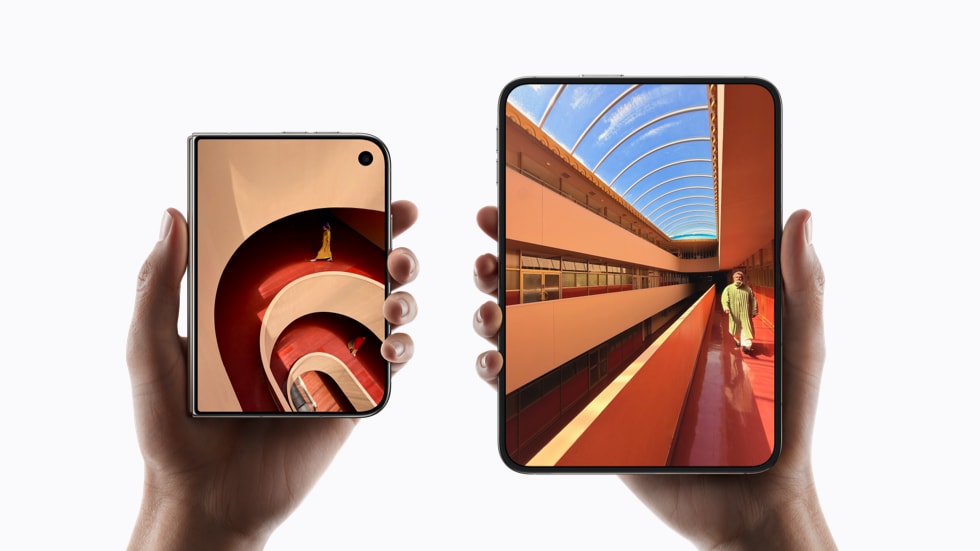
The iPhone Duo is the most dramatic addition to Apple’s smartphone lineup. When opened, it features a 7.6-inch inner Super Retina XDR display, making it the largest display ever placed on an iPhone and providing a much larger canvas for gaming, video, reading, and multitasking.
The inner screen is 50 percent larger than the display on the iPhone 18 Pro Max. A premium nano-texture finish reduces glare and reflections while also helping minimize the visibility of the crease. Beneath the display sits a new FaceTime camera that remains hidden when it is not being used, allowing the screen to remain largely uninterrupted.
Folded, the iPhone Duo becomes a compact device with a 5.4-inch outer Super Retina XDR display. Apple says that the screen provides 90 percent of the display area of the iPhone 18 Pro. Both screens use the same aspect ratio, allowing content to scale proportionally as users move between the inner and outer displays.
ProMotion, Always-On display functionality, and up to 3,000 nits of peak outdoor brightness are available on both panels. Apple will also add Apple Pencil support through USB-C later this year, allowing users to write, sketch, and annotate documents on either display.
Built Around a Precision Hinge
The foldable design goes beyond simply adding a second screen. The iPhone Duo uses a precision hinge made from more than 100 components, engineered to support the center of the display while providing a smooth opening and closing motion.
Grade 5 titanium forms the enclosure, which receives a mirror-polished finish, while the hinge cover uses a contrasting micro-blasted texture. Ceramic Shield protects the rear, and Ceramic Shield 2 covers the outer display with three times better scratch resistance than the previous generation.
Apple has also developed a multilayer protection system for the folding display. A scratch-resistant coating, nano-textured cover layer, high-strength glass, custom adhesives, and a titanium plate work together to manage the stresses created when the device folds. The company says the custom polymer used in the cover layer has up to 40 percent higher stiffness than other materials used in the industry.
The iPhone Duo is also rated IP68 for splash, water, and dust resistance.
A Camera System Designed Around Folding
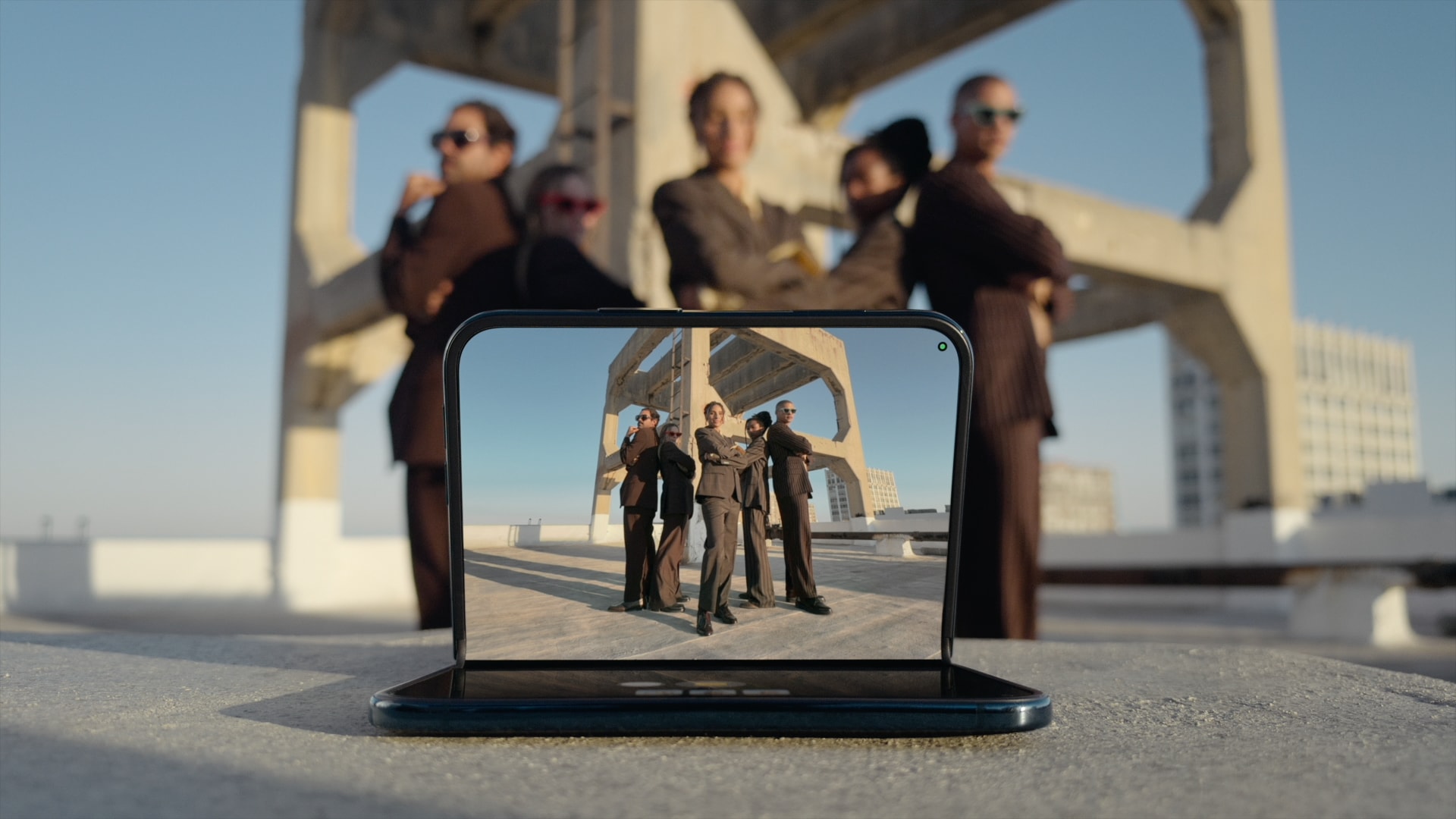
The camera system is another area where the iPhone Duo takes advantage of its form factor. Its 48MP Fusion Main camera can capture images at up to 48MP, offers zero shutter lag, and includes an optical-quality 2x Telephoto option. A large sensor, fast aperture, sensor-shift optical image stabilization, and a new computational photography pipeline are designed to improve detail and low-light performance.
A 48MP Fusion Ultra Wide camera adds macro photography and wider perspectives, while a Center Stage front camera can automatically frame photos and videos in different orientations.
The folding design also enables features that would be difficult to recreate on a conventional iPhone. Duo Preview lets subjects see the live camera feed on the outer display, while users can take selfies with the higher-resolution rear cameras and still see themselves while framing the shot.
Smart Take uses on-device AI to analyze a scene and automatically capture an image when subjects are ready. Duo FaceTime allows people nearby to participate in a call through the outer display, while Kid Cue can play Peanuts animations to attract a child’s attention.
Video recording reaches 4K at 120 frames per second in Dolby Vision, with slow-motion playback adjustments available after capture. Cinematic effects can also be applied after recording at up to 60 fps.
iPhone 18 Pro Takes the Camera Further
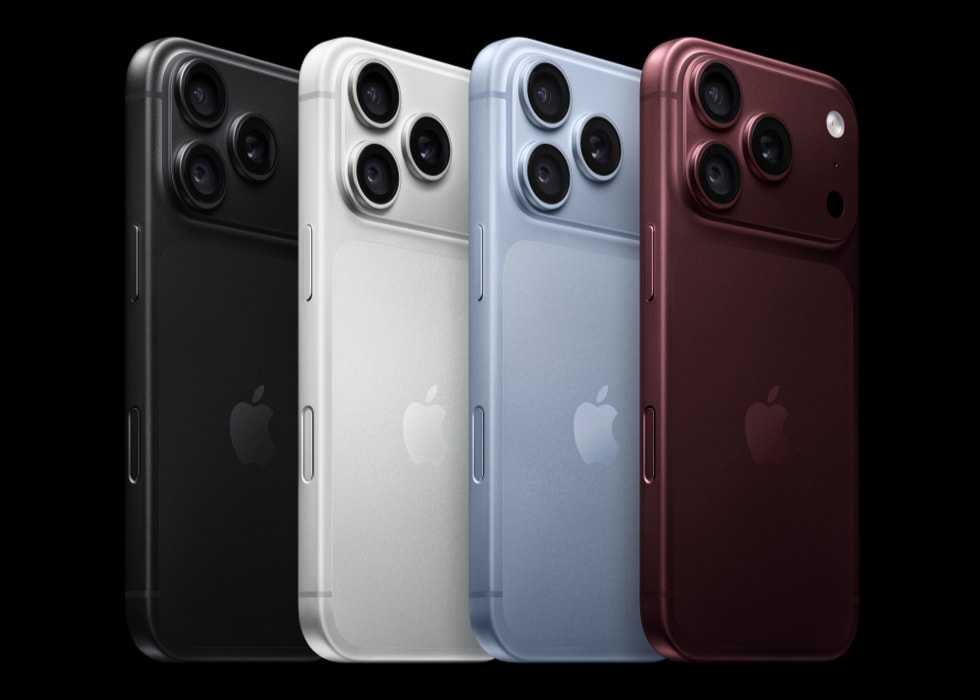
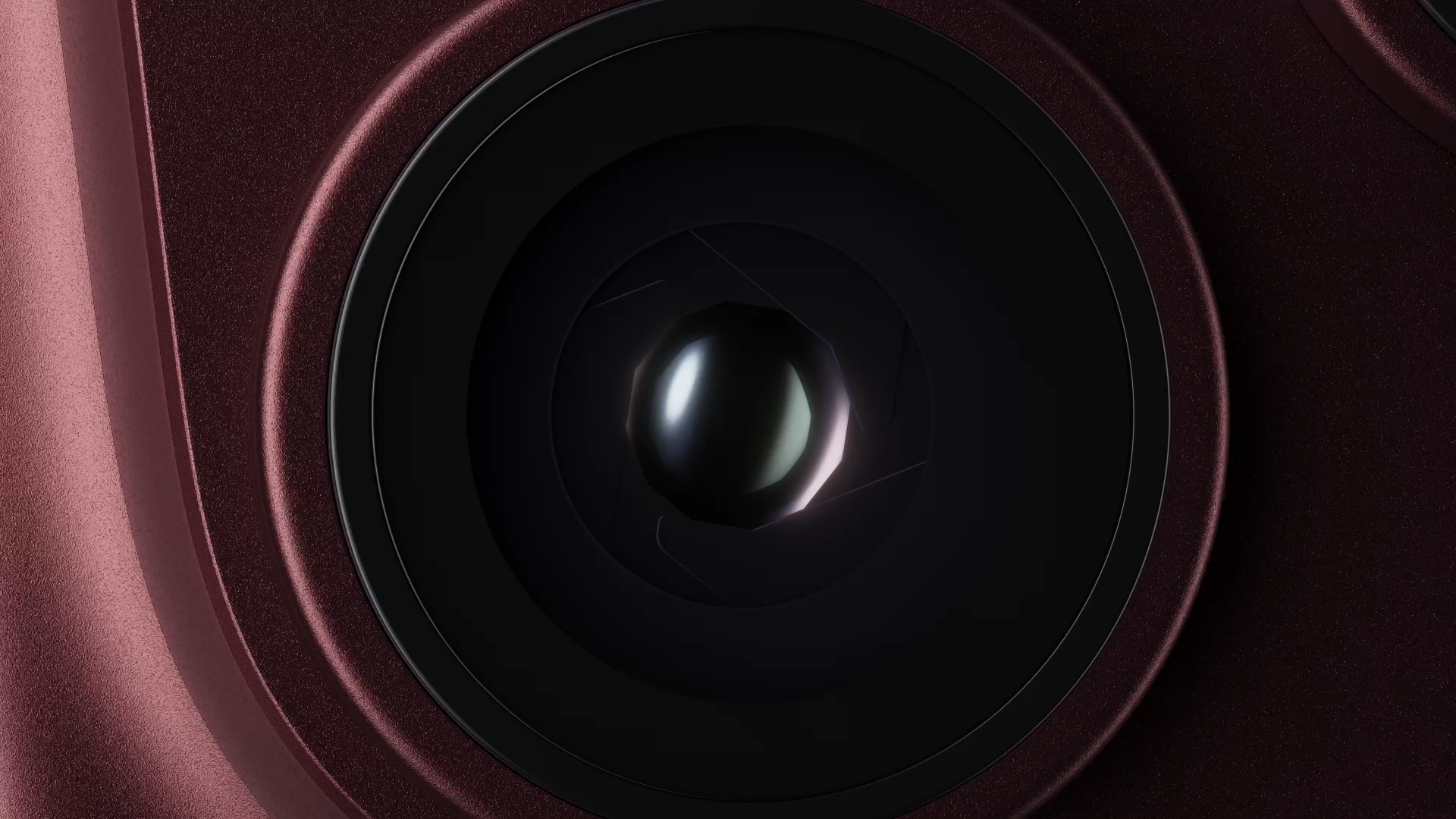
Alongside the foldable, Apple has made the iPhone 18 Pro and iPhone 18 Pro Max more capable for traditional smartphone photography. The biggest camera change is the new 48MP Fusion Main camera with variable aperture, bringing aperture control to the iPhone for the first time.
Six laser-cut blades can move between four aperture settings, allowing the camera to automatically adapt to lighting and depth-of-field requirements. Users who want more control can manually adjust the aperture in the Camera app.
The new Pro controls also provide access to shutter speed, white balance, and histogram information. Upgraded Photographic Styles add texture and grain controls, while video improvements include post-capture Cinematic effects, 4K Dolby Vision HDR time-lapse, and a more advanced Audio Mix system.
Apple Adds a New Approach to Photo Authenticity
One of the more unusual additions to the Pro models is the Apple Reference Image. The Main camera can sign the sensor data associated with a photograph, allowing Private Cloud Compute to create an unalterable reference image.
The reference can then be viewed alongside the finished photograph in the Photos app, providing a way to compare what the camera originally captured with an edited version. Apple positions the feature as particularly useful for photographers, photojournalists, and anyone concerned about the growing difficulty of distinguishing authentic photographs from AI-generated or manipulated images.
A20 Pro Powers the Entire Lineup
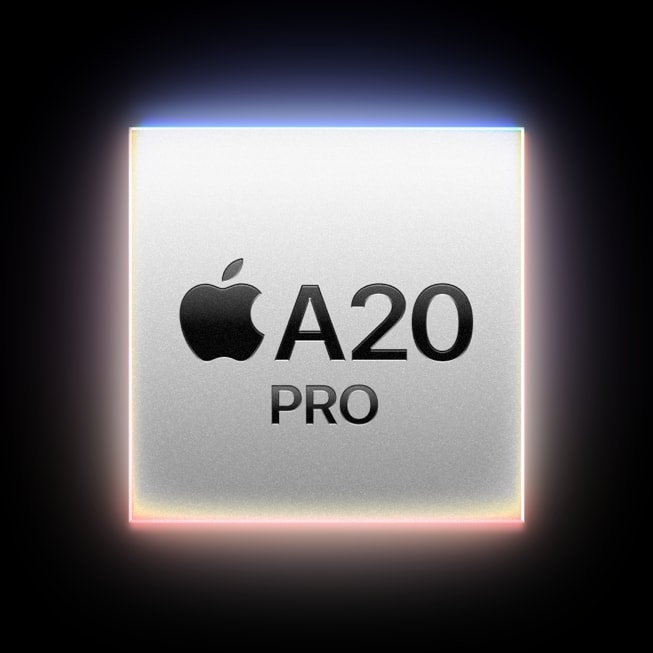
The iPhone Duo, iPhone 18 Pro, and iPhone 18 Pro Max all use A20 Pro, Apple’s new chip built on a 2-nanometer process. It features a 6-core CPU, a 7-core GPU, and a dual 16-core Neural Engine.
Compared with A19 Pro, Apple says the CPU is up to 20 percent faster, the GPU is up to 40 percent faster, and the Neural Engine offers twice the compute power for on-device AI. Memory bandwidth has also increased by 50 percent.
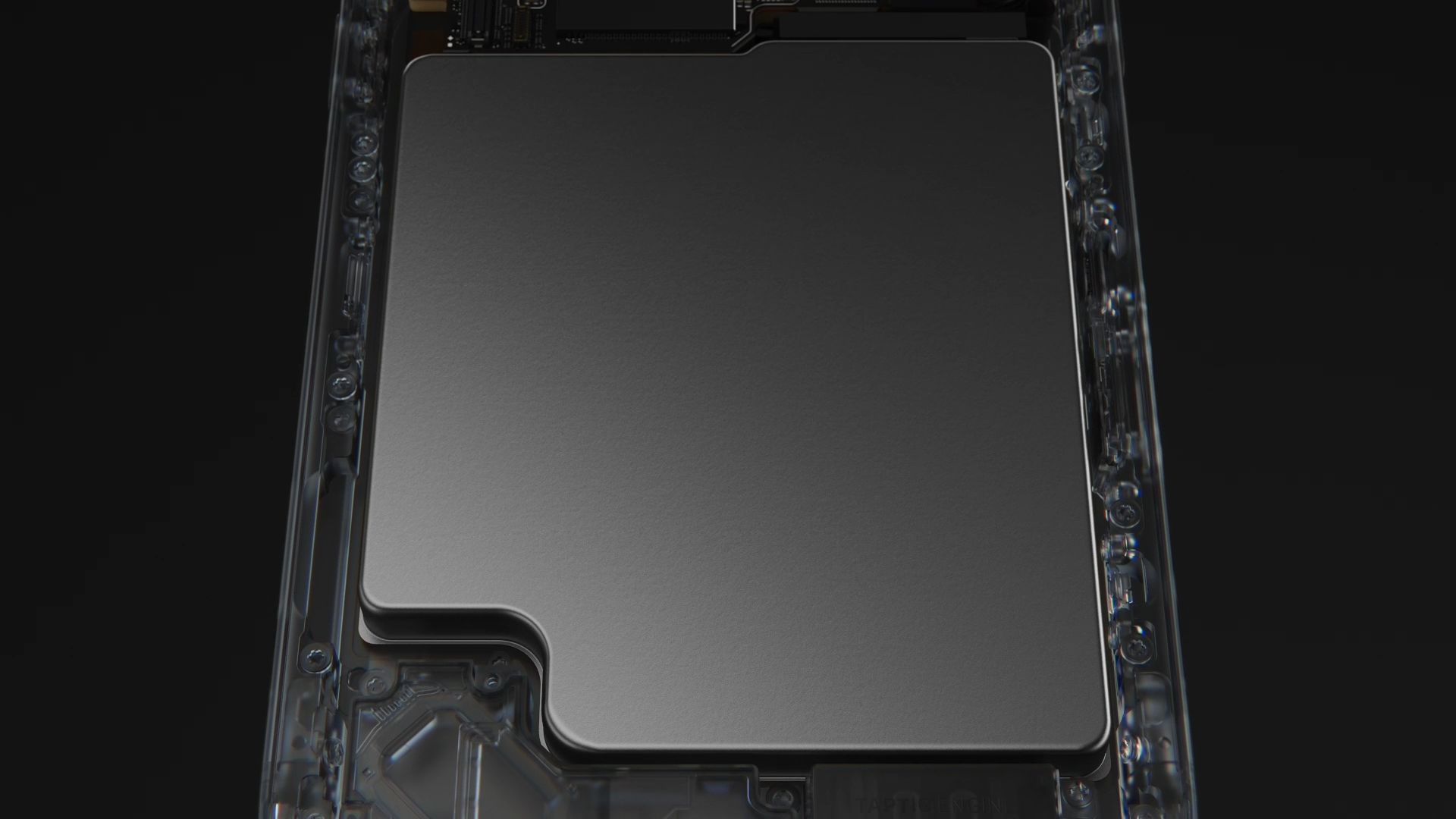
Thermal management is a major part of the performance story. The iPhone Duo pairs the A20 Pro with a custom vapor chamber, while the Pro models receive a next-generation vapor chamber with three times the surface area of the previous generation. Apple says the system enables up to a 40 percent gain in sustained performance on the Pro models.
Battery Life Gets a Substantial Upgrade
The iPhone Duo uses a dual-battery architecture, with a high-energy battery on each side of the device. It can deliver up to 31 hours of video playback on the inner display, 44 hours on the outer display, or up to 24 hours when both screens are used equally.
It can charge to 50 percent in around 20 minutes through a wired connection or around 30 minutes wirelessly using MagSafe or Qi2.
The iPhone 18 Pro reaches up to 36 hours of video playback, while the iPhone 18 Pro Max reaches up to 45 hours. The Pro Max also offers a particularly notable charging improvement: five minutes of wired charging can provide around seven hours of video playback.
iOS 27 Makes the Hardware Feel Different
iOS 27 ties the three devices together while adapting to their different hardware. On iPhone Duo, controls move toward the sides of the interface to preserve vertical space, while Split View allows two apps to run side by side. Users can also open two windows from the same app, such as Safari, and save app combinations for later.
StandBy gets a significant upgrade as well, working on either the inner or outer display even when the phone is not charging.
On the Pro models, the Dynamic Island becomes smaller and more useful, with the ability to show up to three Live Activities simultaneously.
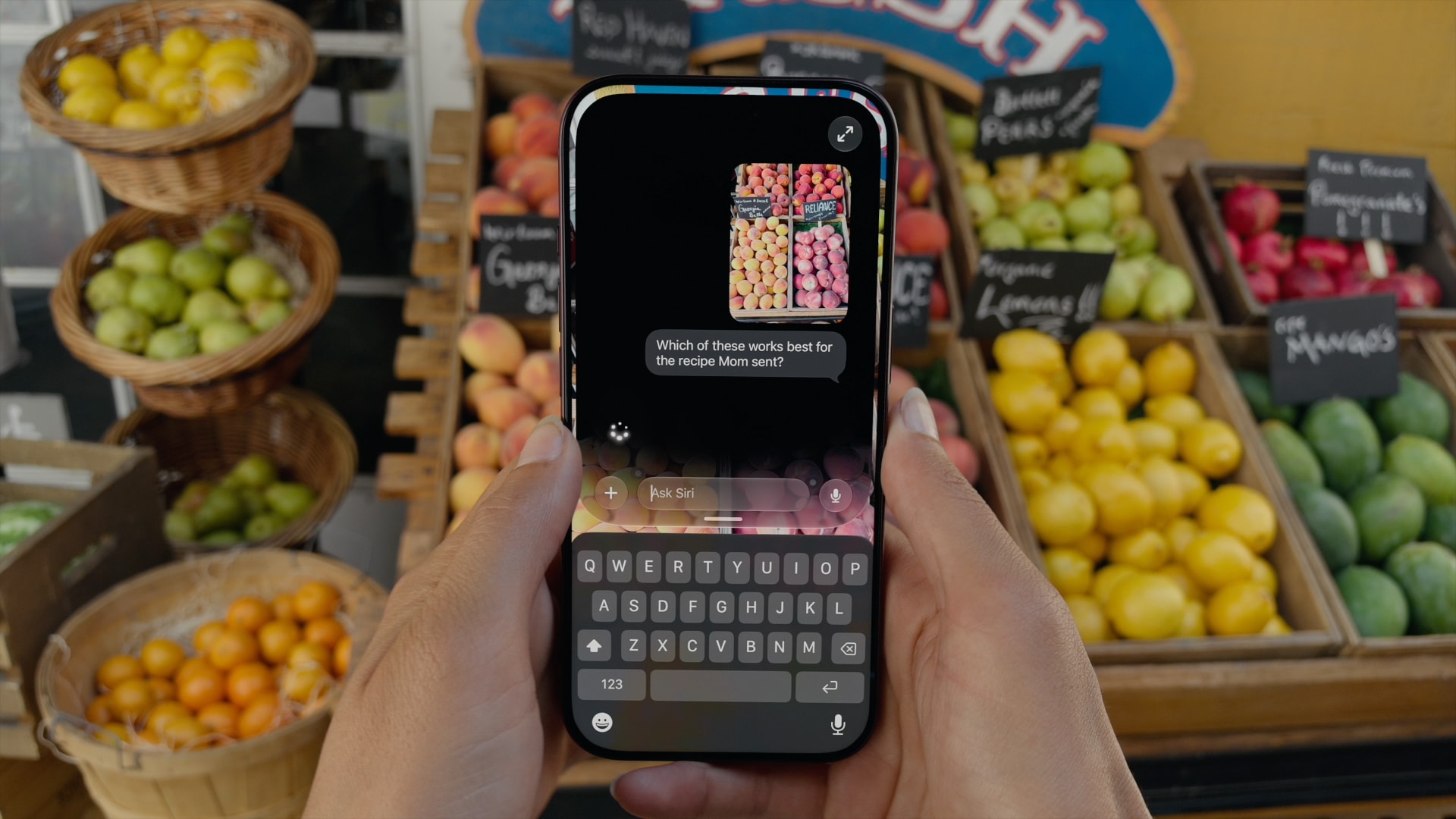
Apple Intelligence and the new Siri AI experience run across the lineup. Siri can use personal context from messages, emails, photos, and other apps, understand what is on the screen, and take actions based on that information. Apple is also emphasizing privacy through on-device processing and Private Cloud Compute.
Pricing and Availability
The iPhone Duo starts at $1,999 in the U.S. with 256GB, 512GB, 1TB, and 2TB storage options. It comes in star white and night sky, with pre-orders beginning October 16 and availability starting October 23.
The iPhone 18 Pro starts at $1,199, while the iPhone 18 Pro Max starts at $1,299. Both are offered in black, silver, glacier, and the new burgundy finish, with pre-orders beginning September 12 and availability starting September 18.
The result is a broader iPhone family than Apple has offered before. The iPhone 18 Pro and iPhone 18 Pro Max remain the company’s conventional high-performance flagships, but the iPhone Duo introduces a completely different relationship between the phone, its display, and its cameras. Rather than simply making the next iPhone faster, Apple is using this generation to redefine what an iPhone can physically be.
Featured image: Apple
—Read Also