

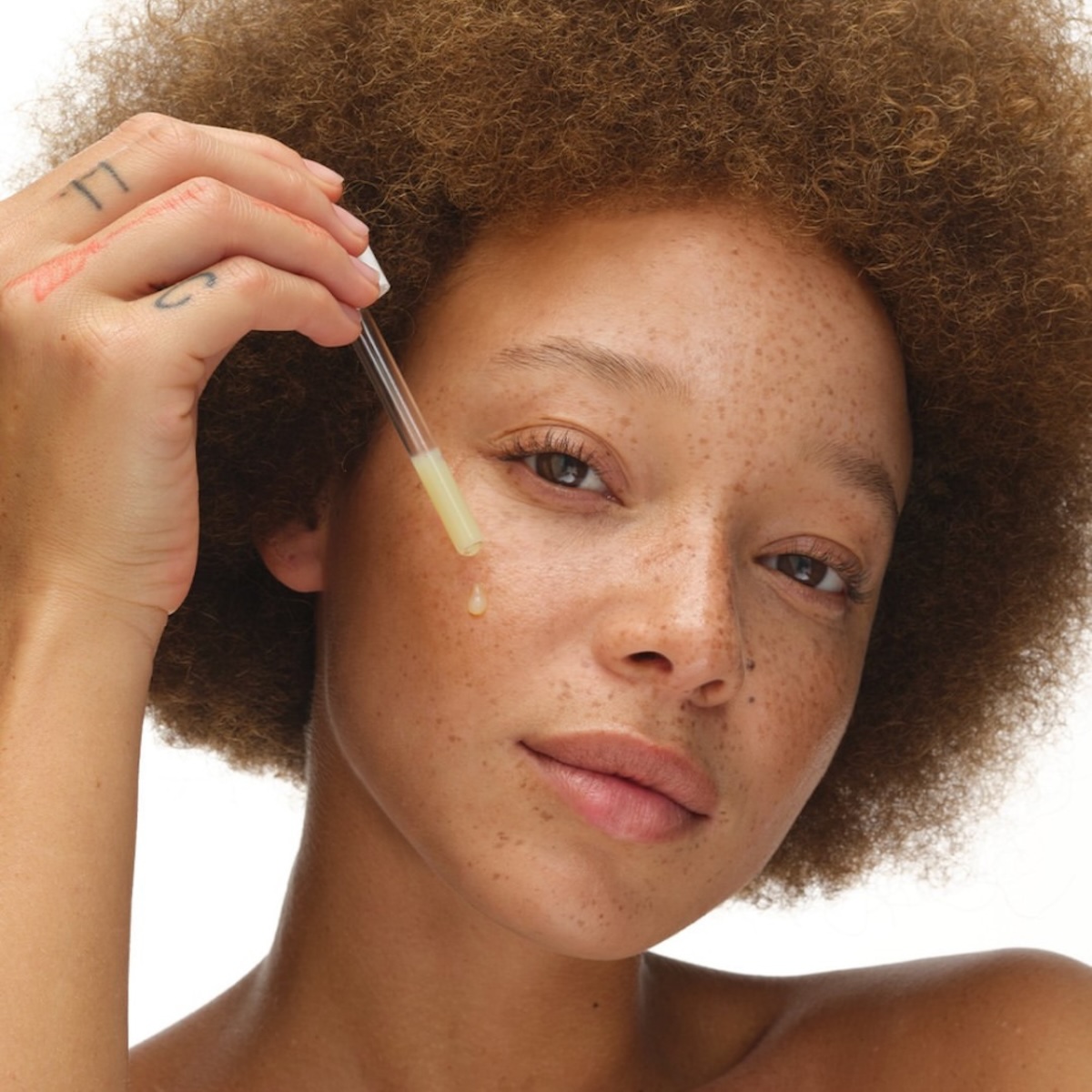

Glowing skin can change the mood of an entire beauty routine. A fresh, healthy-looking complexion catches the light beautifully, looks smoother and more awake, and gives you that coveted radiance that seems to come from within rather than sit on top of the skin. It is the kind of glow that makes you want to put down the full-coverage foundation, let your natural complexion show, and enjoy the confidence that comes with skin that looks well cared for.
Getting that finish does not mean filling your bathroom counter with every trending serum, toner, and cream you see online. In fact, a great morning routine can be much simpler. The secret is choosing products that work together to cleanse without stripping, replenish moisture, address your individual skin concerns, and protect your complexion throughout the day. When every step has a purpose, your routine becomes less of a chore and more of a few minutes of intentional self-care.
Whether your skin is oily, dry, combination, or sensitive, the right routine can help you achieve a healthier-looking glow without overwhelming your complexion. Ahead, we break down the ultimate six-step morning skincare routine, explain what each step does, and show you how to tailor it to your skin’s needs.
Check out our SR-approved 6-step morning skincare routine for the modern lady…
#1. Cleanse Your Skin Gently

Start your morning with a clean, comfortable base. While you sleep, your skin can accumulate sweat, excess oil, dead skin cells, and residue from your nighttime products. A gentle cleanser helps remove that buildup so you can apply the rest of your skincare to freshly cleansed skin.
That does not mean you need a cleanser that leaves your face squeaky clean. In fact, that tight, stripped sensation can be a sign that your cleanser is removing too much of your skin’s natural oil. Choose your cleanser according to your skin type. A creamy or hydrating cleanser can be a better match for dry or sensitive skin, while a lightweight gel cleanser may be more suitable for oily or combination skin.
If your skin is very dry or sensitive, you may not need a full cleanse every morning. Rinsing with lukewarm water can sometimes be enough, particularly if you thoroughly cleansed the night before. Avoid using hot water, which can contribute to dryness and irritation. Lukewarm water is a gentler choice.
Shop editor’s picks
#2. Apply a Hydrating Toner or Essence
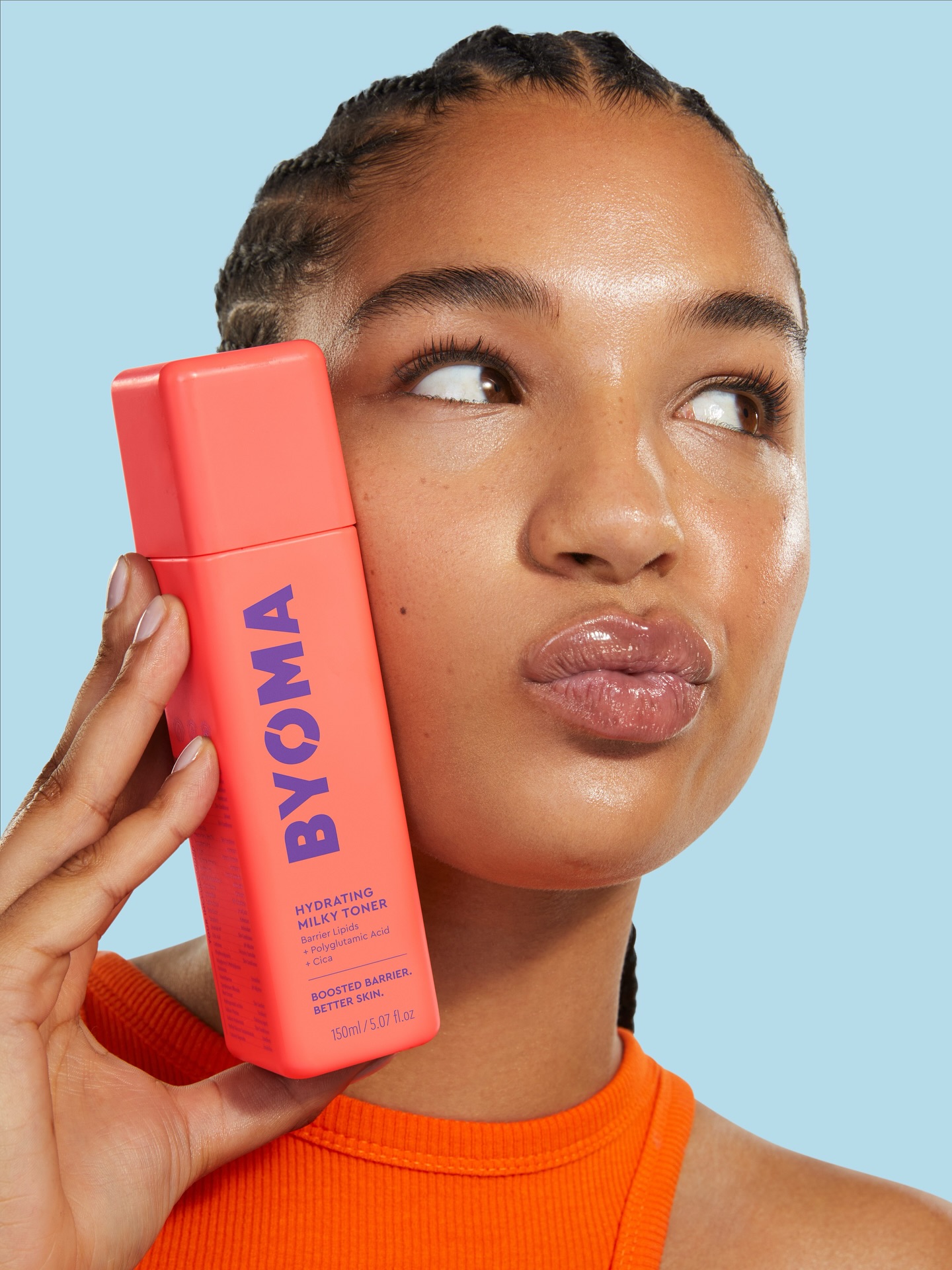
A toner or essence is optional, but it can be useful if your skin needs an extra layer of lightweight hydration. Today’s toners are not necessarily the harsh, alcohol-heavy formulas associated with older skincare routines. Many modern options are designed to replenish moisture, soothe the complexion, and provide a comfortable base for subsequent products.
An essence can serve a similar purpose, particularly if you prefer lightweight Korean-inspired skincare. Apply a small amount after cleansing and gently pat it into the skin. You don’t need to saturate your face with multiple layers unless your complexion genuinely benefits from the extra hydration. If you already use a hydrating serum and moisturizer, you can skip this step altogether.
This is also where it helps to resist the pressure to build an elaborate routine simply because social media makes seven-step or 10-step regimens look appealing. Your routine should work for your skin, not force you to use every available product category.
Shop editor’s picks
#3. Use a Vitamin C Serum for a Brighter Look

Vitamin C is one of the most popular additions to a morning skincare routine, especially if your goal is a brighter, more even-looking complexion. As an antioxidant, topical vitamin C can help protect the skin from oxidative stress while improving the appearance of dullness and uneven tone. It has also been studied for its potential to improve the appearance of hyperpigmentation.
Vitamin C comes in different forms, and they don’t all behave the same way. L-ascorbic acid is the pure form and one of the most researched. Other formulas use derivatives such as sodium ascorbyl phosphate or tetrahexyldecyl ascorbate, which may offer different levels of stability and skin tolerability.
If you are new to vitamin C, you don’t necessarily need to start with the strongest formula available. A lower-strength product or gentler derivative may be a more comfortable introduction. Apply your serum after cleansing and before moisturizer. If you are using a potent formula, introduce it gradually and pay attention to how your skin responds.
Most importantly, don’t forget sunscreen afterward. Vitamin C and sunscreen can complement each other nicely in a morning routine, with the antioxidant adding another layer of support alongside daily UV protection.
Shop editor’s picks
#4. Moisturize According to Your Skin Type

Skipping moisturizer because your skin is oily is a common mistake. Oil and hydration are not the same thing. Your skin can produce plenty of sebum while still lacking adequate water, which is why even oily skin can experience tightness, discomfort, or dehydration. The trick is choosing the right texture and formulation.
Oily skin may prefer an oil-free lotion, gel moisturizer, or lightweight cream. Combination skin can benefit from a medium-weight formula applied more generously to drier areas. Dry skin may need a richer cream with ingredients designed to support the skin barrier and provide longer-lasting moisture. If you are prone to clogged pores, look for products labeled non-comedogenic and pay attention to how your complexion responds over time.
You can also adjust your moisturizer according to the season. A lightweight gel or lotion may be enough during hot, humid weather, while a richer cream can become more useful when the air is dry, or your skin is particularly dehydrated.
A good moisturizer should leave your complexion comfortable and supple without creating unnecessary heaviness or interfering with makeup.
Shop editor’s picks
#5. Give the Eye Area Some Attention

The eye area is delicate and can be one of the first places where dryness, puffiness, fine lines, and dark circles become noticeable. An eye cream isn’t essential for everyone, but it can be useful when you have a specific concern you want to address.
For morning use, lightweight formulas containing caffeine may appeal to people dealing with puffiness. Hydrating formulas can improve the appearance of dry under-eye skin, while antioxidant and brightening ingredients may help the area look more refreshed.
However, you don’t necessarily need a separate eye cream. If your regular moisturizer is gentle enough for the eye area and the product directions allow it, you may be able to use it there instead. What matters most is choosing a formula that suits the delicate area rather than adding another product simply for the sake of having one.
Whatever product you choose, apply it gently. The skin around the eyes does not need vigorous rubbing or pulling. Using your ring finger to lightly tap the product around the orbital area can help you distribute it without unnecessary friction.
Shop editor’s picks
#6. Finish with Broad-Spectrum Sunscreen

This is the step you should not skip. A morning skincare routine focused on glowing skin is incomplete without sunscreen. Daily UV exposure can contribute to premature skin aging, uneven pigmentation, and other visible signs of sun damage.
Choose a broad-spectrum SPF 30 or higher and apply it generously to exposed areas. Your face is only one part of the equation, so remember your neck, ears, chest, and hands when they are exposed. Sunscreen should generally be the final step in your skincare routine before makeup.
If you are spending extended time outdoors, sweating, swimming, or otherwise exposed to conditions that remove sunscreen, reapply according to the product’s directions. If you wear makeup, a sunscreen format that works comfortably underneath it can make daily application easier to maintain.
Think of sunscreen as more than protection for your current skin. Consistent UV protection also helps preserve the progress you’re making with the rest of your skincare routine, particularly if you’re using products aimed at uneven tone, hyperpigmentation, or visible signs of aging.
Shop editor’s picks
Your Glow-Up Starts with the Right Routine

Glowing skin does not come from having the longest product list or following every skincare trend that appears on your feed. It starts with understanding what your complexion actually needs and giving it consistent, intentional care.
Cleanse without stripping, hydrate generously, target specific concerns with purpose, moisturize according to your skin type, and never skip sunscreen. These simple habits create a stronger foundation for healthy-looking, radiant skin than constantly switching between viral products. The goal isn’t to overwhelm your complexion with layers, but to give each product a clear purpose.
Your routine may look different from someone else’s, and that is perfectly fine. Oily, dry, combination, and sensitive skin all require different approaches, and your needs can change with the weather, lifestyle, and products you use. Give your routine time to work, pay attention to how your skin responds, and resist the urge to chase instant results.
Real radiance comes from consistency, protection, and choosing products that suit your complexion. Build a routine you can stick with every morning, and that healthy-looking glow can become less of a beauty goal and more of your everyday skin.
Featured image: @larocheposay/Instagram