



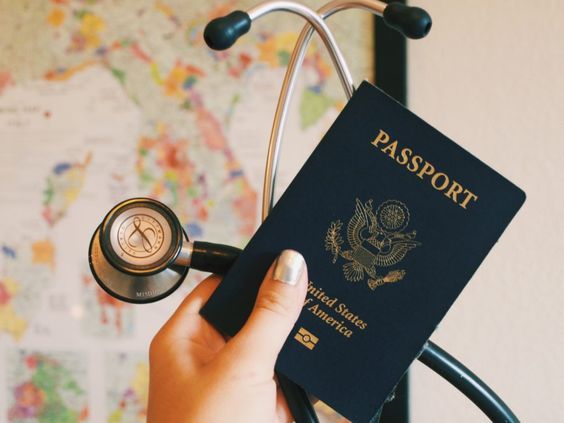
Picture this: a nurse finishes a grueling night shift in a remote Alaskan clinic, boards a small plane at dawn, and by evening is stepping into her next assignment in Hawaii. The stethoscope in her bag isn’t just a tool of her trade. It’s a passport, granting entry into new landscapes, cultures, and communities in need of care.
For traveling nurses, the profession extends far beyond hospital corridors. It becomes a career in constant motion that sharpens clinical expertise, demands resilience, and encourages self-discovery. And while every assignment brings fresh challenges, the choice to live this way often comes down to three essentials: growth, freedom, and a deeper connection to humanity.
Traveling Nurse: How It Works

In the U.S., contract nursing gives registered nurses (RNs) the flexibility to take temporary assignments across state lines, with staffing agencies handling most of the logistics. Instead of committing to a single hospital, traveling nurses sign short- to mid-term contracts that outline the location, duration, pay, and housing support.
Assignments can run anywhere from four to twenty-six weeks, though the 13-week contract has become the industry standard. Hospitals and clinics rely on this model to fill gaps—whether it’s a seasonal surge in patients or a sudden staffing shortage.
Contract types generally fall into three categories:
- Short-term contracts (4–8 weeks): Designed for urgent, emergency coverage.
- Standard contracts (13 weeks): The most common and widely accepted framework in travel nursing.
- Extended contracts (20–26 weeks): Often tied to specialized units or rural facilities that need longer support.
Psychological and Communication Skills Needed
For a traveling nurse, every new contract feels like stepping into a story already in progress. Patients arrive mid-chapter, with histories still unfolding, while staff operate within rhythms long established. In this environment, building trust quickly is critical. Small gestures, like remembering a patient’s name and respecting a colleague’s expertise, can establish rapport faster than any résumé.
The role also demands emotional steadiness. Cultural differences, unfamiliar technologies, and unpredictable emergencies can rattle even the most seasoned nurse. Yet through active listening, empathy, and adaptability, travel nurses bridge divides and become integral members of care teams in record time.
Staffing agencies provide crucial support, offering expedited orientation, housing assistance, and even 24/7 clinical hotlines. Combined with a nurse’s own resilience and communication skills, these resources ensure that travel nurses don’t just fill temporary gaps. They deliver meaningful, high-quality care wherever they go.
Practical Skills and Self-Organization
Success on the road depends on more than clinical expertise. It requires precision, adaptability, and near-flawless self-organization. Traveling nurses must adjust to different documentation systems—sometimes digital, sometimes still paper—while maintaining accuracy in patient records.
Outside the hospital, logistics matter just as much. Securing housing near the workplace, navigating new transportation systems, and planning healthy meals can mean the difference between thriving and burning out. Staying fit, eating well, and prioritizing rest aren’t luxuries; they’re non-negotiables in a lifestyle defined by constant relocation.
Ultimately, this blend of technical competence and personal discipline allows travel nurses to walk into unfamiliar environments with the confidence of those who’ve worked there for years.
Challenges You Need to Know About
The rewards of travel nursing are undeniable, but the challenges are just as real. Chief among them is emotional strain. Forming bonds with patients and colleagues, only to part ways weeks later, can be bittersweet. Each new facility also brings its own safety standards, charting systems, and protocols, demanding constant readjustment.
Financial unpredictability adds another layer of complexity. Gaps between contracts can disrupt income flow, testing even the savviest budgeting skills. Meanwhile, the absence of a permanent home base often fuels feelings of instability and disconnection.
In the end, resilience and adaptability become as essential as clinical expertise. For travel nurses, thriving on the road means balancing the exhilaration of new opportunities with the discipline to withstand their hidden costs.
Conclusion: Freedom and Service in Harmony
Travel nursing is a life lived at the crossroads of exploration and service. Each assignment sharpens practical skills, deepens emotional intelligence, and builds professional versatility that stationary roles rarely match. Beyond the clinical, it cultivates resilience, independence, and a profound appreciation for human connection.
Yes, the lifestyle uproots comfort zones. But in return, it offers experiences that enrich both career and character. At its core, travel nursing is more than a job. It’s a rhythm, where freedom and service move in harmony, shaping not just nurses, but whole lives.
Featured Image: Freepik
For the latest in fashion, lifestyle, and culture, follow us on Instagram @StyleRave_
—Read also