
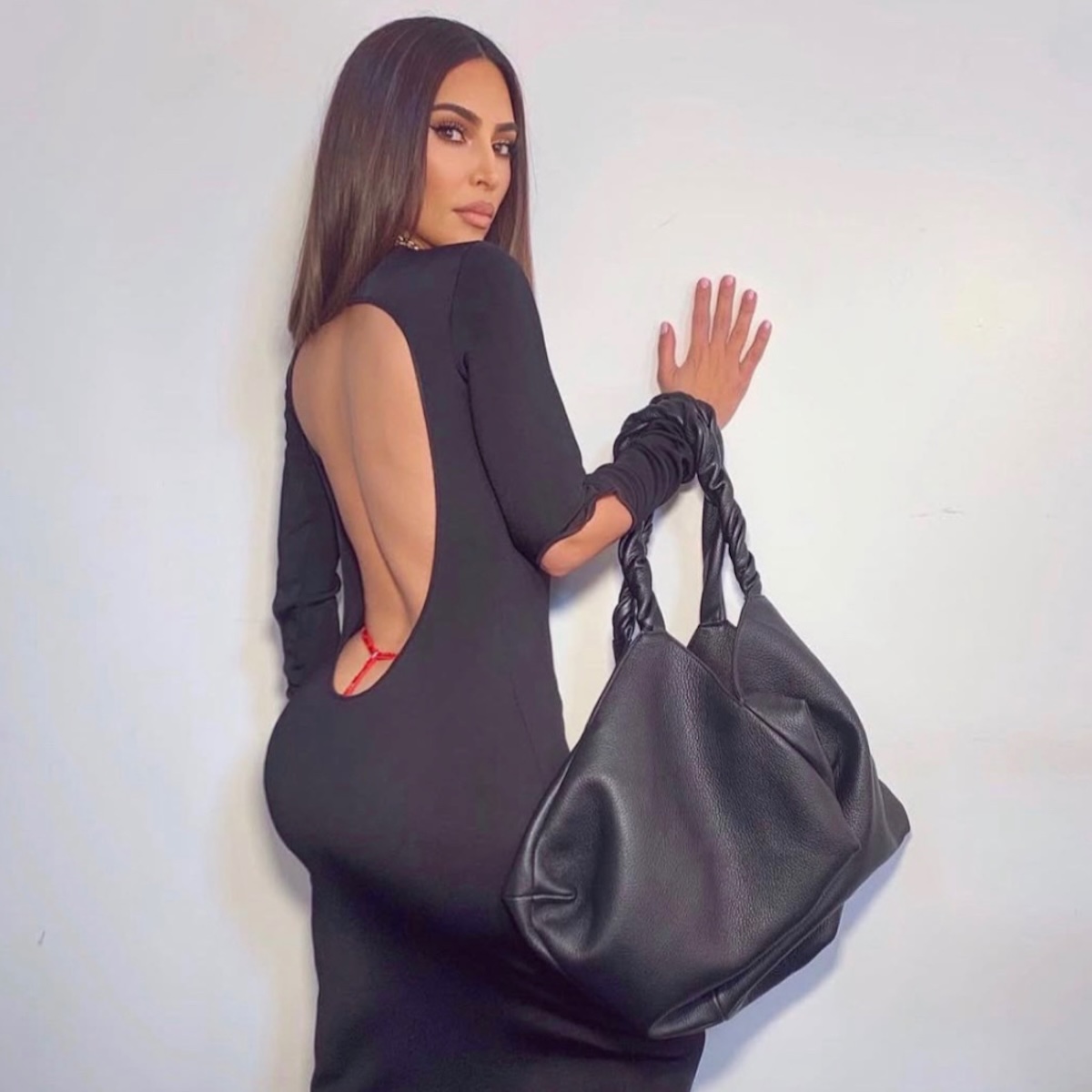

Suddenly, conversations around the whale tail thong trend began resurfacing—across runways, pop culture commentary, and social media styling videos—toward the end of 2025. Online searches surged by more than 57%. Low-rise denim returned to red carpets. Visible lingerie reentered the styling lexicon. And nostalgia-driven fashion cycles pushed one of the most debated Y2K aesthetics back into modern discourse. However, this revival feels different. As fashion editors and stylists revisit bold early-2000s silhouettes, the return of visible thong straps reads less like shock value and more like a reflection of shifting conversations around body confidence, styling autonomy, and intentional exposure.
At the same time, the reemergence of whale tail fashion signals how younger audiences reinterpret older trends through a contemporary lens. While the early 2000s framed the look as rebellious or outright provocative, today’s styling culture treats it as a deliberate fashion detail, layered with precision and context. Because lingerie trends for 2026 continue exploring visibility and personal expression, the predicted return of whale tail underwear aligns with broader conversations about reclaiming styles that once sparked controversy.
What Is a Whale Tail Thong?

A whale tail thong refers to a thong intentionally styled so that the waistband or straps sit visibly above the back of low-rise pants or skirts, forming a curved shape that resembles a whale’s tail. The look first gained traction in the late 1990s and early 2000s, when celebrities paired ultra-low denim with visible lingerie for dramatic visual impact. At the time, it became synonymous with bold youth culture and boundary-pushing style.
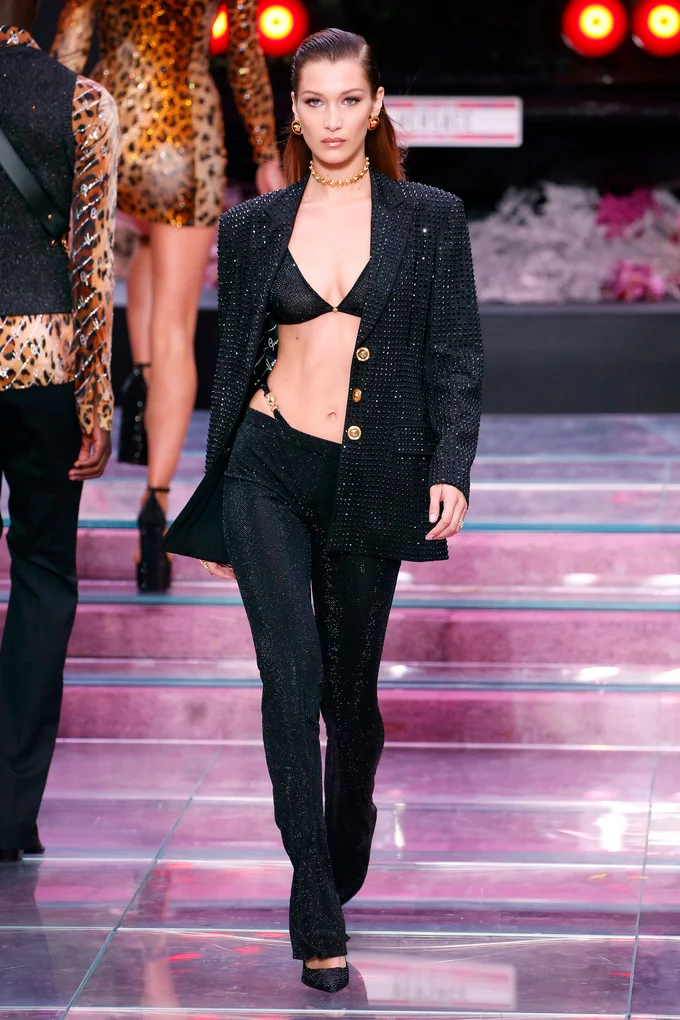
Today, designers reinterpret the concept through softer fabrics, elevated construction, and curated styling choices that feel intentional rather than accidental. Because contemporary fashion embraces layered transparency and purposeful exposure, the modern whale tail aesthetic emphasizes balance. Stylists often pair the visible thong detail with structured trousers, oversized outerwear, or minimalist silhouettes to ensure the look reads editorial instead of distracting.
Who Made the Whale Tail Popular?
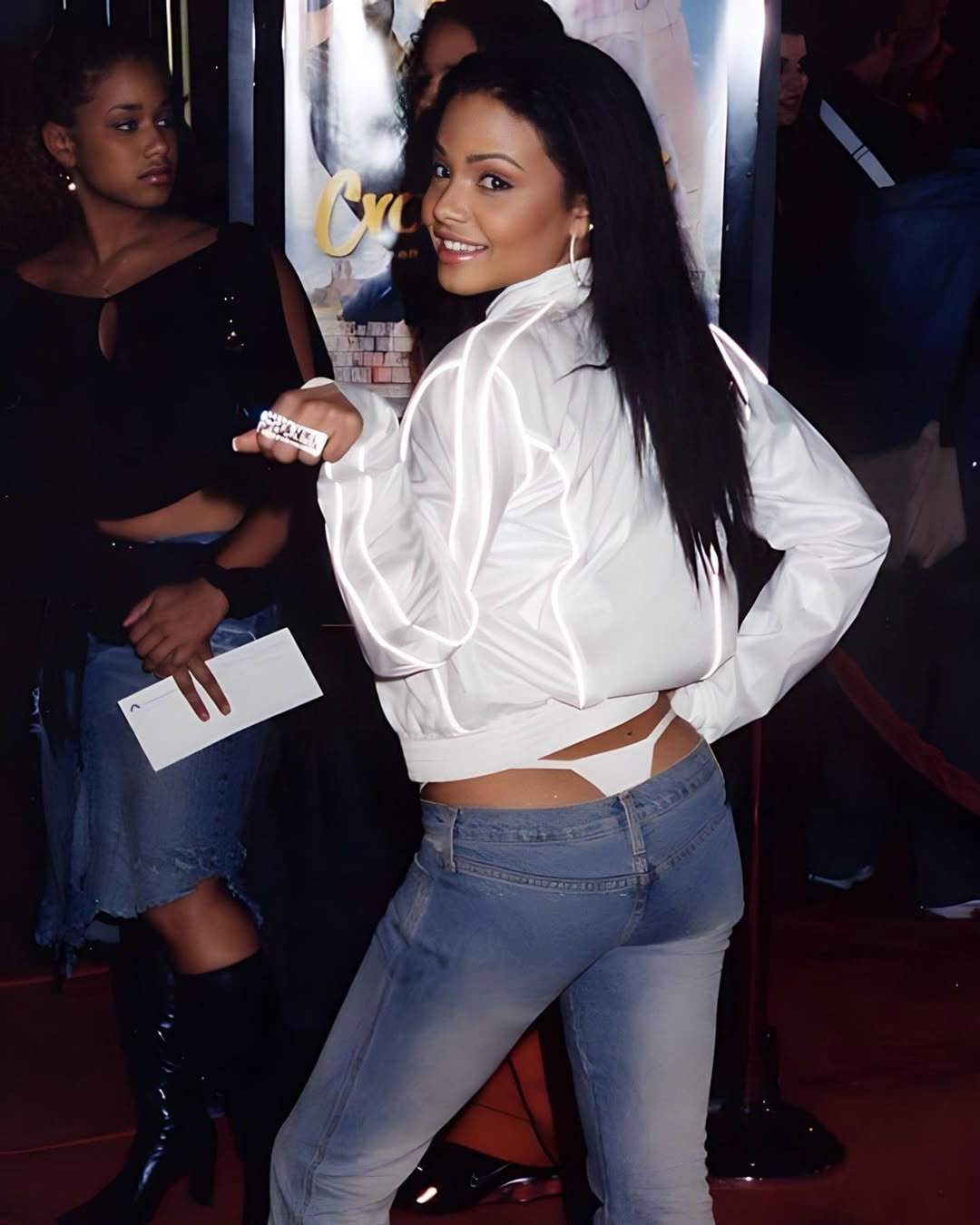
Pop culture icons of the late 1990s and early 2000s played a defining role in bringing the look to mainstream audiences. Music videos, paparazzi photography, and celebrity nightlife amplified the visibility of whale tail underwear, quickly cementing it as a symbol of bold youth identity and fashion rebellion. Consequently, the trend spread across teen magazines, red carpets, and early internet style forums.
Yet the cultural framework has shifted. Today’s return does not rely solely on celebrity shock value. Instead, contemporary fashion revisits the silhouette through a more reflective editorial lens, one that values styling intent, body inclusivity, and creative reinterpretation over provocation.
Are Whale Tails Back in Style for 2026?
Designers exploring lingerie-forward styling and visible undergarments have reignited interest in thong layering, contributing to renewed attention around the whale tail trend. Simultaneously, the rise of low-rise tailoring, micro skirts, and sheer fabrics naturally creates opportunities to highlight lingerie details. Fashion forecasts for 2026 consistently position visible underwear among key lingerie movements, aligning with increased demand for expressive silhouettes that blur the line between outerwear and intimate wear.
Meanwhile, social media styling communities demonstrate how to approach whale tail fashion with nuance. Rather than accidental exposure, creators emphasize strategic layering, tailored blazers, oversized denim, and controlled color palettes. In this context, the return feels less like nostalgia for nostalgia’s sake and more like a stylistic recalibration.
Trend Timeline: How Whale Tail Fashion Evolved Over The Years
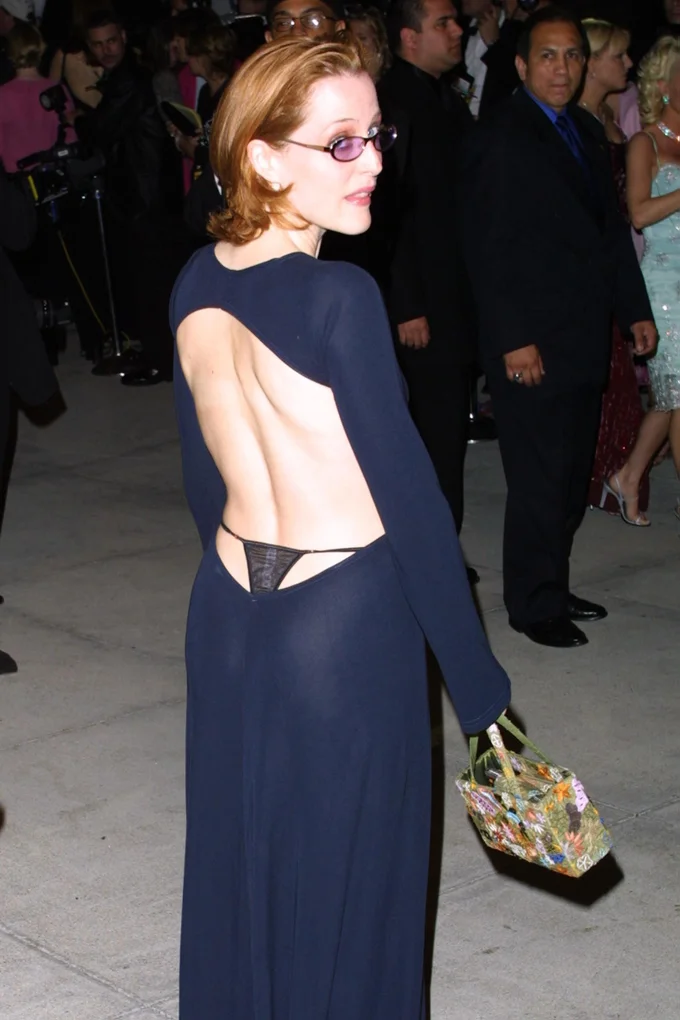
The renewed interest did not emerge without history. Each era shaped how the aesthetic was styled, received, and ultimately reinterpreted. To understand why this wave feels different, it helps to trace its evolution.
1990s: Pop Culture Sets the Stage
As low-rise denim gained traction in the late ’90s, stylists and pop stars began treating underwear as part of the outfit rather than something to conceal. Music videos, glossy magazine spreads, and early online communities propelled whale tail fashion into youth culture conversations. At this stage, the look felt playful and rebellious, deeply influenced by celebrity imagery and shifting ideas around body visibility.
2000s: Peak Visibility and Fashion Fatigue
By the early 2000s, exposed thong straps were widely recognizable across red carpets and street style. Paparazzi culture amplified every appearance, while fast-fashion brands quickly commercialized the look. However, oversaturation followed. As silhouettes shifted and higher waistlines regained popularity, conversations around objectification complicated the aesthetic’s reception. Gradually, whale tail styling faded from mainstream rotation, though it remained a potent Y2K reference.
2020s: A Styled, Intentional Revival
Today’s revival draws more from archival fashion than accidental exposure. Designers layer thong straps beneath sheer fabrics and structured tailoring, framing the body differently than early Y2K silhouettes did. Additionally, social media stylists reinterpret whale tail underwear through body-positive storytelling and experimental layering. This shift allows wearers to control visibility and context, transforming what was once sensational into something deliberate. In many ways, the trend has matured.
Why Fashion Keeps Returning to the Whale Tail Trend
Fashion moves in cycles, and controversial styles often return with new meaning. As Y2K nostalgia continues influencing runways and everyday wardrobes, previously polarizing aesthetics resurface with refined execution. Moreover, today’s emphasis on personal expression encourages wearers to reinterpret styles that once came with rigid fashion narratives.
Another key factor lies in the evolving perception of lingerie itself. Intimate apparel increasingly functions as a visible design element rather than a hidden layer. Naturally, this aligns with the whale tail aesthetic. Because modern styling prioritizes intention, wearers now choose silhouettes, fabrics, and proportions that integrate lingerie details seamlessly instead of relying on shock value.
How the Whale Tail Aesthetic Is Being Styled Today

Contemporary interpretations focus on proportion and polish. High-quality thongs with smooth elastic bands and minimal branding appear alongside structured trousers or relaxed denim to maintain visual cohesion. Neutral tones and monochrome outfits help the lingerie detail feel integrated rather than overpowering.
Importantly, comfort and craftsmanship now drive the conversation. Designers prioritize breathable fabrics, inclusive sizing, and thoughtful construction. As a result, the whale tail thong trend evolves beyond controversy and into a dialogue about styling choice.
An Editorial Perspective on the Return of Whale Tail Underwear
The renewed interest in whale tail underwear sits within a broader revival of lingerie-inspired fashion. Slip dresses with lace trims now function as eveningwear layered with coats and boots. Bloomer shorts inspired by vintage undergarments appear in editorial spreads and festival styling. Sheer layers, visible bras, and corsetry serve as intentional design elements rather than fleeting shock tactics. Within that larger movement, the whale tail conversation feels less isolated and more connected to evolving ideas around agency, comfort, and self-presentation.
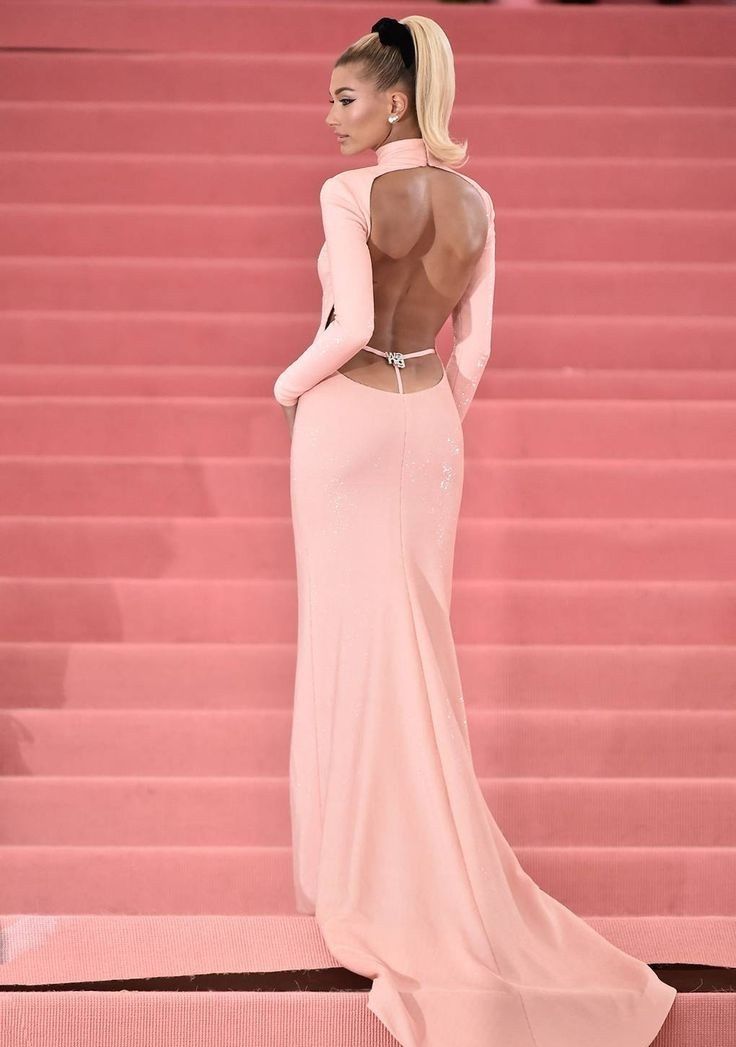
While earlier eras framed the aesthetic through sensationalism, today’s dialogue centers on intentional styling and body confidence. Nevertheless, the trend remains divisive. Some embrace its nostalgic boldness; others prefer subtler interpretations. Yet fashion’s history demonstrates one consistent truth: reinterpretation changes everything.
Final Takeaway
The renewed interest in the whale tail thong trend underscores fashion’s cyclical nature and its power to reframe controversy. As lingerie visibility, Y2K nostalgia, and expressive styling continue shaping 2026 fashion narratives, whale tail fashion emerges as both an archival reference and a modern experiment.
Ultimately, its return reflects something larger than a waistband peeking above denim. It signals a shift toward intentional exposure, creative autonomy, and evolving conversations about how intimate apparel intersects with contemporary style.
Featured image: @kimkardashian/Instagram
How Bloomer Shorts Are Redefining Lingerie-Inspired Fashion In 2026