

Sleep is supposed to be the most natural thing in the world, yet in today’s reality, it often feels like a battle. Once upon a time, people rose with the sun and slept beneath the stars. Nights were quiet then—uncluttered by noise, light, or screens, making it easier for the mind to simply surrender. Fast forward to the present, and rest has become one of the most disrupted parts of modern life. Screens glow deep into the night, work deadlines spill into personal hours, and social media hums endlessly in the background. Even when the body is exhausted, the mind refuses to power down, replaying conversations, planning tomorrow’s tasks, or spiraling through what-ifs.
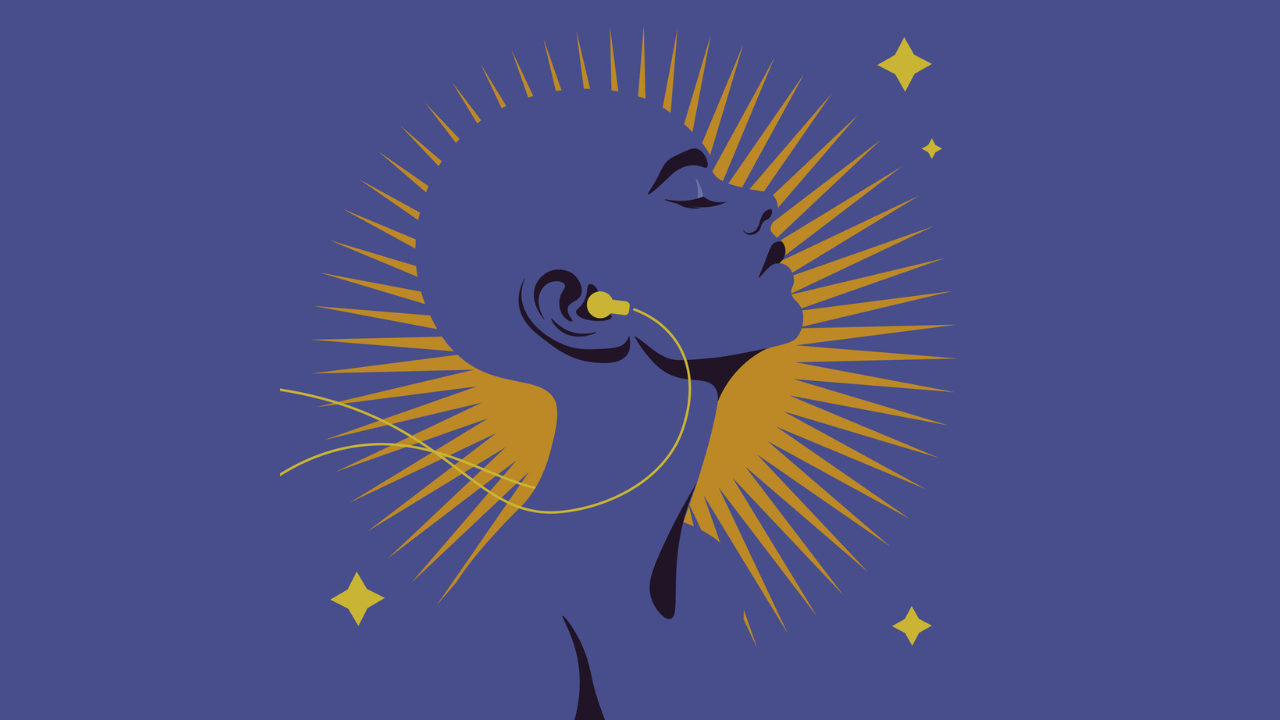
The result is a generation both sleep-deprived and overstimulated, searching for quick fixes to trick the body into calm. But this erosion of sleep is far more than an inconvenience; it’s a quiet health crisis. Doctors warn that chronic sleeplessness affects memory, focus, immunity, and even long-term heart health. Yet despite knowing the risks, so many of us still lie awake, headphones within reach, hoping that something as simple as sound might help us shut off both the noise around us and the noise within. And that’s where music has quietly stepped in, not just as entertainment, but as medicine for the restless mind.
The Science That Backs Relaxing Sleep Music

Our brains are far from passive. They respond to rhythm and melody on a deeply physiological level. Research shows that slow, steady music, typically between 60 and 80 beats per minute, helps the body align with its natural sleep cycle. It slows the heart rate, deepens breathing, and releases muscular tension. This is where relaxing music for sleep comes in. It’s not just background noise; it’s a gentle tool that guides the body toward calm and signals to the brain that it’s safe to let go.
While white noise machines may block out distractions, music goes further. A soft piano melody, ambient soundscape, or calming lo-fi beat carries emotional resonance. It soothes the thoughts that linger long after the lights go out. However, for some, lyrics can be distracting, making instrumental tracks the better choice. For others, familiar songs evoke comfort, creating a sense of safety that allows the body to unwind. Ultimately, relaxing sleep music meets each listener where they are—offering not one path to rest, but many.
From Ancient Traditions to Modern Tech
The idea of sound as a pathway to rest is hardly new. Indeed, across cultures and centuries, lullabies, chants, and meditative instruments have soothed minds and bodies alike. What’s changed is accessibility. Today, you can stream an entire sleep playlist on Spotify or YouTube with a single click, carrying ancient wisdom in your pocket.
The connection between sleep and mental health is undeniable. Without proper rest, anxiety intensifies, focus fades, and emotions become harder to manage. Restorative sleep is as vital to well-being as diet and exercise, forming the third pillar of balance.
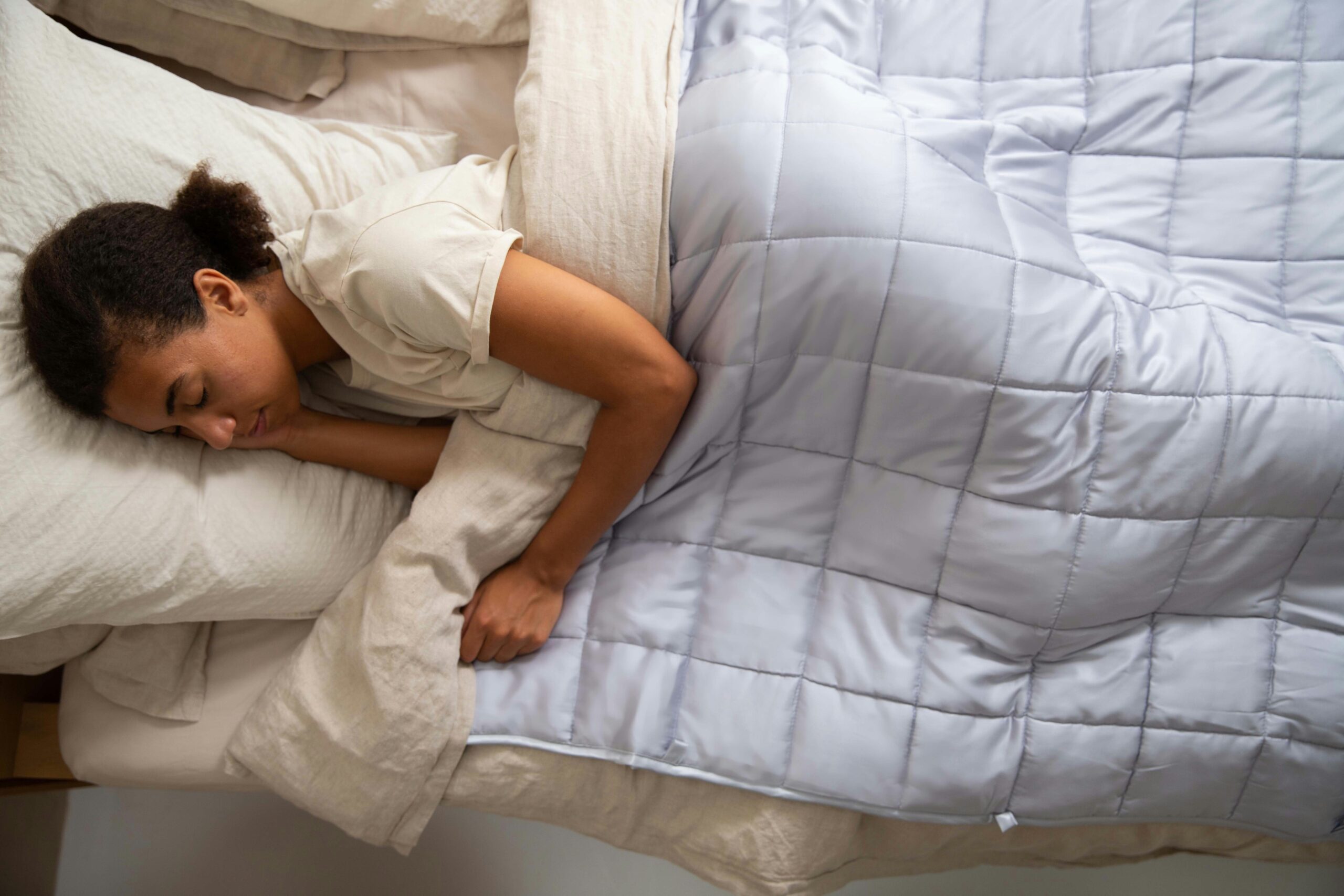
That’s why relaxing music for sleep is far more than a passing trend—it’s a genuine tool for mental wellness. Making it part of your bedtime routine builds a bridge between the overstimulation of the day and the stillness that true rest requires. Consequently, sleep improves when it becomes intentional. Pairing relaxing sleep music with dim lighting, gentle stretches, or a calming nighttime drink helps signal to the body that it’s time to wind down.
The beauty of music lies in its versatility. It can be a two-minute track that eases you into stillness or an hour-long playlist that carries you through the night. What matters most is consistency because rituals train the brain for rest in the same way repetition conditions the body for strength.
Featured image: Maria Voronovich/iStock
Medical Disclaimer
All content found on the StyleRave.com website, including text, images, audio, video, and other formats, is created for informational purposes only. The content is not intended to be a substitute for professional medical advice, diagnosis, or treatment. If you think you may have a medical emergency, please call your doctor, go to the nearest hospital, or call 911 immediately, depending on your condition.
For the latest in fashion, lifestyle, and culture, follow us on Instagram @StyleRave
—Read also