
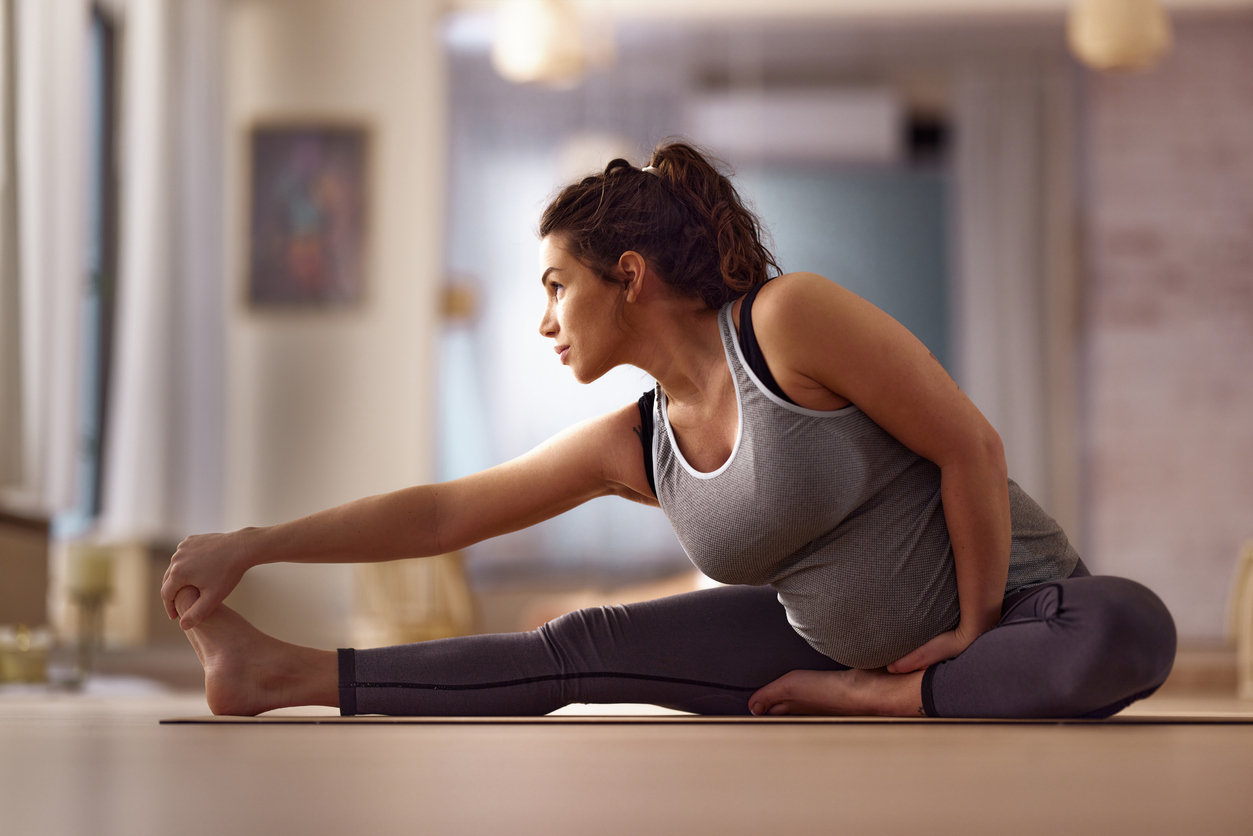

Pregnancy does not have to mean pressing pause on the version of you that loves movement, energy, and feeling strong in your own skin. Learning how to keep fit while pregnant is less about chasing a “before” body and more about building stamina, supporting your mood, and maintaining confidence for the months ahead—all while your bump grows and your routine evolves.
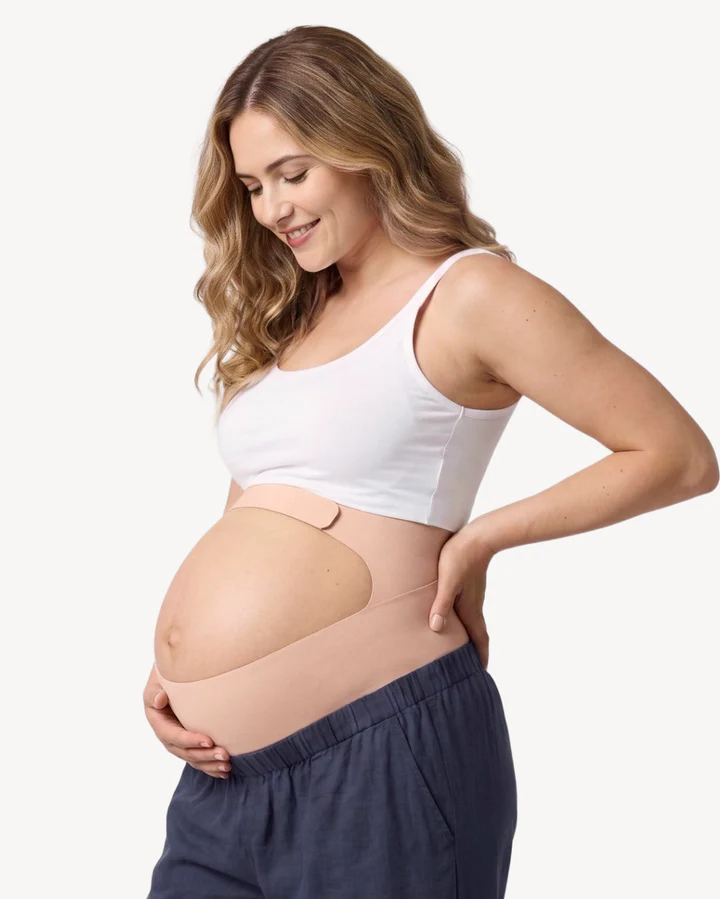
On walk days, during prenatal classes, or even on errands that turn into mini workouts, a little extra support can help you move with more ease. An adjustable maternity support belt can offer light daily support or stronger support during active days, so comfort stays part of your routine, not an afterthought.
This guide breaks down realistic ways to stay fit during pregnancy: what most providers encourage, what to skip, and how to listen to your body as your needs change. Always check in with your OB-GYN or midwife before starting or changing an exercise routine, especially if you have a high-risk pregnancy, complications, or new symptoms.
Is It Really Possible to Stay Fit During Pregnancy?
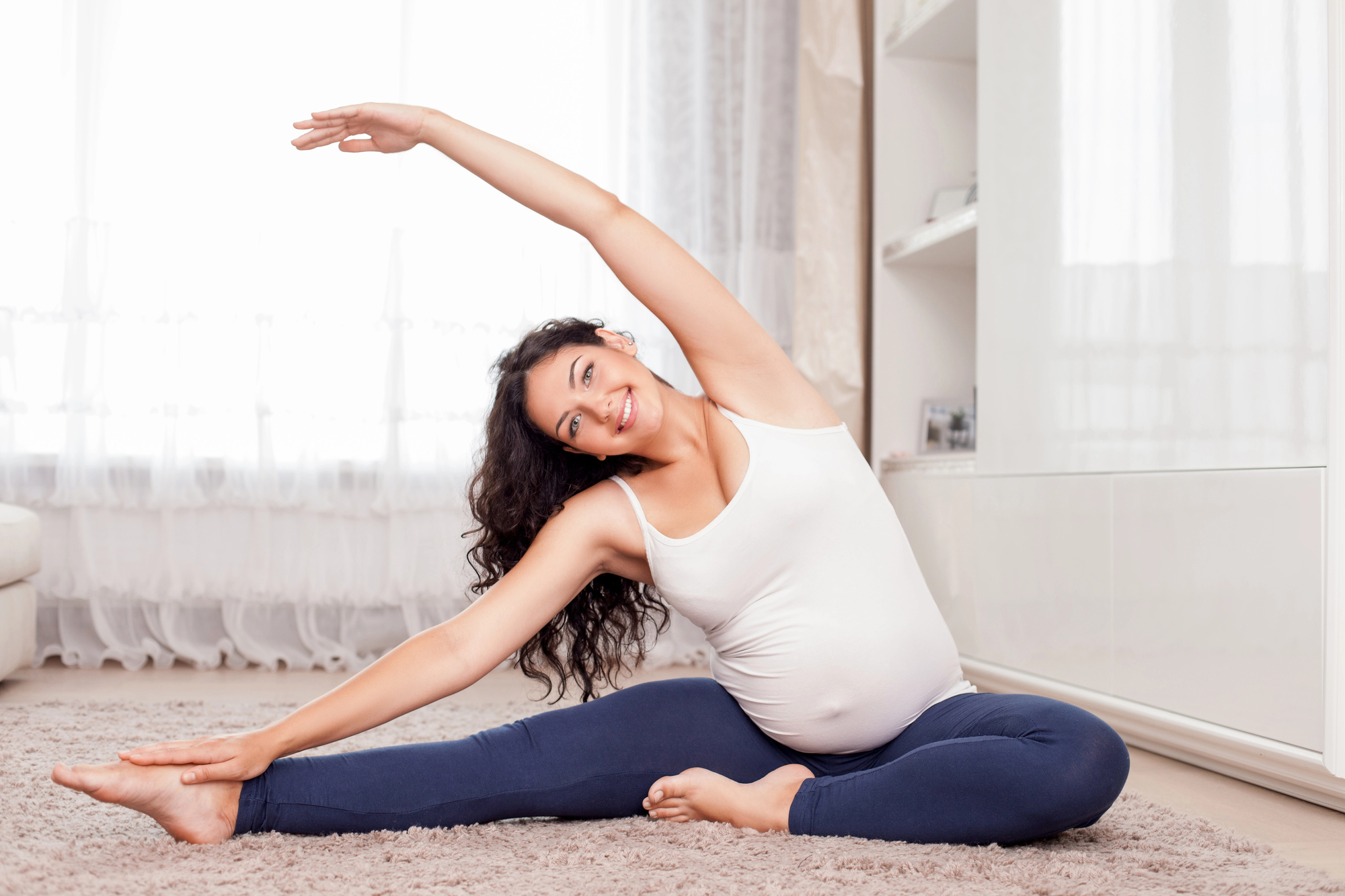
For most healthy pregnancies, yes—with the right expectations. “Fit” during pregnancy usually means maintaining strength, flexibility, and cardiovascular health, not hitting personal records or shrinking your body.
Regular movement can support energy, sleep, and mood while helping you prepare for the physical demands of pregnancy, labor, and recovery. Many women who were active before conception continue modified versions of their favorite workouts well into the second trimester and beyond. If you were not exercising before pregnancy, it can still be a gentle starting point—think walking, stretching, and provider-approved prenatal classes rather than intense boot camps.
The goal is consistency and safety, not perfection. Some days, you will finish a 30-minute walk; other days, stretching on the mat is the win. Both count toward keeping fit while pregnant.
Small, repeatable habits, such as a post-lunch walk, twice-weekly prenatal yoga, or taking the stairs instead of the elevator when you feel up to it, often add up faster than occasional intense sessions that leave you sore for days.
Here Are Smart Ways to Move Through Each Trimester
Your body changes quickly, so your workout plan should flex with it.
#1. First Trimester: Start Where You Are
If you already had a fitness routine, you can often continue at a similar intensity unless your provider says otherwise, adjusting for fatigue, nausea, or other symptoms. Low-impact options like walking, swimming, prenatal yoga, and light strength work can be good choices, particularly if you are new to exercise.
Stay hydrated, eat enough to fuel movement, and stop if you feel dizzy, unusually short of breath, or in pain. This is not the season for “push through at all costs.”
#2. Second Trimester: Find Your Rhythm
Many women feel their best here: energy may return, and the bump is visible but not yet as heavy. Walking, stationary cycling, modified strength training, and prenatal Pilates or barre are popular choices.
A maternity support belt worn during longer walks or standing workouts may help reduce the feeling of pull or pressure around your lower back and pelvis, so you finish feeling capable rather than wiped out.
#3. Third Trimester: Short, Steady, and Supported
Balance shifts, joints may feel different, and rest matters more. Shorter sessions, such as frequent walks, gentle stretching, and pelvic floor work, are often more manageable than long workouts.
Support gear and breathable layers can help keep you comfortable, so movement still feels manageable rather than like a chore you are forcing. A belly band can also add a sense of support on walking days and during prenatal workouts when your bump needs extra assistance.
Workouts That Fit a Pregnancy Wellness Lifestyle
These activities are commonly recommended when your provider gives you the green light:
- Walking — easy to scale up or down; pairs well with a support belt on longer routes.
- Swimming and water aerobics — buoyancy can ease the load on your joints.
- Prenatal yoga and Pilates — can support flexibility, core awareness, and breath work.
- Light to moderate strength training — focus on form and avoid holding your breath or straining (Valsalva maneuver).
- Stationary cycling — offers a lower fall risk than outdoor biking on uneven terrain.
- Pelvic floor exercises — can complement movement and support recovery after birth.
Wear supportive sneakers, a well-fitting sports bra, and breathable layers. Comfort and proper gear can make it easier to stay consistent.
Do not forget fuel and fluids. Balanced meals with protein, fiber, and healthy fats can support steady energy for workouts, while hydration can help you manage issues such as cramps, headaches, and overheating. Carry a water bottle and sip regularly, especially before and after activity.
Which Exercises Should Be Avoided During Pregnancy?
Even active pregnant women need clear boundaries. Depending on your individual circumstances, providers may advise avoiding or modifying:
- Contact sports and activities with a high risk of falling, such as skiing, horseback riding, and aggressive martial arts.
- Scuba diving and certain high-altitude activities, if you are not already acclimated.
- Hot yoga and workouts that can cause overheating—keep your body temperature within a safe range.
- Lying flat on your back for extended periods, particularly later in pregnancy or if the position makes you dizzy or short of breath.
- Heavy lifting or straining without guidance, especially if you are new to strength training.
- Jumping or jarring movements if they cause pelvic pain, leaking, or pressure.
If something feels wrong, such as pain, bleeding, regular contractions, calf swelling, or chest pain, stop exercising and contact your care team promptly.
Squats, Weight, and the Questions Everyone Googles
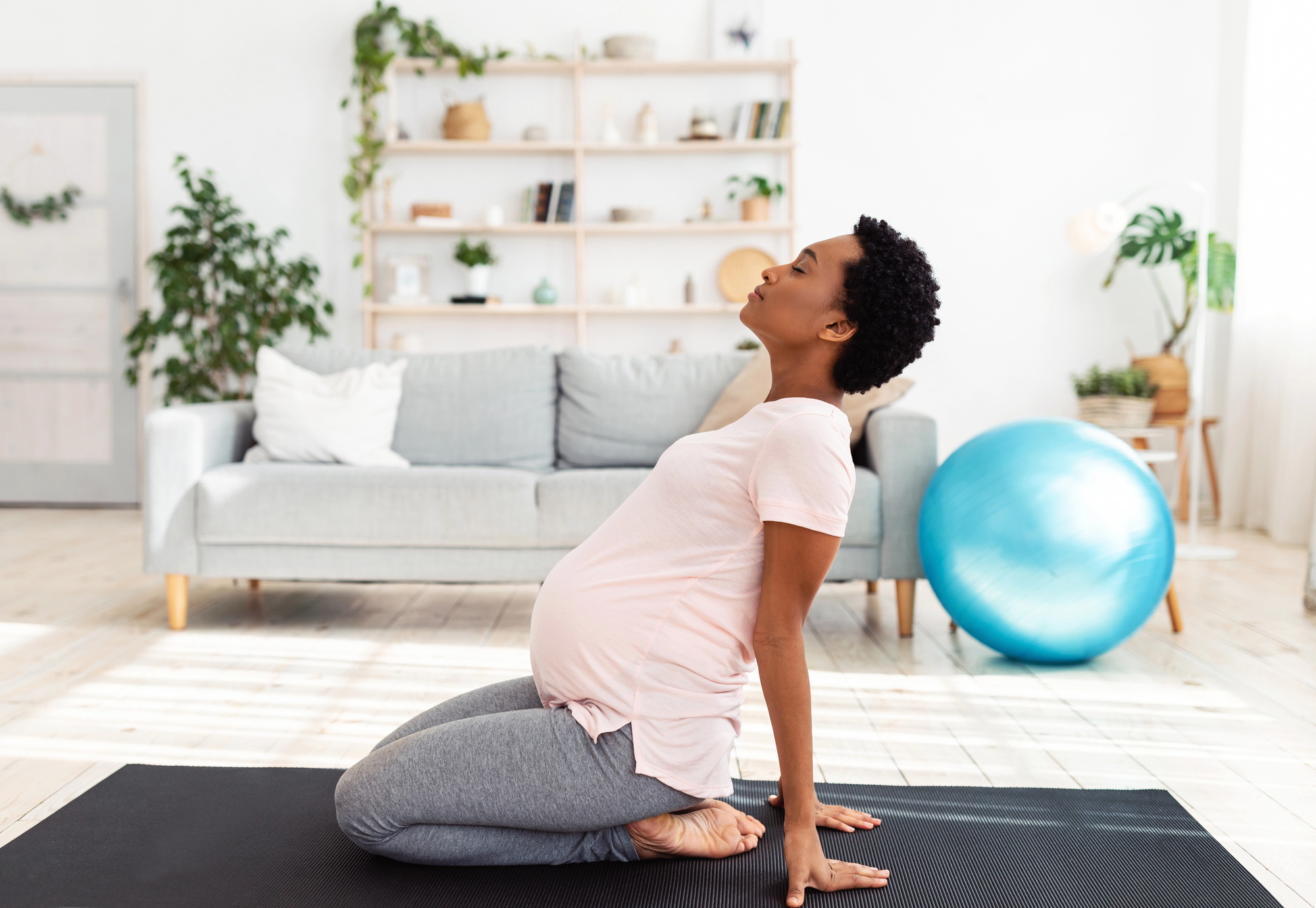
#1. Can I Do Squats at 7 Weeks Pregnant?
Often, yes, if you feel well and your provider has not given you any restrictions. Bodyweight squats and gentle strength work are common in early pregnancy, particularly if you were already doing squats before becoming pregnant.
Use a stable stance, avoid max loads if weightlifting is new to you, and avoid holding your breath while lifting. When in doubt, ask your OB-GYN or midwife.
#2. Can I Get Fit and Lose Weight While Pregnant?
Pregnancy is generally not the time for intentional weight-loss diets. Focus on nourishing food, safe movement, and maintaining fitness rather than cutting calories to slim down.
Some women with a higher pre-pregnancy weight may work with their provider on specific weight-gain goals, but that is individualized medical guidance, not a social media trend. Fitness and fat loss are not the same thing, and your body needs consistent nutrition during pregnancy.
Practical Support for Staying Active
Sometimes the difference between skipping a walk and finishing one is practical support, not willpower. A pregnancy belly band can provide support around your bump during standing and movement, which may help ease pressure on your back and pelvis when you are trying to stay active.
Look for a band that fits snugly without pinching, offers adjustable support, and stays in place during movement. Wear it during the activities that trigger discomfort rather than necessarily wearing it all day. Measure around your lower abdomen according to the manufacturer’s sizing instructions, layer it under leggings or a loose top if you prefer a smoother line, and remove it if you experience pinching, numbness, dizziness, or increased discomfort.
Different designs suit different needs. A simple one-piece band may work well for errands and light activity, while styles with back or underbust support can provide additional support during longer walks or periods of standing. Wider, multi-zone bands may feel more secure later in pregnancy or with a lower-hanging bump.
Try a few options if you can, and choose what feels best for your body and routine.
Frequently Asked Questions
#1. Is It Possible to Stay Fit During Pregnancy?
Yes, for most healthy pregnancies. Staying fit usually means maintaining safe movement, strength, and flexibility—not dieting down or training as you did before pregnancy. Get clearance from your provider, start where you are, and adjust as your bump grows.
#2. Can I Do Squats at 7 Weeks Pregnant?
Many women can continue bodyweight or light squats in early pregnancy if they feel well and have no medical restrictions. Avoid heavy straining or breath-holding if you are new to lifting, and discuss your exercise routine with your OB-GYN or midwife.
#3. Can I Get Fit and Lose Weight While Pregnant?
Pregnancy is generally not the time to pursue intentional weight loss. You can improve fitness through provider-approved exercise and balanced eating, but intentional calorie restriction is not recommended unless your healthcare provider creates a specific plan. Focus on health and strength for you and your baby.
#4. Which Exercise Should Be Avoided During Pregnancy?
Avoid activities such as contact sports, high-fall-risk exercises, scuba diving, and workouts that can cause overheating. You may also need to modify exercises that involve prolonged periods lying flat on your back if they cause symptoms. Stop any activity that causes pain, bleeding, or regular contractions, and speak with your provider about what is appropriate for your pregnancy.
Stay Strong, Stay You
Knowing how to keep fit while pregnant is really about honoring your body through change, moving in ways that feel good, and building habits that can carry into motherhood. Some weeks will feel effortless; others will ask for rest, gentle stretching, and a little extra support. Both are part of the story. However you move through this chapter, you deserve to feel capable in your skin—bump, sneakers, and all.
Featured image: skynesher/iStock
Medical Disclaimer
All content found on the Style Rave website, including text, images, audio, video, and other formats, is created for informational purposes only. The content is not intended to be a substitute for professional medical advice, diagnosis, or treatment. If you think you may have a medical emergency, please call your doctor, go to the nearest hospital, or call 911 immediately, depending on your condition.
—Read also