

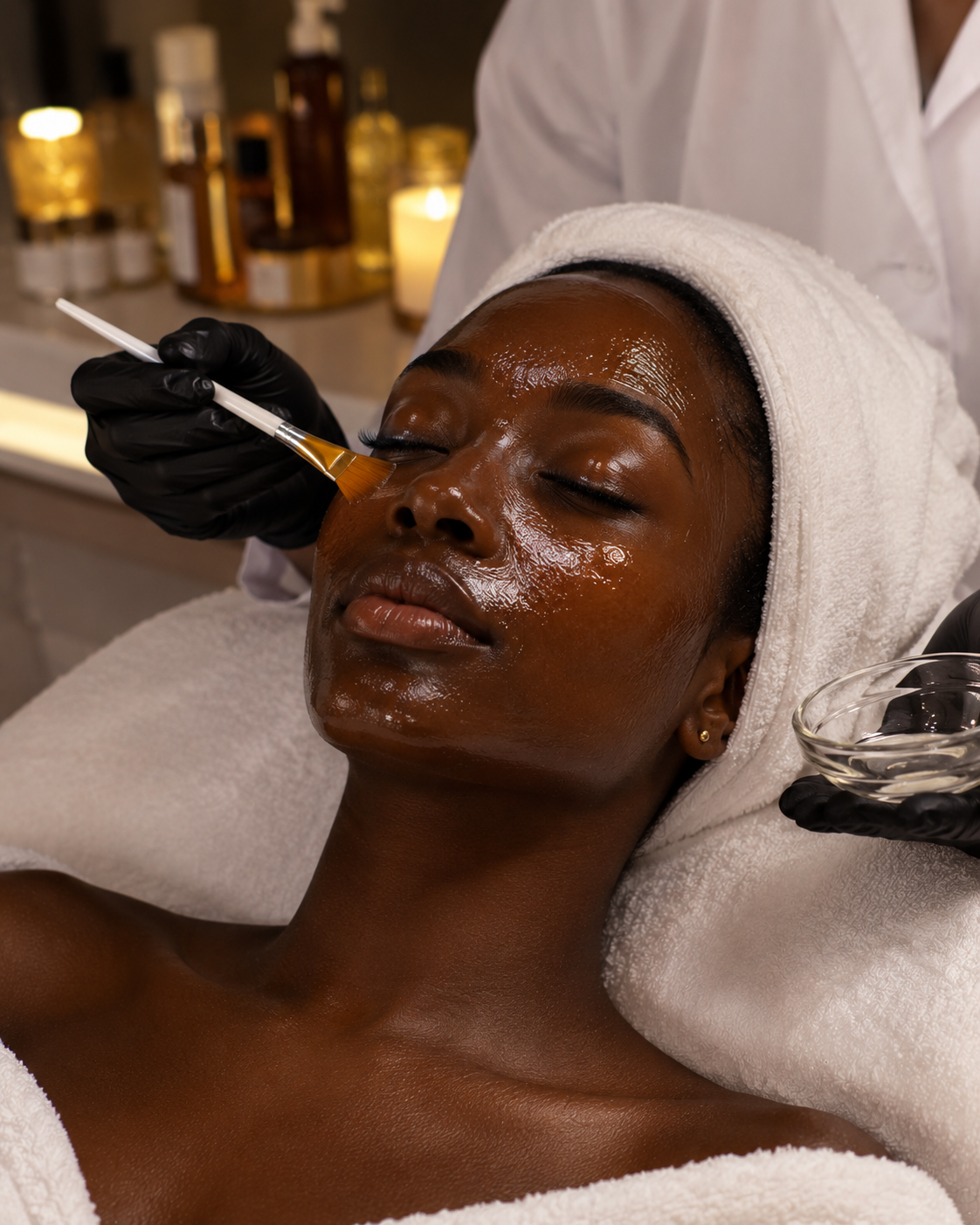

Skincare has entered an era where many people are looking beyond quick glow-boosting facials and asking bigger questions about long-term skin renewal, making phenol chemical peels one of the treatments drawing renewed attention from those seeking more dramatic results. Although social media often highlights impressive before-and-after transformations, this is one treatment that deserves far more context before anyone books an appointment.
Unlike superficial peels that freshen the skin over a few days, a phenol peel is considered the strongest type of chemical peel available. It reaches much deeper into the skin to improve severe sun damage, deep wrinkles, certain scars, and uneven texture. That depth is exactly what makes it effective, yet it’s also why dermatologists reserve it for carefully selected patients rather than treating it like an everyday procedure.
If you’ve been wondering whether a phenol peel is worth it, how safe it is, or how it compares with other skin-renewing treatments, here’s everything you should know before making a decision.
What Is a Phenol Chemical Peel?
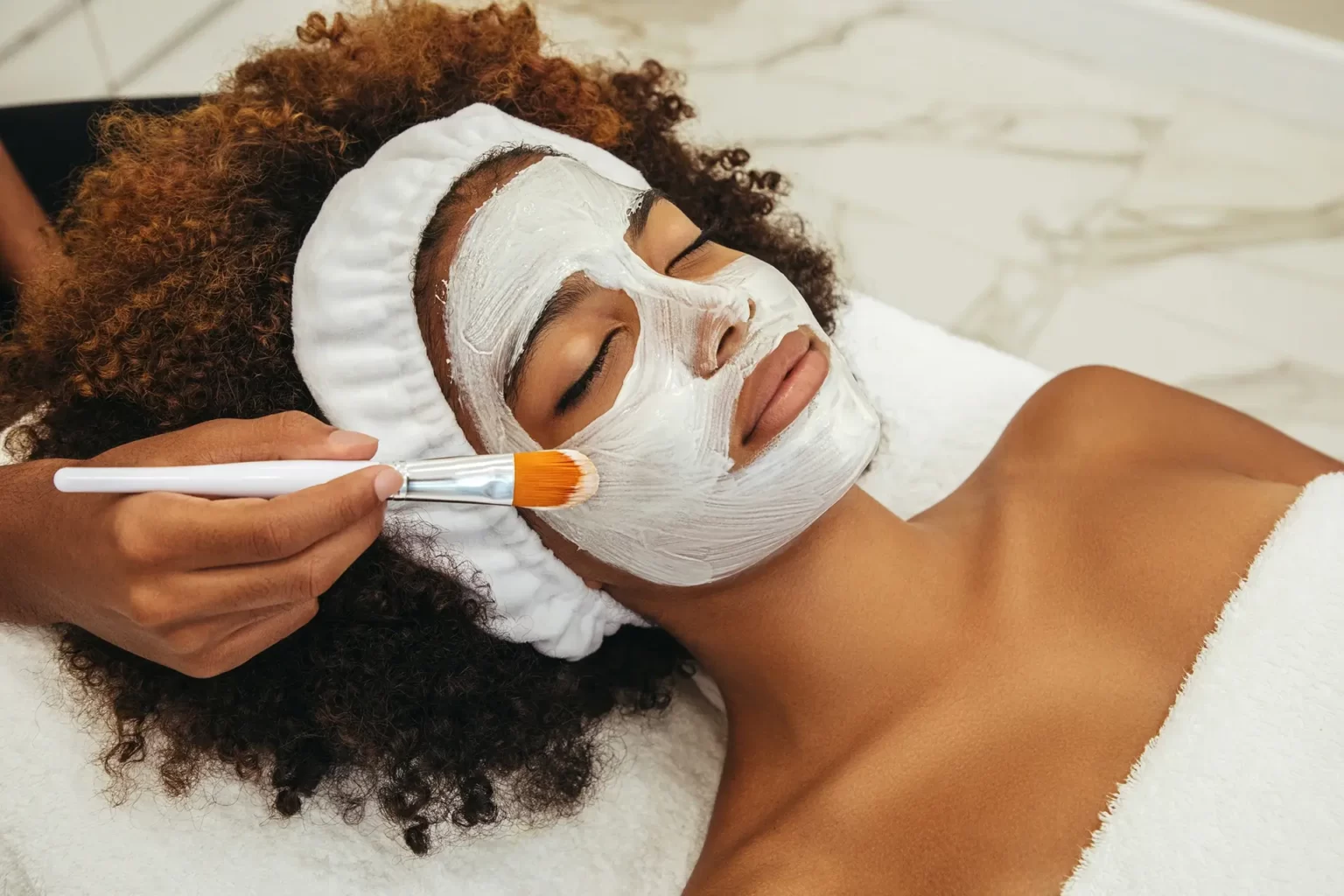
A phenol chemical peel is a deep chemical peel that uses phenol (also known as carbolic acid) to remove multiple layers of damaged skin. Unlike glycolic acid, lactic acid, or even medium-depth TCA peels, phenol penetrates much deeper into the skin, triggering significant collagen remodeling as new skin develops during the healing process.
The treatment has been used in dermatology for decades and remains one of the most effective options for improving advanced signs of skin aging. While newer lasers and energy-based devices have expanded the number of skin resurfacing treatments available today, phenol peels continue to have a place in treating extensive sun damage and deeply etched wrinkles.
The trade-off, however, is substantial downtime, intensive aftercare, and closer medical supervision.
What Does Phenol Do in a Chemical Peel?
During treatment, the phenol solution intentionally creates a controlled injury that removes damaged skin cells while stimulating the production of fresh collagen and elastin beneath the skin. Over the following weeks and months, new skin gradually replaces the older surface.
This process can improve:
- Deep facial wrinkles
- Severe sun damage
- Certain acne scars
- Uneven skin texture
- Age spots
- Precancerous sun damage in some cases
- Overall skin firmness
One reason dermatologists continue recommending phenol chemical peels for carefully selected patients is that collagen production continues well after the initial healing period, meaning improvements often develop over several months.
Is It Safe?
This is one of the most common questions online, and the answer comes with important caveats. Yes, phenol peels can be safe when performed by an experienced board-certified dermatologist or plastic surgeon in an appropriate medical setting. However, they are not considered routine cosmetic treatments.
Phenol can be absorbed into the bloodstream, which is why physicians often monitor patients carefully during treatment. Depending on the treatment plan, heart monitoring may be recommended because phenol can affect heart rhythm in certain individuals.
The treatment is also unsuitable for everyone. People with certain heart conditions, kidney disease, liver disease, active skin infections, or specific skin types may not be ideal candidates. Your medical history plays a major role in determining whether this treatment is appropriate.
This is one area where professional assessment matters far more than online recommendations or viral skincare videos.
Does a Phenol Peel Lighten Skin?
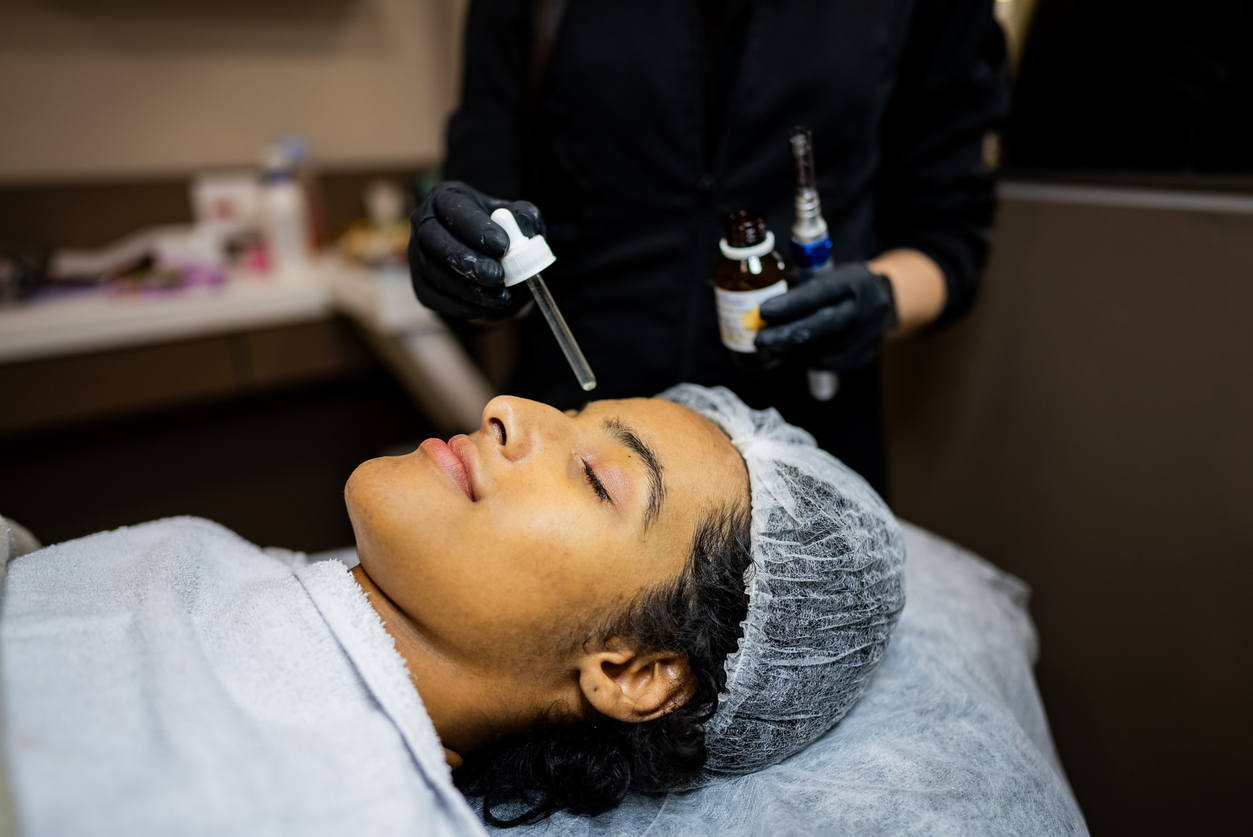
Not exactly. A phenol peel removes damaged skin and encourages healthier skin to emerge, making the complexion appear brighter, smoother, and more even. However, it is not designed as a skin-lightening procedure.
In fact, dermatologists are particularly cautious when recommending deep peels for darker skin tones because the treatment carries a higher risk of long-term pigment changes, including hypopigmentation, in which treated areas become permanently lighter than the surrounding skin.
That’s why skin tone, medical history, and pigmentation risk are all evaluated before recommending the treatment, especially for patients with melanin-rich complexions.
Who Is the Best Candidate for This Procedure?
Generally, the treatment works best for people with:
- Deep facial wrinkles
- Significant sun damage
- Advanced photoaging
- Certain acne scars
- Fairer skin tones with a lower risk of pigmentation changes
- Realistic expectations about recovery
Age itself is less important than skin condition. Someone in their 40s with severe sun damage may benefit more than someone in their 60s whose concerns are relatively mild. The decision depends on the condition of the skin rather than age.
How Long Does It Last?
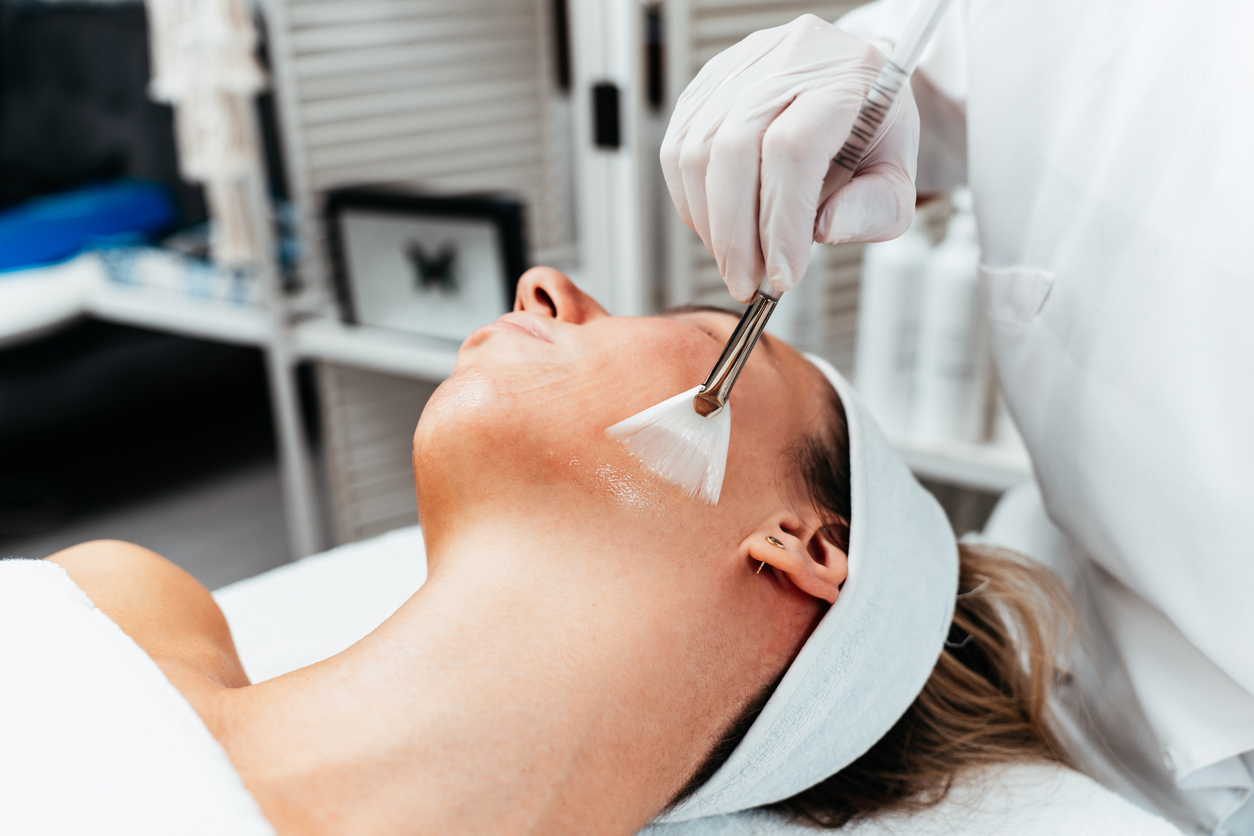
One reason phenol chemical peels remain respected despite newer technologies is their longevity.
While no cosmetic treatment can permanently stop the natural aging process, results often last for many years. Improvements in wrinkles, skin texture, and sun damage can remain visible for a decade or even longer when paired with diligent sunscreen use and a consistent skincare routine.
Daily UV protection becomes especially important after treatment because newly regenerated skin remains more vulnerable to sun damage.
Which Chemical Peel Is Best for Skin Brightening?
That depends on your goal. If your primary concern is dullness or mild pigmentation, lighter peels containing glycolic acid, lactic acid, mandelic acid, or salicylic acid are usually sufficient. TCA peels are commonly recommended for moderate discoloration and texture concerns.
Phenol peels sit at the opposite end of the spectrum. They are intended for dramatic skin resurfacing rather than simple brightening, meaning they are not automatically the best option simply because they are the strongest. Sometimes, the gentler treatment is actually the better choice.
Microneedling or Chemical Peel: Which is Better for Aging Skin?
Rather than viewing them as competing treatments, it’s better to see them as procedures designed to address different concerns.
Microneedling stimulates collagen through controlled micro-injuries while leaving the skin’s surface largely intact. Recovery is shorter, making it suitable for a wider variety of skin tones. Chemical peels work by removing damaged layers of skin before healthier skin develops.
For mild to moderate signs of aging, many dermatologists begin with microneedling or medium-depth peels. Deep wrinkles and severe photoaging may prompt a discussion about phenol chemical peels if the patient is an appropriate candidate and fully understands the recovery involved.
Ultimately, the best treatment depends on your skin goals, tolerance for downtime, and medical suitability rather than choosing whichever option sounds the strongest.
Featured image: Style Rave Studio/AI-generated Visual