

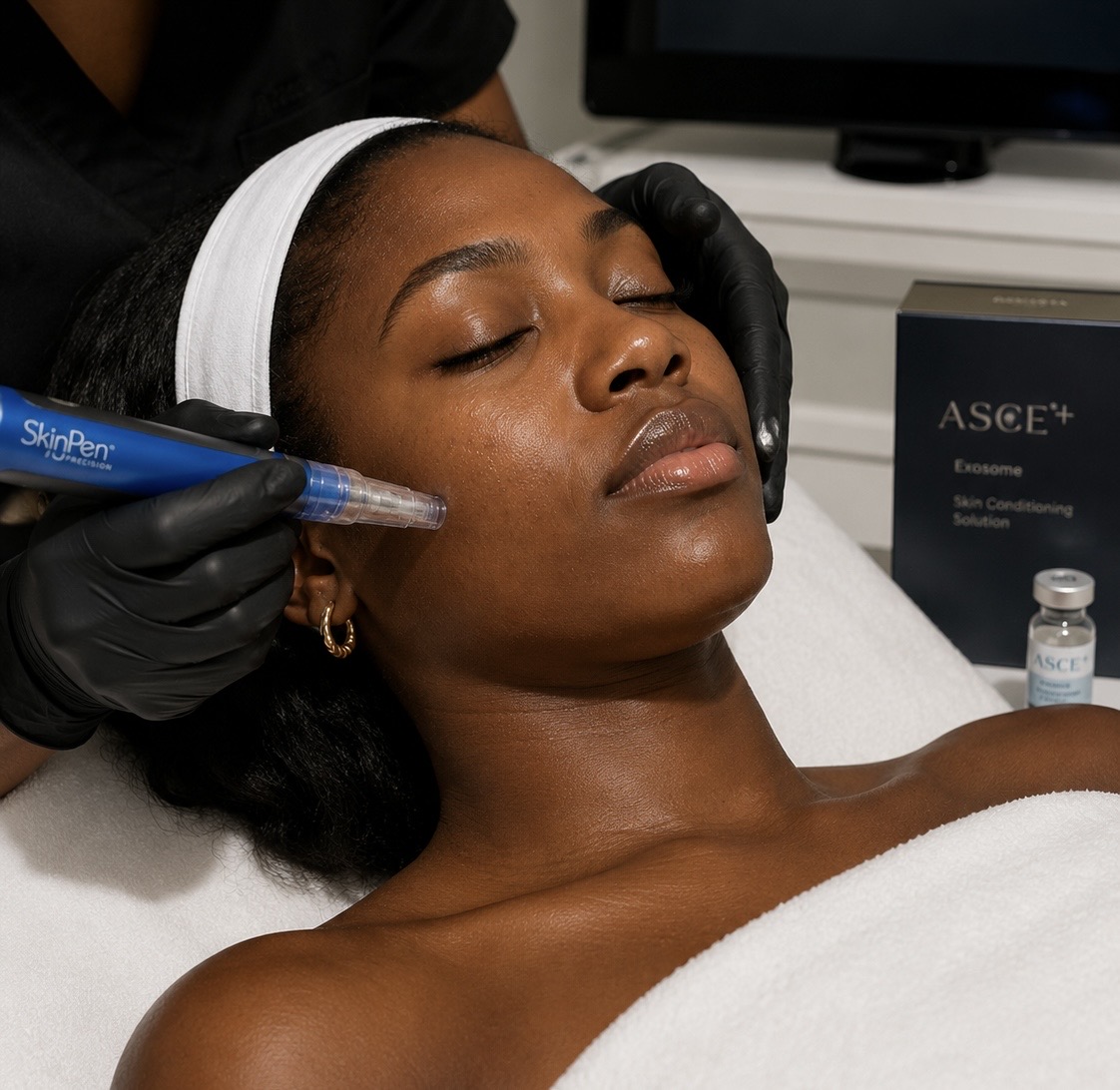

Beauty clinic services are becoming increasingly sophisticated, offering treatments that go beyond traditional facials and chemical peels. One procedure attracting particular attention is exosome microneedling, which combines collagen-stimulating microneedling with regenerative skincare technology. Interest has surged as more people explore non-surgical skin rejuvenation treatments.
Part of what makes this trend so fascinating is that it combines two beauty innovations that were already generating buzz on their own. Microneedling has been a popular treatment for years, while exosomes have emerged as one of the most talked-about developments in regenerative skincare. Together, they have created a treatment many clinics are positioning as the next evolution of skin rejuvenation.
Yet beyond the marketing language and before-and-after photos, many people are still asking the same question: What exactly is exosome microneedling, and does it deserve the attention it’s receiving?
What Are Exosomes?
The word exosome sounds highly technical, making the treatment seem more complicated than it actually is.
Exosomes are tiny extracellular vesicles naturally released by cells. They contain proteins, lipids, amino acids, growth factors, and signaling molecules that help cells communicate with one another.
A simple way to think about them is as biological messengers. Rather than rebuilding the skin themselves, exosomes deliver signals that may encourage surrounding cells to perform certain functions. In skincare, these signals are believed to support processes associated with collagen production, tissue repair, and overall skin rejuvenation.
This signaling ability is one reason so many skincare professionals have become interested in the technology. The goal is not simply to place ingredients on the skin’s surface but to encourage biological activity beneath it.
What Is Exosome Microneedling?
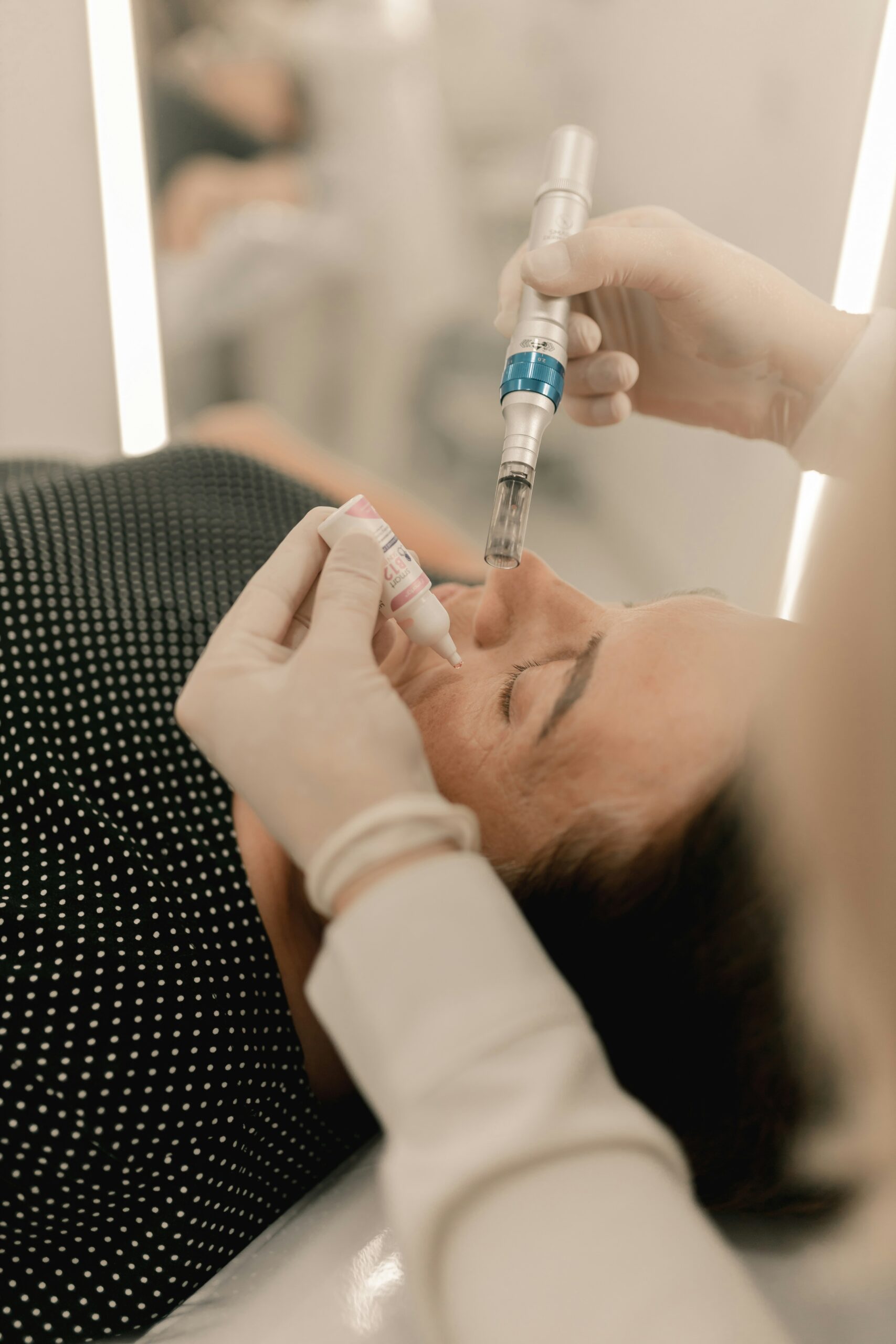
Exosome microneedling combines traditional microneedling with the application of an exosome-rich serum.
The procedure begins with microneedling, which uses tiny needles to create controlled micro-injuries in the skin. These microscopic channels trigger the body’s natural repair response and encourage collagen and elastin production.
Immediately afterward, an exosome serum is applied to the treated area. Because the skin has already been opened through thousands of microscopic channels, the active ingredients can penetrate far deeper than they would through normal topical application.
Many practitioners point to research suggesting that skin may absorb certain ingredients more effectively after microneedling.
Why Is This Treatment Trending?
Several factors have contributed to the rapid rise of exosome microneedling.
First, consumers are becoming increasingly interested in treatments that focus on long-term skin quality rather than temporary cosmetic improvements. Instead of seeking products that create a glow for only a few hours, many people want treatments that support healthier-looking skin over time.
Second, the numbers behind the trend are difficult to ignore. One exosome microneedling serum sold through Amazon reportedly moved around 16,000 units in a single month, generating more than $405,000 in revenue. That level of consumer demand reflects growing curiosity among skincare shoppers.
The wider exosome market is also expanding rapidly. Industry estimates value the global market at approximately $222.1 million, with projections suggesting annual growth exceeding 28% through 2032. These figures suggest interest extends well beyond beauty influencers and skincare enthusiasts.
Why Microneedling Plays Such an Important Role
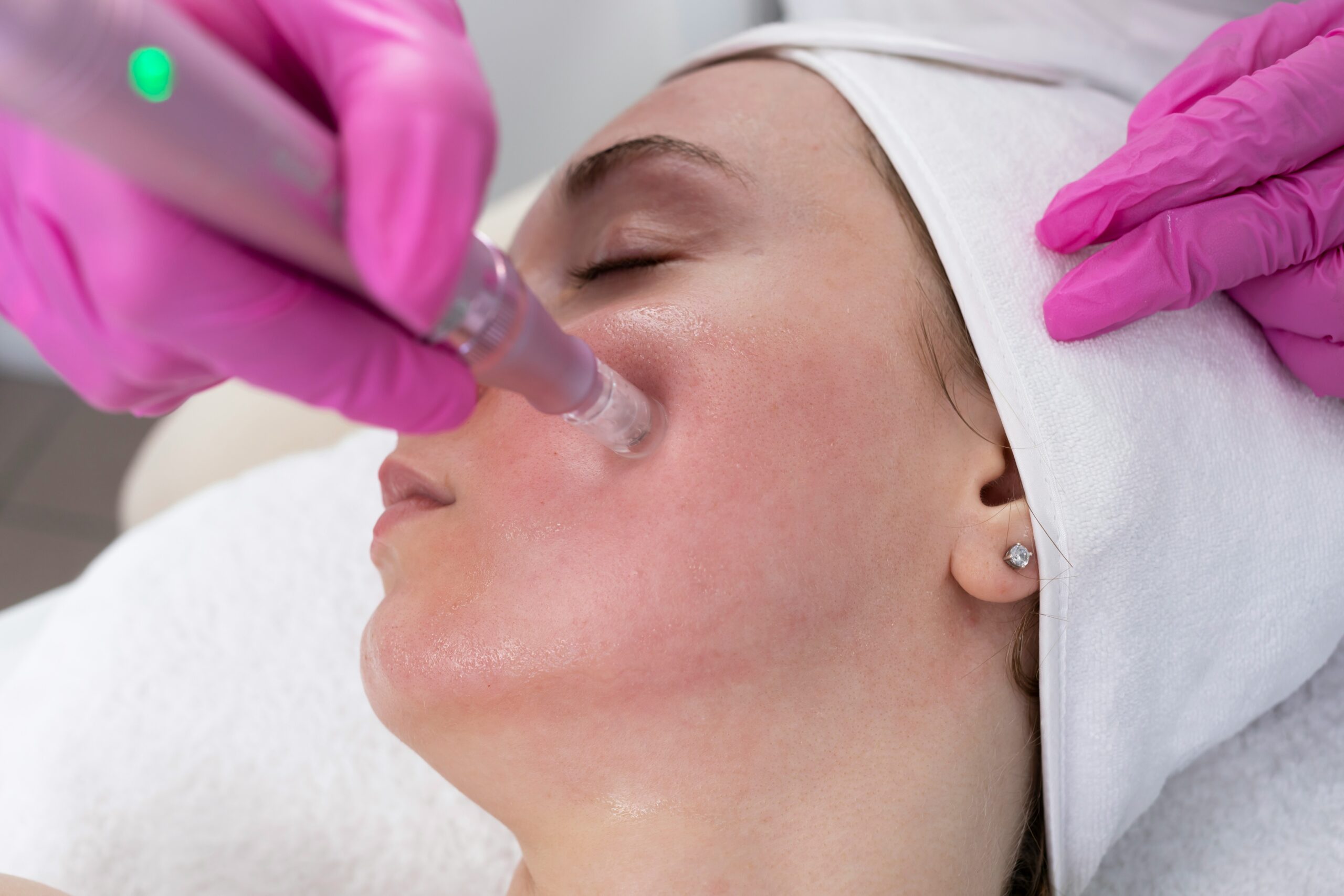
A common misconception is that exosomes are the entire story. In reality, microneedling remains one of the primary reasons people pursue this treatment.
When controlled micro-injuries are created in the skin, the body responds by initiating its natural repair processes. During this response, collagen and elastin production may increase as the skin works to heal itself. This is why microneedling remained popular long before exosomes entered the conversation.
Search interest in microneedling has reportedly increased by more than 100% over the past two years, while the global microneedling market is estimated to be worth approximately $871 million. In other words, exosomes are entering an already booming category rather than creating an entirely new one.
What Makes Exosomes and Microneedling Work Well Together?
The strongest argument for the treatment lies in how the two technologies complement each other. Microneedling creates thousands of microscopic pathways in the skin. Exosome serums are then applied while those pathways remain open.
Many practitioners believe this combination allows ingredients to reach deeper layers of the skin than traditional topical application. As a result, interest in pairing exosomes with microneedling continues to grow among people seeking treatments that target skin texture, tone, and overall appearance.
Although research is still evolving, supporters argue that combining the two approaches may create a more supportive regenerative environment than either treatment alone.
Other Microneedling Trends Emerging Alongside It
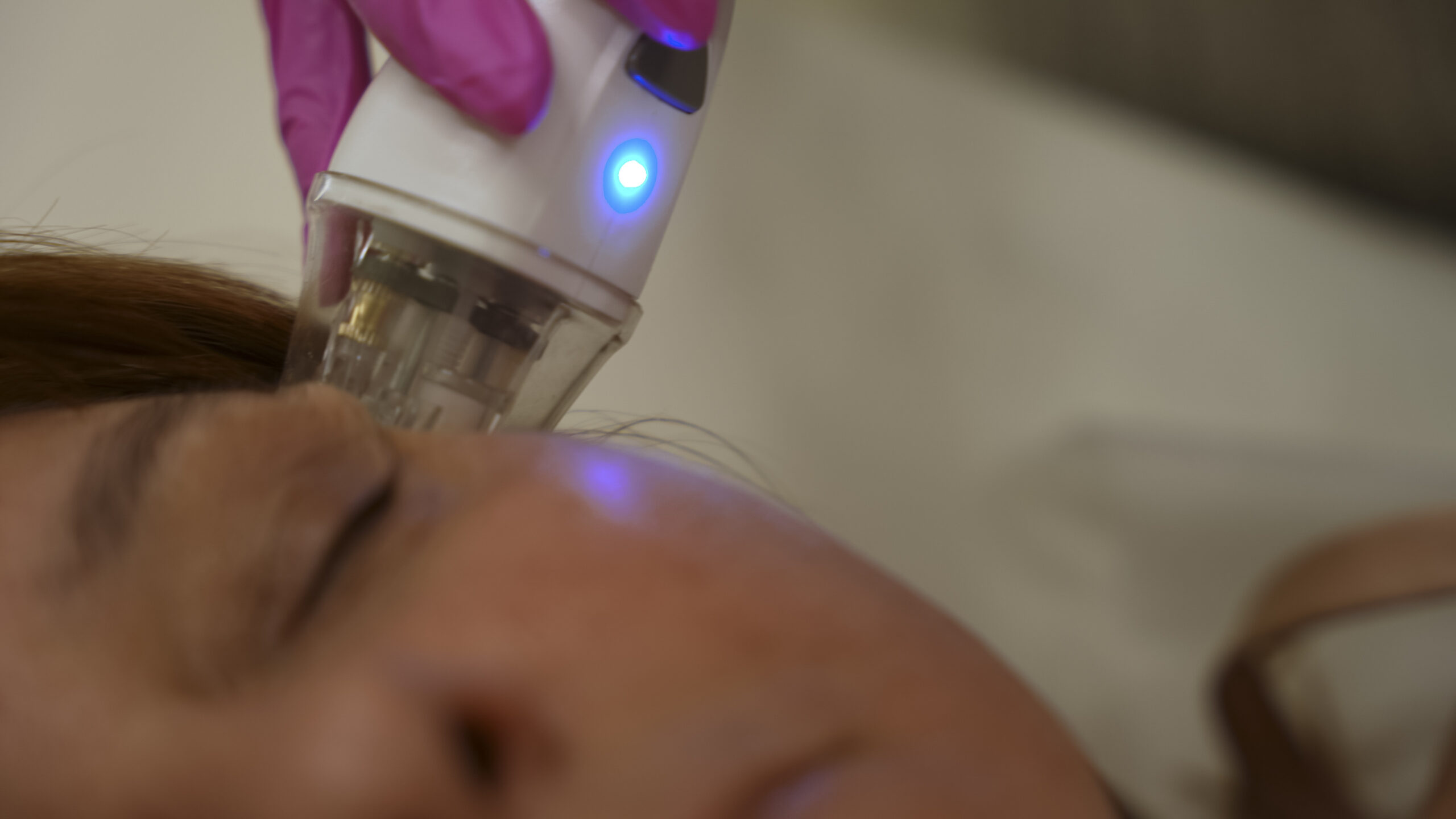
Exosome microneedling is not the only innovation attracting attention. Several related treatments are also experiencing strong growth.
RF Microneedling
Radiofrequency microneedling combines traditional microneedling with radiofrequency energy. While the needles create controlled micro-injuries, the radiofrequency energy delivers heat beneath the skin’s surface to stimulate an even greater repair response. As a result, RF microneedling is often recommended for concerns such as skin laxity, wrinkles, and deeper textural irregularities.
Bio Microneedling
Bio microneedling takes a different approach. Instead of metal needles, it relies on naturally occurring microscopic spicules that penetrate the skin. These tiny structures create a similar stimulation effect without traditional needle devices. The concept has become particularly interesting as some brands now incorporate spicules into skincare formulas, leading to the rise of so-called liquid microneedling products.
What Experts Are Watching Closely
One detail often overlooked in discussions about exosomes is that the category is still evolving.
Different brands use different sourcing methods, manufacturing processes, and formulations. As a result, outcomes can vary significantly depending on both the product used and the clinic performing the treatment.
Many dermatologists and skincare professionals are watching the category closely as more research becomes available. That does not mean the treatment lacks potential. Rather, it highlights the importance of distinguishing marketing claims from clinically supported evidence.
Many promising beauty technologies pass through this stage before clearer standards emerge.
Is Exosome Microneedling Worth the Hype?
The answer depends on your expectations. People looking for overnight transformation may be disappointed. Treatments designed to stimulate collagen production typically require time, consistency, and patience.
However, the growing popularity of exosome microneedling suggests many consumers are increasingly interested in long-term skin improvement rather than quick fixes. That perspective aligns with broader beauty trends, where skin health is becoming just as important as cosmetic enhancement.
Shop editor’s edit
Final Thoughts
Exosome microneedling sits at the intersection of regenerative skincare, advanced treatment technology, and growing consumer interest in collagen-focused procedures. While researchers continue exploring the full potential of exosomes, the rapid growth of microneedling treatments suggests this category will likely remain on the beauty industry’s radar for years to come.
For now, the treatment serves as another example of how modern skincare is moving beyond surface-level solutions and toward approaches designed to support the skin’s natural repair processes.
Featured image: Style Rave Studio/AI-generated Visual