
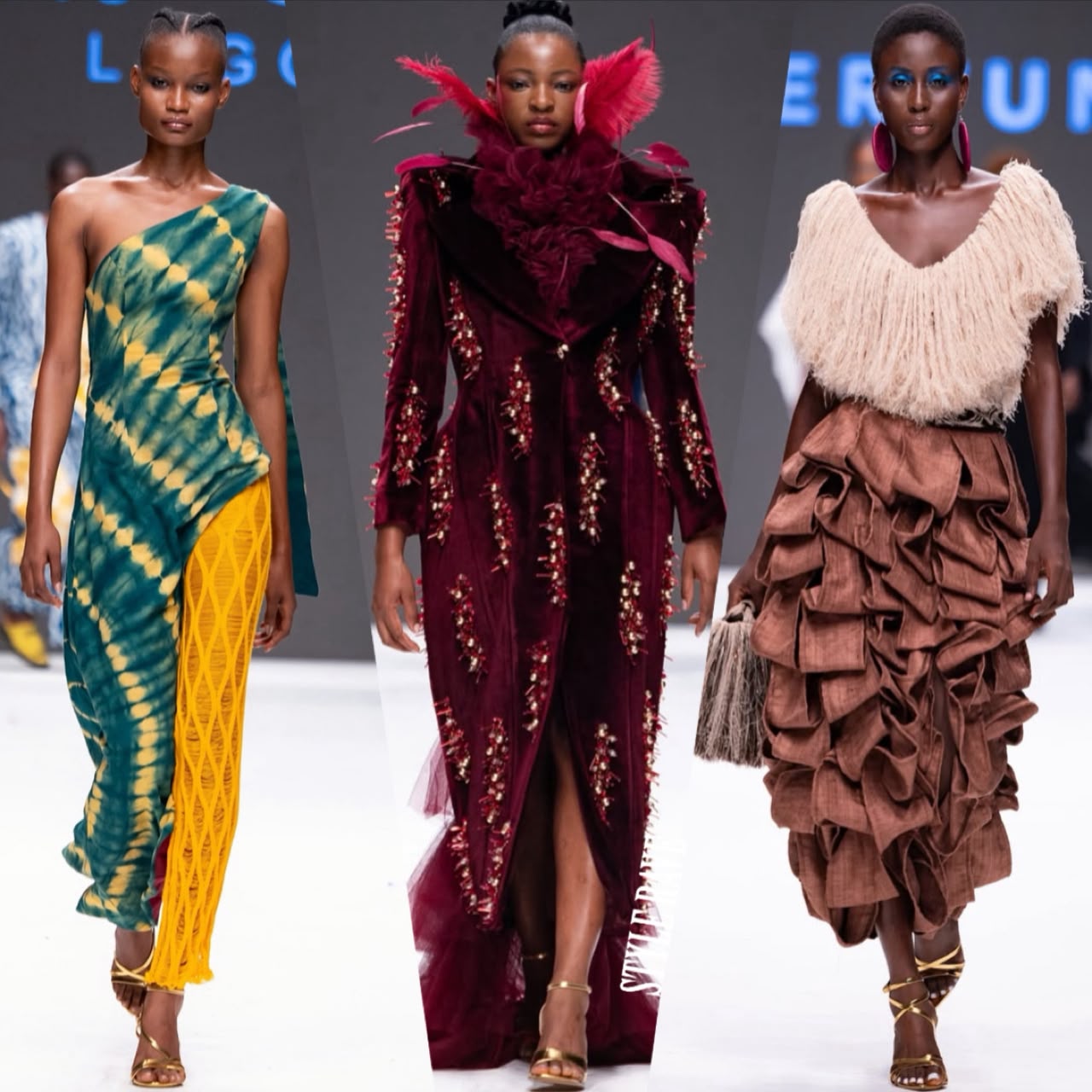

Lagos Fashion Week 2026 wrapped up on November 1, bringing five days of runway presentations that gave a closer look at the direction of contemporary African fashion and the trends that will be defining the coming fashion year. Across more than 60 designer showcases at the Federal Palace Hotel in Victoria Island, certain ideas appeared repeatedly, creating a visual thread between collections that approached design from very different perspectives.
Under the theme “CRAFTED: Heritage. Innovation. Circular Futures,” the season placed traditional African textiles, artisanal techniques, and experimental construction at the center of the conversation. From Akwete weaving and adire to sheer fabrics, reconstructed sportswear, fringe, and intricate embroidery, the runways presented a mix of familiar cultural references and modern design approaches. These were seven fashion trends that stood out throughout Lagos Fashion Week 2026.
Here are the 7 trends spotted at the Lagos Fashion Week 2026 showcase…
#1. Indigenous African Textiles Take Center Stage
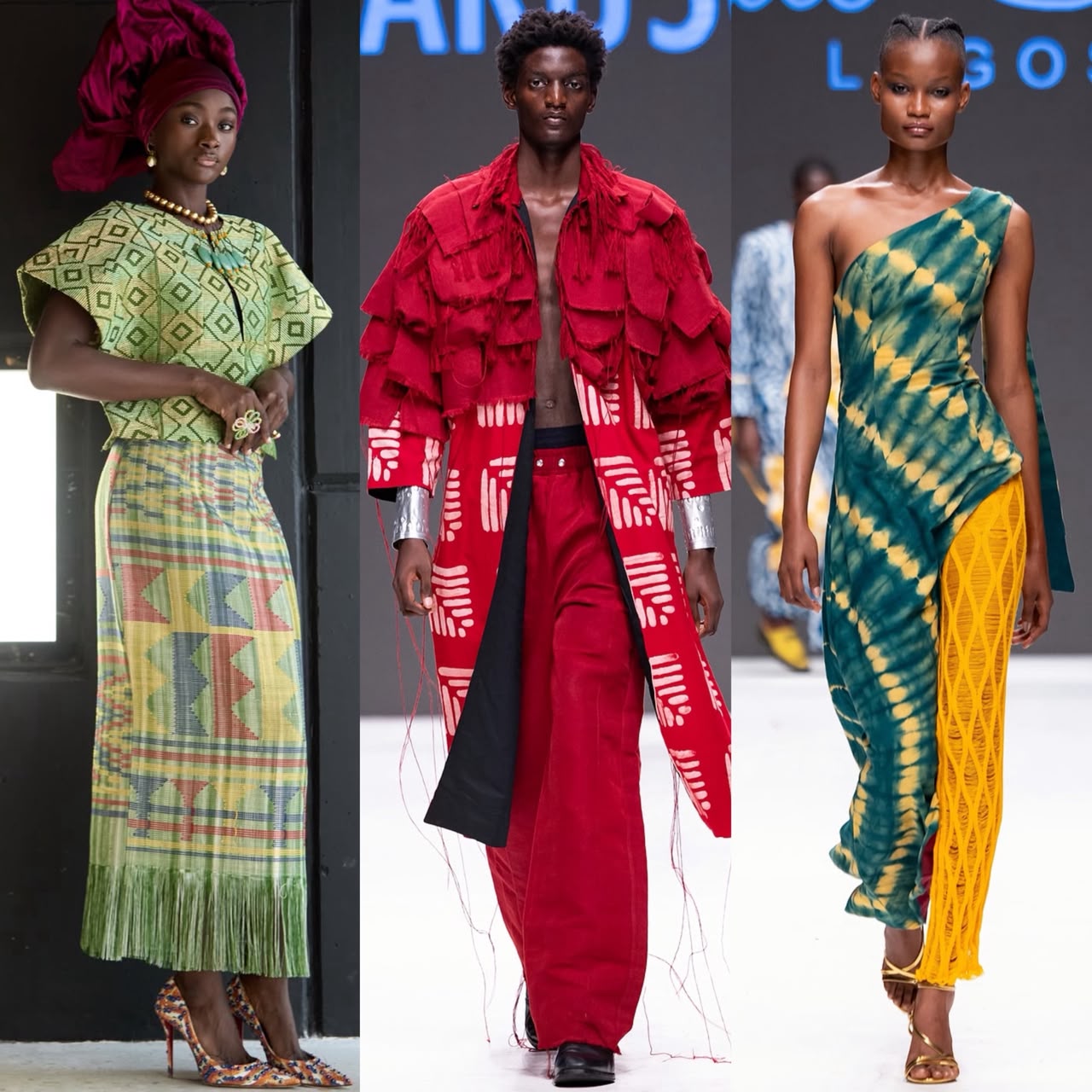
Traditional African textiles were among the most prominent features of Lagos Fashion Week 2026, with designers moving beyond using them as decorative accents and making them the foundation of their collections. Akwete weaving, adire, handwoven fabrics, and indigenous embroidery appeared in contemporary silhouettes that gave these materials a fresh design perspective.
Emmy Kasbit and ALÁRA offered one of the clearest examples through their collaborative capsule collection, “Akwete Reimagined.” The presentation explored the possibilities of traditional Akwete weaving, translating the southeastern Nigerian textile into statement garments with modern cuts and proportions. Rather than treating the fabric as a heritage reference, the collection allowed its distinctive weave to determine the character of each piece.
Benin Republic-based Bakusoraya also incorporated indigenous textiles, pairing them with embroidery and fringe against a restrained neutral palette. Cute-Saint, meanwhile, brought adire into focus through cowrie embellishments, closing its presentation with a masquerade performance. Together, these collections demonstrated how traditional materials can remain culturally recognizable while taking on new forms.
Shop editor’s picks
#2. Reconstructed Garments Give Circular Fashion a New Look
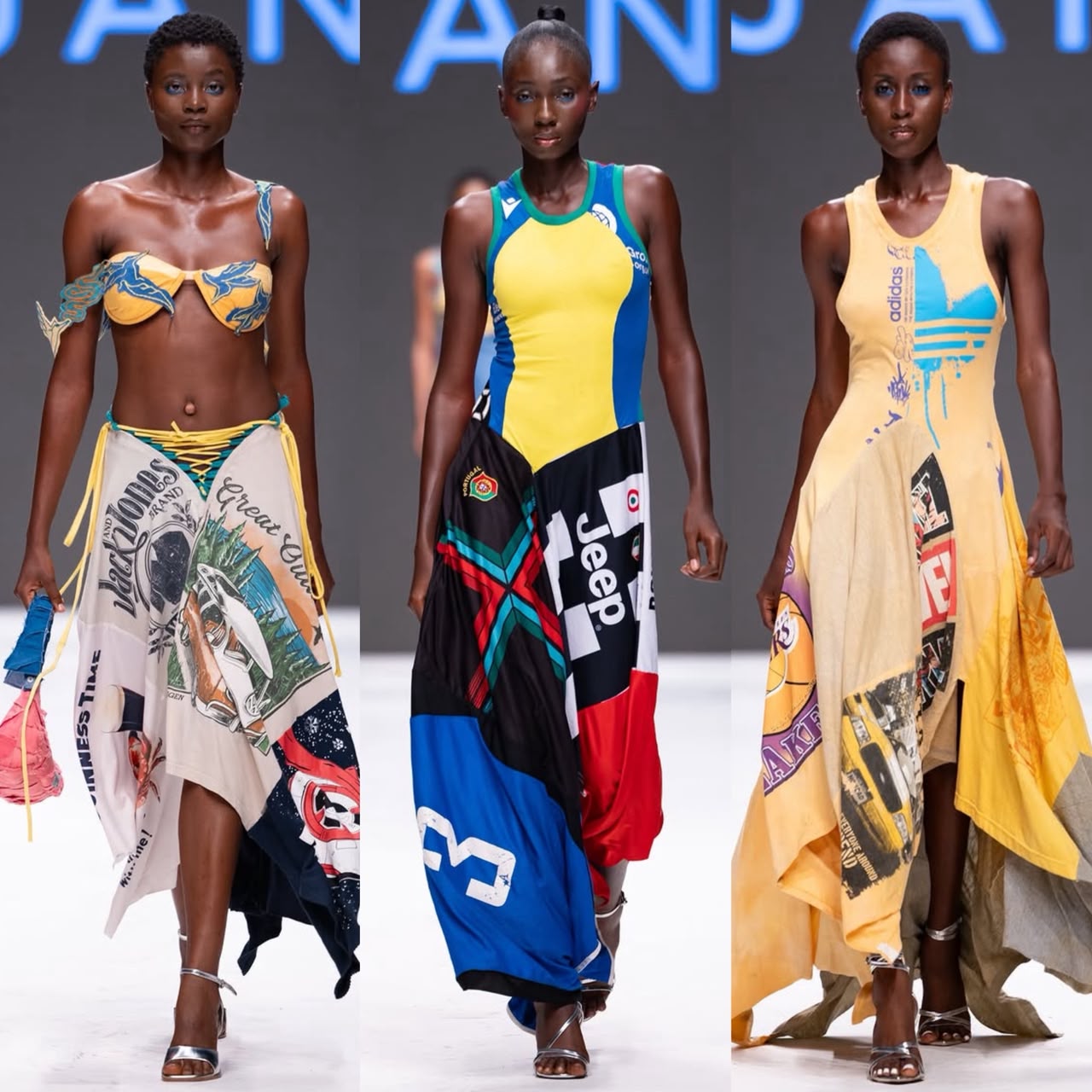
Upcycling appeared in several presentations, but its strongest expressions came through garments that looked deliberately reimagined rather than simply recycled. Designers experimented with existing materials, unexpected fabric combinations, and unconventional construction to create pieces that challenged conventional ideas of what clothing could become.
Ajanéé explored this direction with its collection, “Masquerading (Cloth as Spirit).” The designer reconstructed existing garments, transforming old sports jerseys into dresses and combining them with sheer fabrics. The result brought together the visual language of sportswear and the fluidity of occasionwear, creating an interesting contrast between casual references and more elaborate silhouettes.
The presentation offered a particularly compelling interpretation of garment reuse, showing how familiar pieces can take on entirely different identities through thoughtful reconstruction. Rather than concealing the origins of the materials, the designs allowed their previous lives to inform the finished garments.
Shop editor’s selection
#3. Sheer Fabrics Bring Transparency to Layered Dressing
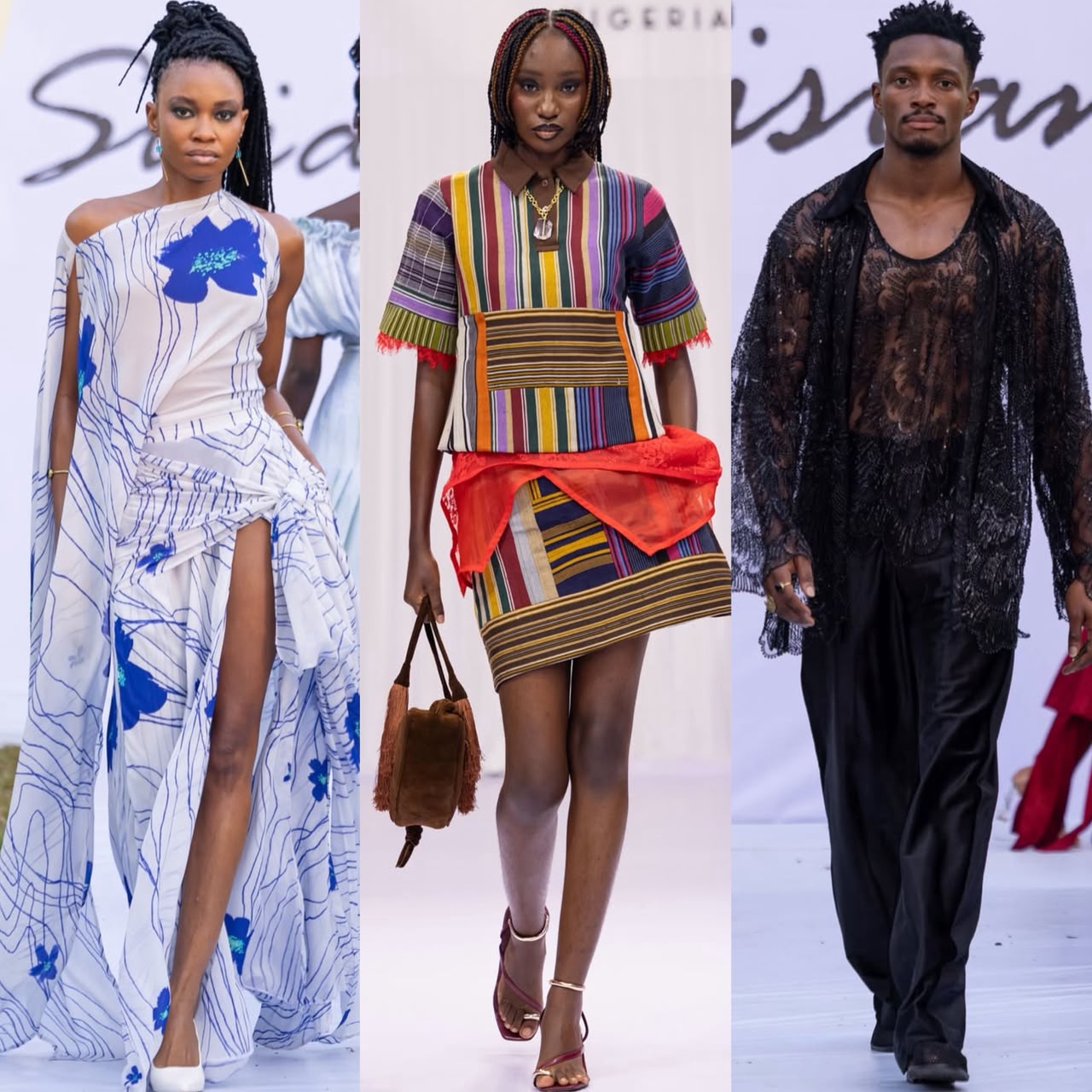
Transparency was another recurring feature, with designers using sheer fabrics to introduce depth, texture, and movement into their collections. Appearing across both menswear and womenswear, the material offered an alternative to heavier layering, allowing garments to reveal the shapes and textures beneath them.
Sisiano explored the look in its Spring/Summer 2027 collection, “Some Birds Fly South.” The presentation combined sheer fabrics with relaxed menswear silhouettes, fringe detailing, and hand-printed materials. These elements created a sense of movement while giving otherwise understated shapes a more experimental finish.
Orange Culture also embraced transparency in “The In-Between,” incorporating sheer layers alongside hand-stitched embellishments, uneven proportions, and looped-yarn surfaces. The collection demonstrated how translucent fabrics could work alongside more substantial textures without competing for attention. Across both presentations, sheer layering emerged as a way to experiment with proportion and texture while keeping silhouettes relatively fluid.
Shop editor’s choice
#4. Fringe, Beading and Draping Add Movement to Familiar Silhouettes
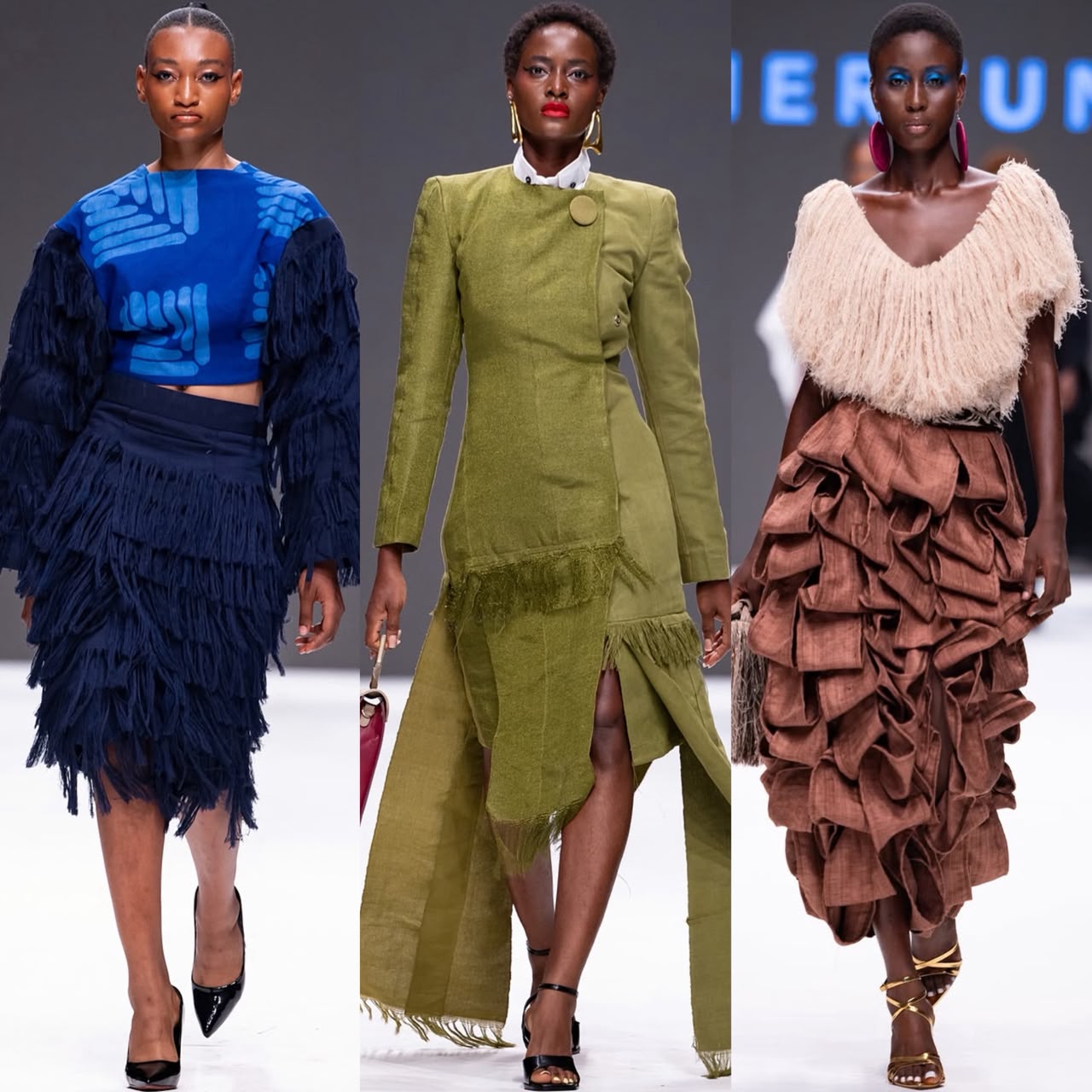
Fringe was difficult to miss throughout the week, appearing on garments in different lengths, textures, and applications. Sometimes used as a subtle finishing detail and elsewhere as a more prominent design feature, it introduced movement to otherwise structured silhouettes.
Hertunba revisited recognizable elements of its design language through drop-waist silhouettes, statement fringe, and beaded embellishments. Its collection featured shades of blue, brown, and black, with the combination of texture and lowered waistlines giving familiar shapes a distinctive finish.
Bakusoraya incorporated fringe alongside indigenous textiles, while Sisiano paired it with sheer materials. DWL also explored the detail through playful fringe and statement draping, balancing these elements with structured tailoring and rich colors.
Beyond fringe, designers experimented with proportions that challenged conventional silhouettes. Drop-waist dresses, uneven hems, and draped construction introduced a more relaxed approach to shape, giving familiar garments a different visual character.
Shop editor’s favorites
#5. Streetwear Merges With Traditional African Design
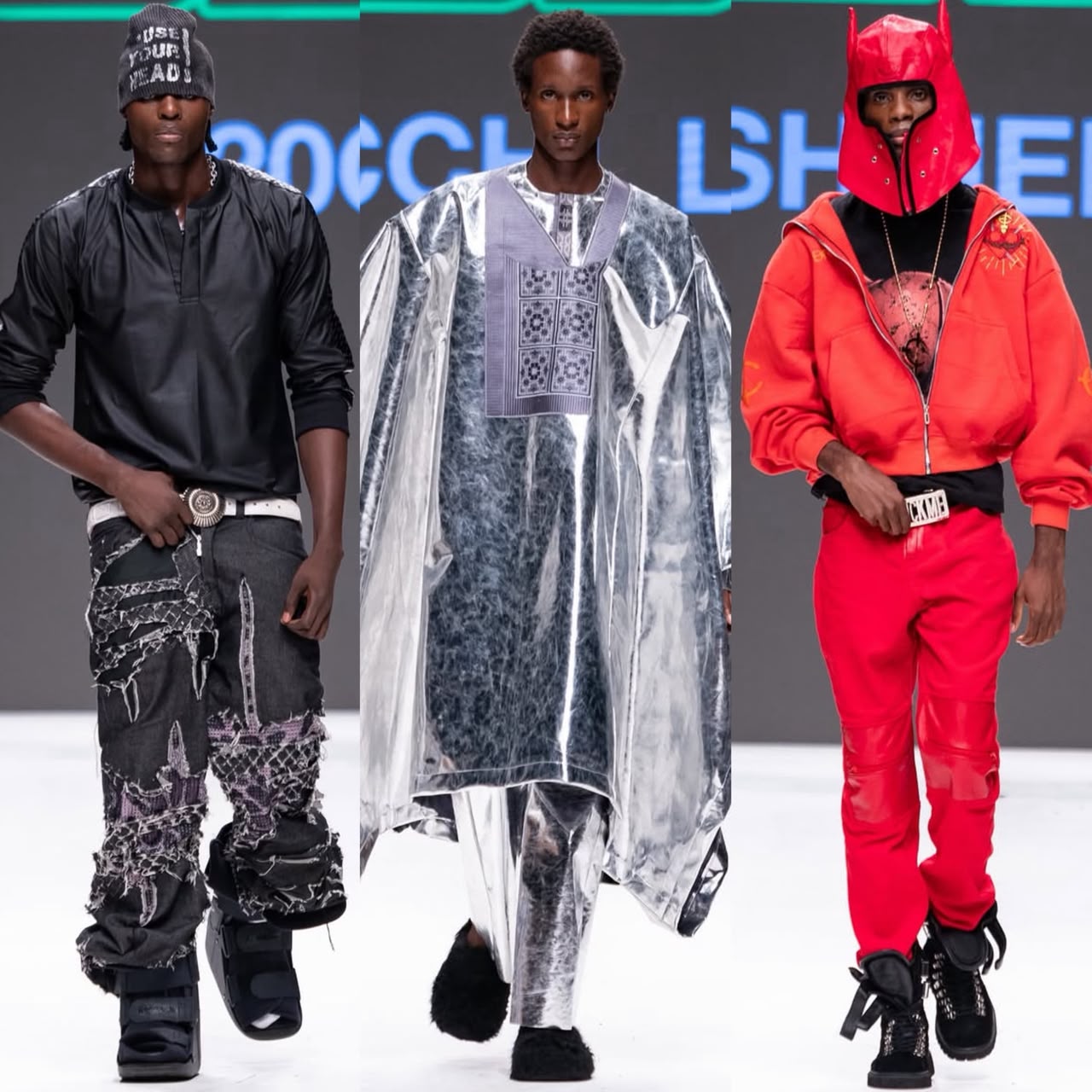
The relationship between streetwear and traditional African fashion emerged as another defining direction, particularly during Street Souk’s showcase. Bringing together 520G, Cashmerihero, Zacchi Lagos, and Fahlil, the presentation explored how contemporary streetwear staples could be reworked through cultural references and unconventional materials.
Bomber jackets, detachable hoodies, metallic finishes, and experimental headwear featured prominently. One of the more distinctive ideas was the leather interpretation of the traditional agbada. Reworking the familiar flowing silhouette in leather introduced a tougher streetwear sensibility while retaining the garment’s recognizable structure.
The presentation offered a different perspective on incorporating cultural references into contemporary dressing. Rather than reproducing traditional garments in their original forms, the designers experimented with materials, proportions, and styling to create something that sat between heritage fashion and modern streetwear.
Shop editor’s picks
#6. Intricate Embroidery and Embellishment Put Craftsmanship in Focus
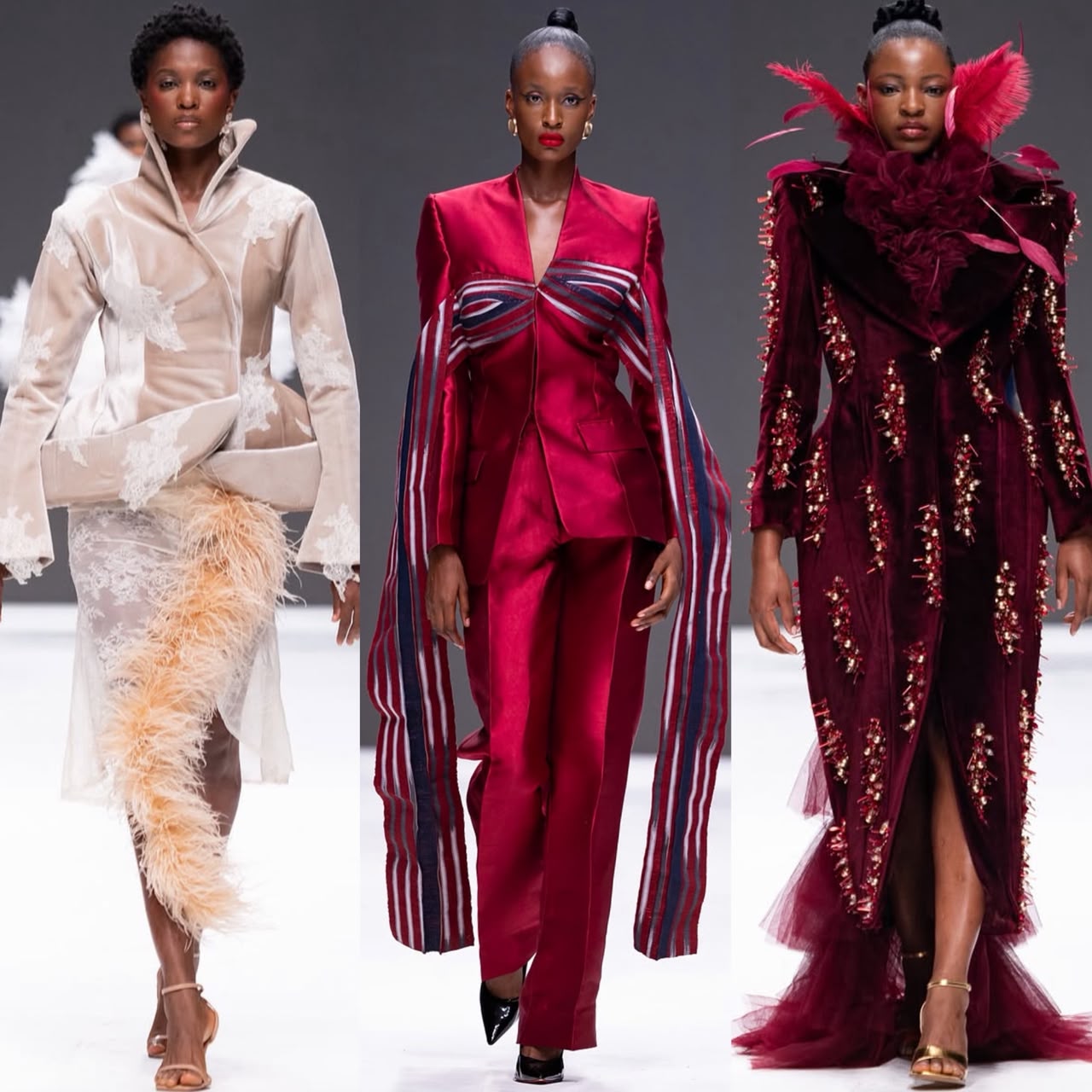
While some collections leaned into reconstruction and experimental proportions, others placed the emphasis on detailed craftsmanship. Intricate embroidery, elaborate embellishments, and carefully constructed looks provided a more refined interpretation of statement dressing.
Sevon Dejana delivered a couture-inspired presentation built around floral embroidery, bold embellishments, and structured shapes. The collection highlighted the impact of detailed handwork, with decorative elements giving each silhouette its own identity.
DWL approached craftsmanship through a combination of structured tailoring, rich colors, contemporary proportions, fringe, and draping. Its presentation demonstrated how precise construction could coexist with more expressive design details.
Together, these collections highlighted an approach to statement dressing that relied less on exaggerated volume and more on the quality of construction, surface detailing, and the techniques used to finish each garment.
Shop editor’s choice
#7. Metallic Finishes and Experimental Accessories Bring an Edgier Perspective
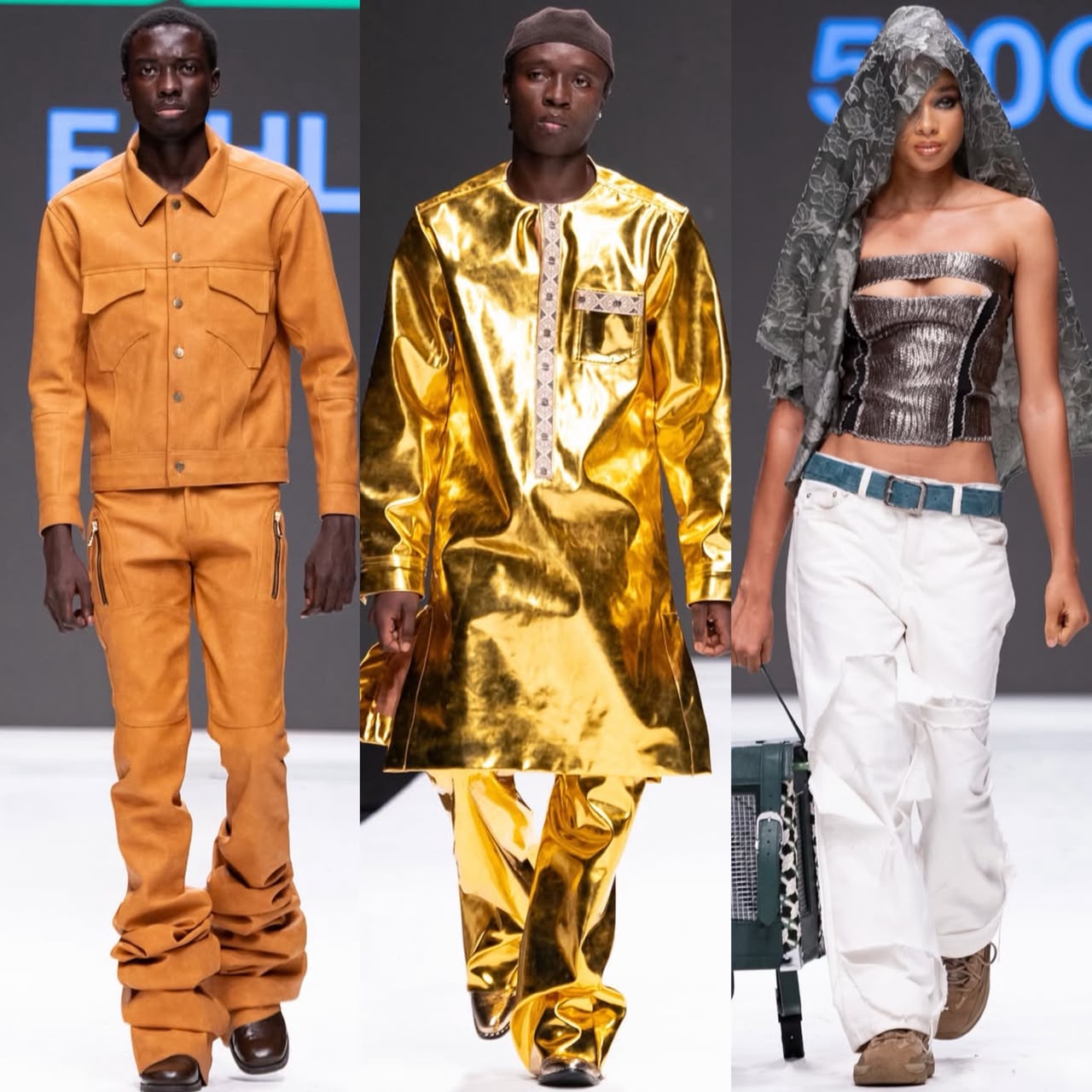
Alongside the emphasis on traditional textiles and intricate craftsmanship, Lagos Fashion Week 2026 also featured a more experimental approach to styling. Metallic finishes, unconventional headwear, and detachable garment elements introduced an edgier visual language, particularly within the streetwear presentations.
Street Souk’s showcase brought several of these ideas together, with metallic surfaces and experimental accessories appearing alongside bomber jackets and hoodies. The styling pushed familiar streetwear pieces beyond their usual forms, giving them a more expressive finish.
The use of detachable elements also introduced versatility into the designs, allowing individual garments to be styled in different ways. Combined with unexpected headwear and reflective finishes, these details added another dimension to a season that moved between traditional craftsmanship and contemporary experimentation.
The Fashion Trends That Defined Lagos Fashion Week 2026
Lagos Fashion Week 2026 gave us a varied picture of contemporary African design, but its strongest runway ideas shared an interest in material, construction, and the possibilities of familiar silhouettes. Indigenous textiles were given new prominence, while reconstructed garments, sheer layers, fringe, and intricate embellishments showed how designers were approaching both tradition and experimentation.
The result was a season that moved comfortably between heritage-inspired design and modern dressing. Whether through the reworking of an agbada in leather, the use of Akwete weaving in contemporary silhouettes, or the transformation of old sports jerseys into dresses, the collections demonstrated the range of ideas shaping African fashion right now.