

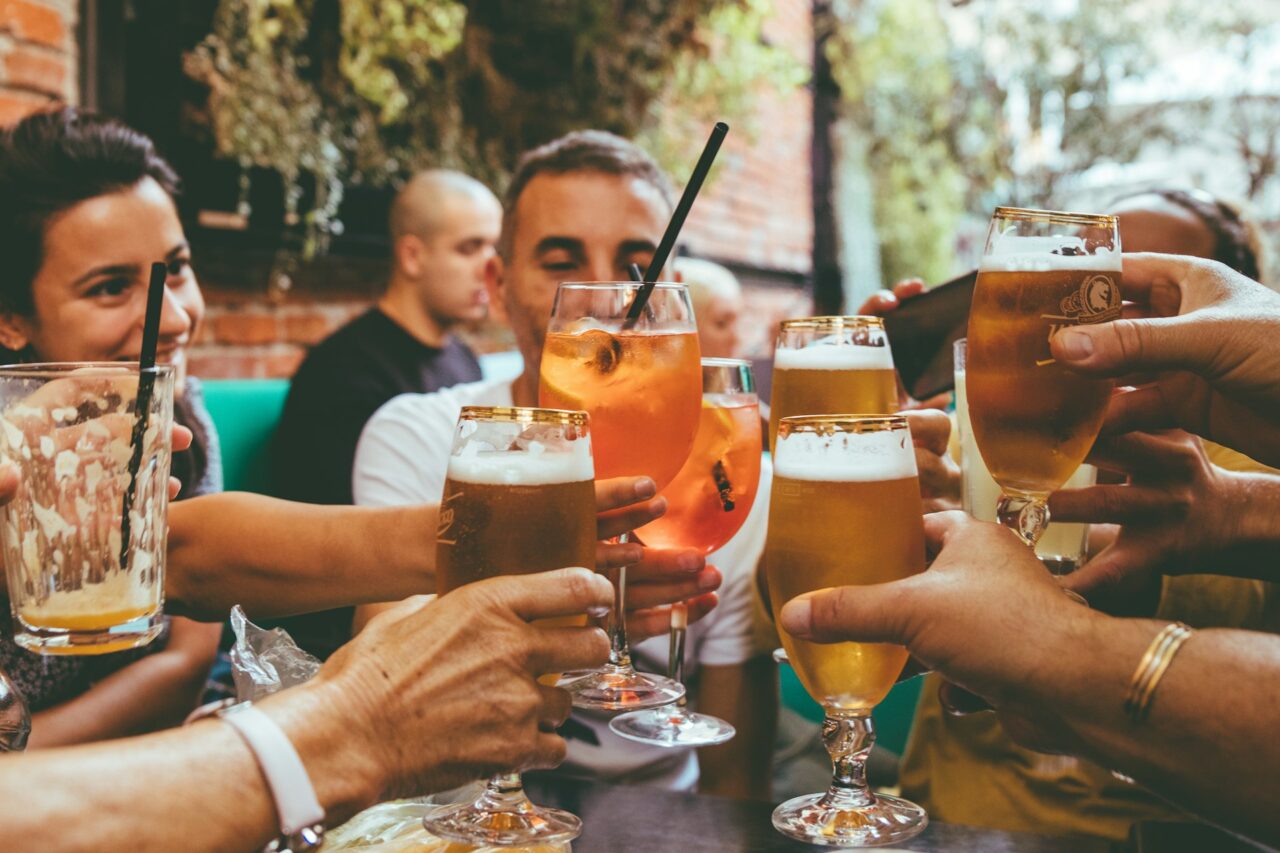

We’ve all heard it before: c’mon, let’s drink just one more, and then we’ll go. As you’re probably aware, it rarely ends with “just one more” but with a couple. What started as a simple plan often turns into something more complex and extensive than anyone initially intended. In various social settings, in many of the world’s cultures, alcohol usually goes from being a personal choice to being a necessary part of the script.
People, of course, don’t gather only to drink, but drinking often acts as the glue that holds the whole gathering together. A thing without which there’d be no fun. Over time, as people grow older and become more experienced in these situations, that social glue will start to feel less and less optional. That’s exactly the moment when the role of alcohol in social life deserves a closer look.
From Social Habit to Social Rule
Friends will meet, they’ll share a few drinks, discuss their day, then leave. In this kind of setting, alcohol supports conversation rather than replacing it. The risk arises when the drink becomes the main focus rather than the side detail, and that’s where casual drinking crosses the line into something less enjoyable. Now, alcoholism differs from social drinking because it centers on need instead of choice.
A person who struggles with addiction drinks to cope, drinks alone, despite harm. Social drinking, in contrast, occurs in groups and is often associated with enjoyment. Still, the border between these two patterns is thinner than most people would expect. Repeated group drinking can train the brain to expect alcohol in every social moment.
The Power of Group Pressure and Shared Stories
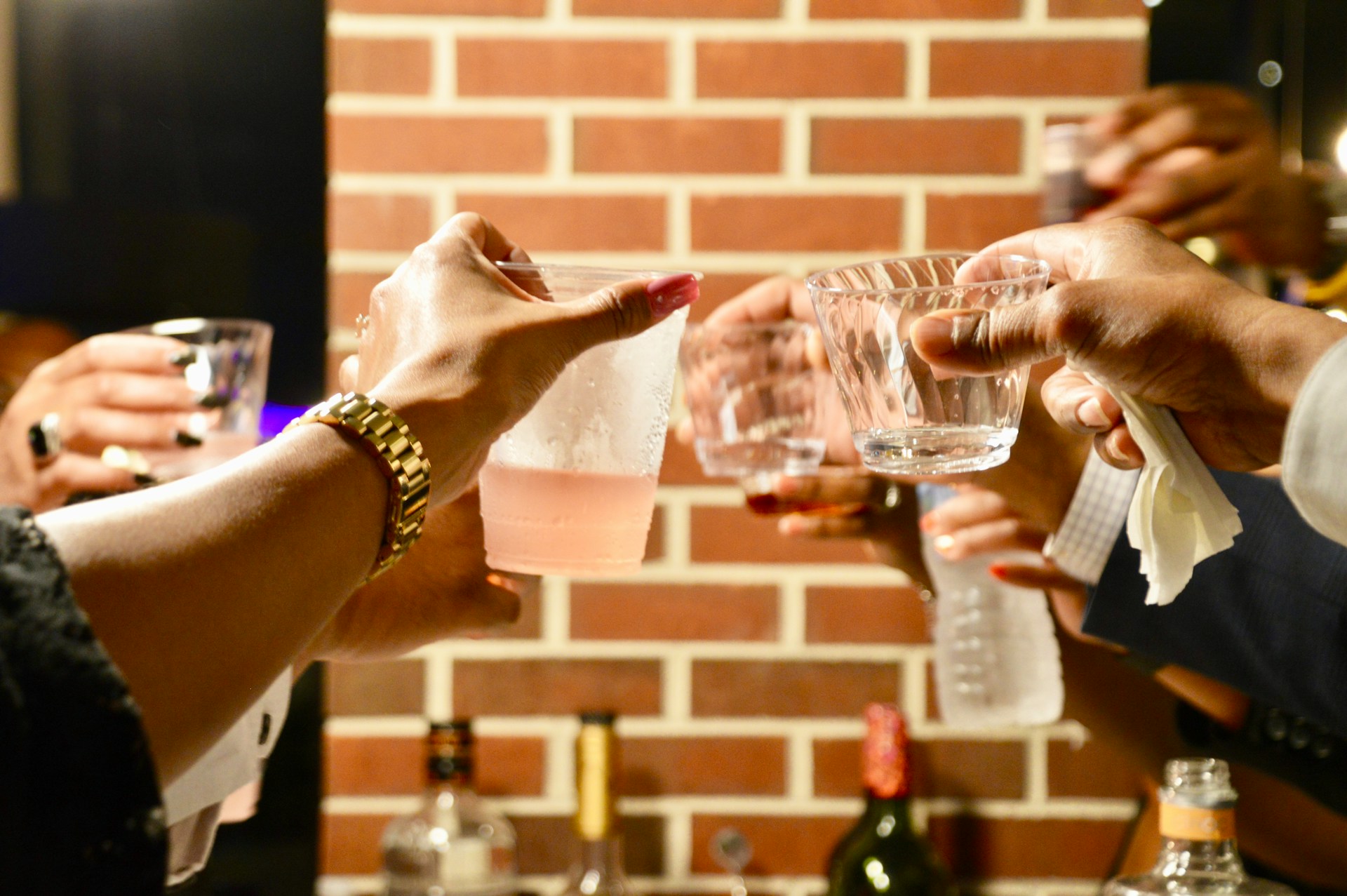
People look to others for cues about what behavior fits. A laugh at a joke, a raised glass, or a refill of a drink sends a clear message about what belongs. In many cultures, drinking earns these signs more than any other action. The person who drinks shares the group’s spirit, whereas the person who refuses may feel out of place.
Shared stories only strengthen this pattern. Friends often remember heavy drinking nights as proof of closeness or adventure. These stories tend to focus on humor and surprise, not on the moments of regret or exhaustion that appeared the morning after. Over time, such stories teach new members that drinking heavily equates to living your life fully. Also, these stories act as lessons. They reveal what the group values and expects. The listener learns that the best nights are those with the most drinks and the fewest limits.
When “Just One More” Becomes a Social Expectation: Health, Risk, and the Cost of Routine
The World Health Organization states that when it comes to alcohol use, there’s no safe amount that doesn’t affect health. Therefore, “just one more” isn’t really the best option. This message isn’t meant to scare people, but to remind them that even small amounts change our bodies. Alcohol affects the brain, the liver, the heart, and the immune system in ways that build over time. The effect grows with regular use, even if each session feels mild.
Social drinking might look safer than drinking alone because it includes company and control. People eat food, and they talk between sips. These habits can slow intake and reduce risk in the moment. Still, the long-term cost of frequent social drinking can match or even exceed that of other drinking patterns.
Regular drinking will also disrupt sleep, impair concentration, and increase physical strain. It will shape mood in subtle ways. People may feel less able to relax without a drink, which ties calm to alcohol consumption. This link makes it more difficult to cope with stress without resorting to alcohol. Over time, this habit can become necessary rather than optional.
Social drinking can also help hide problems. A person who drinks often with friends may never face concern because the setting looks normal. The group sees the act as part of fun, not as a sign of strain. This cover can delay help and deepen harm.
Social drinking looks safer than drinking alone, but it still might become an issue.
Changing the Script of Social Life
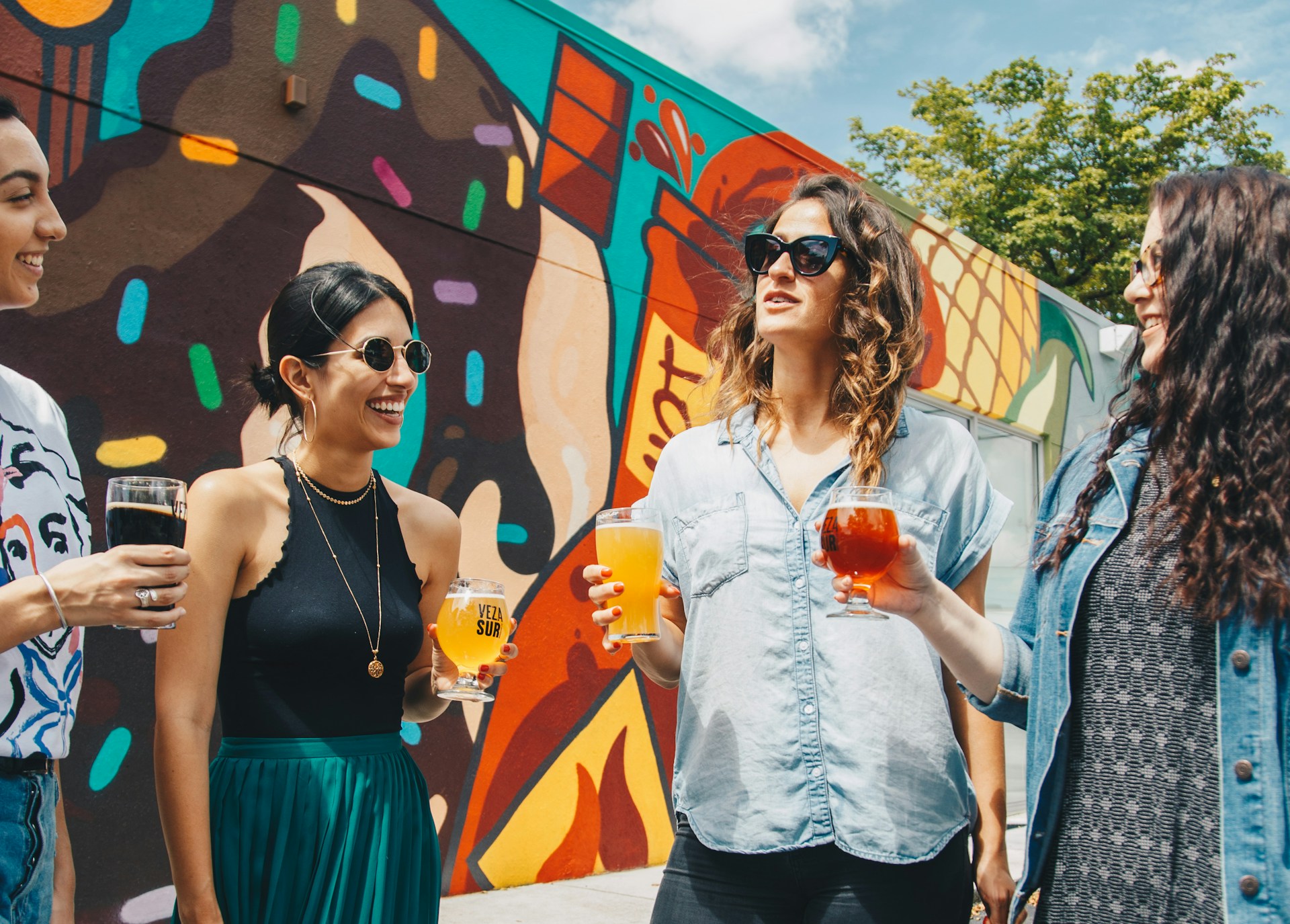
Norms won’t change on their own. They’ll change when people question them and offer new examples. Groups can keep their closeness without centering every meeting on alcohol. They can build meaning through conversation, shared activities, and time spent without pressure. These options require effort, but they bring rewards that last longer than a buzz.
One step is to expand what counts as a good time. A group can enjoy a walk, a meal, or a project with the same energy they once gave to a bar night. When people see that fun doesn’t depend on alcohol, they’ll feel less pressure to drink. This change provides room for choice and respect.
Language also matters. When someone declines a drink, the group can respond with ease rather than surprise. A simple nod can replace a joke or a challenge. Over time, these small moments build a new norm that supports health without losing warmth.
All of the above demands patience. People need space to step out of old habits and try new ones. When they do, they often find that the connection grows stronger without the fog of routine drinking.
Reclaiming Choice in Shared Moments
A culture that expects drinking in every social scene takes something away from its members. It takes away their right to pause, to choose, to listen to their body. Alcohol itself isn’t the main issue. The main problem is the unspoken rule that requires everyone to participate every time. When people hear the familiar call of “just one more” at the end of the night, they can treat it as an opportunity to reflect rather than react. They can ask whether the moment serves them or only the habit. In doing so, they’re bringing choice back into a space where it once faded.
Shared life works best when it leaves room for many paths. Some paths include a drink, others don’t. A healthy society has to respect both options. It must allow people to gather without a script that demands more than they’re willing to give.
Featured Image: Fred Moon/Unsplash
—Read also