



A convincing faux glow—thanks to sunless tanning—has become one of summer’s favorite beauty shortcuts, offering sun-kissed skin without hours of UV exposure. Today’s formulas are easier to blend, longer-lasting, and more natural-looking than ever before. Still, even experienced beauty lovers occasionally end up with streaks, darker elbows, or patchy fading, leaving them wondering how to fix an uneven self-tanner or safely remove it from their skin.
The good news is that most self-tanner mishaps can be corrected without harsh scrubbing or damaging your skin barrier. Understanding how the product works, how long it lasts, and the safest ways to fade it makes the process much easier. Before reaching for every DIY hack online, here’s what you should know.
What Is Self-Tanner Used For?
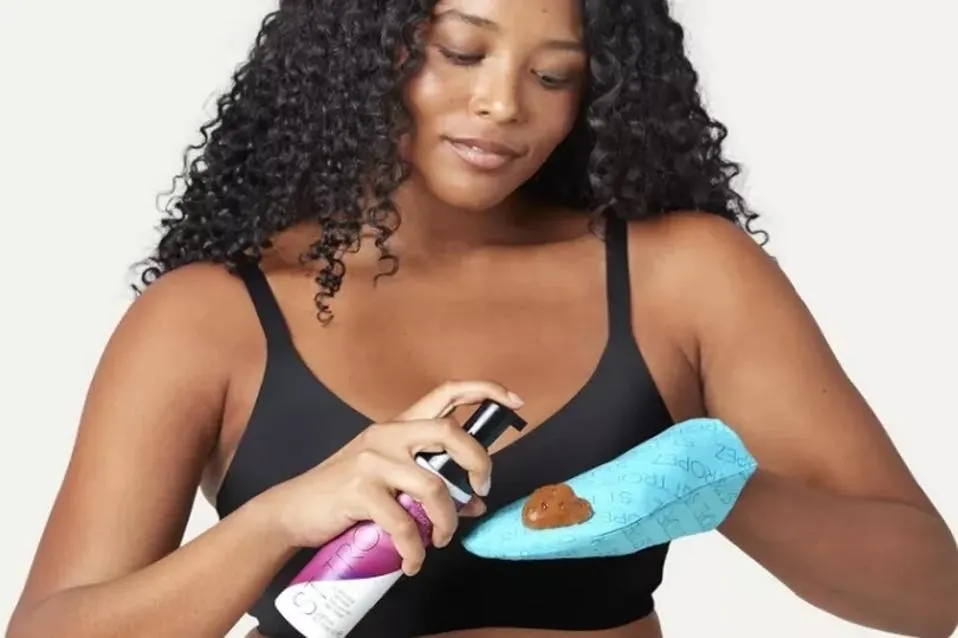
Self-tanner, also known as sunless tanner, gives the skin a bronzed appearance without exposure to harmful UV rays. Most formulas contain dihydroxyacetone (DHA), an ingredient that reacts with dead skin cells on the skin’s surface to temporarily darken the complexion. Unlike traditional tanning, self-tanner doesn’t increase melanin production or provide sun protection, so sunscreen remains essential even after application.
Today, self-tanners are available in several forms, including mousses, lotions, drops, sprays, gradual tanning moisturizers, and facial serums. Choosing the right formula largely depends on your skin type, desired depth of color, and preferred application method.
Shop editor’s edit
How Long Does Self-Tanner Last?
Most self-tanners last between five and seven days, although some premium formulas can remain visible for up to 10 days with proper care.
The tan gradually fades as your skin naturally sheds dead cells. Dry areas such as the elbows, knees, ankles, and hands often lose color unevenly, which explains why patchiness tends to develop toward the end of the wear period. Moisturizing regularly helps maintain a smoother fade while extending the life of your tan.
Is Self-Tanner Safer Than Tanning in the Sun?
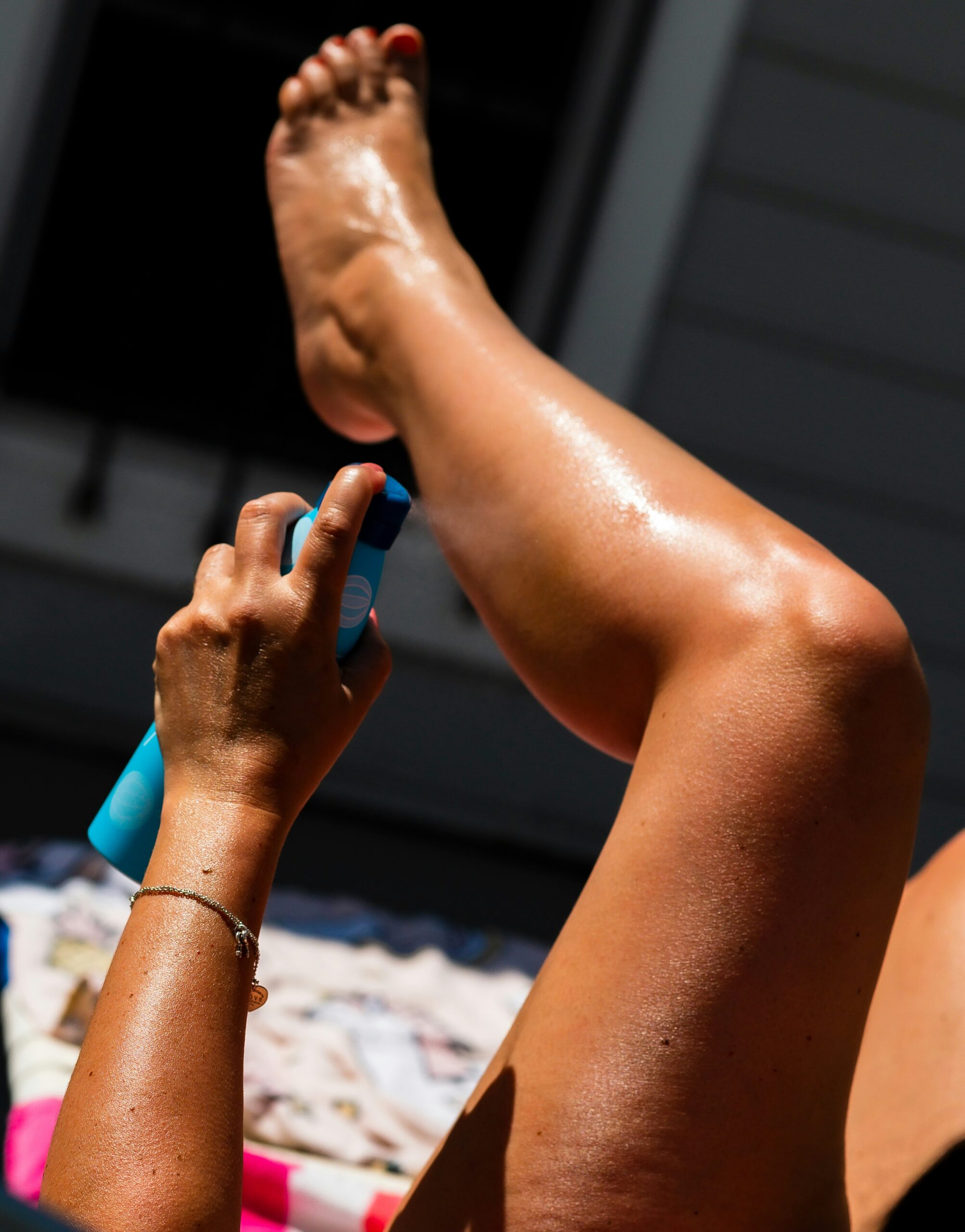
For most people, yes. One reason self-tanners have become beauty staples is that they create bronzed skin without exposing it to ultraviolet (UV) radiation, which is associated with premature skin aging and an increased risk of skin cancer.
That said, self-tanner isn’t entirely risk-free. Some people may experience irritation, particularly those with sensitive skin or fragrance allergies. Patch-testing any new product before full application is always a smart precaution.
How to Remove Self-Tanner from Skin Safely
Many people searching for the safest way to remove old self-tanner assume vigorous scrubbing is the answer. In reality, gentler methods usually deliver better results while protecting the skin barrier.
#1. Soak in warm water first
A warm bath or shower softens dead skin cells, making stubborn patches much easier to lift. Spending 10 to 15 minutes soaking before exfoliating often speeds up the process.
#2. Use a gentle exfoliating mitt
Instead of harsh scrubs, use a soft exfoliating mitt or washcloth with light pressure. Focus on darker areas such as the elbows, knees, ankles, and wrists. Over-exfoliating can irritate the skin, so patience is more effective than force.
Shop editor’s choice
#3. Apply body oil or baby oil
Oils help loosen surface color. Massage baby oil, coconut oil, or a nourishing body oil onto darker patches and leave it on for 15 to 30 minutes before gently washing it away.
Shop editor’s picks
#4. Try a dedicated tan remover
Many beauty brands now offer self-tan removers formulated specifically to break down DHA without excessive rubbing. These products are especially useful if you’re preparing for a fresh application.
Shop editor’s finds
#5. Use gentle chemical exfoliants
Lotions or pads containing glycolic acid, lactic acid, or fruit enzymes gradually dissolve dead skin cells, encouraging the remaining tan to fade more evenly over several days.
Shop editor’s selection
What Should You Avoid?
The easiest way to remove uneven self-tanner isn’t always the viral hack making the rounds on social media. Although quick fixes may seem tempting, harsh body scrubs with large abrasive particles, lemon juice on sensitive skin, undiluted baking soda pastes, bleach, household cleaning products, and aggressive rubbing can all do more harm than good.
While some of these methods may lift the color, they can also damage your skin barrier, cause irritation, and leave behind even more uneven patches.
How Can You Prevent Patchy Fading Next Time?
Start by exfoliating before each application to create an even canvas. Then moisturize naturally dry areas such as the elbows, knees, ankles, and hands so they don’t absorb excess product.
Applying self-tanner with a tanning mitt also helps distribute the formula more evenly, while washing your hands immediately afterward prevents stained palms.
Once your tan has developed, moisturize daily to encourage an even fade rather than allowing the color to break into patches.
Finally, wait until most of your previous tan has faded before reapplying. Layering fresh self-tanner over patchy areas usually makes uneven color even more noticeable.
Shop editor’s edit
Final Thoughts
Self-tanner remains one of the easiest ways to achieve a healthy-looking glow without relying on sun exposure. Like any beauty product, however, it performs best when application and removal receive equal attention.
Rather than trying to strip away color with harsh DIY remedies, choose methods that gradually lift the tan while protecting your skin barrier. A little patience, gentle exfoliation, and consistent hydration typically produce far better results than aggressive scrubbing, leaving your skin smooth and ready for your next flawless application.
Featured image: Jun/iStock