

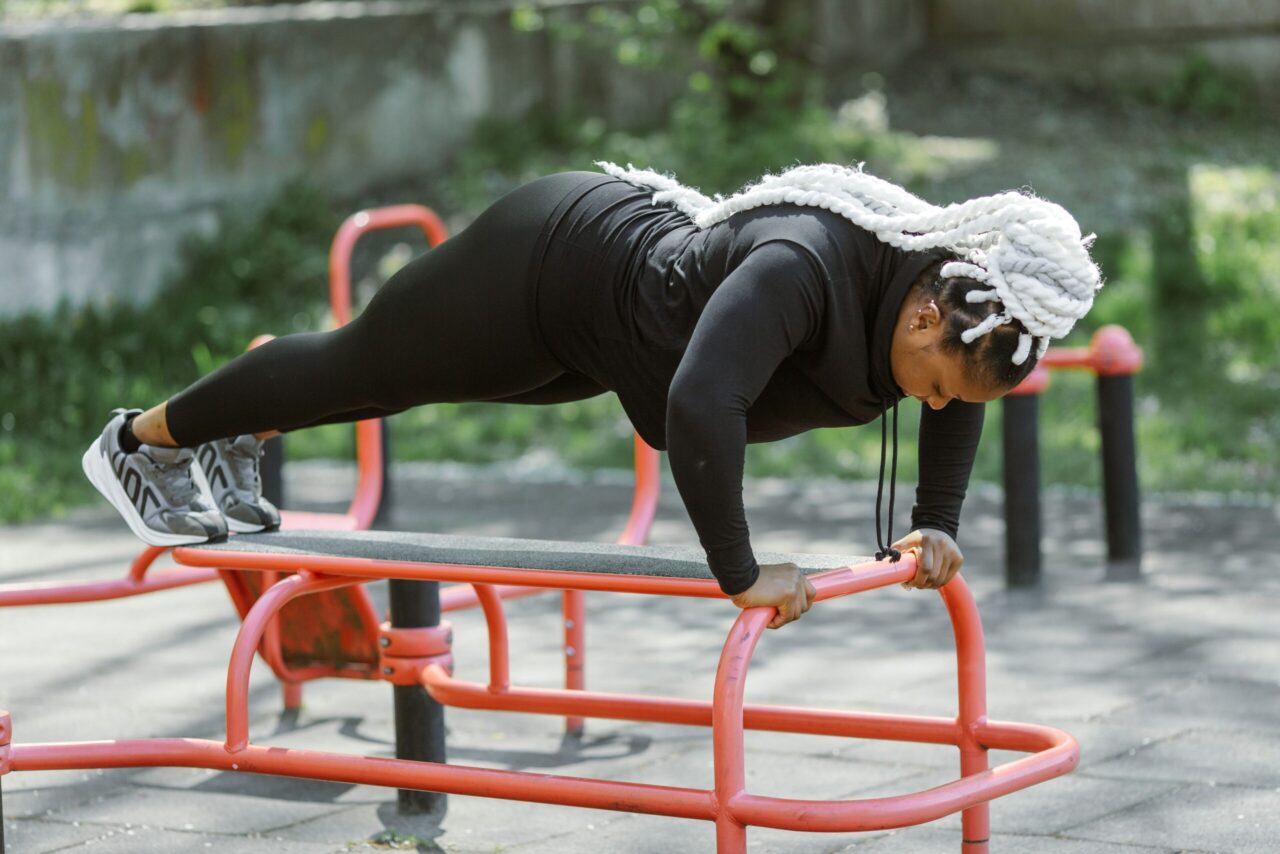

Body fat has become one of those things we’re encouraged to fear, measure, and obsess over. Yet learning how to lose body fat doesn’t have to mean surviving on tiny meals, spending hours on a treadmill, or jumping from one restrictive diet to another. A more useful approach is to understand what body fat actually does, how the body uses stored energy, and which habits can create sustainable changes.
The goal isn’t to eliminate fat from your body or even from your diet. Fat is an essential part of human health, supporting everything from hormone production and cell function to insulation and the protection of internal organs. The smarter approach is to create the conditions in which your body gradually uses some of its stored energy while helping you maintain muscle, strength, and a good relationship with food.
First, Stop Thinking of Fat as the Enemy

Body fat gets a particularly bad reputation, but having fat is not inherently unhealthy. Your body needs a certain amount of it to function properly, and stored fat serves as an energy reserve that can be called upon when your energy intake doesn’t cover your needs.
The problem is excess body fat, particularly when it accumulates around the abdomen and contributes to metabolic and cardiovascular health risks. That distinction matters because trying to eliminate as much fat as possible can take you in the wrong direction.
A better mindset is to think of fat as fuel rather than a flaw. You’re not trying to punish your body into becoming smaller. You’re trying to improve your energy balance and body composition in a way that you can actually maintain.
How Your Body Uses Stored Fat
Your body is constantly using a mixture of carbohydrates and fat for energy. At lower intensities and during periods when you haven’t recently eaten, fat can contribute significantly to your energy supply. During harder, faster exercise, carbohydrates generally become more important because they can be converted into usable energy more quickly.
When the body needs energy from stored fat, triglycerides in fat tissue are broken down into fatty acids. Those fatty acids enter the bloodstream and can be transported to cells, where they are ultimately used to produce energy.
That process is different from actually losing body fat. You might burn a greater proportion of fat during a long, easy walk, for example, but that doesn’t automatically mean you’ll lose more body fat over time. Overall energy balance remains the bigger picture.
Create a Modest Calorie Deficit

If you’re wondering how to lose body fat without relying on a fad diet, start with your overall calorie intake.
A calorie deficit means consuming less energy than your body uses over time. When that happens consistently, the body has to draw on stored energy to make up the difference. That stored energy can come from body fat, although some lean tissue can also be lost, particularly when weight loss is aggressive or protein and resistance training are neglected.
This is why extreme restriction isn’t necessarily better. A moderate deficit is generally easier to live with, gives you more room for nutritious foods, and makes it easier to continue exercising without feeling completely drained.
Don’t Make Cardio Your Entire Strategy
Cardio has its place, but it doesn’t need to dominate your fat-loss routine.
Resistance training can be particularly valuable because it helps preserve, or potentially build, muscle while you’re losing weight. Muscle is also metabolically active, although claims that simply adding muscle dramatically increases your resting calorie burn are often exaggerated.
Think of strength training as a way to tell your body that muscle is still useful. Squats, rows, presses, lunges, deadlifts, and other compound movements can help you become stronger while improving your overall body composition.
Cardio can then complement that work by increasing energy expenditure and improving cardiovascular fitness. Walking, cycling, running, swimming, and recreational sports all count.
Eat to Keep Muscle, Not Just Lose Weight

Learning how to lose body fat also means paying attention to what happens to your muscle during weight loss.
Protein should be a priority, particularly if you’re exercising regularly. Foods such as eggs, fish, lean meat, Greek yogurt, beans, lentils, and other protein-rich options can make meals more filling while providing the amino acids your body needs to maintain muscle tissue.
Dietary fat shouldn’t disappear either. Unsaturated fats from foods such as nuts, seeds, olive oil, avocados, and fatty fish can fit comfortably into a balanced diet. Carbohydrates also have an important role, especially for people who train frequently.
The aim is balance, not nutritional punishment.
Make Your Workouts Something You Enjoy
One of the most underrated answers to how to lose body fat is finding exercise you genuinely don’t hate.
A workout doesn’t need to leave you crawling out of the gym to be effective. You could combine strength sessions with brisk walking, intervals, cycling, swimming, basketball, or another activity you actually look forward to.
Short bursts of higher-intensity exercise can add variety, while steady-state cardio is useful for building endurance and increasing activity without necessarily exhausting you. Even simply walking more throughout the day can make a meaningful contribution to your overall energy expenditure.
The best routine is ultimately the one you can repeat week after week.
Give Your Body Time to Change

There’s no shortcut that makes fat disappear while keeping every other aspect of your body unchanged. Sustainable fat loss is usually a gradual process, and your progress won’t always look perfectly linear.
Body weight can fluctuate because of water retention, food intake, sodium, carbohydrates, and other factors. That’s why judging progress from a single weigh-in can be misleading. Track broader trends and consider waist measurements, strength, fitness, energy levels, and how your clothes fit.
If your goal is to learn how to lose body fat, the answer is less glamorous than the latest viral diet but considerably more useful: eat in a manageable calorie deficit, prioritize protein and nutrient-dense foods, lift weights, stay active, sleep well, and give the process enough time to work.
Fat isn’t something you need to fear. It’s stored energy. The real objective is learning how to use that energy while building habits that make your healthier body feel like a natural result rather than a temporary project.
Shop editor’s picks
Featured image: Gustavo Fring/Pexels
—Read Also