

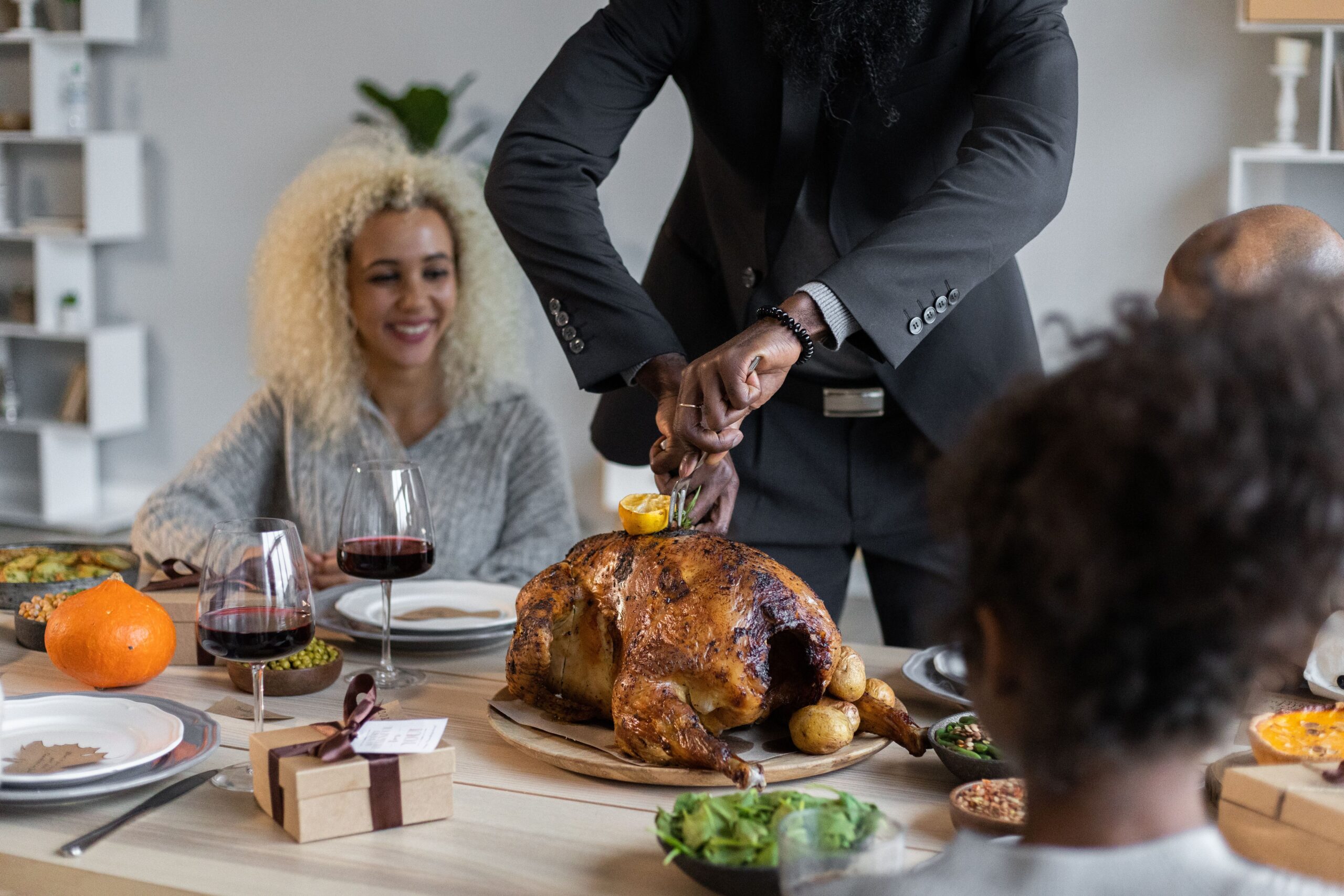

With Thanksgiving landing on November 26 this year, the window for planning a Friendsgiving is opening now. The appeal is easy to see. Like Thanksgiving, Friendsgiving centers on appreciation, celebration, and a feast, but you share it with friends instead of family. The rules are looser, the guest list is yours, and nobody is stuck at the kids’ table.
The challenge, of course, is hosting. A table full of people, a long menu, and a small kitchen can turn a fun gathering into a stressful weekend. But a successful Friendsgiving doesn’t have to involve elaborate preparations or leave one person doing all the work. With a little planning, a well-organized potluck, and a few thoughtful touches, you can create a welcoming celebration that everyone enjoys, including you.
Whether you’re hosting Friendsgiving for the first time or looking for ways to make your annual gathering easier, these ten practical tips will help you plan the occasion, keep things running smoothly, and spend less time managing the details and more time with your guests.
Here’s a step-by-step guide to hosting a Friendsgiving get-together that’s fun and a lot less stressful…
#1. Choose a Date Early and Send Invitations Two to Four Weeks in Advance

Timing is the first decision, and it is more flexible than most people think. There is no set or traditional day for Friendsgiving, so you can choose whatever works best for your group. Many people host the weekend before Thanksgiving, when friends are still in town and have not yet left for family trips. Others gather on the holiday itself to include friends who are not traveling, while some choose the Friday or Saturday afterward, when leftovers and energy are both plentiful.
Start by asking around. A quick message in the group chat will show which dates are realistic and help you avoid the disappointment of choosing a day half your guests cannot attend. Once you’ve settled on a date, send invitations two to four weeks in advance. With Thanksgiving falling on November 26, that means sending yours in the first days of November.
A simple text thread, email, or online invitation is enough. Include the date, start time, address, whether it is a potluck, and a request for information about dietary restrictions or allergies. Gathering those details early will help you plan the menu and avoid last-minute scrambling. Once the date is set and RSVPs start coming in, everything else, from the shopping list to the seating plan, becomes much easier to organize.
#2. Organize a Potluck With a Shared Sign-Up Sheet to Divide the Work
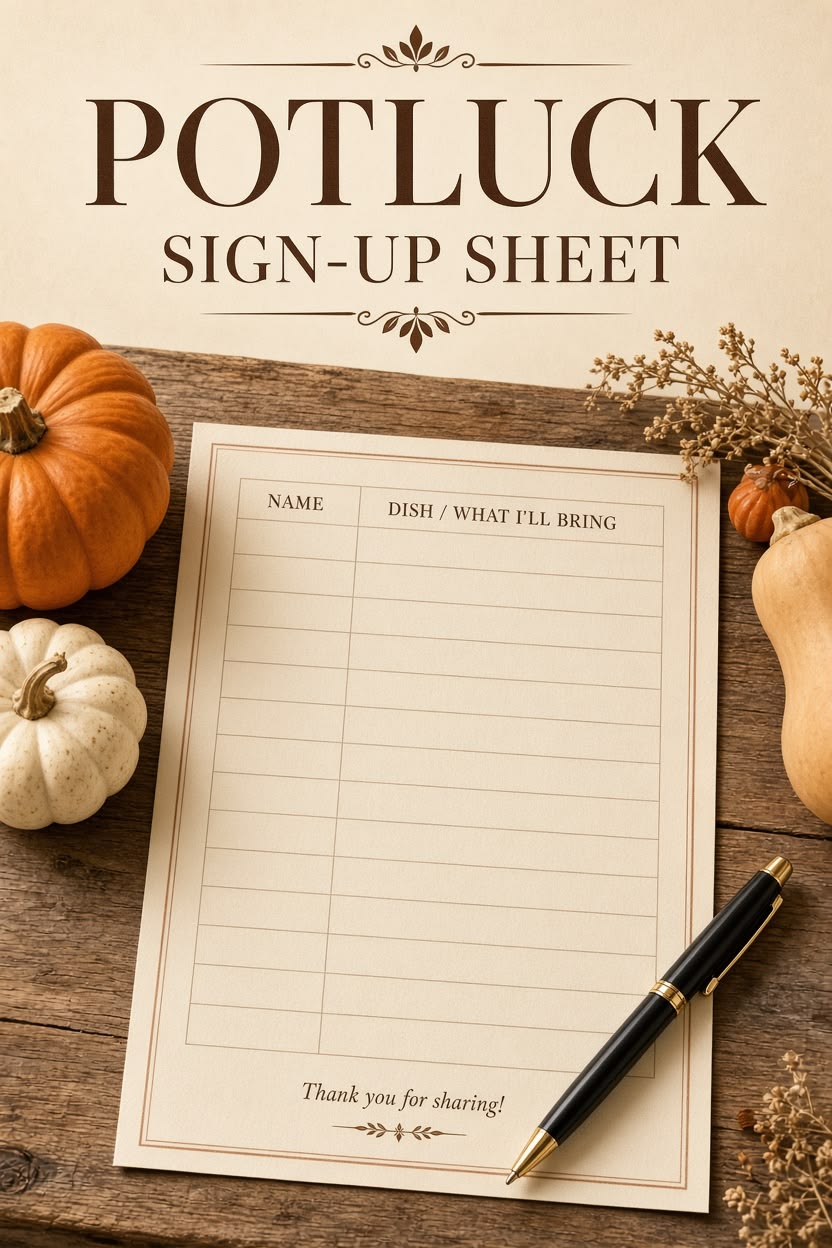
The potluck is at the heart of most Friendsgiving dinners, and for good reason. Most people do not expect the host to do everything, and the format has become nearly synonymous with the celebration. Sharing the cooking reduces your workload, keeps costs down, and gives every guest a stake in the meal. It also means the table reflects the tastes and contributions of the whole group rather than just one person’s preferences.
The trick is coordination. Ask guests to check in with you before deciding what to bring, so three people do not arrive with Brussels sprouts while nobody thinks to bring the mac and cheese. Without a plan, you could end up with six desserts and no vegetables.
A shared spreadsheet or online sign-up sheet makes organizing contributions much easier. List the categories you need, such as appetizers, sides, vegetables, desserts, and drinks, and let guests claim a slot. At a glance, you can see whether anything is missing and encourage people to fill the gaps. Ask guests to note whether their dish is vegetarian, gluten-free, or contains nuts, so everyone can make informed choices. If someone is nervous about cooking, suggest an easy contribution such as rolls, sparkling water, ice, or a store-bought pie.
#3. Take Charge of the Main Course and Let Guests Handle the Sides, Desserts, and Drinks
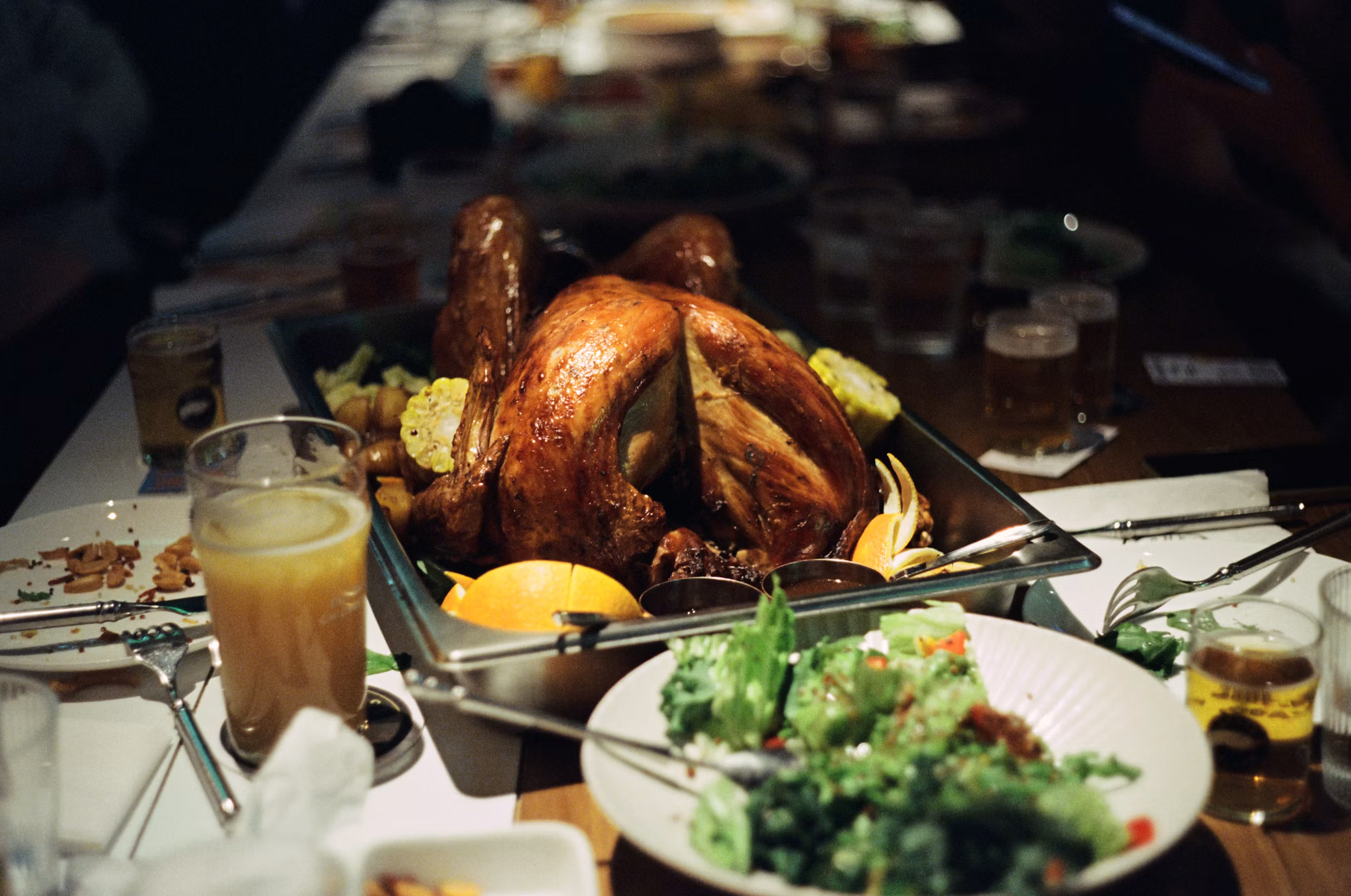
If you want some control over the menu without carrying the full load, take charge of the centerpiece and delegate the rest. For a traditional potluck, you might prepare the turkey or another main course yourself. That way, the star of the table is cooked the way you like it, while guests fill in the supporting dishes. It is also a practical division of labor because the main course usually requires the most planning and oven time.
Think in categories rather than specific recipes. A good mix of appetizers, main dishes, sides, and desserts keeps the spread balanced. Ask guests to choose a category and leave the details to them. This keeps the menu flexible and makes it easier to match dishes to different skill levels. People who love to bake can claim dessert, while confident cooks can take on a side that requires a little more attention.
A backup plan helps, too. Be prepared to contribute an extra dish if the menu looks as though it might leave someone with limited options. Keep a simple standby in mind, such as roasted vegetables or a large salad, so you can fill any gaps without adding much work on the day.
#4. Set a Menu Theme to Make Planning and Coordinating Dishes Easier
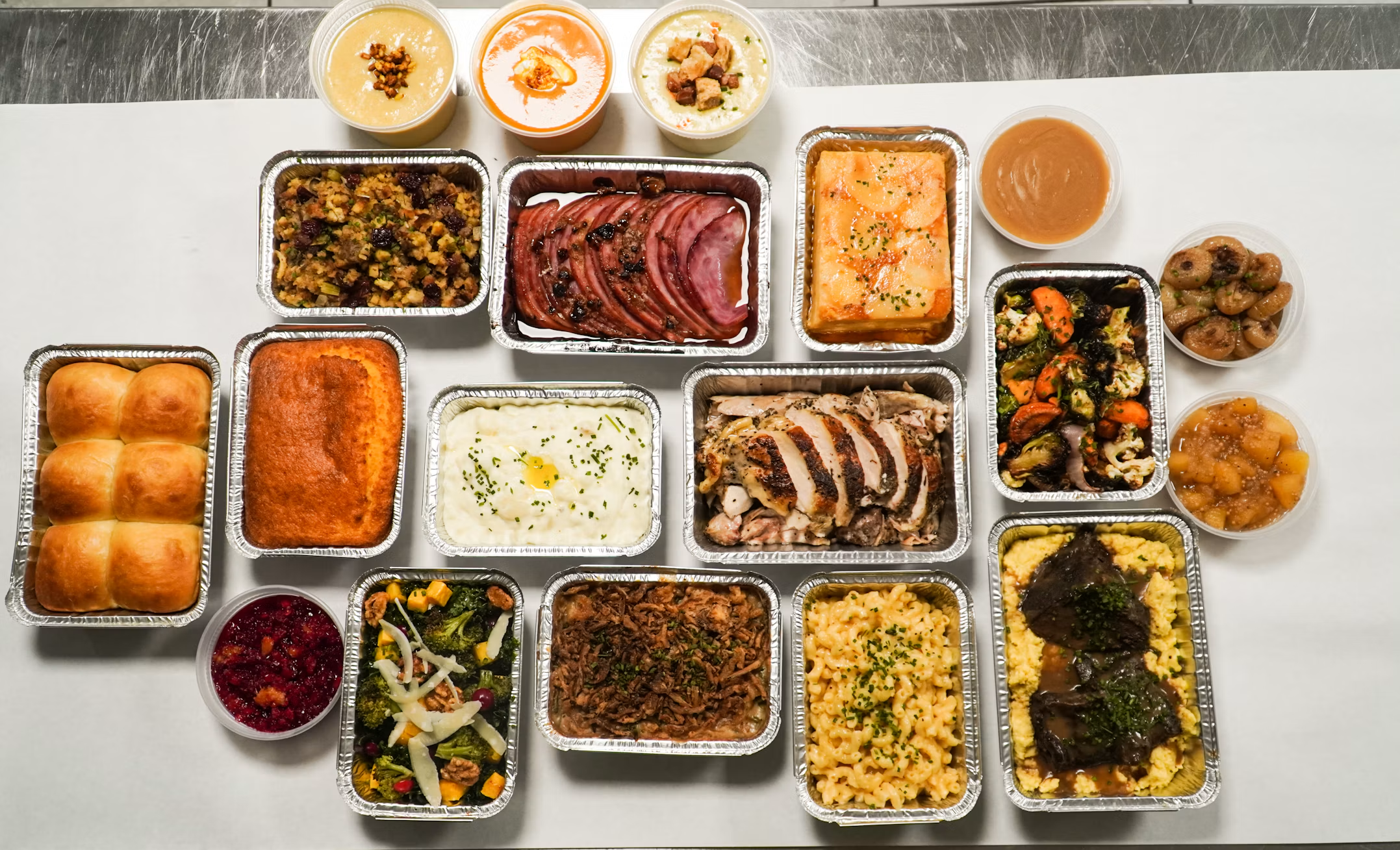
A theme gives the menu a point of view and makes decisions easier for your guests. Possible directions include heirloom recipes, a seafood-centered feast, or a plant-forward menu. Each has a built-in story, and each narrows the choices without limiting creativity. Instead of asking, “What should I bring?” guests can consider, “What fits the theme?”—a much easier question to answer.
Heirloom recipes work particularly well for friends who live far from home. Everyone brings a dish tied to their family or background, and the table becomes a map of the group’s histories. A seafood theme offers something lighter and a little unexpected, which may appeal to friends who are ready for a break from traditional holiday fare. A plant-forward feast is a thoughtful way to include vegetarian and vegan guests without making their dietary preferences an afterthought. It can also produce one of the most colorful tables.
If you are unsure which direction to take, put it to a vote in the group chat. Whatever theme you choose, keep one or two traditional favorites on the table, such as stuffing, cranberry sauce, or mashed potatoes, for guests who want the classic Thanksgiving experience.
#5. Plan a Signature Cocktail or Mocktail Ahead of Time
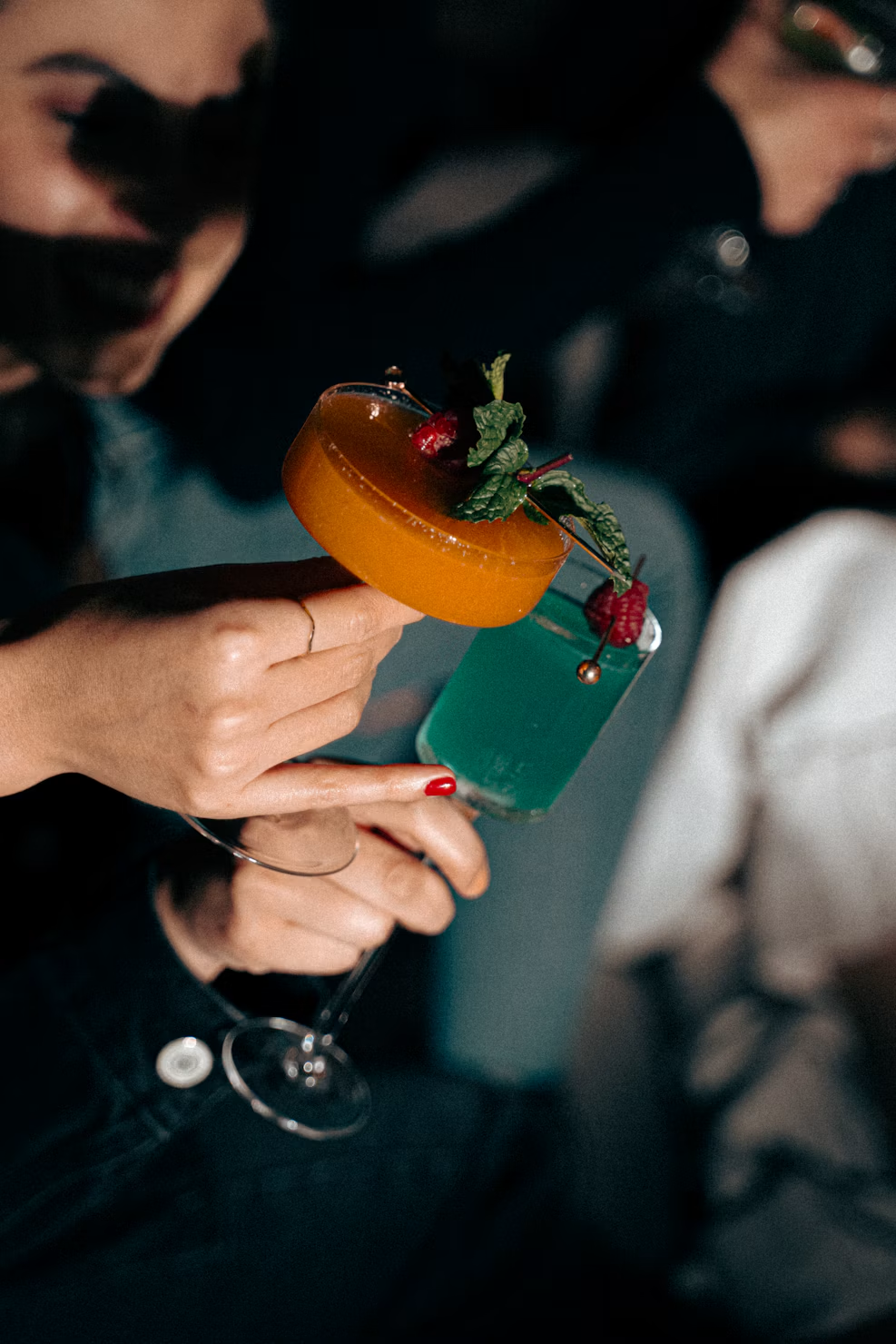
A single signature drink can do more for the atmosphere than a fully stocked bar. Adding a cocktail or mocktail to the menu gives guests something to enjoy as they arrive, establishes a seasonal tone, and removes the pressure of taking individual drink orders throughout the evening.
Think seasonal. Spiced cider, a cranberry spritz, a pear and ginger spritzer, or warm mulled wine all suit the occasion, and each can be prepared in a larger batch for a crowd. Offer a nonalcoholic version alongside the cocktail so guests who are not drinking have something equally special. A good mocktail should be part of the plan, not an afterthought.
Prepare a large batch ahead of time and serve it from a pitcher or drink dispenser. That way, you will not spend the evening playing bartender while everyone else mingles. Add garnishes such as cinnamon sticks, orange slices, or fresh rosemary for a finished presentation, and keep a bucket of ice nearby. Stock a few alternatives, including sparkling water, wine, and beer. A little preparation makes the drinks station more inviting and the evening easier to manage.
#6. Set Up a Buffet to Keep the Dining Table Uncluttered and the Kitchen Calm
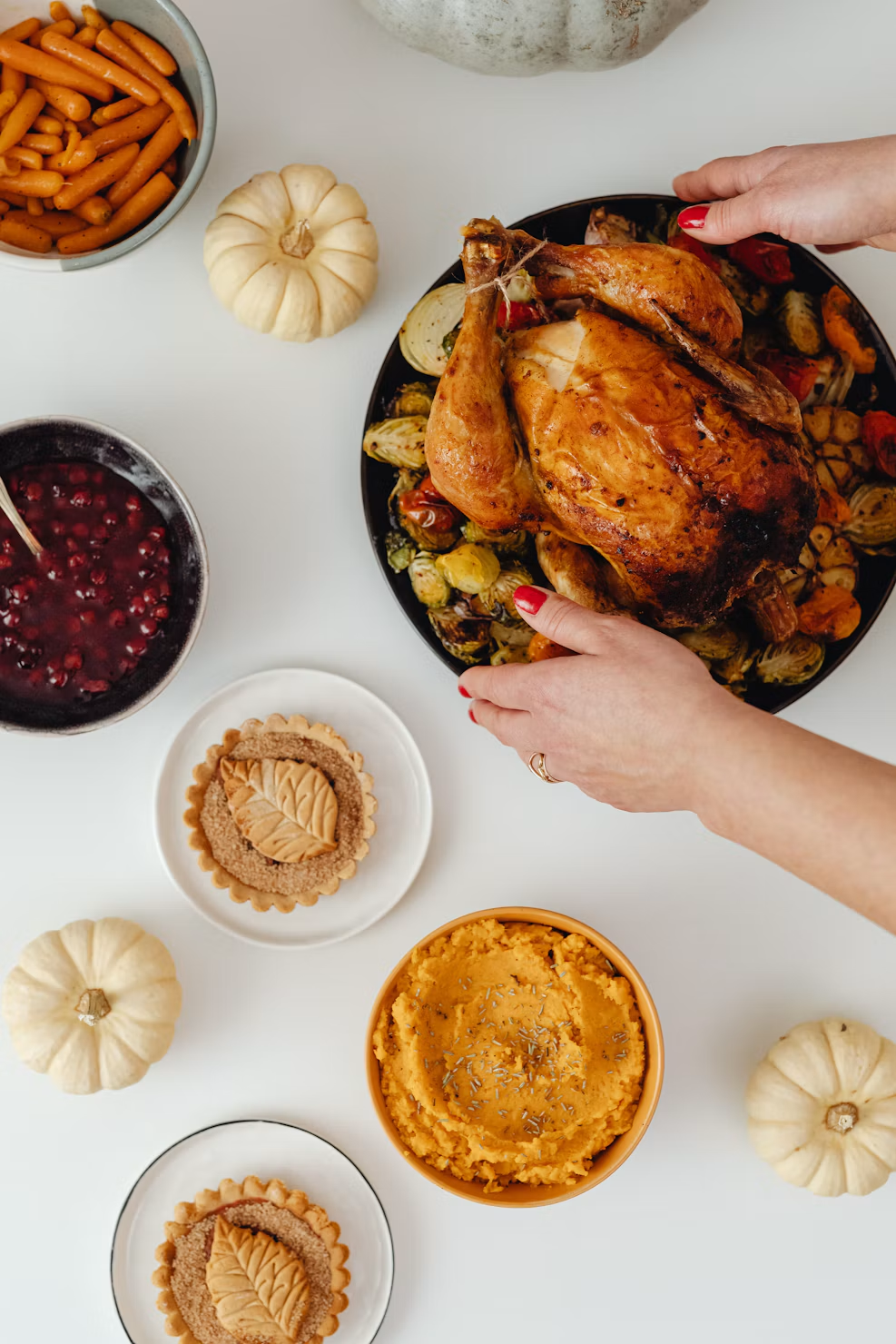
Space is the quiet problem at many Friendsgiving dinners, and a buffet is one of the easiest ways to manage it. Set up a separate potluck table where guests can help themselves before sitting down to eat. This keeps the dining table clear for plates, drinks, and conversation while avoiding the crowded scramble of passing dishes along a long table.
Choose a surface that can accommodate the spread, such as a sideboard, kitchen island, or folding table covered with a tablecloth. Arrange dishes in the order guests will need them, starting with plates and ending with sides and sauces, so the line moves smoothly. Place the main course near the center and desserts on a separate surface to free up additional room.
A few small details can prevent confusion. Label each dish with a card identifying the food and noting common allergens, which saves you from answering the same questions throughout the evening. Provide serving utensils for every dish, and use warming trays, slow cookers, or trivets as appropriate to keep hot food at the right temperature. A little organization turns a crowded collection of dishes into an inviting spread.
#7. Create a Cozy Atmosphere With Simple, Seasonal Decor
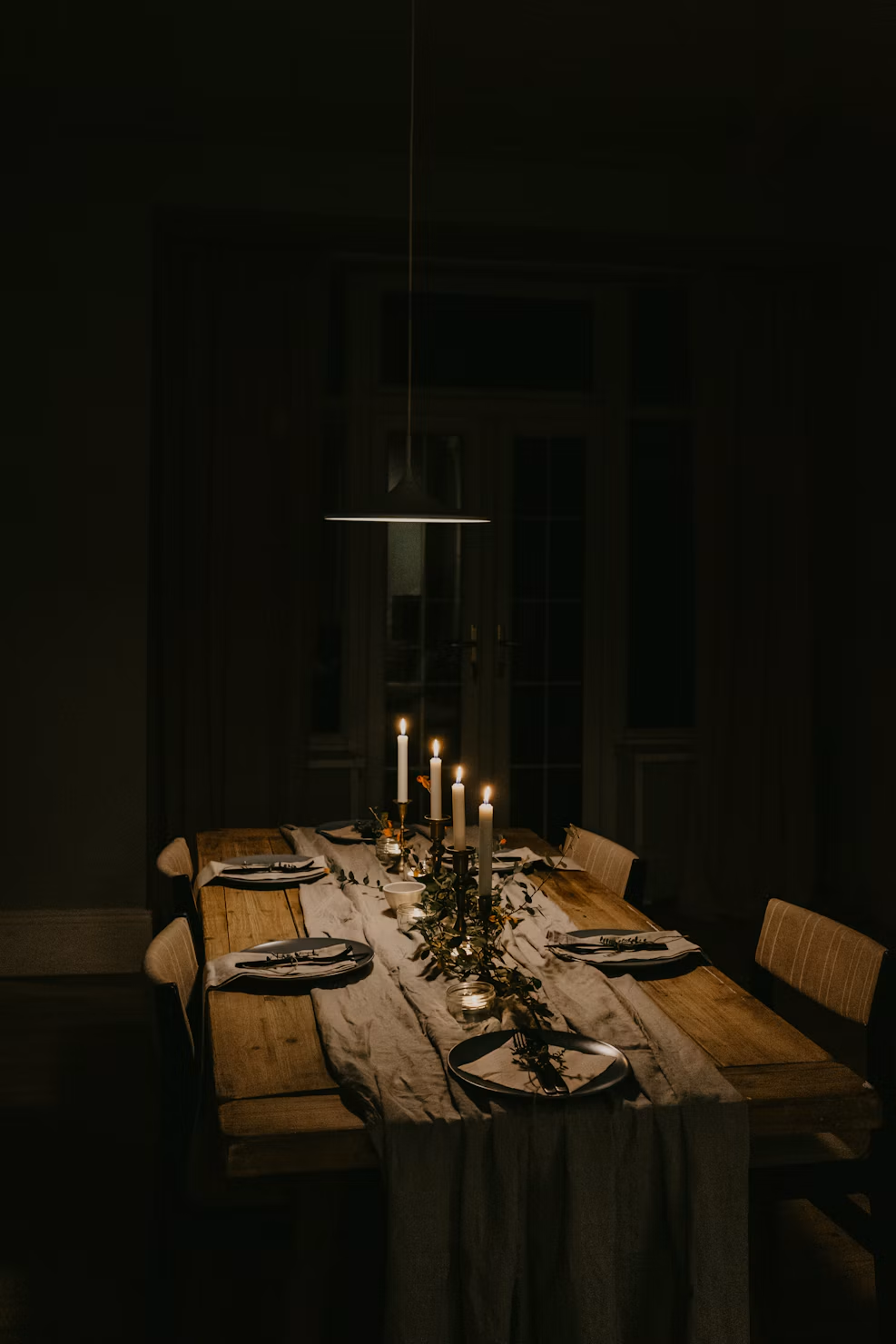
Atmosphere is what turns a dinner into an occasion, and creating it takes less work than you might expect. Lighting does much of the heavy lifting. For an evening gathering, string lights can give your home a welcoming glow. Dim the overhead lights and rely on lamps, candles, and decorative lighting to create a warm, flattering setting.
Build the tablescape with a few simple layers. Start with a runner or tablecloth in a seasonal shade such as rust, olive, cream, or deep burgundy. Add candles of varying heights, then scatter small seasonal accents such as leaves, mini pumpkins, or pinecones down the center. Keep the arrangement low enough for guests to see one another across the table, and avoid strongly scented candles that might compete with the food.
Finish with practical touches. Put on a mellow playlist at a comfortable volume, set aside a spot for coats and bags near the door, and keep a stack of napkins within easy reach. These thoughtful details help guests settle in without costing much time or money. You don’t need an elaborate tablescape to make the occasion special; a few well-chosen details are often enough.
#8. Encourage Guests to Share the Stories Behind Their Dishes
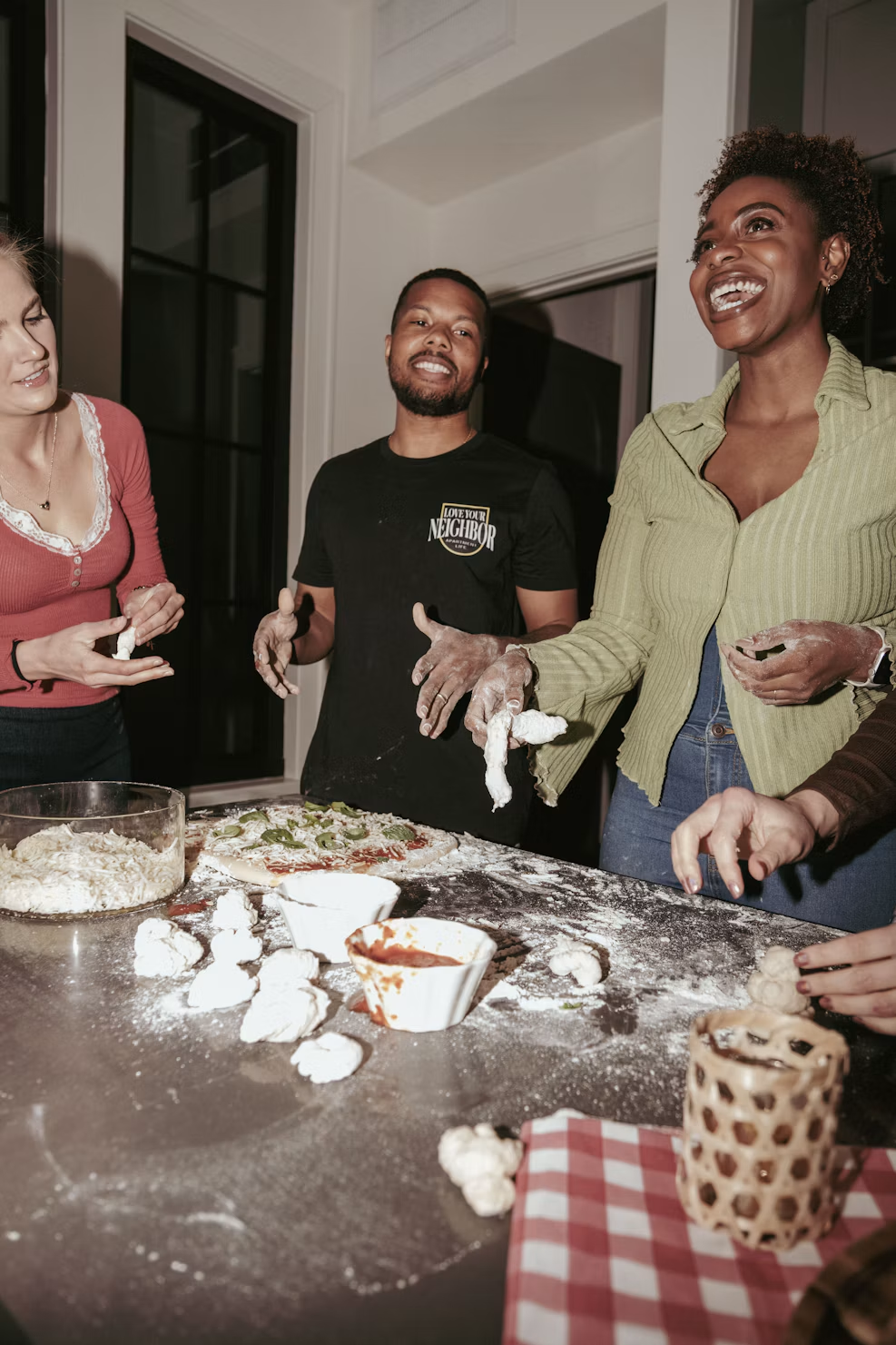
Food tells stories, and Friendsgiving is a wonderful opportunity to hear them. Invite each person to share why they chose their dish during the meal. A recipe passed down from a grandmother, something inspired by a memorable trip, or a childhood favorite gives the table a natural conversation starter beyond the usual small talk. It can be particularly helpful when not everyone in the group knows one another well.
The tradition works for gatherings of different sizes. With a small group, go around the table once everyone has a plate and ask each person to say a sentence or two about their contribution. For a larger crowd, invite guests to introduce their dish as they place it on the buffet, or write a short note on the label card so others can read the story as they serve themselves.
It also takes some pressure off the host. Rather than having to steer the conversation yourself, you give guests an opportunity to share something personal and let the food do the work. The ritual is quick, warm, and easy to repeat every year. Over time, the dishes and the stories behind them can become part of the group’s own traditions.
#9. Add a Giving-Back Activity to Make the Celebration More Meaningful
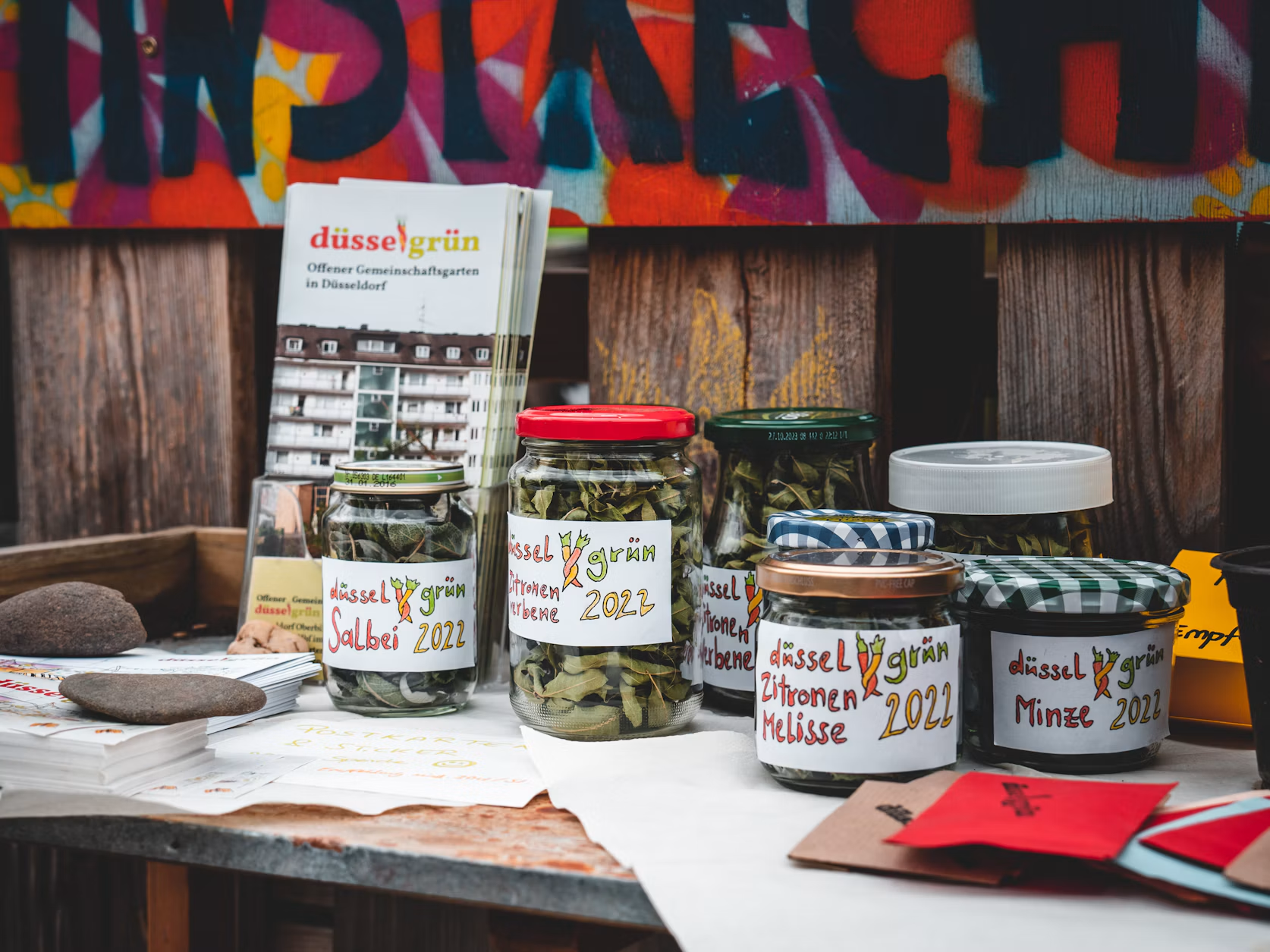
Friendsgiving centers on gratitude, and giving back is a natural extension of that idea. Consider connecting the gathering with Giving Tuesday through an in-person volunteer activity or a group donation. It could be an activity before dinner, a follow-up the week after, or a meaningful alternative to part of the evening’s entertainment.
Start with something small and specific. Many local food banks, shelters, and community kitchens welcome volunteers for a few hours, and some organize special programs around the holidays. If your group prefers to give money rather than time, collect contributions in a jar by the door, choose a charity together, and match the total if you can.
Even simple gestures count. Ask each guest to bring a canned or packaged food item for a local pantry, then arrange to drop off the donations together after dinner. This shifts the focus beyond hosting and toward the wider community. Many groups find that giving back becomes one of the most meaningful parts of their annual celebration. Mention the plan in the invitation so guests know what to expect and can prepare.
#10. Prepare a Host Backup Kit to Handle Last-Minute Surprises
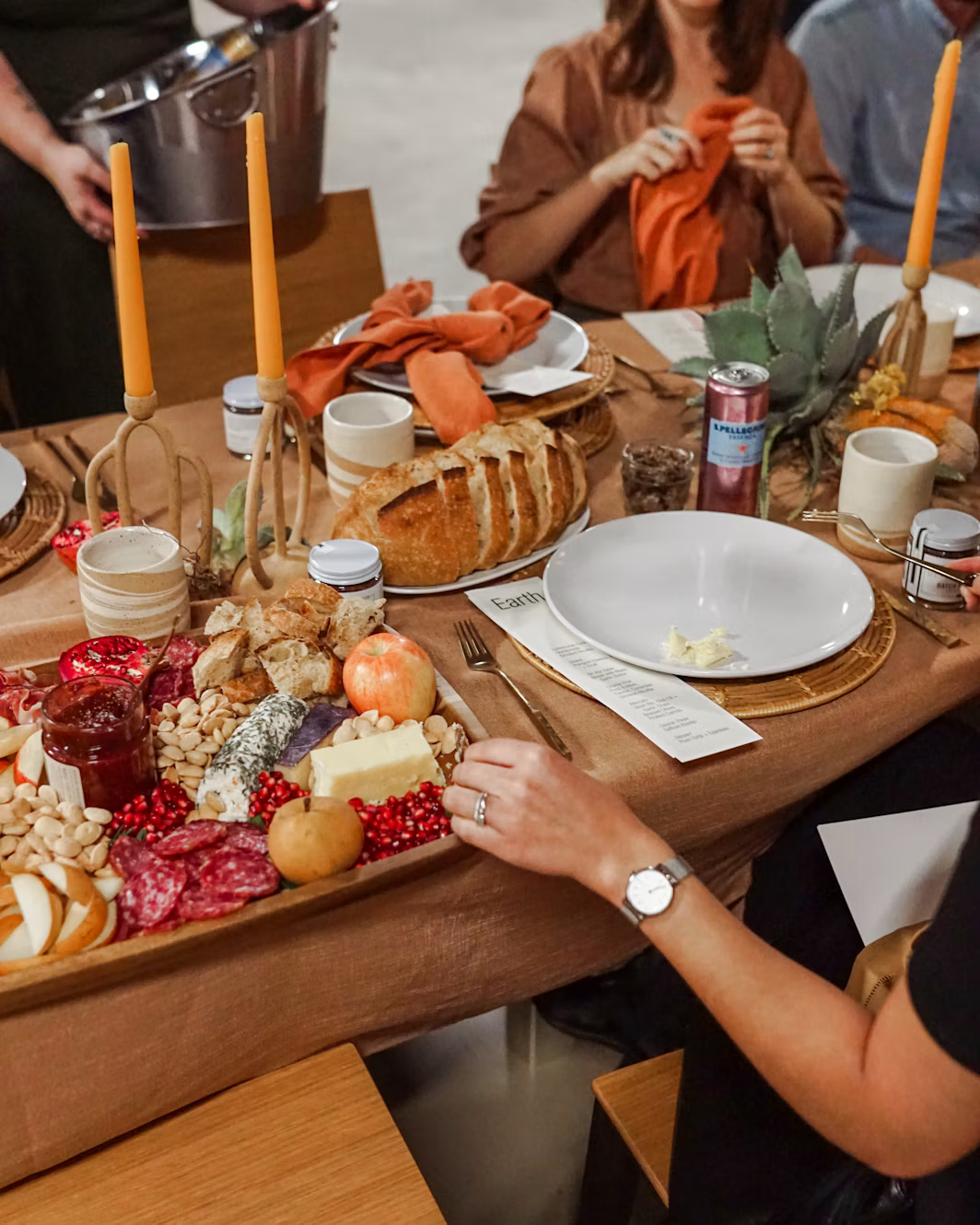
Small preparations can prevent big headaches. Keep extra ice and toilet paper on hand, and have an easy-to-assemble appetizer ready in case the person bringing a starter is running late. Potlucks rarely run exactly on schedule, and a few backups can keep the evening on track when plans change.
A simple snack board is an easy solution. Cheese, crackers, fruit, nuts, and a dip can come together in about ten minutes, filling the gap if a dish arrives late or a guest cancels. Add a few spare plates, utensils, and napkins, along with extra serving spoons, since potlucks have a way of requiring more than you expect.
Think about the end of the night, too. Keep a stack of containers or foil pans ready so guests can take leftovers home. This saves you from facing a week of turkey sandwiches and helps prevent food from going to waste. Ask a few friends to help with cleanup, or establish a simple system with one person handling dishes, another packing food away, and someone else tidying the room. Preparing for these details means the party can end as smoothly as it begins.
How to Enjoy Hosting Friendsgiving Without the Holiday Stress
The best Friendsgiving dinners are not necessarily the most polished ones. They are the gatherings where everyone feels welcome, the food is good, and the host gets to sit down and enjoy the evening, too. You don’t need to prepare every dish, decorate every corner, or account for every possible mishap. A little organization, a shared workload, and a few thoughtful details can go a long way.
As you plan, choose the suggestions that suit your space, budget, and group, and don’t worry about following every tip. Friendsgiving is an opportunity to set aside holiday stress and spend time with the people who matter to you. If a dish comes out imperfectly or the timing slips, the evening will still be remembered for the company. Plan the essentials, share the work, and give yourself permission to enjoy the celebration alongside everyone else.
Featured image: Monstera Production/Pexels
Disney Leads Macy’s 100th Thanksgiving Day Parade Anniversary Capsule Collections: Shop favorites