

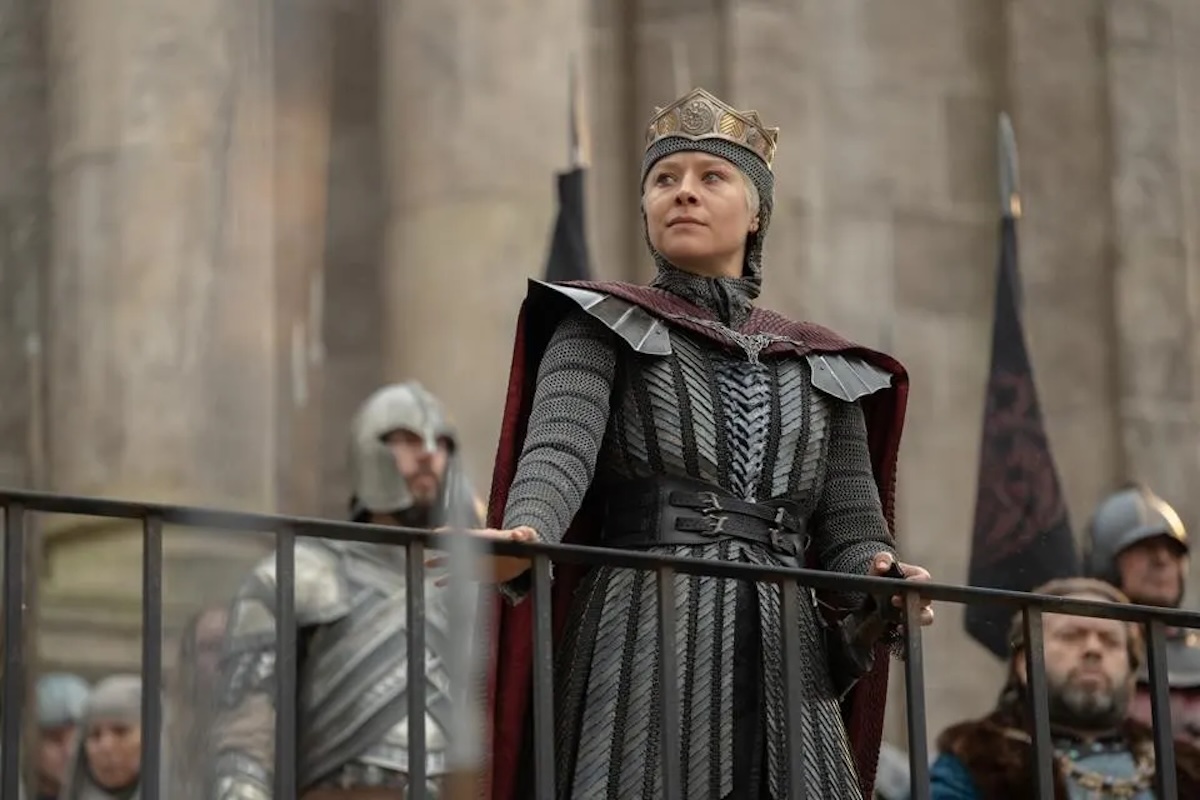

House of the Dragon has been building to this for three seasons, and the Season 3 finale finally delivered. The Battle of Tumbleton, the long-awaited, large-scale military confrontation that the show’s entire political infrastructure has been pointing toward since the first episode, arrived in the finale with exactly the kind of brutal, spectacular, morally indefensible carnage that made Game of Thrones essential viewing at its peak.
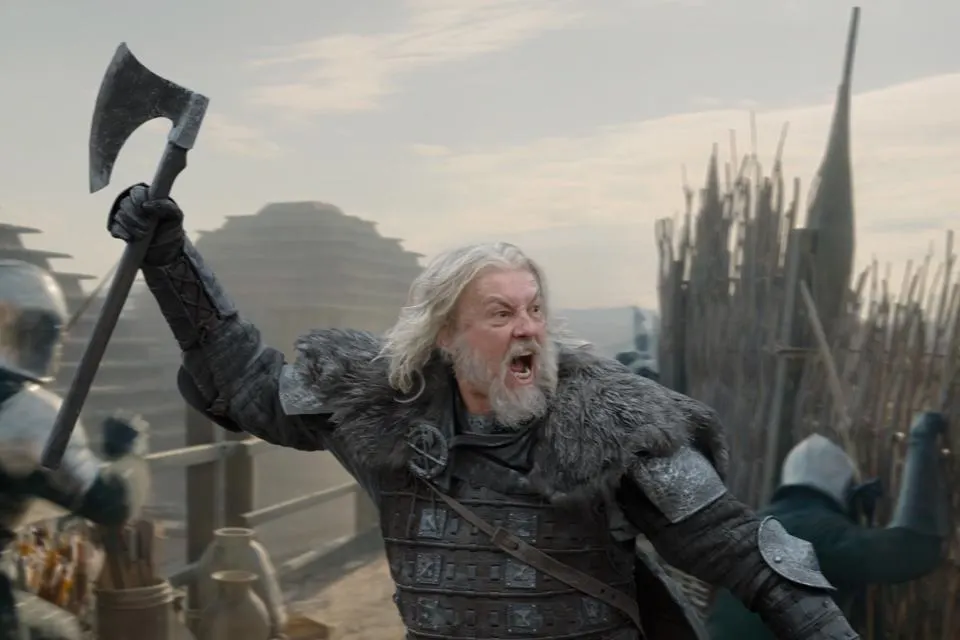
Children burned alive by dragonfire. Soldiers yeeted by a catapult with enough force to cleanly remove a head from the frame. Matt Smith inventing new varieties of cocky scowl. And, most memorably, Tommy Flanagan’s Roddy the Ruin, perhaps the most entertainingly unhinged character the broader Thrones universe has produced in years, charging through the battlefield with gleeful, psychotic fury before being burned alive mid-roar alongside the man he had just skewered through the sphincter, James Norton’s Ormund Hightower. That death alone earned the finale its place in the show’s highlight reel.
A Stronger Season That Finally Balances Politics and Action
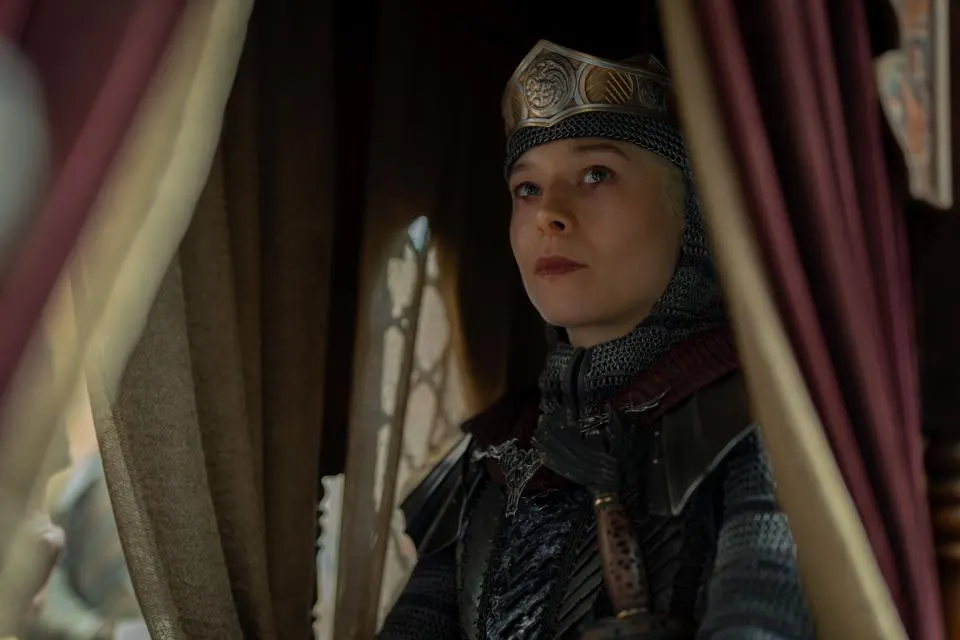
The episode arrived at the end of a season that has been genuinely better than its predecessor. Season 2 leaned too heavily on the show’s talking-in-dimly-lit-rooms-with-lots-of-books infrastructure, letting political drama crowd out the spectacle that the Thrones brand depends on for its emotional peaks. Season 3 corrected this. Rhaenyra’s slow psychological descent, captured through tight, claustrophobic camera work that gave her scenes the texture of a horror film rather than a period drama, has been the season’s sustained dramatic achievement.
Emma D’Arcy has done some of their finest work in the series’ run this season, conveying the weight of a crown that carries not just political responsibility but the banal, grinding demand of keeping a kingdom functional while everything around her burns. That contrast between the mundane pressures of governance and the epic scale of war has been the season’s most interesting dramatic argument.
House of the Dragon Season 3 Finale: The Battle of Tumbleton
The Battle of Tumbleton is what the season was always building toward, and it mostly delivered. Daemon and his forces run into genuine trouble thanks to the tricks Ormund Hightower has up his sleeve, giving the battle tactical complexity rather than simply scale. The dragons drag and burn. The violence is inventive enough that the death of at least a dozen soldiers by dragonfire makes the scene an exceptional piece of art. It achieves the kind of memorable specificity that the best Thrones battle moments have always depended on.
Roddy the Ruin is the episode’s MVP and arguably the season’s. A northern, axe-wielding fighter played by Tommy Flanagan with barely contained glee, Roddy exists somewhere between warrior and force of nature. He charges into battle not for any political cause but for the pure, anarchic thrill of it, which makes him the most honest character in a cast of people who dress their self-interest in the language of duty and loyalty. His death, burned alive at the moment of his greatest triumph, is the most satisfying dramatic exit the show has managed in some time. The manner of it, alongside Ormund Hightower, whose death by sphincter-sword has been telegraphed for several episodes, earned its place in the Thrones kill canon.
What the Finale Got Right—and Where the Show Still Falls Short
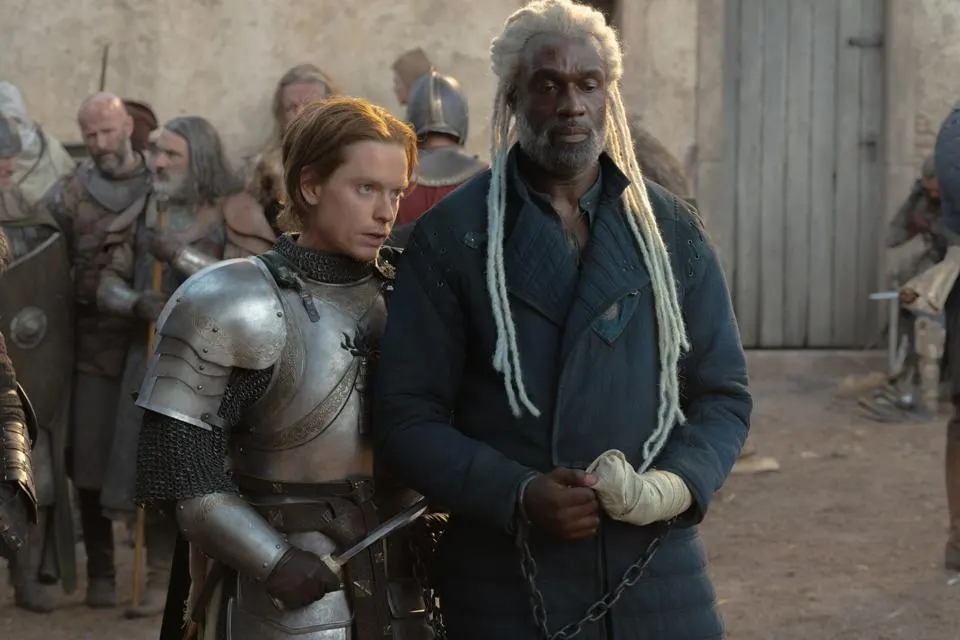
Not everything in the finale landed with the same force as the battle. The prophecy that has shadowed the series since its opening continues to cause problems, and Rhaenyra’s decision to force the High Septon to anoint her queen has a logic that the episode struggles to communicate clearly. Aemond’s storyline and his witch companion remain peripheral rather than compelling, and Helaena’s death, committed by suicide rather than facing life as Rhaenyra’s prisoner, feels less affecting than the episode seemed to intend, though the image of butterflies appearing for Alicent shortly afterward was handled with genuine delicacy.
These are familiar House of the Dragon problems: too many characters, too many of them unlikeable in ways that make individual investment difficult, and occasional structural choices that prioritize plot movement over emotional coherence. The show’s genuine achievement is that it has made those problems feel like features of its specific moral universe rather than simply defects in the writing: a cast of ego-driven, frequently strange people stumbling toward catastrophe in ways that are as recognizably human as they are dramatically frustrating.
When the violence arrives at the scale the finale delivered, none of that matters.
Heavy lies the crown. And the Battle of Tumbleton reminded everyone why we sit through the politics to get to the fire.
Featured image: HBO
Warner Bros. Reveals “Game Of Thrones: Aegon’s Conquest” As First Theatrical Film Title