


When was the last time you spent an hour doing absolutely nothing involving a screen? No background streaming, no quick notification checks, no rapid scrolling while half-watching the news. If you’re drawing a blank, you’re in good company. Modern life has turned our attention spans into fragmented light shows, leaving us constantly switched on, slightly overstimulated, and strangely exhausted.
For a while, the obvious antidote was app-based mindfulness. We downloaded meditation apps, put on noise-canceling headphones, and tried our best to “clear our minds” on command. But sitting motionless in a quiet room while a soothing voice reminds you to breathe can sometimes feel like just another task on your to-do list.
Enter the newest wave of personal downtime: DIY art. From hands-on canvas kits and textured acrylic painting to modern ceramics and embroidery, people are stepping away from their digital feeds and picking up physical tools. But this isn’t just about crafting a pretty decoration for your living room—it’s about discovering a simple, grounding mindfulness practice that gives your attention somewhere tangible to go.
What Actually Happens to Your Brain
Try stressing over tomorrow’s meetings while deciding which shade of blue to use next. It’s not impossible, but creative focus can make it easier to redirect your attention away from everyday worries. The moment you pick up a tool, your focus shifts. You stop obsessing over your inbox. You stop replaying awkward conversations from three days ago. You just look at what your hands are doing right now.
Psychologists often refer to this state as flow. Popularized by psychologist Mihaly Csikszentmihalyi, flow describes an immersive mental state in which you become deeply absorbed in an activity, often losing track of time and becoming less focused on yourself.
DIY art can create the conditions for that kind of focused attention, particularly when the activity is engaging without being overwhelmingly difficult.
- Your brain switches gears. You stop overthinking and start using your hands. You feel the canvas, watch the colors mix, and focus on simple movements.
- Perfection goes out the window. Nobody is grading you. Making mistakes is part of the process, and learning to let go of the need for a perfect result can make the experience more enjoyable.
- Your body gets a chance to slow down. Repetitive motions like brushing, molding, or stitching can create a soothing rhythm that encourages you to settle into the moment.
Why DIY Art Fits Modern Life So Perfectly
Why has DIY art taken off so dramatically right now? Because it addresses two major modern aches: digital fatigue and the loss of tangible creation.
Most of our daily work exists in the cloud. We type emails, edit spreadsheets, manage projects, and send messages, but at the end of the day, there is rarely a real physical result we can actually point to or hold in our hands.
DIY art gives us back that tactile connection. It offers a structured, low-pressure entry point into creativity. You don’t need a master’s degree in fine arts to enjoy it, nor do you need to spend years mastering complex techniques. Instead, guided DIY art sets—like paint-by-numbers kits for adults, pre-sketched canvases, or beginner-friendly pottery sets—take away the terrifying “blank canvas” anxiety. They supply the structure so you can simply drop in and enjoy the sensory experience.
It’s an intentional act of stepping back. Switching off your device to spend an hour blending shades of ocean blue isn’t just a hobby; it can be a quiet form of self-care that gives your attention a break from the constant pull of digital life.
Cool DIY Art Ideas to Get You Started
Not sure where to begin? You don’t need raw talent—just picking the right medium can make the process much easier. Here are a few easy, low-stress ways to dive in:
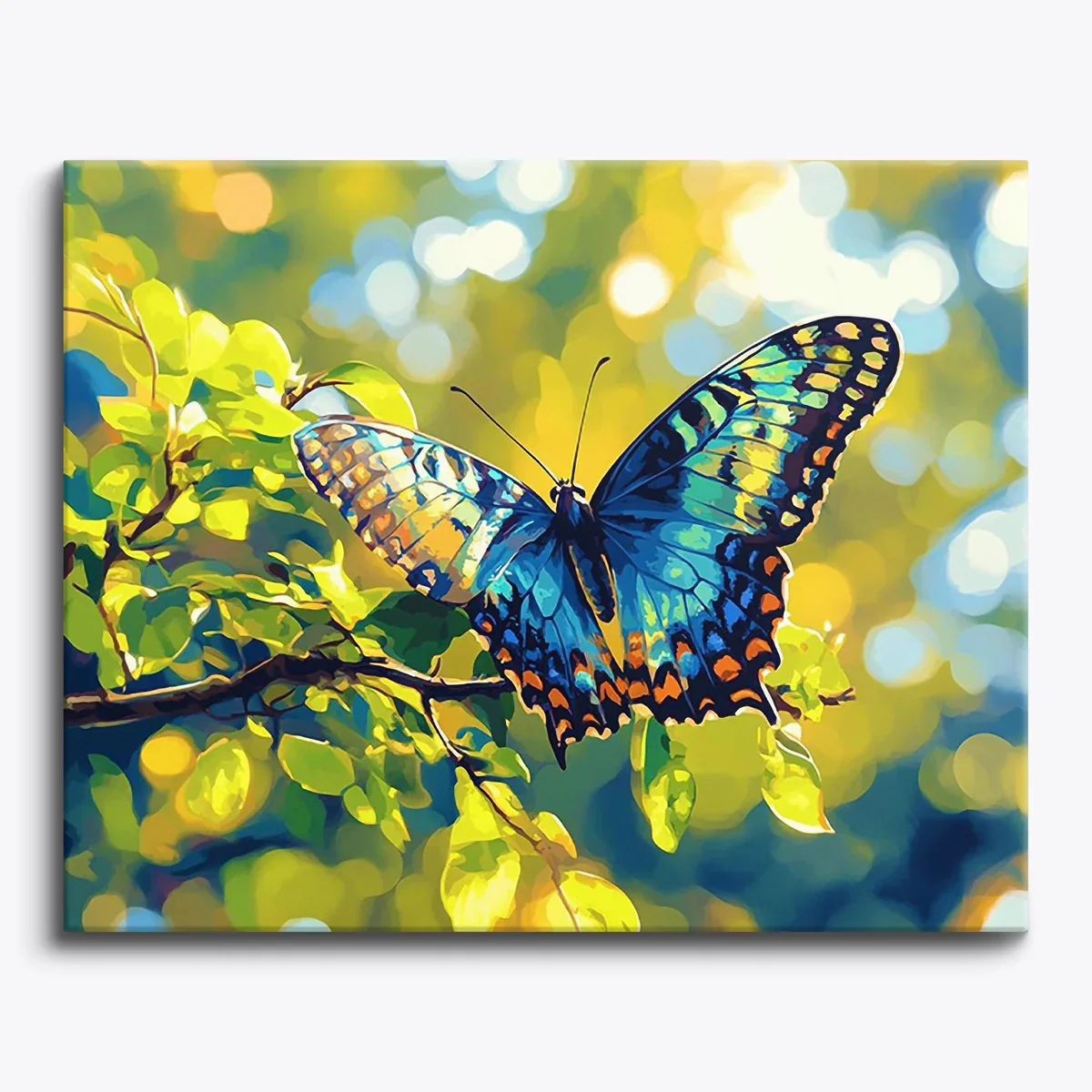
- Paint by Numbers for Adults: The ultimate autopilot project. The canvas comes pre-printed with tiny numbers, and each color has its matching paint. Zero guesswork, zero planning. You simply match the numbered paints to the canvas to create authentic-looking oil paintings, detailed landscapes, animal portraits, or vibrant botanical art. Despite the “oil” aesthetic, many modern paint-by-numbers kits use acrylic paint to achieve the finished look, making them quick-drying and beginner-friendly.
- Textured Palette Knife Art: Grab a blank canvas, spread thick acrylic paint or plaster paste, and swipe away with a plastic palette knife. There are no wrong shapes here—the rough, layered texture is part of the art.
- Air-Dry Clay Creations: Skip the expensive kiln. Air-dry clay feels like dough and cures right on your counter. Roll it out to make simple trinket dishes, key bowls, or minimalist plant pot markers.
- Watercolor Washes & Patterns: Forget realistic landscapes. Mix water with soft paints and fill a paper page with simple repeating circles, soft stripes, or blended color gradients. It can be a surprisingly soothing way to spend a quiet afternoon.
- Modern Punch Needle & Embroidery: If paint feels too messy, try yarn. Punch needle kits use a thick needle to loop thread through fabric, creating soft, textured wall art without the paint spill.
How to Build a Low-Stress Art Habit
Want to try this at home? You don’t need an expensive studio or fancy gear. A kitchen table or a quiet desk works just fine.
Here is how you can set up your own space in a few easy steps.
- Fix the vibe. Before you touch any paint, clear off your table. Put your phone in another room. Seriously, hide it. Turn on a good playlist, light a candle, or just enjoy the silence for once. You want a clear line between your busy day and your chill time.
- Pick something easy. If you want to relax, don’t pick a project that makes you sweat. Skip the hard stuff and go for simple, fun ideas like the ones mentioned above. The goal is to find something engaging enough to hold your attention without making the activity feel like another obligation.
- Forget the result. Nobody is grading this. Did the paint bleed past the line? Who cares. Is your clay bowl a little lopsided? Call it rustic. The main goal is to unwind, not to land your work in a museum. Just pay attention to how the brush moves, how the colors change, or how the clay feels in your hands.
The Lasting Impact Beyond the Canvas
The magic of DIY art doesn’t necessarily end when your piece dries.
First, there is the immediate sense of focus you may carry back into your day. Spending an hour in deep, tactile concentration can give you a welcome break from constant notifications and competing demands, leaving you feeling more grounded and present after the brushes are rinsed out.
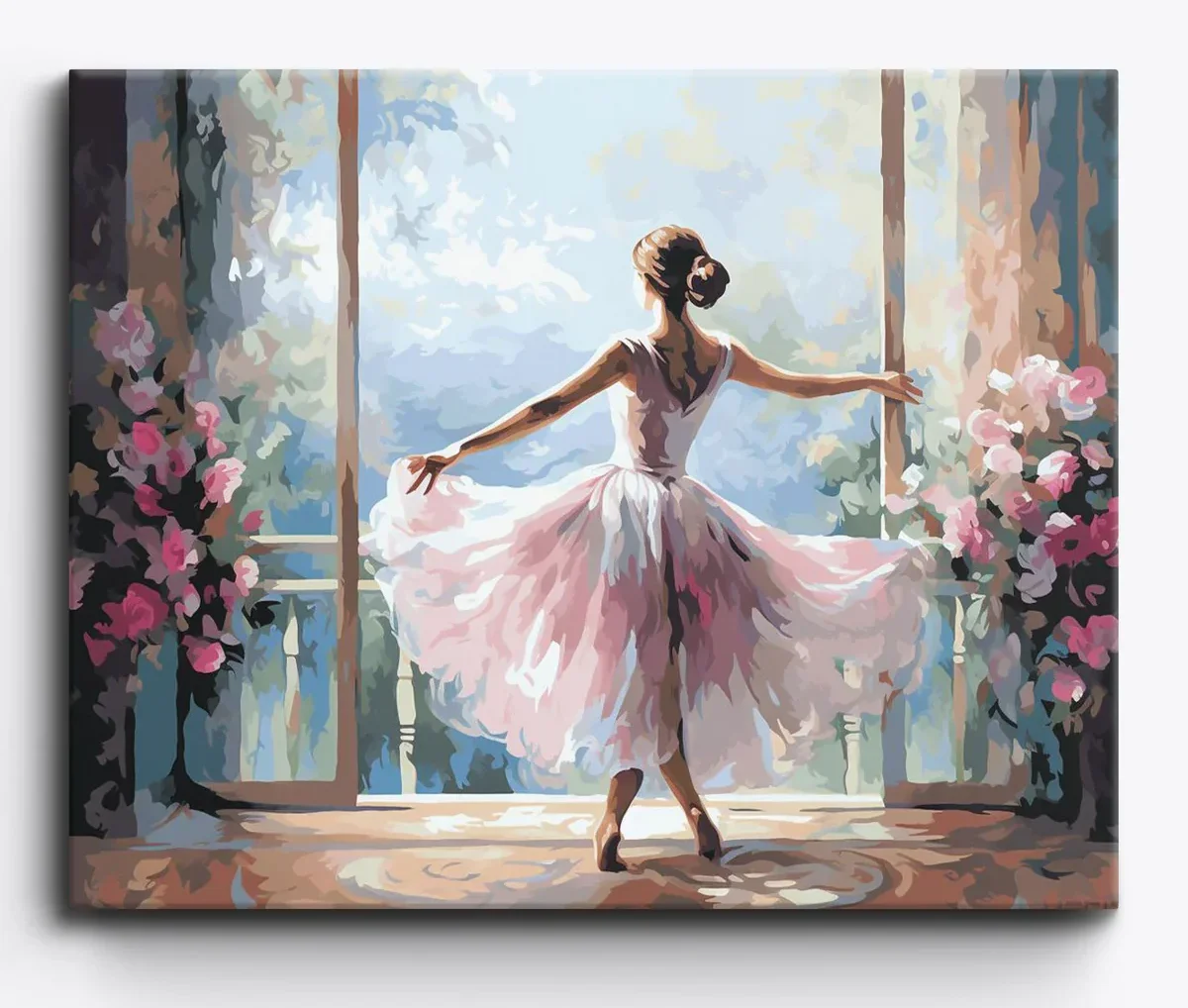
Second, you end up with a tangible keepsake of your time spent creating. Hanging your finished painting on a wall or placing your handmade ceramic tray on your coffee table creates a quiet visual anchor. Every time your eye catches it, you’re reminded not just of a pretty object, but of the calm, uninterrupted hour you gave back to yourself.
In a world that constantly demands our speed, efficiency, and instant responses, making art by hand is a gentle way of slowing down. It gives you permission to put the phone away, focus on one small task, and enjoy the process without worrying about the outcome.
So grab some paint, find a quiet spot, and give your mind the creative space it’s been asking for.
Featured image: Ron Lach/Pexels
—Read also