

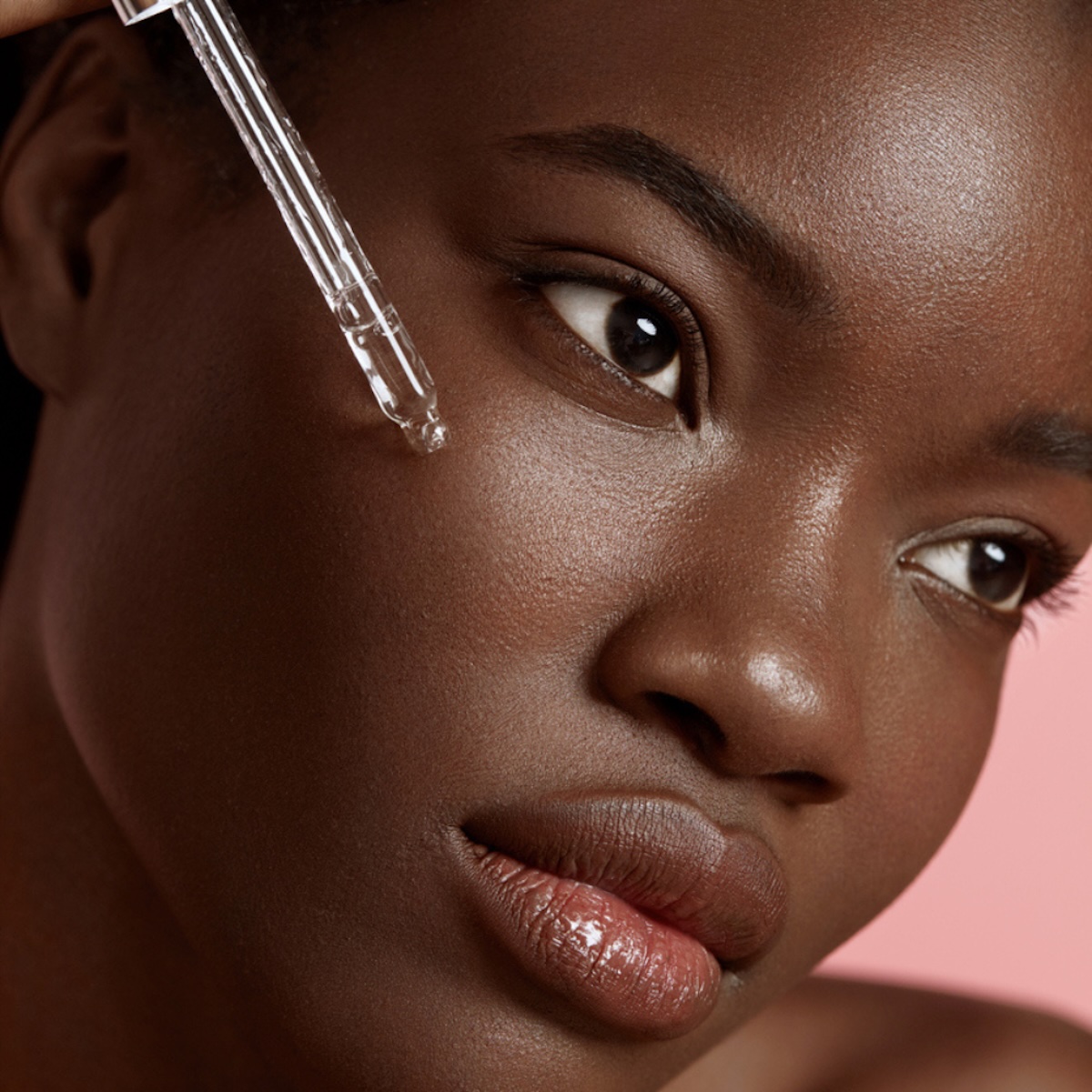

If your feed has been serving you serums in a suspiciously gorgeous shade of blue lately, you are not imagining it. Copper peptides have officially crossed over from the quieter corners of skincare research into the mainstream beauty conversation. Suddenly, GHK-Cu is everywhere, from sleek serums to social media routines promising firmer, smoother, healthier-looking skin. But between the aesthetic packaging and the “liquid gold for your face” captions, it is worth asking the less glamorous question: What does this ingredient actually do?
The answer is more interesting than the hype suggests. GHK-Cu has a history in scientific research and some promising findings behind its use in skincare. At the same time, the ingredient is not a miracle worker, and the evidence does not justify every claim currently making the rounds online.
Why Are Blue Serums All Over Your Feed?
Skincare trends tend to follow a familiar pattern. An ingredient with years of research behind it suddenly gets discovered by social media, beauty creators start talking about it, and before long, it is appearing in everything from serums to eye creams.
Copper peptides are simply the latest ingredient to make that journey, following in the footsteps of retinol, niacinamide, and hyaluronic acid.
The star of the show is GHK-Cu, a small peptide complexed with copper. And yes, that distinctive blue color is real. Copper-containing formulations can naturally take on a blue hue, giving these products an instantly recognizable appearance.
Of course, looking good on your bathroom shelf does not necessarily make an ingredient effective. The more interesting question is what happens once GHK-Cu meets your skin.
What Exactly Is GHK-Cu?
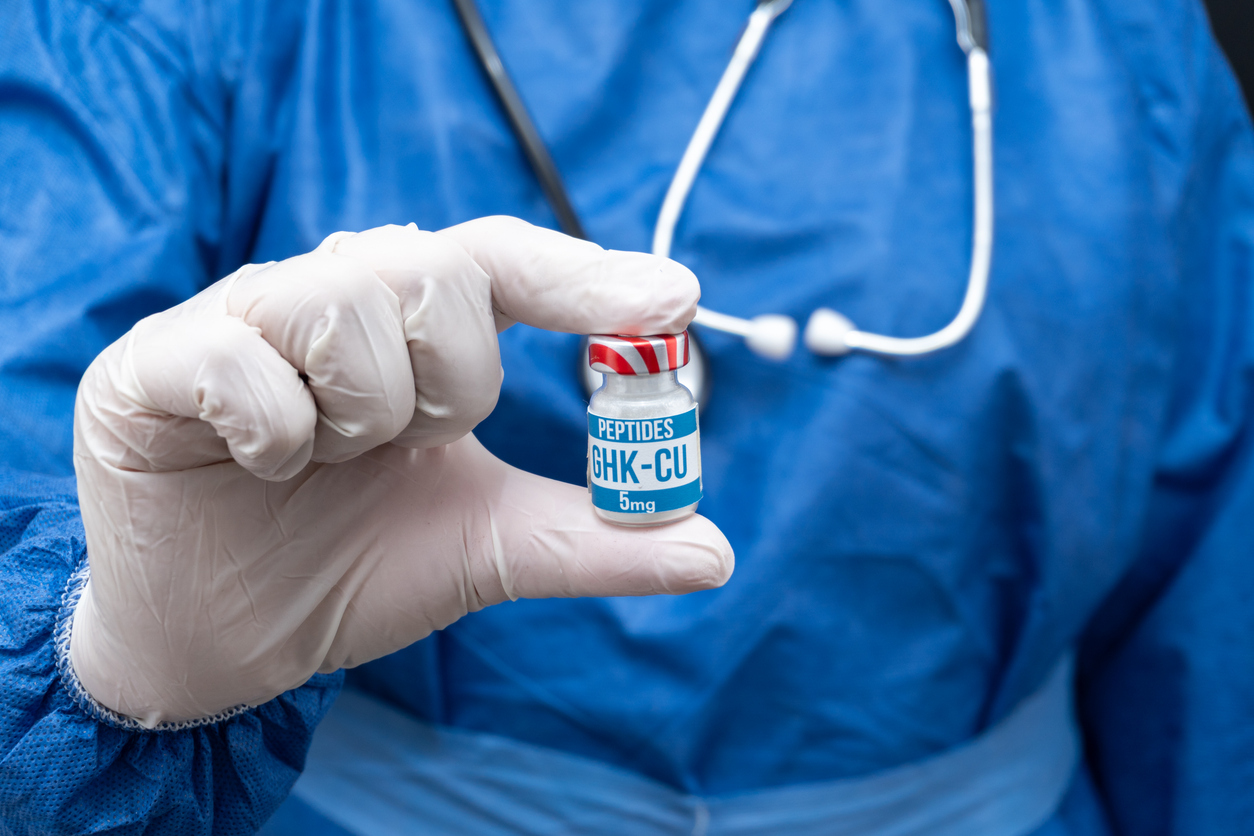
GHK-Cu is a naturally occurring copper-binding peptide made up of three amino acids: glycine, histidine, and lysine. The compound has been studied for its potential role in processes associated with skin repair and remodeling.
That distinction matters because GHK-Cu is not simply a trendy cosmetic ingredient invented for the latest generation of blue serums. Researchers have been interested in the peptide for decades, particularly in relation to wound healing, tissue repair, inflammation, and changes associated with aging.
Some research has also explored the relationship between GHK-Cu levels and age. However, that does not automatically mean that applying a copper peptide serum can simply replace what the body naturally produces. Skincare biology is rarely that straightforward.
What topical GHK-Cu may do is support processes involved in maintaining the appearance and function of the skin. That possibility is what has made it such an intriguing ingredient for modern skincare formulations.
What Does the Research Say About Copper Peptides?
Unlike some viral skincare ingredients that seem to appear overnight, GHK-Cu has a genuine scientific history behind it. Research has explored its potential effects on collagen, skin repair, elasticity, and the appearance of aging skin, although the evidence base is not as extensive as it is for better-established ingredients such as retinoids.
A detailed scientific review of GHK-Cu has examined it in connection with tissue remodeling, wound healing, and skin health. Laboratory and some human studies have reported changes in measures associated with skin thickness, density, wrinkles, and collagen-related activity. However, the studies vary in their design, formulations, and delivery methods, and larger, standardized clinical trials are still needed.
For skincare enthusiasts, that makes GHK-Cu particularly interesting for concerns such as firmness, texture, and visible signs of aging. Some research suggests that copper peptides may support collagen-related processes and improve the overall appearance of skin, but these findings should be viewed as promising rather than proof of dramatic anti-aging results.
And that is an important distinction. A copper peptide serum is not going to replicate the effects of a cosmetic procedure, nor should it be treated as a substitute for treatments with stronger clinical evidence. Think of GHK-Cu as a supporting player: potentially useful, but not the entire skincare routine.
Can Copper Peptides Help with Skin Repair and Texture?
Potentially. Much of the interest surrounding GHK-Cu comes from its connection to processes involved in skin repair and remodeling. Preclinical research has explored its effects on extracellular matrix components, including collagen, as well as pathways involved in tissue repair.
That makes the ingredient particularly appealing to people concerned with uneven texture, loss of firmness, or the visible effects of environmental stress. However, it is important not to turn those potential benefits into promises that a topical product cannot necessarily deliver.
If your skin barrier is struggling after too much exfoliation or an overly enthusiastic retinol routine, the basics still matter most. A gentle cleanser, moisturizer, and daily sunscreen will do considerably more for your skin than adding five new “repairing” serums at once.
Copper peptides can be part of that bigger picture, but they should complement a sensible routine rather than replace it.
Does the Formulation Matter as Much as the Ingredient?
Absolutely. Seeing GHK-Cu on an ingredient list does not tell you everything about the finished product.
Peptides can present formulation challenges, and factors such as concentration, stability, packaging, and storage can all influence the quality and performance of a skincare product. Two products containing the same headline ingredient can therefore offer very different formulations.
This is also why transparency has become increasingly important as consumers become more interested in what is actually inside their skincare products. Beyond the ingredient list, shoppers may want to know about concentration, formulation choices, testing, and sourcing.
There are now platforms and resources that focus specifically on this kind of information. Brands and research-focused sites such as Peptide Insider publish information about peptide testing, laboratory documentation, and product data, reflecting a broader consumer interest in understanding what sits behind the claims on a label.
For everyday skincare shoppers, the lesson is simple: do not let a buzzy ingredient name do all the convincing. Look at the full formulation, consider the brand’s transparency, and be realistic about what the product can achieve.
How Should You Add Copper Peptides to Your Skincare Routine?
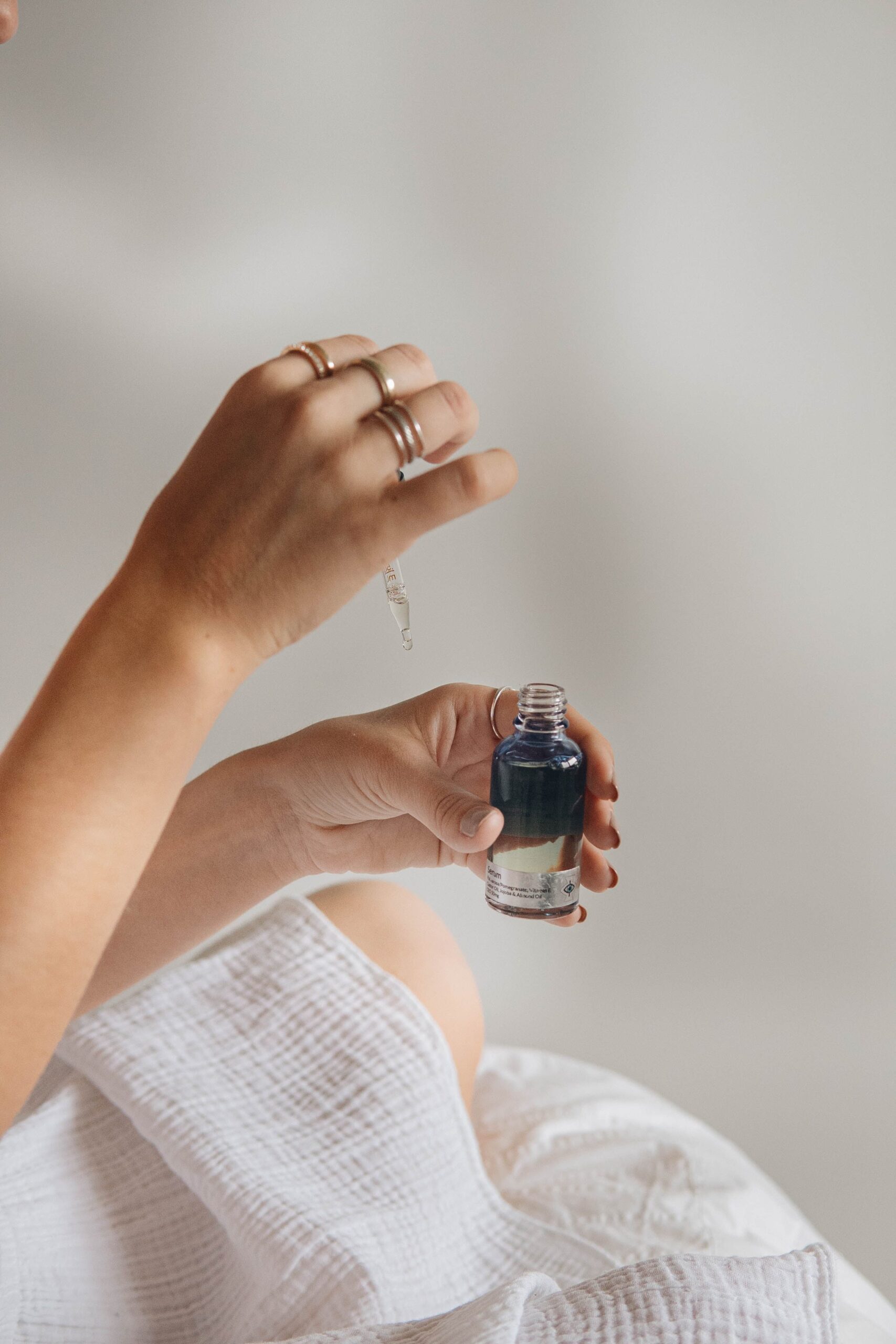
If you want to try GHK-Cu, there is no need to completely overhaul your existing routine. A copper peptide serum can generally be introduced after cleansing and before moisturizer, following the directions provided by the product.
The bigger consideration is what else you are using. Skincare ingredient compatibility can depend on the specific formulations involved, so rather than following rigid internet rules about never combining copper peptides with particular ingredients, check the manufacturer’s guidance and introduce new products gradually.
If you already use strong acids, retinoids, or vitamin C, you may prefer to separate certain actives between your morning and evening routines. This can also make it easier to identify what is actually working for your skin.
And patience matters. Copper peptides are not an overnight transformation. If a product is going to make a noticeable difference to the appearance of your skin, consistency over time is likely to matter far more than applying a generous amount once and expecting a next-day glow.
Are Copper Peptides Worth the Hype?
Copper peptides are having their moment for good reason. GHK-Cu has a legitimate research history and an interesting potential role in supporting processes associated with skin repair, collagen, and the visible signs of aging.
But the ingredient deserves a little less hype and a little more context.
It is not a facelift in a bottle, a replacement for sunscreen, or a shortcut to flawless skin. What it can be is a promising addition to a well-rounded routine, particularly for beauty lovers interested in newer-generation peptide formulations.
So, if that gorgeous blue serum has caught your eye, go ahead and be curious. Just bring the same energy to reading the ingredient list that you bring to choosing your foundation shade. Look beyond the trend, consider the evidence, and give the product enough time to prove whether it deserves a permanent place on your shelf.
The best skincare trends are not necessarily the loudest ones. Sometimes, they are the ones that can survive a little scrutiny.
Featured Image: puhhha/iStock
—Read also