
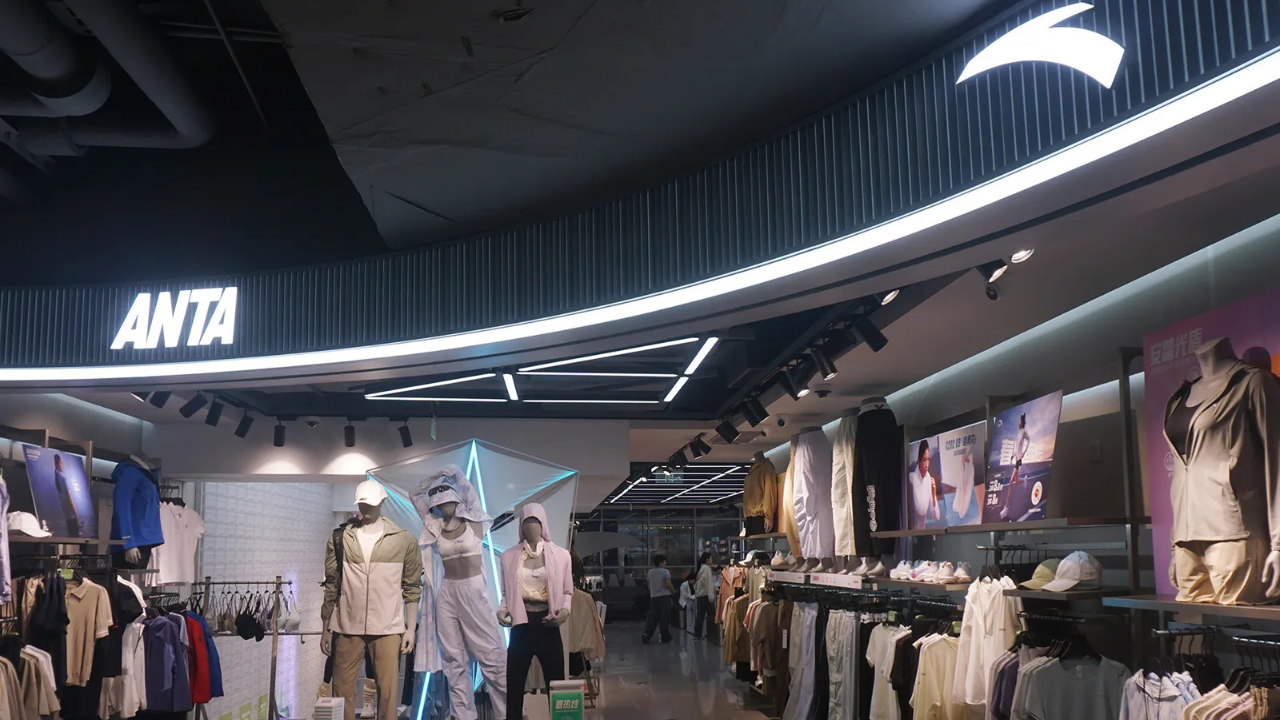

ANTA Sports has agreed to acquire a 29.06 percent stake in PUMA, positioning the Chinese sportswear group as the German brand’s largest shareholder. The transaction, valued at approximately €1.5 billion (about $1.79 billion USD), will see ANTA purchase the shares from Artemis, the investment vehicle of the Pinault family.
The deal is expected to close by the end of 2026, subject to regulatory approvals and customary closing conditions. ANTA confirmed the acquisition will be financed entirely through its internal cash reserves.
A Strategic Entry, Not a Takeover
China’s Anta Sports has agreed to buy a stake of about 29% in Puma for $1.8 billion, making it the German sports brand’s biggest shareholder https://t.co/Q1kZflitSB
— Bloomberg (@business) January 27, 2026
ANTA Sports made clear that the investment is not intended as a takeover. While the company plans to seek appropriate representation on PUMA’s supervisory board, it has stated that it fully respects PUMA’s independent governance, management culture, and identity as a German-listed company.
In an official statement, ANTA emphasized that its role will be collaborative rather than controlling, aligning with its long-standing “single-focus, multi-brand, globalisation” strategy. The company has used a similar approach with other international brands in its portfolio, maintaining brand autonomy while providing operational and retail support.
Why PUMA and Why Now?

The ANTA Sports PUMA transaction comes at a pivotal moment for the German sportswear brand. PUMA has faced slowing growth in recent quarters, alongside softer demand across parts of the global sneaker market. The company is currently undergoing a strategic reset under CEO Arthur Hoeld, with renewed focus on performance categories, brand storytelling, and distribution discipline.
For Artemis, the sale marks the end of a long ownership chapter. The Pinault family retained PUMA after spinning it out from Kering years ago to concentrate on luxury holdings. Exiting now allows Artemis to redeploy capital elsewhere while handing PUMA a financially strong long-term partner.
What ANTA Gains From the Puma Deal
ANTA Sports adds PUMA to its already diverse portfolio of brands including FILA, Salomon, Wilson, Arc’Teryx, and more ✍️ https://t.co/a9LIsD6WUN pic.twitter.com/uC4Xpq6Feb
— Nice Kicks (@nicekicks) January 27, 2026
For ANTA Sports, becoming PUMA’s largest shareholder strengthens its position as a global sportswear heavyweight. The group gains deeper exposure to European sports culture and PUMA’s established presence in football, running, motorsport, and lifestyle footwear.
ANTA has steadily expanded its global footprint in recent years, with operations across Southeast Asia, the Middle East, Africa, North America, and Europe. Its experience managing international brands—including FILA, Descente, and Amer Sports—has shaped a business model focused on brand positioning, retail execution, and long-term value creation.
The PUMA stake fits squarely within that playbook, offering strategic influence without diluting brand heritage.
Board Representation and Brand Independence

As part of the agreement, ANTA intends to nominate representatives to PUMA’s supervisory board. These representatives will work alongside existing shareholder and employee-appointed board members, in line with Germany’s corporate governance framework.
ANTA has explicitly stated that preserving PUMA’s brand DNA remains a priority. The company acknowledged PUMA’s heritage, design language, and market positioning as core strengths that should not be disrupted by ownership changes.
A Broader Signal for the Industry
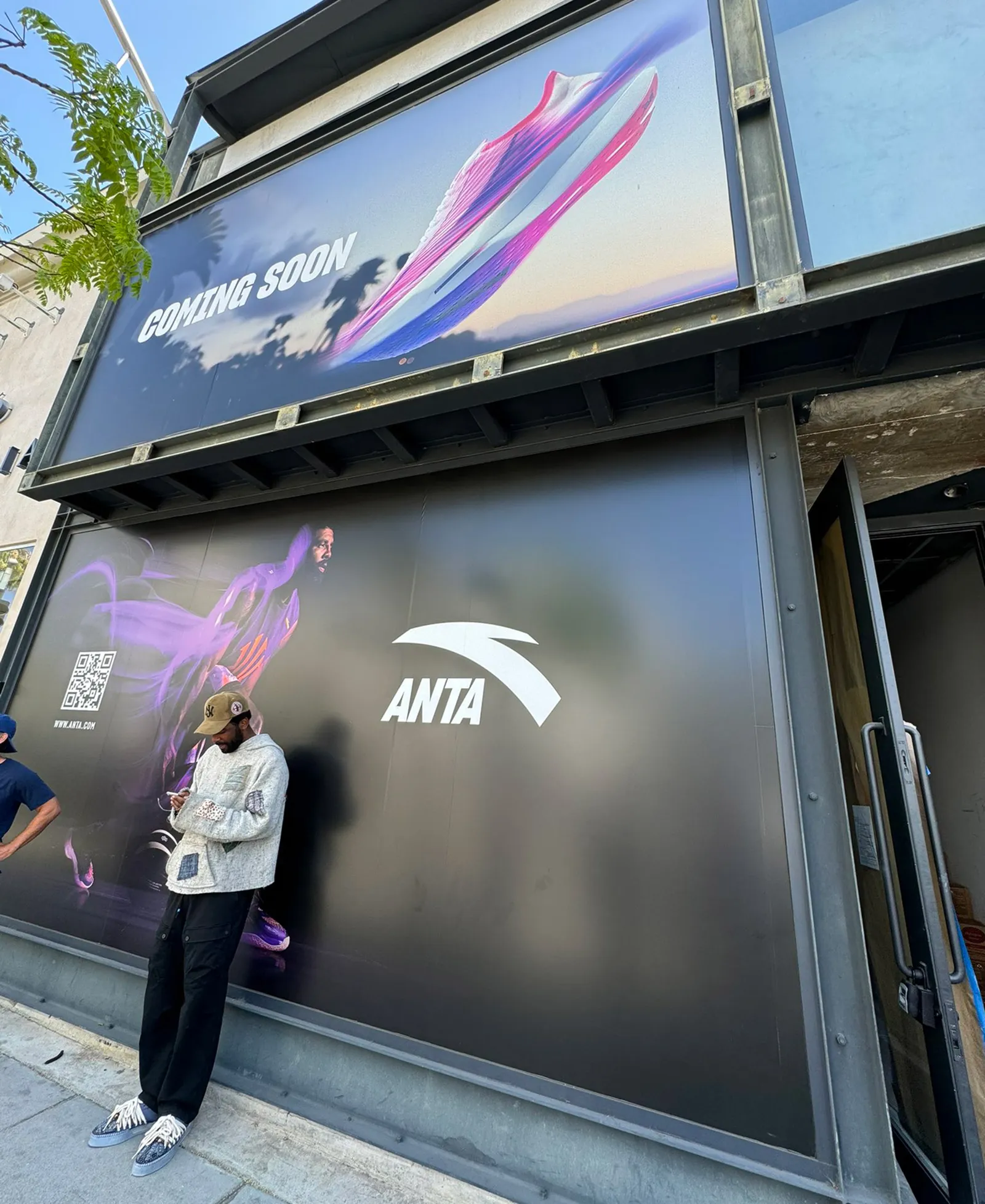
The ANTA Sports PUMA deal reflects a broader shift in the global sportswear landscape, where Asian companies are no longer just manufacturing partners or regional players, but influential stakeholders in legacy Western brands.
Rather than pursuing outright acquisitions, ANTA’s minority stake approach signals a preference for partnership-led globalization. It also highlights how capital, operational expertise, and market access are increasingly shared across regions in the modern sportswear economy.
Pending regulatory clearance, the transaction is scheduled to close before the end of 2026. Until then, PUMA will continue operating independently, while ANTA prepares for a more formal role at the board level.
If executed as outlined, the partnership could reshape how global sportswear brands collaborate across markets—without erasing the identities that made them relevant in the first place.
Featured image: Anta
PUMA Revives The Talon OG With Bold Y2K Flair And Four New Colorways