

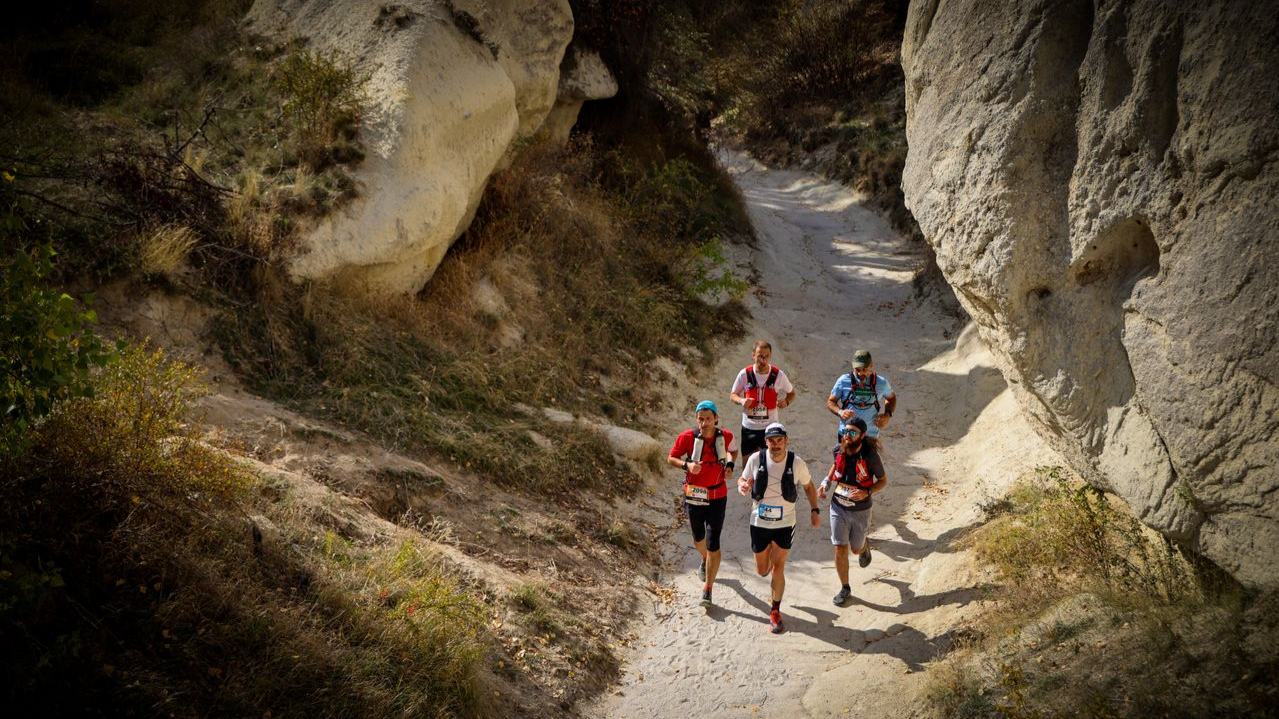

Road running has its appeal, but there comes a point when another lap around the neighborhood or another attempt at a personal record starts to feel a little too familiar. For a growing number of runners, the answer is to leave the pavement behind and head for dirt paths, forest tracks, rocky ridgelines, and mountain climbs. Trail running offers a different kind of challenge, one that asks you to pay as much attention to the ground beneath your feet as to the effort in your lungs.
The shift is about more than finding a new place to exercise. Trail running introduces an element of unpredictability that makes every outing different, whether you’re navigating loose gravel, picking your way through roots, or slowing down to tackle a steep ascent. The sport’s growing popularity reflects that appeal, with participation reportedly increasing by more than a million people in the past year alone. If you’re ready to trade familiar splits for open spaces, these expert-backed trail running tips can help you build confidence, improve endurance, and get more out of every mile.
Here are six expert trail running tips to help you master the terrain…
#1. Stop Chasing Your Road Pace

One of the first adjustments to make when moving from pavement to trails is letting go of your usual pace expectations. Uneven ground, sharp turns, elevation changes, and technical descents all demand more attention and effort than a predictable stretch of road. Running a minute or two slower per mile is entirely normal, and some routes will require an even greater adjustment.
Instead of treating a slower time as a setback, pay attention to how your body responds to the terrain. Heart rate can be a useful guide during harder sessions, while a comfortable, conversational effort works well for longer outings. The objective is to train at the right intensity for the conditions rather than force a particular speed.
Walking is also a legitimate part of trail running. On steep climbs, a brisk hike can conserve energy and prove more efficient than trying to run every step. Learning when to ease off is a skill, not a sign that you’re struggling.
#2. Learn to Read the Terrain
Trail running rewards awareness. Unlike roads, where you can often settle into a repetitive stride, trails require constant adjustments to your foot placement, balance, and cadence. Rocky sections may call for quicker, shorter steps, while downhill stretches demand control rather than long, aggressive strides.
Look several feet ahead instead of staring directly at your shoes. Scan the ground for a clear line through roots, rocks, and uneven patches, giving yourself enough time to decide where your next steps should land. On technical descents, aim for quick, controlled footwork and avoid committing to oversized strides that are difficult to correct.
These adjustments become more natural with practice. Start with well-maintained trails before progressing to more technical routes, and permit yourself to slow down as you learn how different surfaces affect your footing.
#3. Build Strength on the Climbs

Uphill running is an effective way to develop strength and endurance without relying entirely on fast, high-impact efforts. Climbing challenges your glutes, hamstrings, and calves while teaching you to maintain a manageable effort over changing gradients.
If you live somewhere relatively flat, you can still prepare for elevation. A treadmill with an incline or a stair-climbing machine can help build climbing strength before you take on steeper routes. Begin with manageable gradients and gradually increase the duration or difficulty as your fitness improves.
Downhill training matters, too, but it deserves extra caution. Descents place considerable stress on the quadriceps and other muscles responsible for controlling each landing. Rather than charging down hills, practice controlled descents on gentle slopes before attempting more demanding terrain.
Spending time on actual trails remains one of the best ways to develop the stabilizing muscles and coordination needed for the sport. Increase your exposure gradually to avoid doing too much too soon.
#4. Train for Endurance, Not Just Speed
A high VO₂ max can be useful, but it isn’t the only factor that determines how well you perform over long distances. Running economy, muscular endurance, and the ability to sustain a manageable effort all play important roles, especially when a route involves prolonged climbing and descending.
Most of your training should leave you with the sense that you could continue for a while longer. Easy runs help build your aerobic base, while controlled efforts near your lactate threshold can improve your ability to sustain a challenging pace without exhausting yourself too early. These harder sessions should complement your easier runs rather than replace them.
Pay attention to running form, too. An unstable core, excessive movement, or inefficient strides can waste energy that would be better spent moving forward. Efficient movement helps you conserve energy, making it easier to maintain a steady effort as the terrain changes.
#5. Train Your Muscles to Resist Fatigue
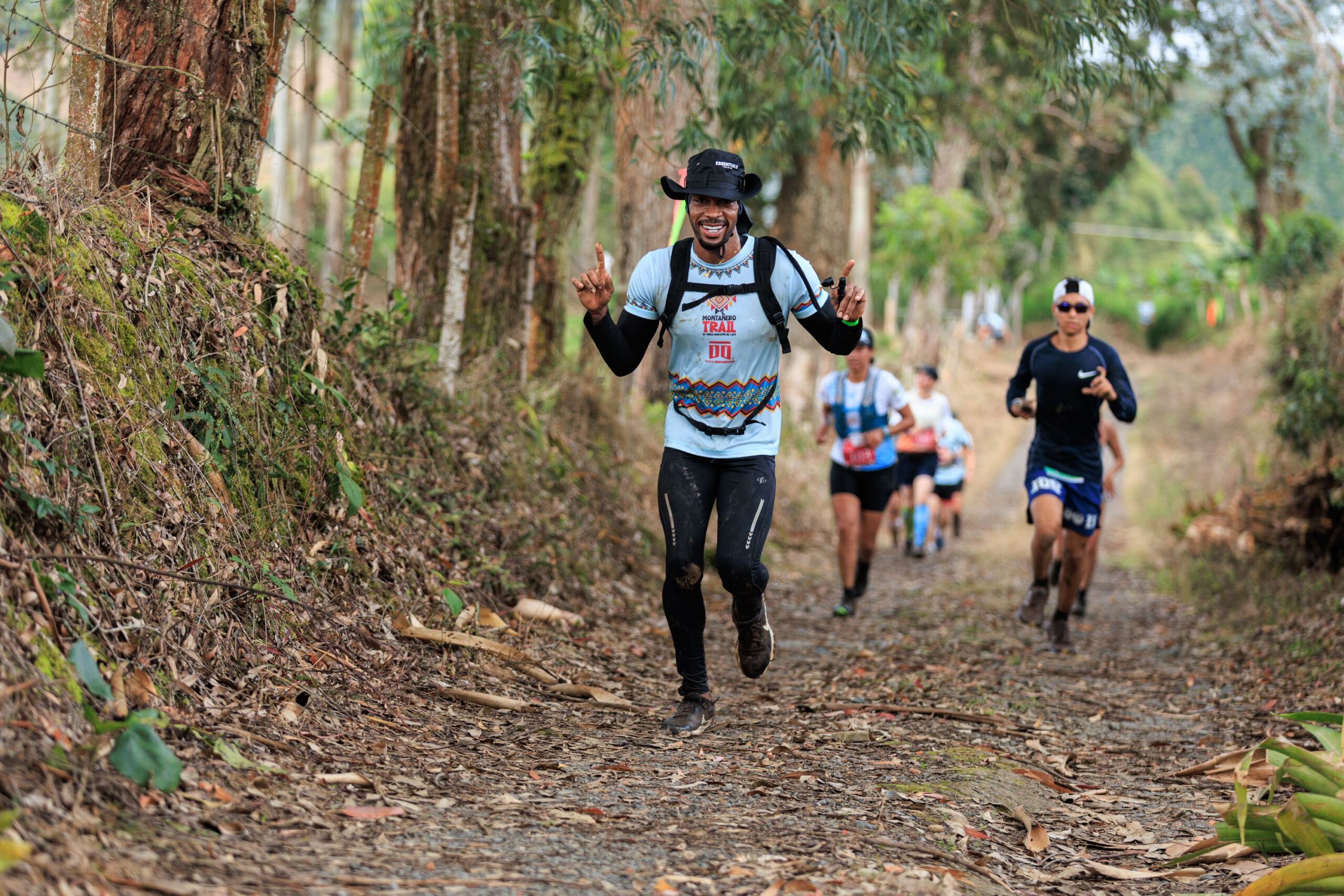
On a long trail run, the challenge often isn’t how fast you can move at the beginning, but how much strength you have left toward the end. Repeated climbs, descents, and uneven surfaces can leave your legs struggling even when your breathing remains manageable.
Strength training can help prepare your muscles for these demands. Step-ups, forward lunges, split squats, and controlled squat variations target the muscles responsible for driving you uphill and absorbing impact on descents. Start with body weight, focus on good technique, and increase repetitions or resistance gradually.
Weighted uphill hikes and stair-climbing sessions can also develop muscular endurance. However, these workouts create significant fatigue, so avoid scheduling them immediately before a demanding interval session or long run. One dedicated strength session a week may be enough for many runners, particularly when combined with regular trail time and adjusted to suit their overall training load.
Recovery is part of the process. If your legs remain heavy and your performance stops improving, adding more work may not be the answer. Reduce the load when necessary, prioritize sleep, and give your muscles time to adapt.
#6. Let Consistency Lead the Way
The best trail running tips aren’t about conquering the toughest mountain on your first attempt. They’re about developing the skills to enjoy the experience safely and sustainably. Choose routes that match your current fitness, carry water and essential supplies, and check the weather and trail conditions before setting out.
As your confidence grows, gradually introduce longer distances, steeper climbs, and more technical paths. You don’t need to race to benefit from the sport, either. Exploring a new route, learning to move efficiently over rocks, or simply spending an hour away from screens can be rewarding in its own right.
Trail running may challenge the numbers on your watch, but it offers something road workouts sometimes lack: a reason to stay present. Learn the terrain, respect your limits, and let progress happen one trail at a time.
Shop trail running essentials
Featured image: Emrah Yazıcıoğlu/Pexels
—Read Also