


The conversation around music catalog deals has shifted dramatically over the last few years. What once symbolized an artist cashing out at the end of a career has now become a marker of leverage, timing, and long-term strategy. And few contemporary artists embody that shift more clearly than The Weeknd.
This week, the global superstar quietly redefined what a modern catalog partnership can look like. According to Variety, Abel Tesfaye has finalized a landmark deal with Lyric Capital Group that values his catalog at a reported $1 billion—while allowing him to retain creative control, ownership, and long-term influence over his work.
Inside The Weeknd Catalog Deal
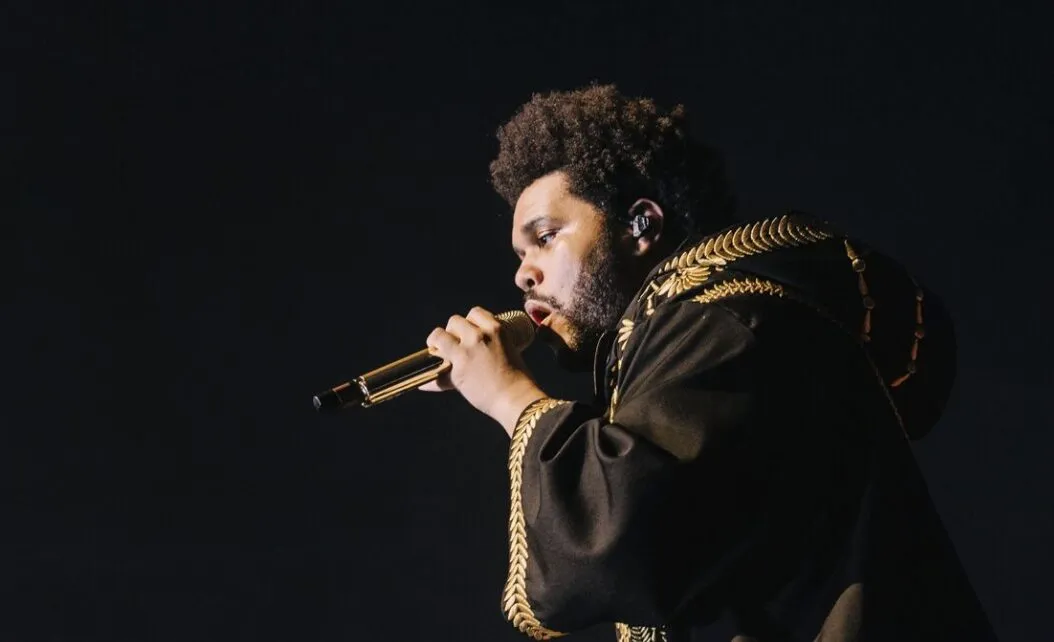
The Weeknd, 35, entered into a strategic partnership with Lyric Capital Group covering his music catalog from its inception through 2025. Importantly, this is not a traditional catalog sale.
Representatives for the artist confirmed that Tesfaye and his team remain shareholders and owners in the venture, retaining full creative authority over both his masters and publishing.
A representative explained to Variety that selling outright was never on the table:
“From the beginning of the meeting, it was clear to all at Lyric that Abel would not sell his catalog. He wanted to be more innovative and creative in the way we established a partnership.”
Instead, the structure allows The Weeknd to continue executing his creative vision across his existing body of work while leveraging Lyric’s investment expertise.
Crucially, the deal does not include future releases. The Weeknd remains partnered with XO/Republic Records/Universal Music Group, and his publishing catalog continues to be administered by Universal Music Publishing Group.
Why This Deal Is Different

Since the arrangement is not a conventional sale, financial multiples are difficult to calculate. However, Billboard and Bloomberg previously reported that The Weeknd’s catalog assets were valued at a minimum of $1 billion, based on roughly $55 million in net annual label and publishing share. This suggests an estimated 18.2x multiple.
Neither Lyric Capital nor The Weeknd’s team has publicly confirmed the valuation.
If accurate, the deal places Tesfaye among an elite group of artists with billion-dollar catalogs. Recent examples include Queen, whose catalog sold to Sony for approximately $1.27 billion, and Michael Jackson, whose catalog was valued at $1.25 billion following a partial stake sale earlier this year.
What sets The Weeknd apart is timing. He is still actively releasing music, touring globally, and expanding his creative footprint.
The Business Behind the Leverage

The Weeknd’s negotiating power is backed by numbers few contemporary artists can match. He currently boasts over 120 million monthly listeners on Spotify, consistently ranking among the platform’s most-streamed artists.
His After Hours ’Til Dawn Tour recently surpassed $1 billion in ticket sales, setting a new record for a solo male artist. That commercial momentum gives crucial context to the deal—it was not born out of decline or financial pressure, but strength.
Ross Cameron, Lyric’s founding and co-managing partner, emphasized that point:
“It was clear to me that we were sitting around the table with individuals that were going to change the way an artist thinks about his assets, music and legacy.”
Lyric co-managing partner Rich Garzia echoed that sentiment, describing the partnership as an example of “artist-friendly structures at the highest level.”
Why Comparisons Matter—And Where They Stop

High-profile catalog sales inevitably invite comparison. Justin Bieber’s 2022 decision to sell his catalog to Hipgnosis for a reported $200 million has since been scrutinized following claims made in a TMZ documentary—that financial strain played a role. Bieber’s representatives have publicly disputed those claims, and the full picture remains contested.
What matters here is distinction, not judgment. Unlike Bieber’s deal, The Weeknd’s catalog partnership does not involve relinquishing ownership, nor has it been framed as a response to financial distress. There is no indication—financial or otherwise—that this move was reactive. If anything, the contrast highlights how differently catalog deals can function depending on timing, leverage, and intent.
What The Weeknd Catalog Deal Signals for the Industry
The Weeknd’s partnership with Lyric Capital reflects a broader shift in artist thinking. Ownership no longer has to be all or nothing. Liquidity no longer requires surrender. Legacy can be structured, not sold. By retaining control while unlocking capital, Tesfaye has positioned himself as both a creative force and a long-term stakeholder in his own cultural footprint.
In an era where music rights are increasingly treated as financial instruments, The Weeknd’s catalog deal stands out as a case study in balance between art and asset, freedom and foresight. The Weeknd did not cash out. He negotiated in. And in doing so, he may have quietly set a new blueprint for how the world’s biggest artists protect their work, expand their influence, and define success on their own terms.
Featured image: Getty Images
Drake Named Apple Music’s Most-Streamed Artist Of 2025 After Record-Breaking Year