

Luxury shoppers are changing the way they buy high-end watches, and the current prices of Rolex watches are beginning to reflect that change. After several years of record-breaking demand, soaring resale values, and fierce competition for the world’s most coveted timepieces, the secondary watch market is entering a more balanced era. The Swiss watchmaker, which defined the pandemic watch boom, continues to set the benchmark for luxury timepieces worldwide even as the market returns to more sustainable conditions.
A new report from leading pre-owned watch marketplace Chrono24 shows that Rolex remains the dominant force in the resale market, but its grip is no longer as overwhelming as it was just a few years ago. While the Swiss watchmaker still makes up nearly one-third of all sales on the platform, its market share has gradually returned to pre-COVID levels as buyers diversify their collections and explore other prestigious brands. The shift shows that today’s collectors are making more measured purchasing decisions rather than chasing the speculative frenzy that defined the early 2020s.
Rolex Still Leads the Secondary Market
Rolex’s share of sales on Chrono24 has dropped from its pandemic-era boom, now sitting at 30.5 percent compared to 44 percent in 2022. https://t.co/Y07sc603sf
— RobbReport (@RobbReport) August 5, 2026
According to Chrono24’s latest market report, Rolex currently represents 30.5 percent of sales on its platform, a clear decline from the 44 percent recorded during the height of the luxury watch boom in 2022.
Although the figure may appear significant, it does not signal weakness. Instead, it shows a normalization of the market following several years of extraordinary demand driven by limited supply, investment buying, and pandemic-era spending.
Rolex remains comfortably ahead of every other luxury watchmaker in resale volume. During the second quarter of the year, the brand accounted for roughly 31 percent of all sales, while Omega followed with 11 percent, and Patek Philippe secured 6 percent.
The numbers reinforce Rolex’s position as the industry’s benchmark, even as buyers begin spreading their attention across a wider selection of luxury brands.
Rolex Prices Have Finally Settled After the Pandemic Boom
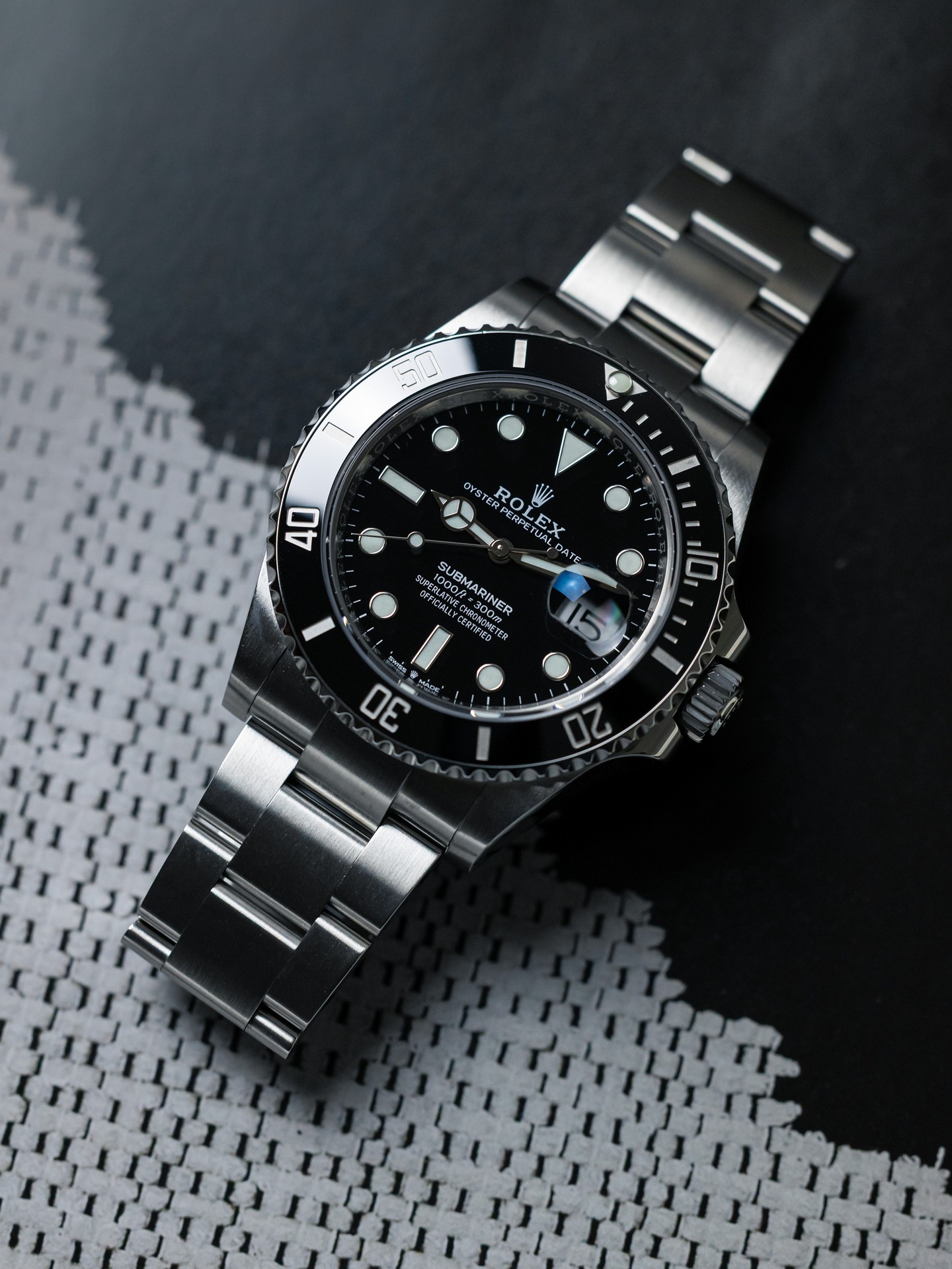
Few luxury products experienced the dramatic price increases that Rolex watches enjoyed during the pandemic.
Demand for iconic models such as the Submariner, GMT-Master II, and Daytona consistently outpaced supply, pushing resale prices far above retail and turning many watches into investment assets almost overnight.
That speculative environment has now eased.
As global luxury spending has normalized, secondary market prices have gradually declined, bringing many Rolex models back to levels more closely aligned with its long-term value. The latest Chrono24 report suggests the market has effectively reset to where it was positioned before COVID-19 disturbed global buying habits.
Rather than indicating declining interest, the correction points to a healthier marketplace where collectors purchase watches for quality, heritage, and long-term ownership rather than short-term financial gains.
Still Dominating the $10,000 to $20,000 Segment
In spite of broader competition, Rolex remains virtually unmatched in its strongest price category. The report shows the brand accounts for 61.4 percent of sales between $10,000 and $20,000, making it the undisputed leader in what Chrono24 describes as its core market.
Many of Rolex’s most recognizable references sit within this range, including the steel Submariner, GMT-Master II, and several Daytona models.These watches continue attracting first-time luxury buyers alongside experienced collectors, thanks to their enduring reputation, reliability, and relatively stable resale values.
The luxury landscape becomes more competitive once buyers move beyond the $20,000 mark. In that category, Rolex now represents 38.6 percent of sales, down 5.8 percent over the past three years. Brands including Patek Philippe, Audemars Piguet, and Vacheron Constantin have steadily gained ground among collectors seeking exclusivity and traditional haute horlogerie craftsmanship.
Patek Philippe currently accounts for 23.1 percent of sales in this segment, followed by Audemars Piguet at 13.8 percent and Vacheron Constantin at 5.6 percent. The data suggests that affluent buyers are increasingly willing to diversify their collections rather than focusing only on Rolex.
Shop editor’s picks
The Datejust Has Become Rolex’s Biggest Performer
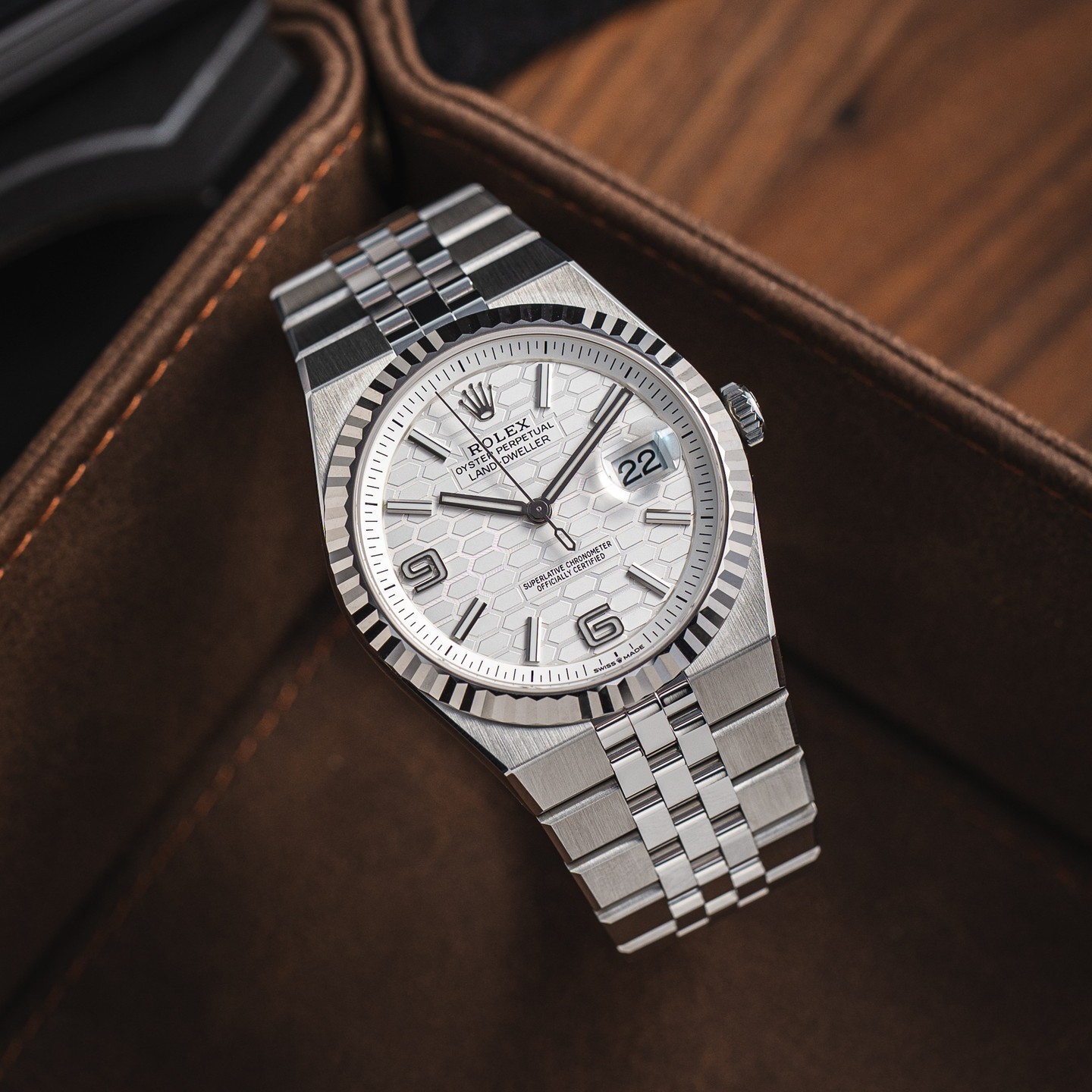
One of the report’s most surprising findings is the growing popularity of the Rolex Datejust.
Long viewed as one of the brand’s most timeless everyday watches, the Datejust has now become Rolex’s largest revenue-generating model on Chrono24, accounting for 28 percent of the brand’s sales.
That rise indicates shifting buyer preferences.
While sports models like the Daytona and GMT-Master II remain highly desirable, younger collectors appear to be embracing more versatile, classic designs before eventually upgrading to Rolex’s most sought-after professional models.
Interestingly, some iconic sports watches continue to command impressive premiums. The discontinued GMT-Master II “Pepsi” recorded a 23 percent year-over-year price increase on Chrono24, proving that exceptional references still generate significant collector demand.
Younger Buyers Are Reshaping the Luxury Watch Market
Perhaps the most significant trend emerging from the report is the changing behavior of younger consumers.
Buyers under 30 still spend more on Rolex than any other age group, allocating approximately 34 percent of their luxury watch budgets to the Swiss brand. By comparison, customers over 60 dedicate around 27 percent of their spending to Rolex.
However, younger buyers are also moving away from brand exclusivity faster than previous generations.
During the peak of the 2022 watch boom, nearly half of their watch spending went toward Rolex. Today, that figure has declined by roughly 30 percent, suggesting greater interest in exploring brands such as Cartier, Patek Philippe, and Vacheron Constantin.
According to Balazs Ferenczi, Head of Brand Engagement at Chrono24, today’s collectors are becoming more deliberate with their purchases.
Rather than chasing speculative hype, many buyers are focusing on timeless design, versatility, and long-term enjoyment over investment potential.
A Healthier Market for Luxury Watches
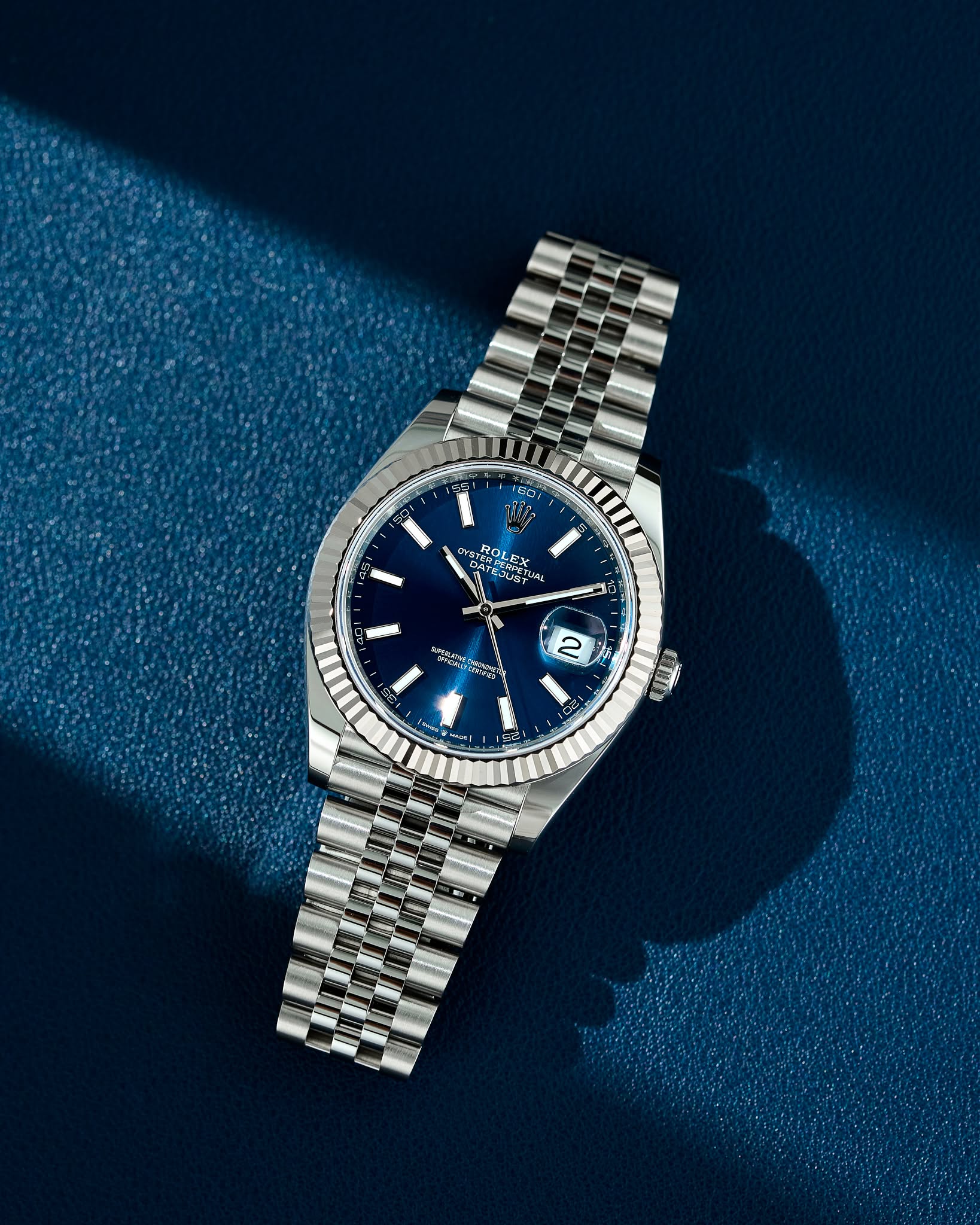
The latest Chrono24 report paints a picture of a market that is maturing rather than slowing down.
From the Datejust to the Daytona, Rolex continues to define the luxury watch industry, and the prices can back it up. It remains the most influential brand on the secondary market. However, the overwhelming dominance it enjoyed during the pandemic has softened while consumers become more informed and willing to explore a wider range of prestigious watchmakers.
For collectors, that evolution creates more choice. For competing brands, it offers greater visibility. For Rolex, it reinforces an important reality: even after returning to pre-COVID market levels, the Crown remains the standard against which every other luxury watch brand is measured.
Featured image: Rolex