


Kendrick Lamar’s fifth studio album, GNX, is officially one for the history books, becoming the longest-running No. 1 rap album ever on Billboard’s Top Rap Albums chart. With an astounding 22 consecutive weeks at the top, GNX has surpassed the previous record set by Pop Smoke’s Shoot for the Stars, Aim for the Moon, which held the crown for 21 weeks.
But this isn’t just a commercial triumph. It’s a cultural watershed. GNX’s record-breaking run signals a shift in hip-hop, where longevity, streaming strength, and artistic depth are redefining success. Lamar’s ability to blend critical acclaim with chart-topping appeal speaks to his enduring impact. More than a hit album, GNX is a statement of where hip-hop is headed—and who’s leading the way.
Kendrick Lamar’s GNX: A Chart‑Dominating Phenomenon
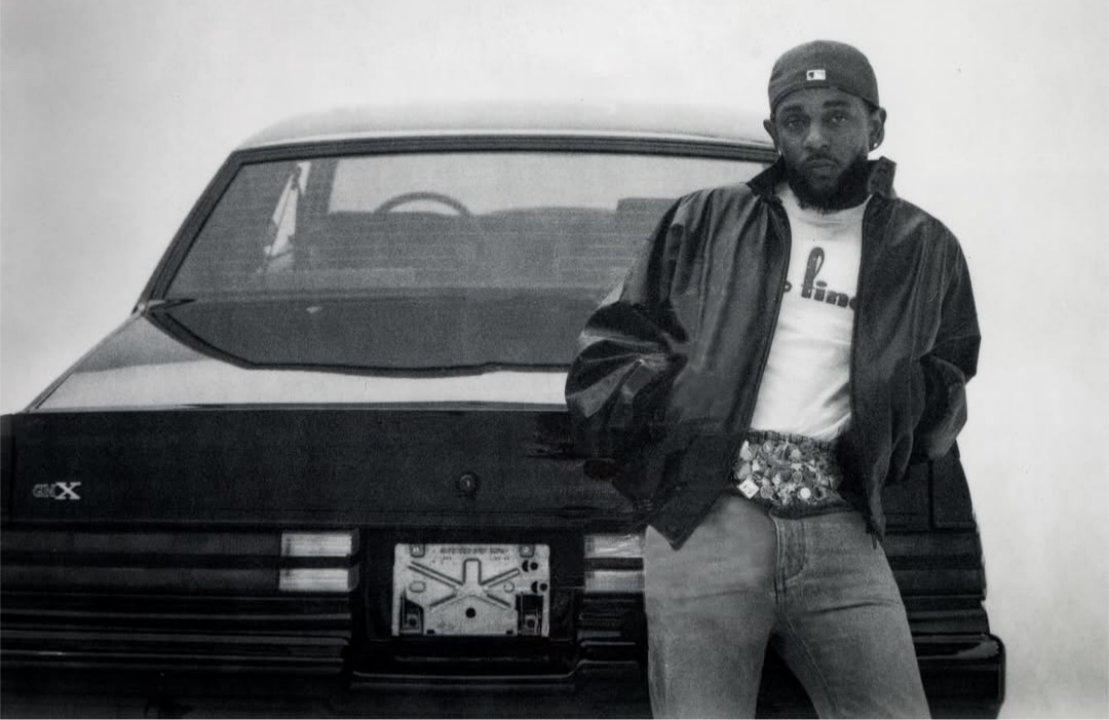
Released on November 22, 2024, Kendrick Lamar’s GNX debuted at No. 1 on the Billboard 200, moving 319,000 album-equivalent units—fueled by an eye-popping 379.7 million on-demand streams and 32,000 pure album sales. The album shattered expectations on streaming platforms, racking up over 44.2 million Spotify streams within just seven hours and averaging 3.6 million plays per track. All 12 songs entered the Billboard Hot 100, with the explosive lead single “Squabble Up” rocketing straight to No. 1.
If that weren’t impressive enough, GNX returned to No. 1 on the Billboard 200 following Lamar’s high-impact Super Bowl LIX halftime performance. The momentum didn’t stop there—Kendrick also made history as the first rap artist to have three albums in the Billboard 200 top 10 simultaneously: GNX, DAMN., and good kid, m.A.A.d city.
Super Bowl Surge and Vinyl Revival
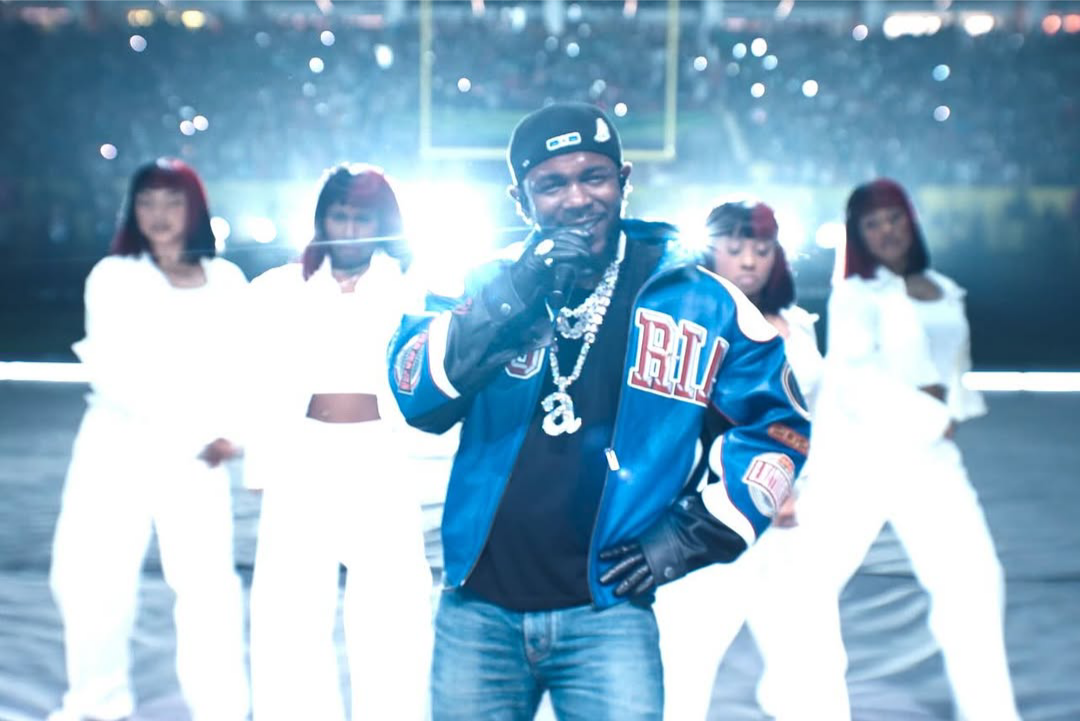
On February 9, 2025, Kendrick Lamar made history as the first solo hip-hop headliner at the Super Bowl halftime show. His set opened atop a black 1987 Buick Grand National GNX—a striking homage to both his birth year and the album’s title. The performance featured a powerhouse lineup of hits, including “Squabble Up,” “HUMBLE,” “DNA,” and “Not Like Us,” alongside surprise appearances from SZA, DJ Mustard, Serena Williams, and Samuel L. Jackson, who appeared in character as Uncle Sam. The moment was more than a performance—it was a cultural landmark that cemented Lamar’s legacy on the world’s biggest stage.
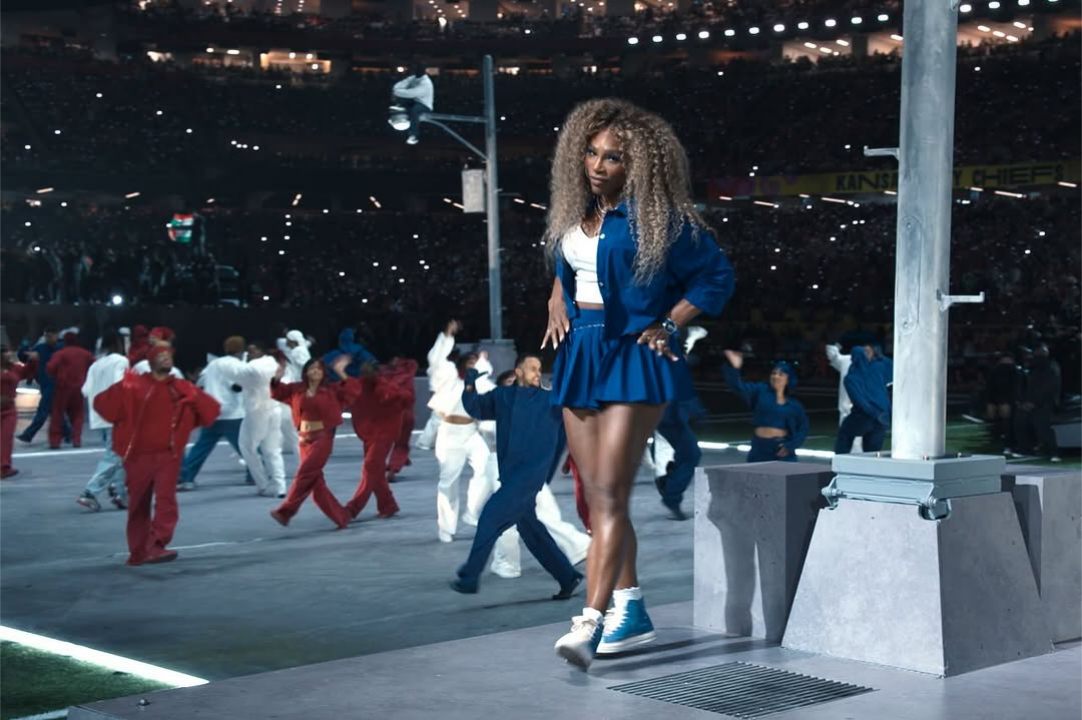
The Super Bowl effect was immediate. GNX catapulted from No. 4 to No. 1 on the Billboard 200 (chart dated February 22, 2025), racking up 236,000 units. Of that total, 117,000 came from streaming (161 million on-demand streams), 116,000 from album sales, including a staggering 87,000 on vinyl, and 3,000 in track-equivalent albums (TEA). The vinyl surge marked Lamar’s highest weekly total in the format to date. At the same time, DAMN. and good kid, m.A.A.d city both reentered the top 10, reinforcing his reign as one of hip-hop’s most dominant forces.
Global Reach and Cultural Currency
Kendrick Lamar’s GNX didn’t just dominate U.S. charts. It made waves globally, achieving extraordinary commercial success. The album debuted at No. 1 in Canada, Australia, and the UK, where it posted a remarkable 27-week chart run, spending 23 of those weeks within the Top 75. The numbers further underscored Lamar’s international reach and deep-rooted fan base across continents.
Beyond the charts, GNX delivered a cultural jolt. The album broke hip-hop conventions, fusing West Coast G-Funk textures with cinematic, introspective lyricism—a sonic homage to Lamar’s Compton roots. Critics were split. Outlets like Pitchfork argued the album felt more calculated than emotional, yet its cultural resonance told another story entirely. With sermon-style visuals, from the symbolic Buick GNX cover art to his halftime entrance in the same car, Lamar didn’t just release an album—he authored an experience. It was a reaffirmation of his auteur status, blending message, music, and myth into a singular artistic statement.
Feud, Visuals, and Streaming Power

The GNX rollout wasn’t just musical—it was a masterclass in visual storytelling. The recurring Buick GNX imagery tied Lamar’s personal history to his artistic narrative, grounding the album in both symbolism and self-mythology. But it wasn’t all aesthetics. The lyrical heat was undeniable. The viral diss track “Not Like Us” didn’t just top the Billboard Hot 100—it de-platformed Drake, picked up five Grammys, and triggered a high-profile legal backlash.
Though Lamar omitted the song’s most incendiary line during his Super Bowl set, likely in line with broadcast standards, he didn’t mute his message. He closed the show with flashing “Game Over” graphics and a sly remark: “I wanna perform their favorite song, but you know they love to sue.” The moment lit up the stadium, sparked raucous crowd chants (“a‑minorrr”), and left no doubt—K-Dot didn’t just show up. He delivered.
What GNX Means for Hip‑Hop
In an era dominated by streaming, GNX stands as a manifesto for sustained cultural relevance. Its 22-week reign redefines what rap longevity looks like. Its dual success in streaming and vinyl sales signals a revival of physical formats in a digital age. And its global chart takeover proves that Kendrick Lamar isn’t just a stateside icon—he’s a global ambassador for hip-hop.
Yet Lamar isn’t merely topping charts; he’s redefining the way they’re conquered. With GNX, he set a new benchmark—one where artistry, strategy, and spectacle converge to spark not just a hit, but a movement. In the end, the album’s historic run leaves us with a bold, lingering question: after GNX, what new heights can hip-hop reach?
Featured image: Karim Sadli for Chanel
For the latest in fashion, lifestyle, and culture, follow us on Instagram @StyleRave_
—Read also