
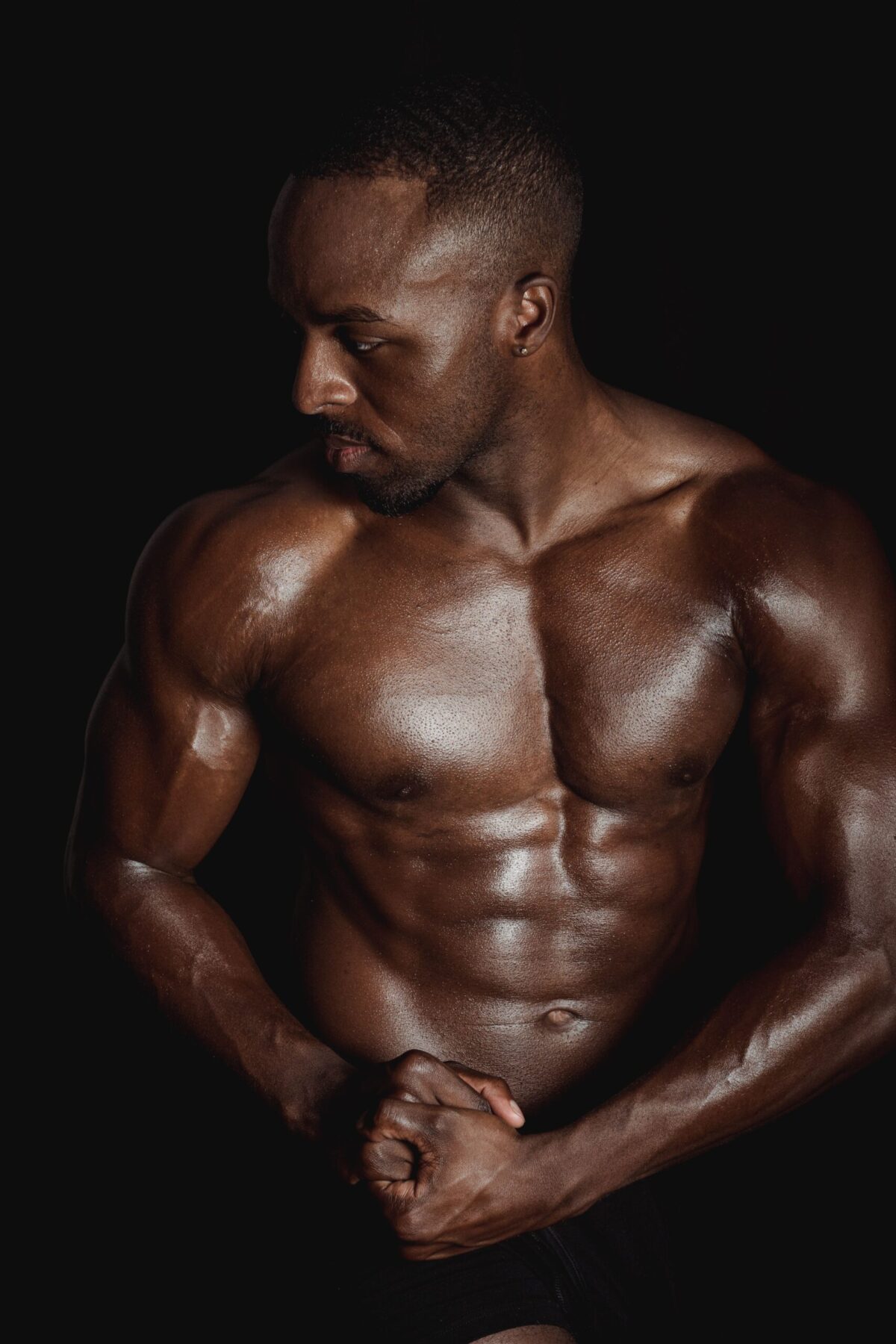

Three months is enough time to make a noticeable difference to your physique. You probably will not transform into a bodybuilding champion in 12 weeks, but if you are wondering how to get a bigger chest, a consistent training plan, adequate recovery, and the right approach to nutrition can produce visible results.
That matters because chest growth is often treated like a complicated puzzle. Social media is full of new exercises, unusual techniques, and supposedly secret routines promising bigger pecs almost overnight. The reality is considerably less exciting—and much more useful. Progressive resistance, enough training volume, proper nutrition, and patience remain the foundation for building muscle.
Can You Actually Build Your Chest in 12 Weeks?
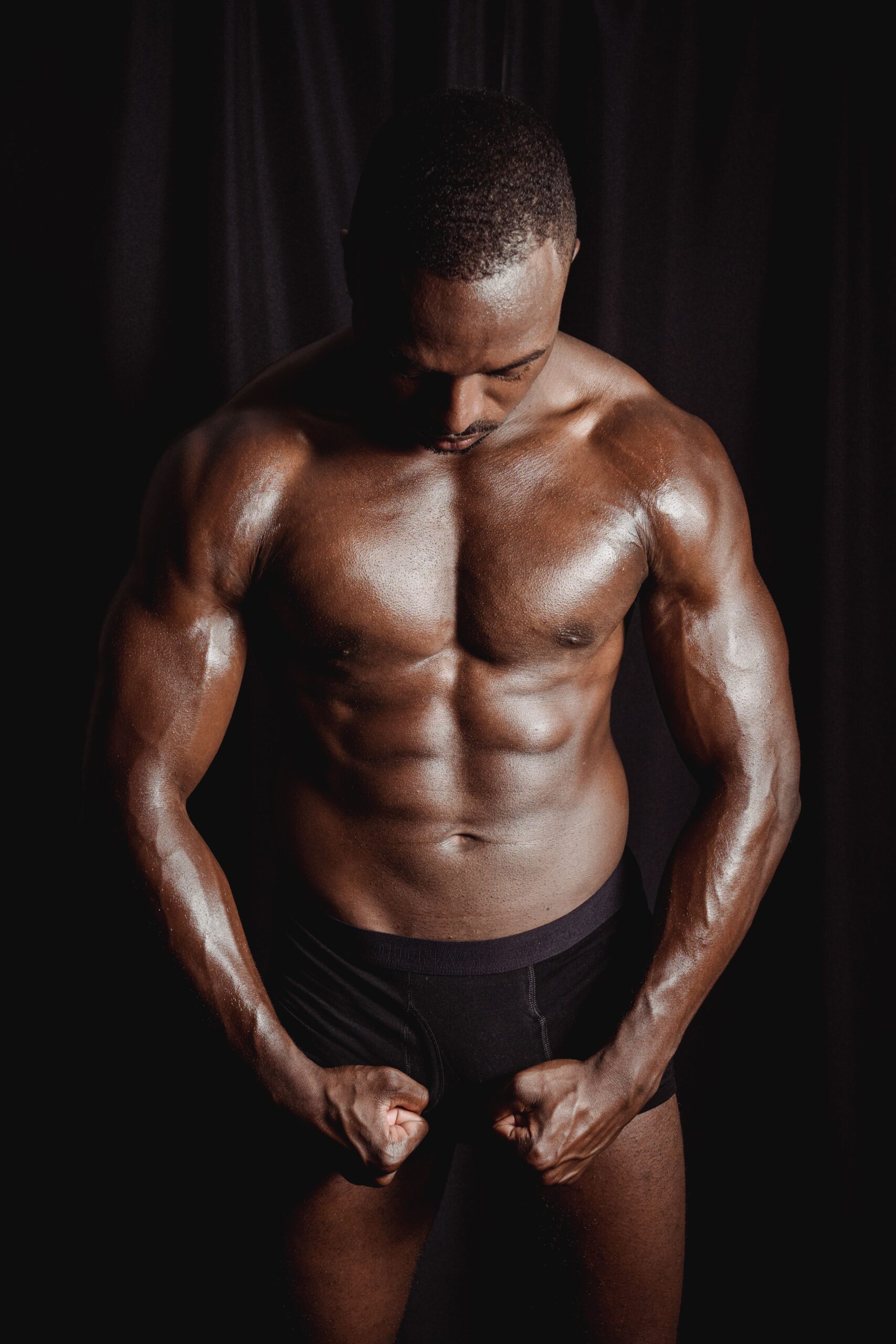
Yes, although the amount of muscle you gain will depend on your training experience, genetics, nutrition, starting body composition, and consistency.
For someone new to resistance training, the first few months can be particularly productive. Beginners often experience relatively rapid improvements in strength and muscle size because their bodies are adapting to a new training stimulus. More experienced lifters can still make progress, but the rate is typically slower.
The important distinction is between becoming stronger and seeing a visibly larger chest. Strength can improve before significant changes in muscle size become obvious, so don’t abandon a program simply because your reflection has not changed dramatically after a few weeks.
Focus on Progressive Overload
If you want to know how to get a bigger chest, start with a simple principle: your muscles need a reason to adapt.
Progressive overload means gradually increasing the demands placed on your muscles. That might mean adding weight to an exercise, completing more repetitions with the same weight, or improving your technique and control while working within an appropriate rep range.
For chest training, the goal is not to constantly chase new exercises. Pick movements you can perform safely and consistently, then give yourself enough time to improve them. Changing your routine every week makes it much harder to determine whether you are actually progressing.
Train Your Chest Twice a Week

You do not need to hammer your chest every day to make it grow. For many lifters, two focused chest sessions per week can provide an effective balance between training stimulus and recovery.
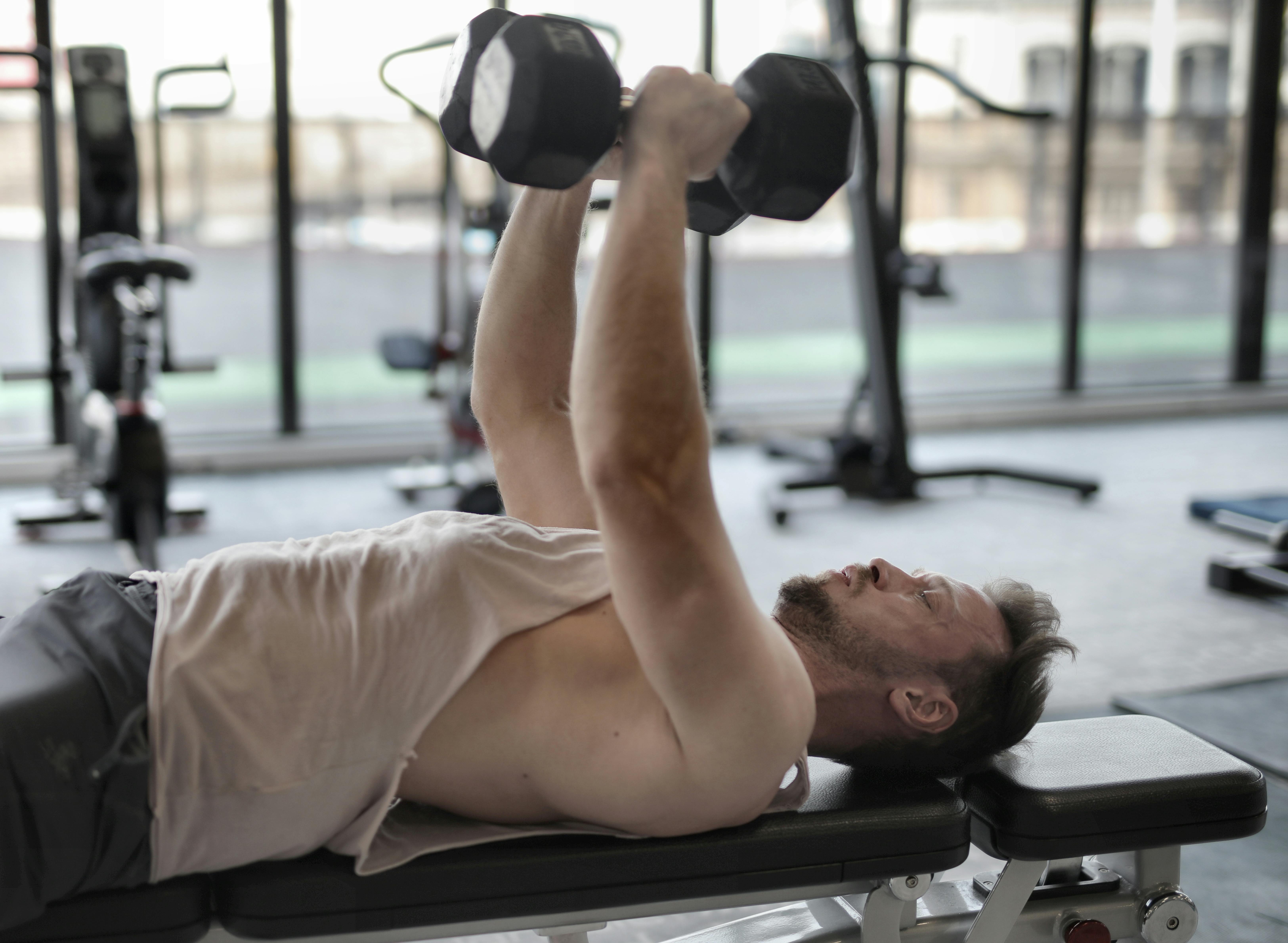
A straightforward approach is to include one pressing movement and one fly movement in each session. For example, your first workout could feature a machine chest press followed by a machine fly. Your second could use an incline dumbbell press followed by a cable fly.
Aim for roughly three working sets of six to 12 repetitions per exercise. Other rep ranges can also build muscle, but this range can make it relatively straightforward to track your progress while working hard.
The bigger lesson in learning how to get a bigger chest is that exercise selection does not need to be complicated. If you prefer barbell bench presses, push-ups, or other pressing variations and can perform them comfortably, they can also have a place in your program.
Train Hard, But Give Yourself Time to Recover
Muscle growth does not happen simply because you completed a workout. Recovery is part of the process.
Rest for around two to three minutes between challenging sets, particularly when you are using demanding compound movements. Shortening every rest period in an attempt to make a workout feel harder can actually reduce the quality of your subsequent sets.
You also do not necessarily need to take every set to absolute muscular failure. Training close to failure can provide a strong stimulus, but technique and safety should remain priorities. If your form breaks down substantially, the set has probably gone far enough.
Most importantly, sleep. Aim for at least seven to nine hours per night when possible. Your training provides the stimulus; adequate recovery gives your body the opportunity to respond to it.
Shop editor’s picks
Eat for Muscle Growth
Training alone will not build the chest you want if your diet consistently leaves you short on the nutrients and calories needed to recover.
Protein is particularly important for muscle growth. A practical target for people who lift regularly is roughly 0.7 to 1 gram of protein per pound of body weight per day, depending on overall diet and individual circumstances.
If gaining muscle is the priority, a modest calorie surplus can help. There is no need to dramatically increase your food intake. Gaining weight too quickly can mean accumulating more body fat than necessary, which may eventually make your chest look less defined rather than more muscular.
Build meals around protein-rich foods, carbohydrates for training energy, healthy fats, fruits, vegetables, and plenty of fluids.
Avoid the Mistakes That Slow Progress
One of the biggest mistakes is expecting dramatic results immediately. Twelve weeks is enough to establish meaningful progress, but it is not a deadline by which everyone should have a completely transformed physique.
Another common problem is inconsistency. Missed workouts happen. Work gets busy, travel interrupts, illness happens, and life generally refuses to follow your training schedule. What matters is returning to your routine instead of treating one missed week as the end of your progress.
Ultimately, how to get a bigger chest comes down to doing the fundamentals well for long enough to see them work. Train your chest consistently, progressively challenge your muscles, eat enough protein and calories, sleep well, and track your performance. Do that for 12 weeks, and then keep going.
Featured image: Mike Jones/Pexels
—Read Also