
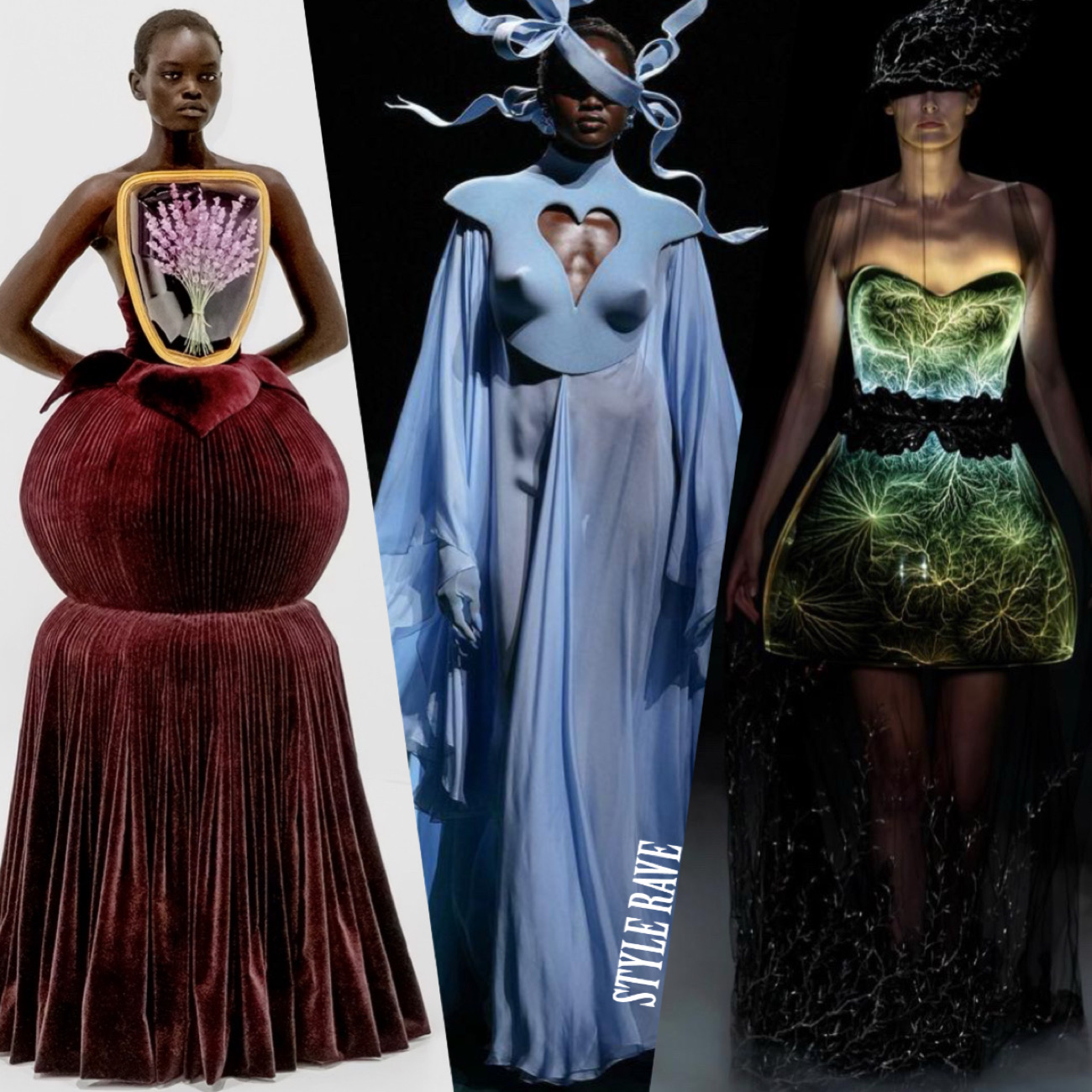

When it comes to fashion’s biggest spectacles, nothing rivals the magic of couture. While the sports world may have captured headlines this season, Haute Couture Fashion Week Fall 2026 reminded everyone that true artistry is still found on the runways of Paris. Every embroidered bead, hand-draped silhouette, and sculptural gown represented thousands of hours of craftsmanship, proving once again why couture remains fashion’s highest expression.
This season also marked a turning point for several legendary fashion houses. A lineup of creative debuts and sophomore collections injected fresh energy into the calendar, with established maisons embracing bold new directions while remaining true to their heritage. From fairy tale-inspired elegance to avant-garde tailoring, Haute Couture Week FW26 delivered unforgettable moments that are sure to influence fashion conversations for months to come.
A Season Defined by Fresh Creative Visions
One of the biggest talking points this season was the wave of high-profile creative transitions. Pierpaolo Piccioli unveiled his first couture collection for Balenciaga, while Duran Lantink made his couture debut at Jean Paul Gaultier. Meanwhile, Jonathan Anderson continued shaping Dior’s evolving identity, and Matthieu Blazy strengthened his vision for Chanel with another imaginative presentation.
Together, these collections showcased how historic houses can evolve without losing their identity. Each creative director honored the codes of their respective brands while confidently pushing them into contemporary territory.
Dior Turned Sculpture into Fashion
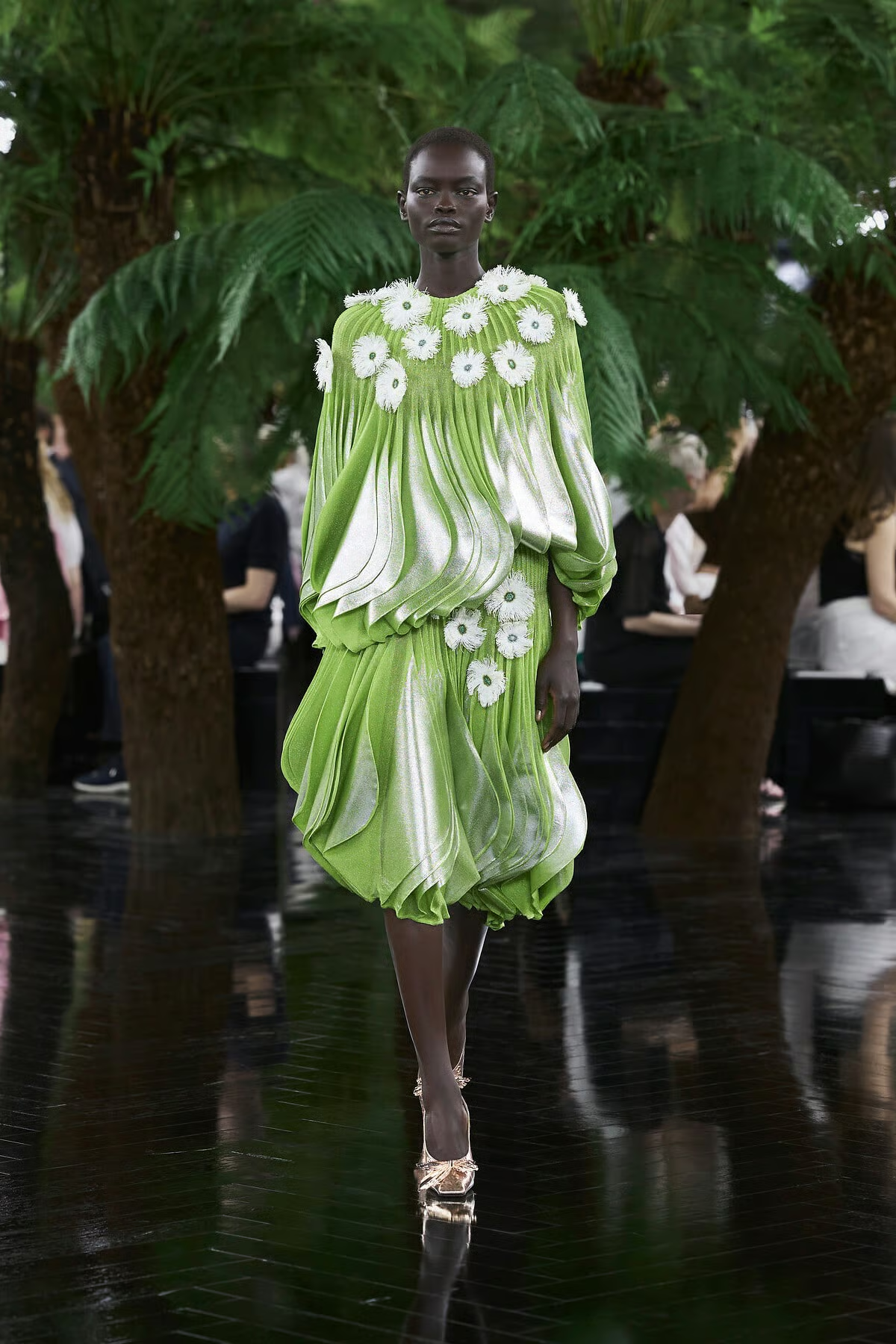
Jonathan Anderson’s second couture collection for Dior demonstrated why he is quickly becoming one of fashion’s most compelling storytellers. Inspired by American sculptor Lynda Benglis, Anderson explored movement, texture, and fluidity through garments that felt more like wearable works of art than traditional eveningwear.
Flowing plissé gowns appeared almost molten, while metallic accessories and layered skirts echoed Benglis’ sculptural language. Vibrant embellishments, floral appliqués, and intricate beadwork added further dimension, creating pieces that blurred the line between fashion and fine art.
Rather than relying on theatrical excess, Dior embraced subtle innovation, proving that couture can be both artistic and remarkably wearable.
Schiaparelli Continued Its Love Affair with Fantasy
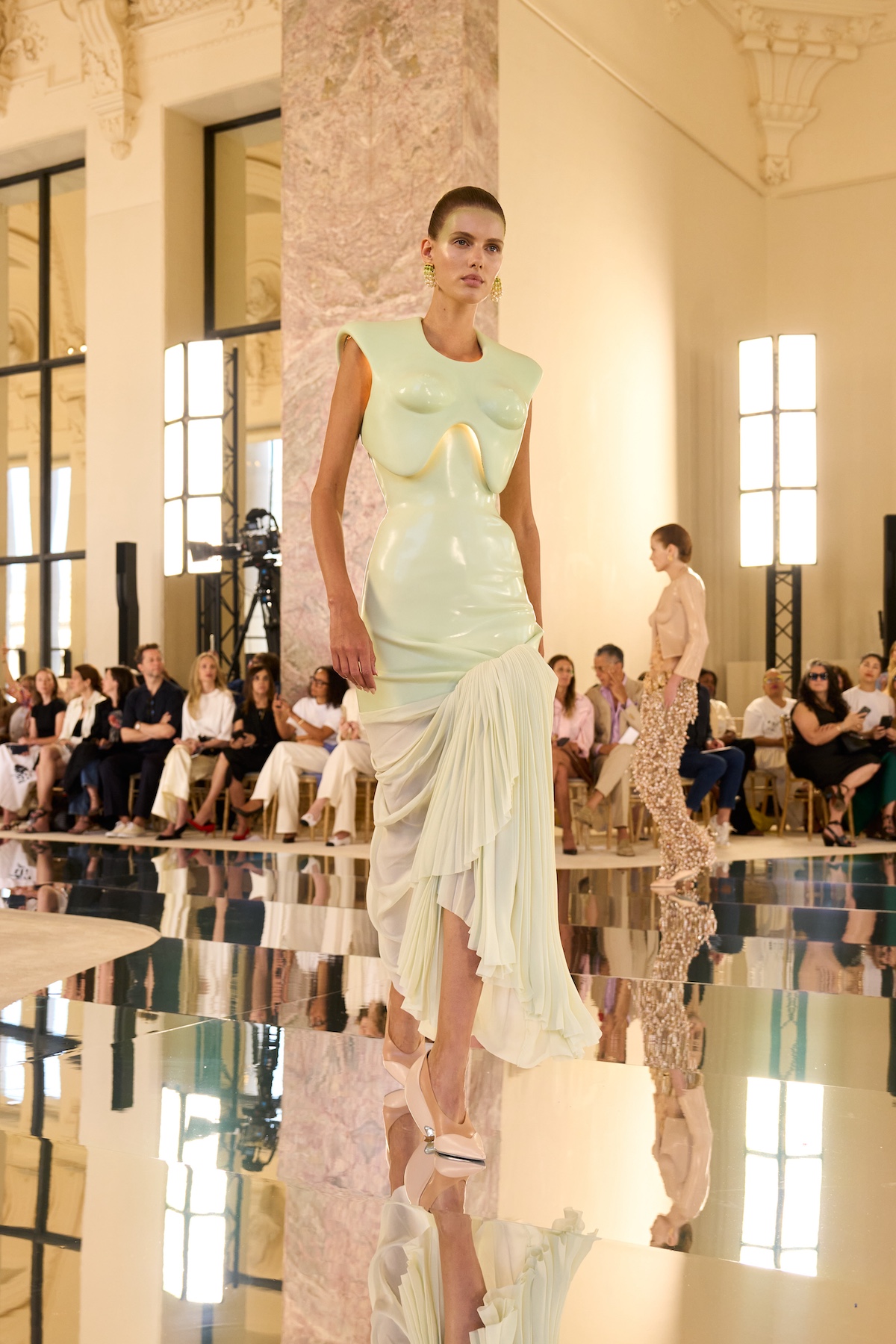
Few fashion houses embrace surrealism quite like Schiaparelli, and Daniel Roseberry once again leaned into the extraordinary.
Rather than centering the collection on a single narrative, Roseberry celebrated limitless imagination. Drawing inspiration from Antoni Gaudí’s architecture and mysterious underwater worlds, he presented dramatic tentacle-inspired tailoring, heavily embellished gowns, and sculptural latex jackets that felt almost extraterrestrial.
Perhaps the collection’s most mesmerizing feature was the integration of hidden lighting systems into select garments. These illuminated looks transformed the runway into a theatrical spectacle while reinforcing Schiaparelli’s reputation for pushing couture beyond conventional fashion.
Chanel Delivered a Modern Fairy Tale
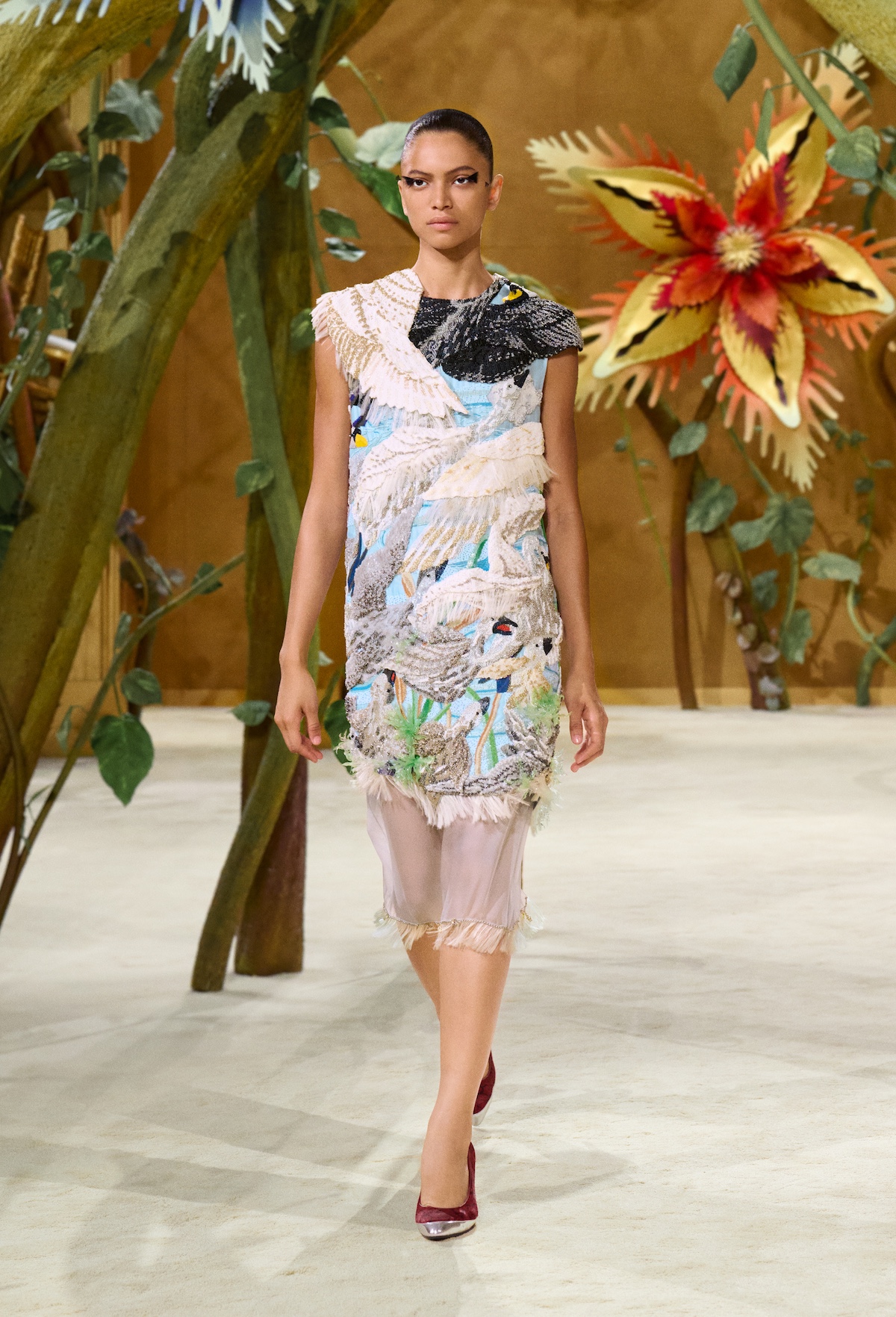
Matthieu Blazy continued his successful tenure at Chanel by transforming childhood fantasy into sophisticated couture.
Inspired by an old fairy tale book discovered in Coco Chanel’s library, the collection featured whimsical references to classic stories without ever feeling costume-like. Oversized flowers filled the runway, while garments incorporated playful details such as golden egg-shaped heels, imaginative buttons, and airy layers of organza and lace.
Yet beneath the fantasy lay a practical message. Blazy balanced elaborate creations with sleek black tailoring that reflected Chanel’s enduring commitment to dressing real women. The result was one of the most emotionally engaging and well-balanced collections of Haute Couture Fashion Week Fall 2026.
Balenciaga’s New Era Began Beautifully
Pierpaolo Piccioli’s arrival at Balenciaga was arguably the season’s most anticipated debut, and he delivered with confidence.
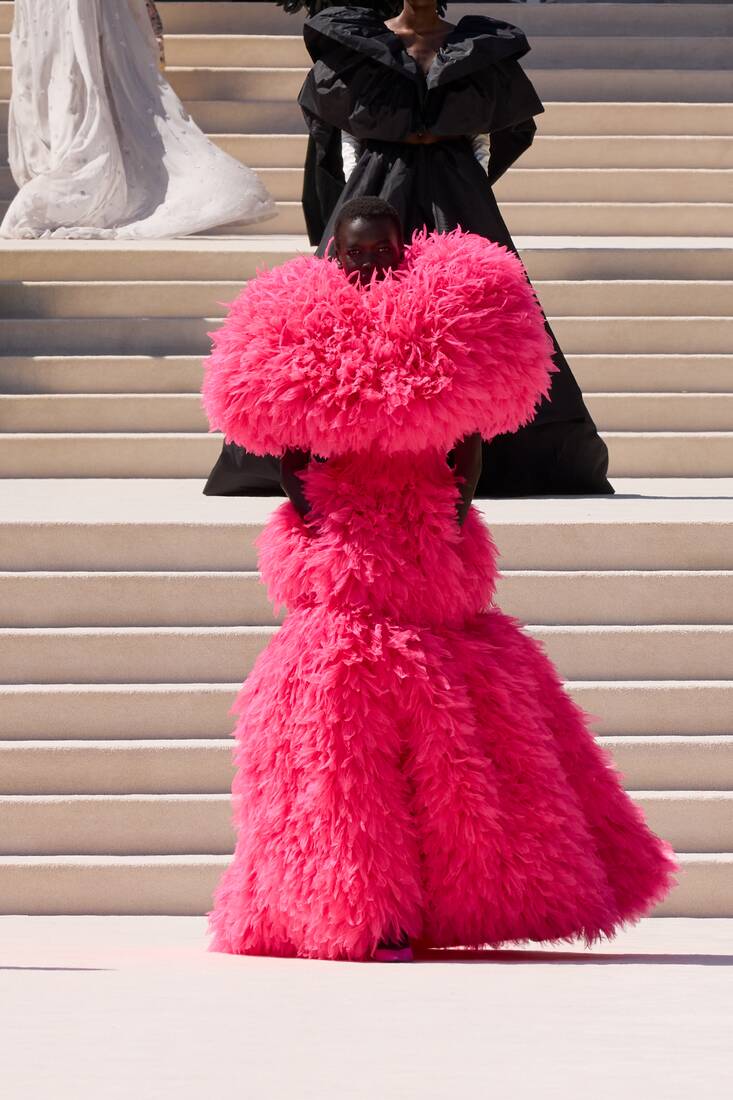
Known for his celebrated couture work at Valentino, Piccioli brought his signature appreciation for color, graceful volume, and effortless elegance to the Spanish fashion house. Rather than recreating Cristóbal Balenciaga’s archives, he interpreted them through a softer, more contemporary lens.
Voluminous gowns floated with remarkable lightness despite their complex construction, while vivid colors infused the collection with optimism. It was couture that celebrated craftsmanship without overwhelming the wearer, a difficult balance that Piccioli achieved beautifully.
Jean Paul Gaultier Embraced Fearless Experimentation
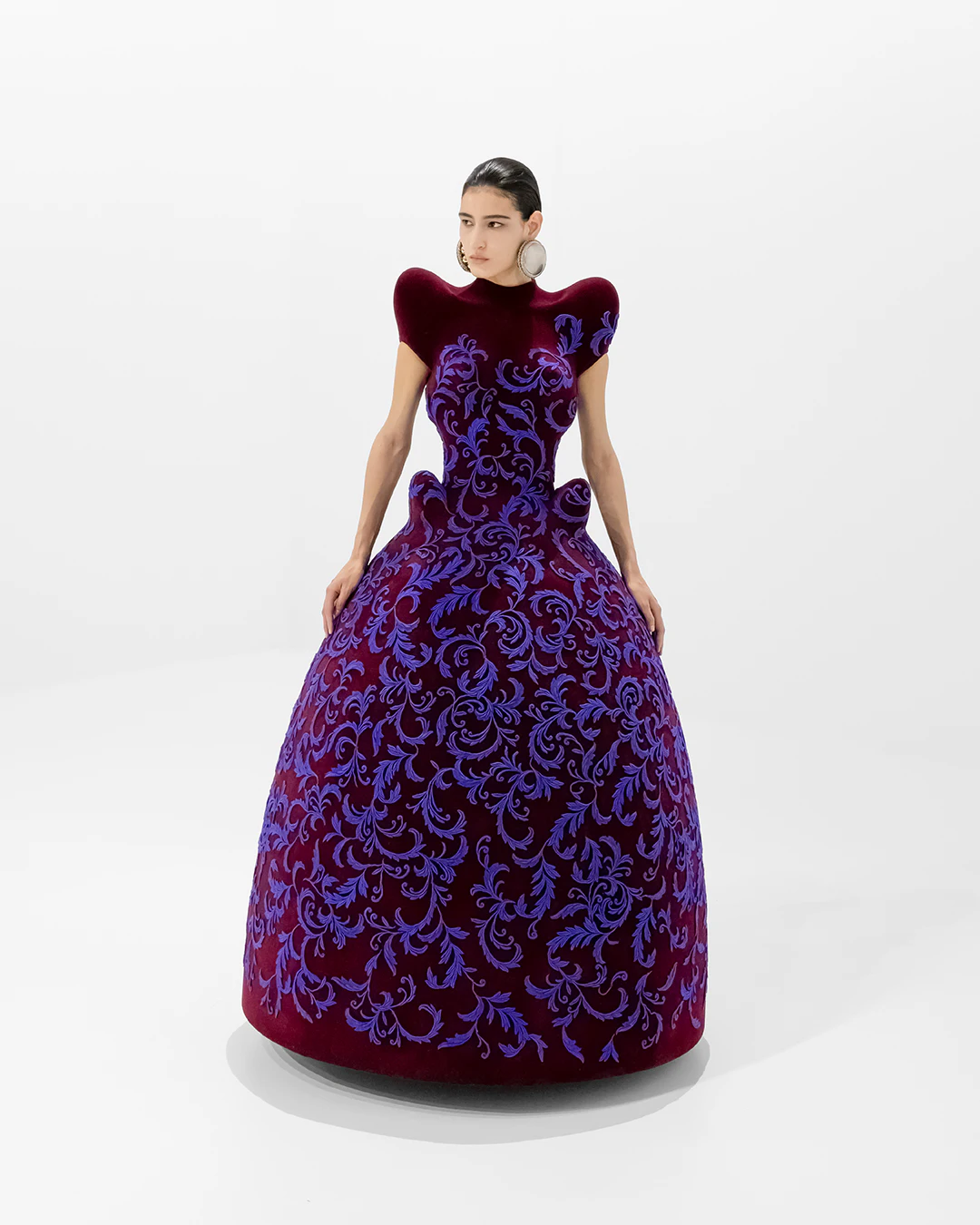
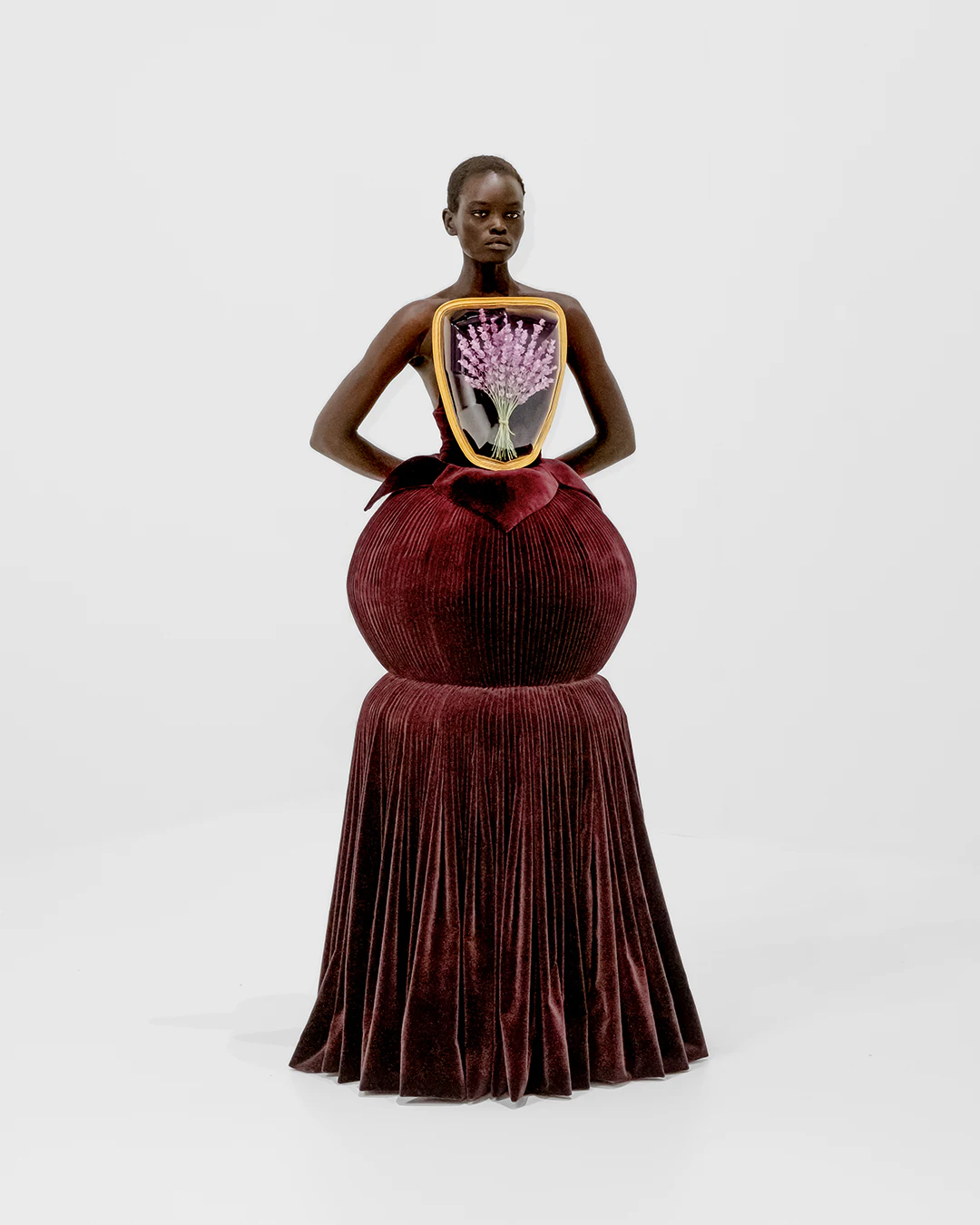
Duran Lantink proved he was the perfect designer to carry Jean Paul Gaultier’s rebellious legacy forward.
His couture debut embraced exaggerated proportions, sculptural tailoring, and surreal body manipulation. Twisting dresses, dramatic panniers, distorted bodysuits, and architectural silhouettes challenged traditional ideas of beauty while remaining technically extraordinary.
Rather than relying on nostalgia, Lantink used Gaultier’s legacy as a foundation for experimentation, creating one of the week’s most conversation-worthy collections.
Rising Stars Shared the Spotlight
While fashion’s biggest houses naturally attracted much of the attention, emerging names also delivered standout moments.
Michael Stewart’s Standing Ground made an impressive couture debut with minimalist yet highly sculptural gowns that emphasized precision and craftsmanship. Velvet, satin, and intricate beadwork showcased remarkable technical skill, while legendary corset-maker Mr. Pearl added structure that elevated every silhouette.
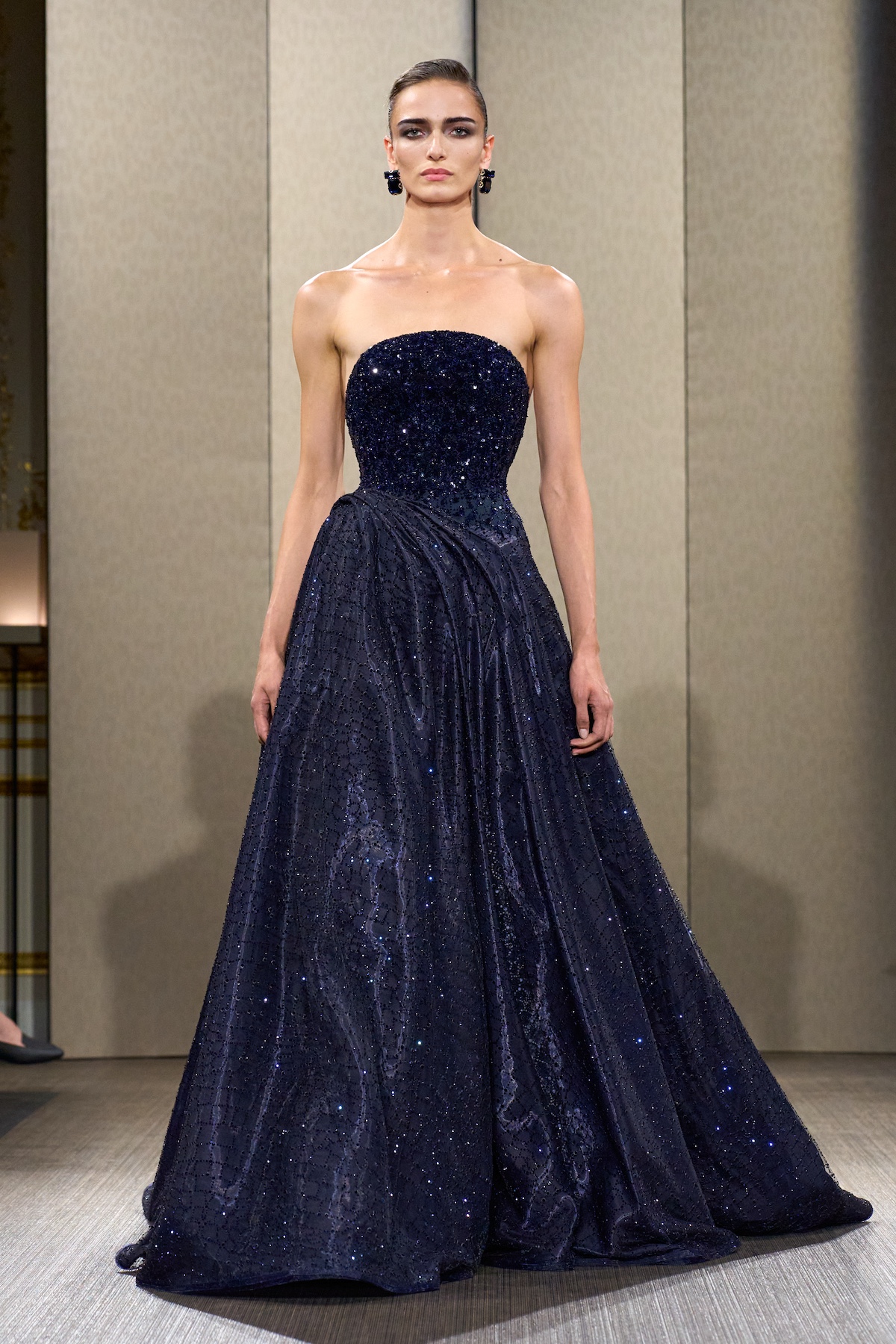
Meanwhile, Giorgio Armani Privé continued its tradition of understated elegance. Under Silvana Armani’s direction, the “Boudoir” collection celebrated intimate glamour through liquid organza, feather embellishments, and impeccably tailored satin suiting in rich midnight tones.
Together, these collections demonstrated that couture continues to evolve through both established icons and exciting new voices.
This Couture Season Will Be Remembered
The biggest takeaway from Haute Couture Fashion Week Fall 2026 was the renewed sense of optimism surrounding couture itself. Designers embraced individuality over trends, proving that craftsmanship and imagination remain fashion’s greatest luxuries.
From Dior’s artistic draping and Chanel’s whimsical storytelling to Balenciaga’s elegant reinvention and Schiaparelli’s fearless surrealism, every standout collection offered its own interpretation of modern couture.
As Paris closes another remarkable couture season and attention shifts to upcoming presentations in Rome, one thing is clear: Haute Couture Week FW26 reaffirmed that couture isn’t simply about exclusivity—it is also about preserving fashion as an art form. With visionary creative directors redefining iconic maisons and emerging designers making confident debuts, the future of haute couture has rarely looked more exciting.
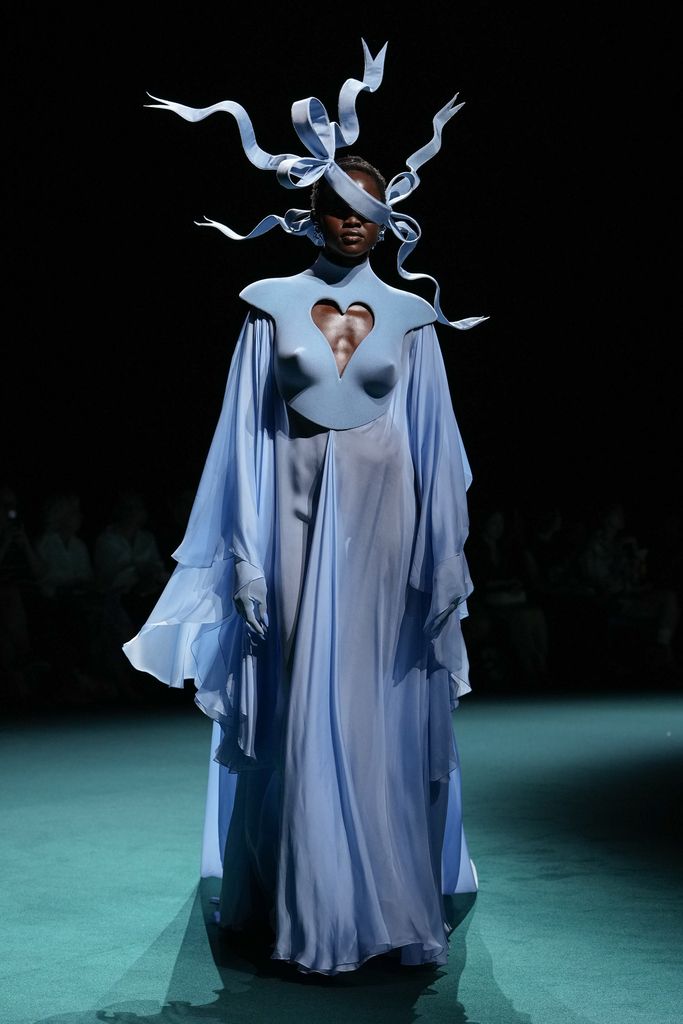
Here are the best designs spotted on the Paris Haute Couture Fashion Week Fall/Winter 2026 shows…
Dior
.
Schiaparelli
.
Chanel
.
Giorgio Armani Privé
.
Jean Paul Gaultier
.
Balenciaga
.
Fendi
.
Iris Van Herpen
.
Robert Wun
—Read Also