

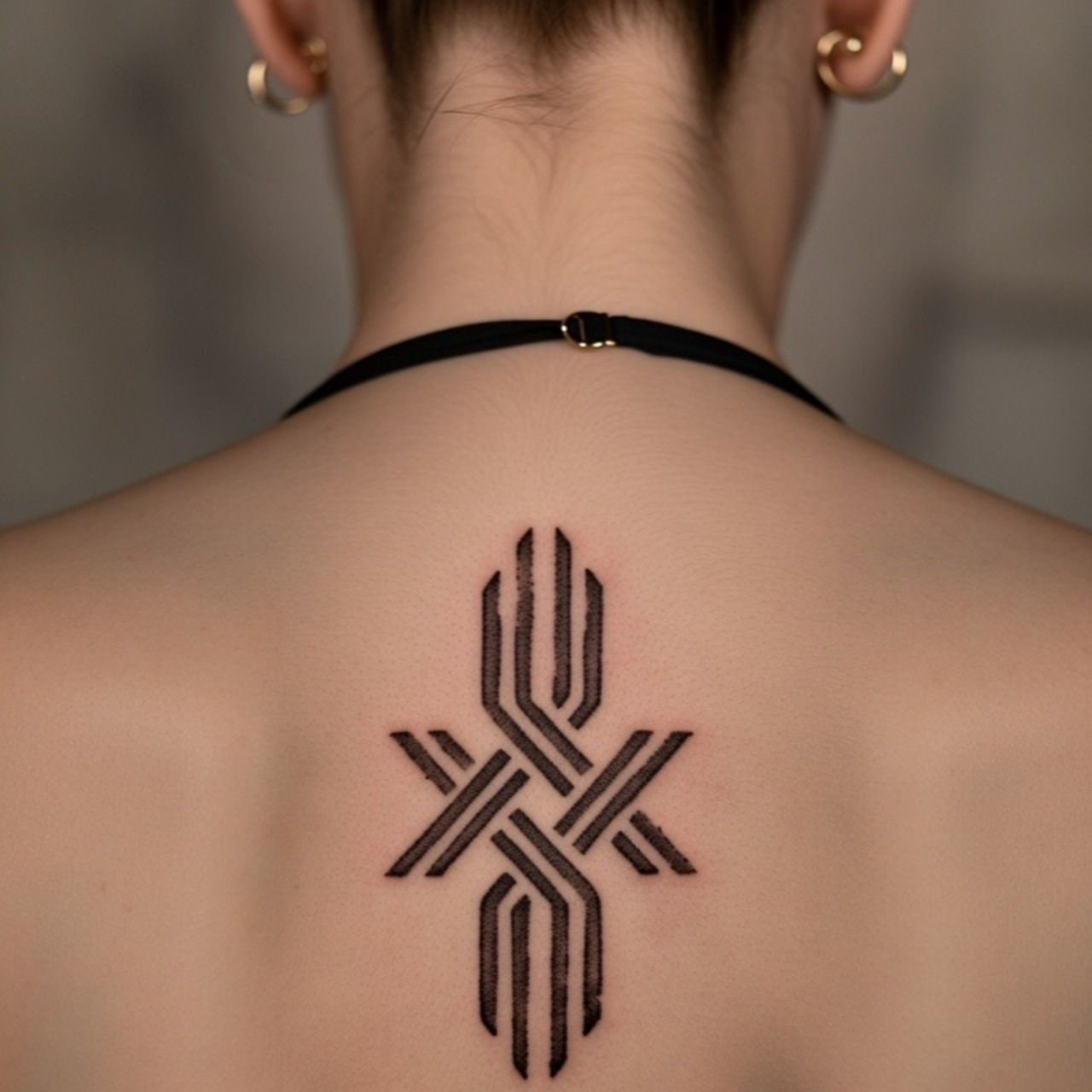

Just three decades ago, tattoos were widely viewed as symbols of rebellion. They were markers reserved for bikers, sailors, and those operating far outside the mainstream. However, driven by celebrity influence, pop culture visibility, and increasingly intricate techniques, that perception has shifted dramatically. What was once taboo has evolved into a professional and widely respected art form. Today, nearly 41% of American Millennials have at least one tattoo, alongside 32% of Gen X, 23% of Gen Z, and 13% of Baby Boomers.
Yet while tattoos have successfully crossed from counterculture into everyday acceptance, it remains unclear whether the latest body-modification trend, freeze branding, can, or should, follow the same trajectory. Freeze branding is a form of body modification that creates intentional burns and scars to form designs resembling tattoos. Unlike ink, however, the process carries significant medical risks and can result in permanent damage to both skin and underlying tissue. For anyone considering freeze branding, it’s essential to understand how the practice works, why people pursue it, and the serious risks involved.
A deeper look at body branding
Human branding, also known as body branding, involves burning or scarring the skin to leave permanent marks. The practice dates back centuries and has been used for a wide range of purposes, many of them deeply troubling.
Historically, branding served as a tool of ownership, most notably when enslaved people were marked to prevent escape. It was also used as punishment. In colonial America and parts of Europe, thieves were branded with a “T,” rogues with an “R,” and adulterers with an “A.” In other contexts, branding symbolized religious or spiritual alignment, denoting membership within belief systems or cults. At times, it was even used ineffectively as a therapeutic practice, with hot irons applied in misguided attempts to treat illnesses like convulsions or jaundice.
In more recent years, however, body branding has re-emerged as a form of personal identity and self-expression. Some individuals use it to visually communicate values, beliefs, or a sense of self. While freeze branding has gained attention lately, it is only one of several branding methods that exist beyond traditional tattooing.
Check out all the types of body branding that exist beyond tattooing…
#1. Freeze Branding

In 1966, Dr R. Keith Farrell developed freeze branding as a less painful method of marking animals. The process was initially praised for producing less scarring than hot branding. In humans, it involves cooling a branding iron using dry ice, isopropyl alcohol, or liquid nitrogen before pressing it against the skin.
The extreme cold causes ice crystals to form within skin cells, rupturing their walls and killing them. This halts melanin production, the pigment responsible for skin and hair color, resulting in permanent marks. While often perceived as more controlled, freeze branding still causes burns and irreversible skin damage.
#2. Strike Branding
Strike branding relies on heated stainless-steel tools applied directly to the skin, producing second-degree burn scars. Larger pieces may be used for bold designs, while smaller tools allow for more intricate patterns. However, the heat can spread beyond the intended area, increasing the risk of unintended scarring.
#3. Laser Branding
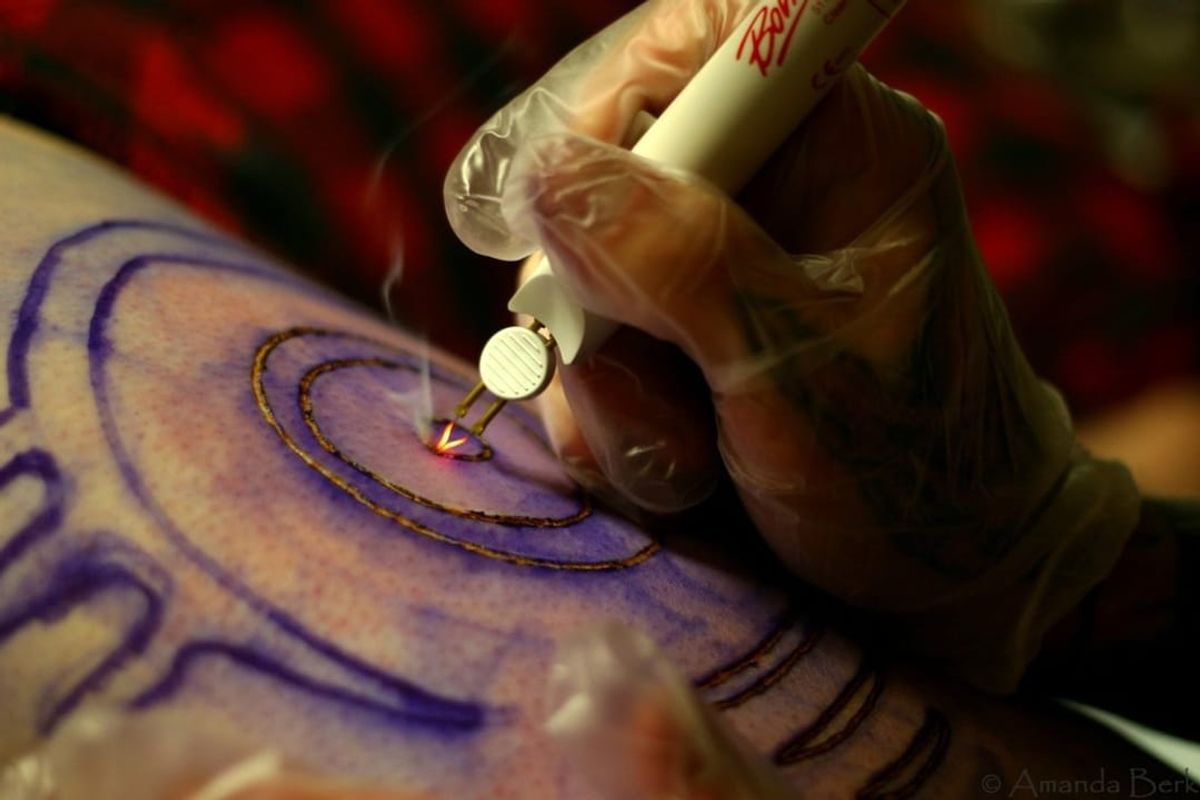
Also known as electrosurgical branding, this method uses electricity to burn or cut the skin. An electrosurgical laser vaporizes tissue, creating a third-degree burn with minimal surrounding heat damage. While it offers greater precision, it still carries serious medical risks.
#4. Solar Branding
Solar branding uses a focusing lens, often a crystal, to concentrate sunlight onto the skin, creating burns that form scars. Like other burning methods, it permanently damages skin tissue and carries a high risk of complications.
#5. Cutting
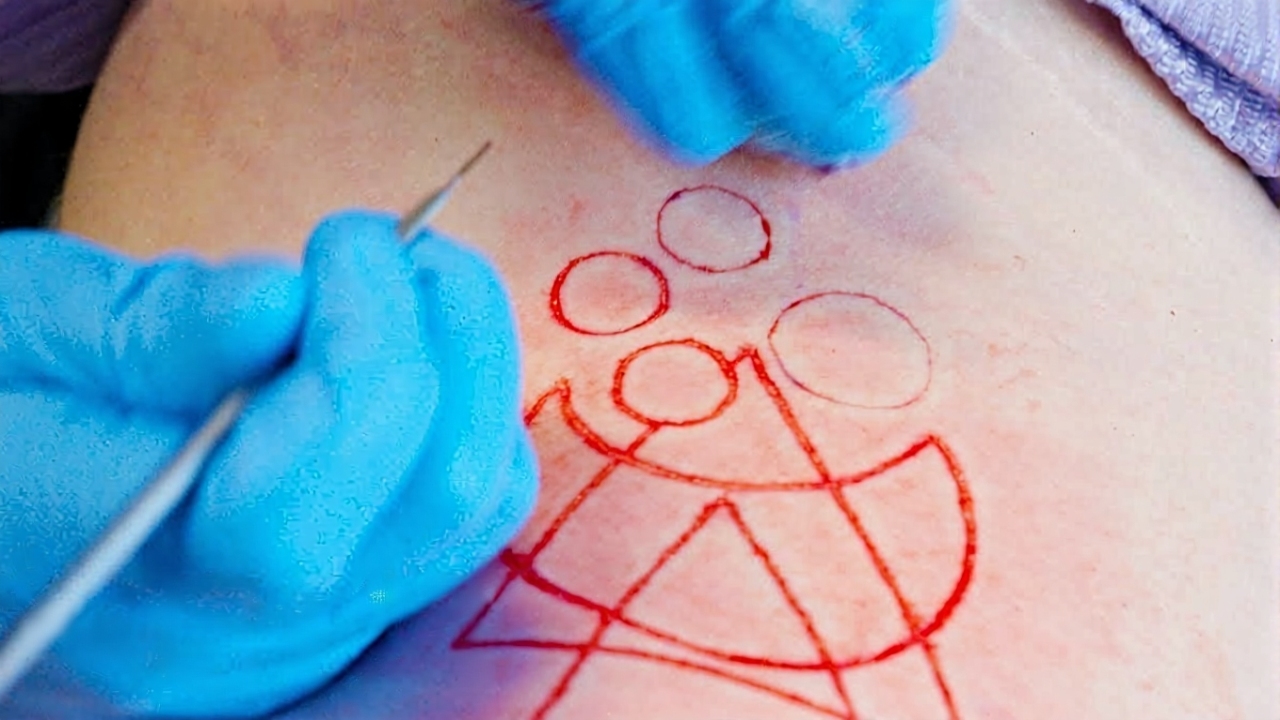
This method involves removing sections of skin using a scalpel or razor to create deliberate designs. While not involving heat or cold, cutting introduces its own risks, including excessive bleeding, infection, and improper healing.
The Risks of Body Branding
The skin is the body’s largest organ, serving as a protective barrier against infection, regulating temperature, and aiding in vitamin synthesis. Branding compromises these essential functions, particularly when performed by untrained individuals. As healthcare professionals, including those who have completed an online nurse practitioner program, consistently warn, the risks can be severe. Some of the risks include:
Because human skin is relatively thin (averaging just 2mm), it is highly vulnerable to extreme temperatures. In freeze branding, exposure lasting as little as 20 seconds can result in second-, third-, or even fourth-degree burns. These injuries may penetrate deep enough to damage muscles, tendons, and even bone. During healing, this damage can lead to contractures, where soft tissue tightens and restricts movement.
Additionally, branding significantly increases the risk of infection. Potential complications include herpes simplex virus, tetanus, staph infections, hepatitis, fungal infections, tuberculosis, and HIV. Severe burns may also lead to dehydration, as damaged skin loses its ability to retain fluids effectively.
Freeze branding presents another long-term concern: the destruction of melanin-producing cells. Melanin not only gives skin its color but also provides critical protection against ultraviolet radiation. Permanent loss of these cells leaves the skin far more vulnerable to sun damage and significantly increases the risk of skin cancer.
Conclusion
Body branding remains largely unregulated, and its legality varies widely by state. Given the risks, ranging from severe burns and nerve damage to infection and cancer, those seeking a meaningful form of body art are strongly encouraged to consider regulated, well-established alternatives. While tattoos once faced skepticism before earning acceptance, branding introduces irreversible dangers that far outweigh its aesthetic appeal.
Featured image: Maria DragIshevich
—Read Also