


A fashion campaign is never just about the clothes. The furniture in the background, the chair a model leans against, or the table positioned beside a collection can shape the entire image before the viewer has even noticed what the model is wearing. In a showroom, a carefully chosen sofa or display table helps establish the atmosphere of the space. At a launch dinner or pop-up, the right pieces can turn an ordinary venue into an extension of the brand itself.
That is why designer furniture has become an increasingly considered part of fashion production. Brands are looking beyond traditional props, using distinctive chairs, lighting, tables, and collectible design pieces to communicate a particular aesthetic and give their campaigns and physical spaces more character. These choices are rarely incidental. They involve creative direction, sourcing decisions, budgets, delivery schedules, and a fair amount of coordination behind the scenes.
For the teams responsible, finding the right piece is only half the job. It must complement the collection, work within the setting, arrive when needed, and serve a purpose beyond simply looking good in a photograph. Whether the brief is a campaign shoot, a permanent showroom, or a pop-up that will travel between cities, understanding how to source and use designer furniture can make a significant difference to the finished result.
Why Furniture Has Become Part of Fashion’s Visual Language
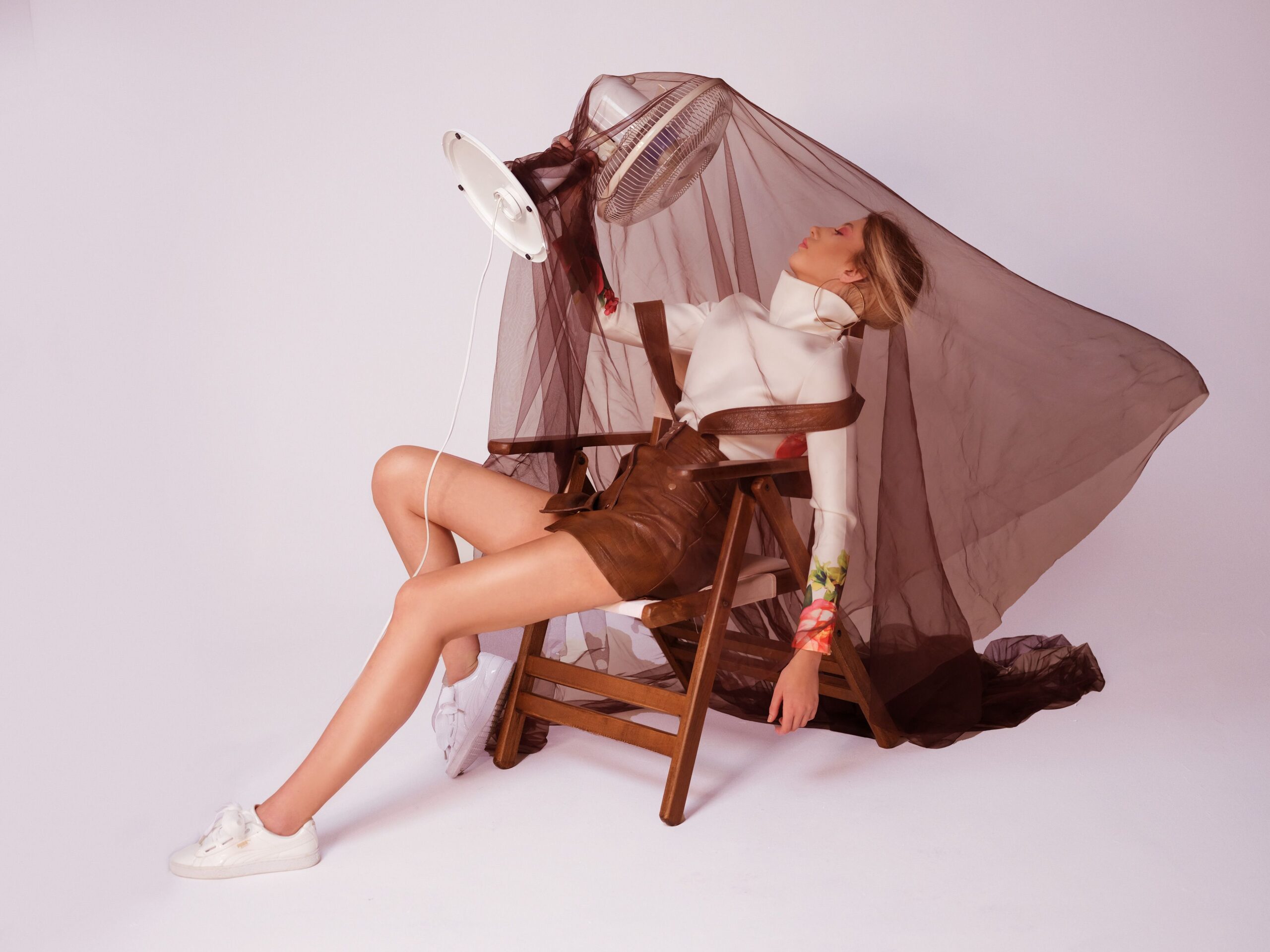
A white studio tells the viewer very little about a collection. Introduce a single armchair, however, and the image suddenly has a decade, a mood, and an idea of who might live there before the model has even moved. Few objects can communicate so much with so little, and creative directors understand the value of that visual shorthand.
Fashion has been moving toward design for some time. Houses such as Hermès and Jil Sander are now regular participants at Milan Design Week, the annual event built around the Salone del Mobile furniture fair. The relationship also works in the opposite direction, with design platforms and creative studios finding their way into fashion-related conversations. The 2026 Epica Awards shortlist for Luxury & Premium Brands, a category that includes a Lacoste campaign, also lists a short film from The Oblist, a marketplace for collectible design.
The connection makes sense. Fashion and furniture both communicate through materials, form, color, craftsmanship, and the lifestyles they suggest. A sculptural chair can reinforce a collection’s architectural lines, while a vintage table or distinctive lamp can introduce warmth and history into an otherwise contemporary setting. Furniture is no longer simply something to fill an empty corner. It is part of the visual storytelling.
Who Chooses the Furniture for a Fashion Production?
The person making the final selection depends on the project, but furniture sourcing is usually a collaborative process.
For a campaign, the fashion stylist and the set designer or prop stylist work from the same creative references. The stylist understands what the clothes need, while the set designer proposes furniture and objects that support the visual direction. The producer then checks the choices against the budget, availability, and production schedule.
For a showroom or retail space, the decision usually sits with the brand’s visual merchandising or store design team. Their priorities extend beyond appearance: a piece must work within the layout, withstand regular use, and remain appropriate for the space over time. For a dinner, launch, or brand activation, an event producer often takes the lead, working from the guest list, venue, and overall experience the brand wants to create.
Whoever is responsible for the selection, three questions tend to come up early: Does the piece suit the clothes or the brand? Can we afford it? And, perhaps most importantly, will it arrive in time? That last question is often the one that determines whether an idea makes it beyond the mood board.
How to Choose Furniture for a Fashion Campaign Shoot
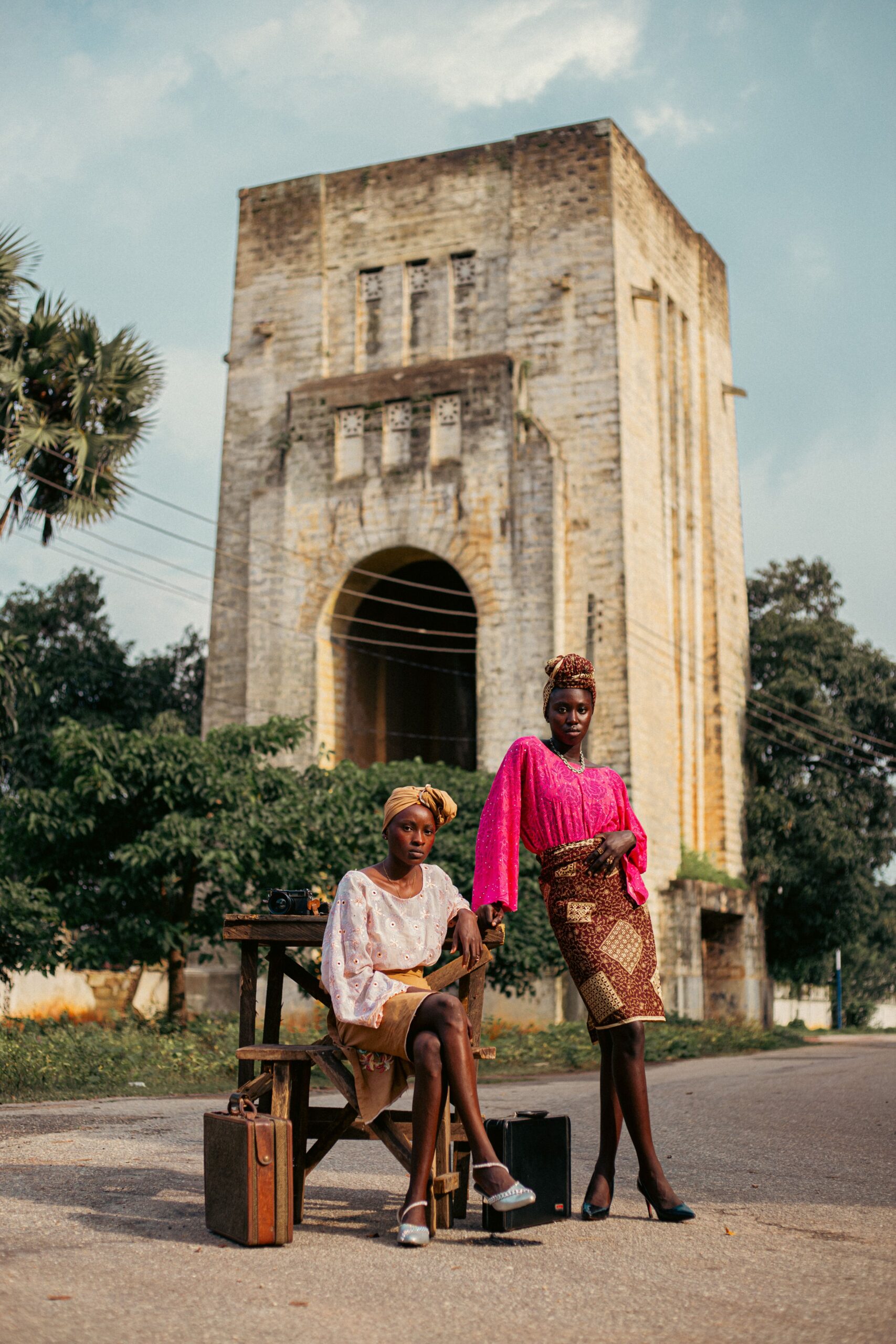
For a campaign shoot, start with one hero piece: the chair, table, or other object around which the image will be built. Once that choice is made, everything else should support it rather than compete for attention.
Before anyone gets attached to a particular design, check its lead time. Pieces that are in stock may ship quickly, while made-to-order furniture can take several weeks or longer. A chair that requires six weeks to manufacture is of little use for a shoot scheduled in ten days, however perfect it looks on the mood board.
Next, consider how the furniture interacts with the clothes. Seat height can change a model’s silhouette: a low lounge chair may fold the body and cause a long coat to bunch, while a stool can preserve the line of a pair of trousers. Upholstery matters, too. Hold a fabric swatch against the furniture before making a decision. Bouclé against bouclé or satin against lacquer may create too little contrast on camera, causing the materials to blend.
The color palette deserves equal attention. A piece in the same color as a garment can make the clothing disappear into the setting, while a shade a few tones away can provide a more effective contrast. Glossy and mirrored surfaces may also reflect studio lights, equipment, and crew members, creating distractions in the final image. When the clothes feature bold prints or intricate detailing, simple furniture in a single material will often photograph better than something equally elaborate.
The goal is not to find the most striking piece in the room. It is to find the one that makes the collection look its best.
Designing a Fashion Showroom: Start With Seating and Surfaces
A showroom has different demands from a campaign set. During market week, buyers may spend hours reviewing collections, discussing orders, and moving between racks. They need somewhere comfortable to sit, as well as tables and display surfaces that make the clothes easy to examine without competing with them.
One well-chosen bench or low table can do more for a room of clothing racks than six decorative objects. The furniture should help organize the space, provide practical functions, and reinforce the atmosphere the brand wants to create.
Durability is particularly important. A showroom gets used hard. Samples are moved across tables, visitors perch on armrests, and coffee cups are placed wherever there is an available surface. Before committing to a piece, consider how its finish will hold up under regular use. Ask how easily it scratches, whether upholstery can be cleaned, and what maintenance it requires. A beautiful surface that shows every mark may not be the most sensible choice for a busy showroom.
Creating Memorable Brand Events, Pop-Ups, and Activations
At a launch dinner, guests photograph more than the food. The table setting, chairs, lighting, and centerpiece all contribute to the images that will circulate after the event. These are the details that can make a gathering recognizable as an extension of the brand, so it is worth directing a substantial part of the visual budget toward them.
There is no rule that every chair must match. In fact, combining pieces from different designers or studios can create a more interesting setting than using a uniform set, particularly when only a small number of chairs are needed. The key is to establish a visual connection through color, material, shape, or proportion.
Pop-ups and brand activations require another level of planning because visitors are likely to experience and photograph the space themselves. Think about where people will naturally stand to take pictures, then position the strongest furniture piece there, ideally with the product or collection visible in the same frame. The setting should encourage interaction without turning the furniture into a distraction.
Practical considerations matter just as much. Members of the public will sit on chairs, lean against tables, and set drinks on available surfaces. Pieces need to withstand that activity. If the activation is touring, ask whether each item can be crated, transported, and installed again in the next city without requiring a specialist. Check dimensions against the venue’s doorways, lifts, and access points, too. A statement chair is not much use if it cannot get into the room.
Sometimes, an existing design simply will not meet the brief. The production may require a plinth at a precise height or a table long enough to accommodate a particular guest list. In these situations, studios that offer made-to-order furniture may be able to create a custom version. It takes longer than buying off the shelf, which is why bespoke pieces should be discussed at the first planning meeting rather than introduced as a last-minute solution.
Should Fashion Brands Rent or Buy Designer Furniture?
Renting and buying designer furniture operate on different timelines and budgets, and teams new to sourcing design pieces sometimes discover the difference too late.
Prop houses commonly offer rental options, while design galleries, studios, and online marketplaces primarily sell furniture, much of which may be made to order. Some design sellers rent selected pieces, but this is not standard practice across the industry. For a one-day shoot or a single evening event, rental is often the first option worth exploring. Ask about availability at the beginning of the process, because the answer will help determine which designs are realistic.
For a showroom, flagship store, or pop-up that will travel between locations, buying may be the better investment. The furniture remains with the brand, can be reused for future campaigns and events, and may eventually find a permanent home in an office, retail space, or brand archive.
The decision should come down to how often the piece will be used, how long it needs to remain available, and whether the cost of purchasing makes sense over multiple productions. A distinctive chair used for several seasons may justify the initial expense, while an unusual table needed for one evening is a stronger candidate for rental.
Where to Source Designer Furniture for Fashion Projects
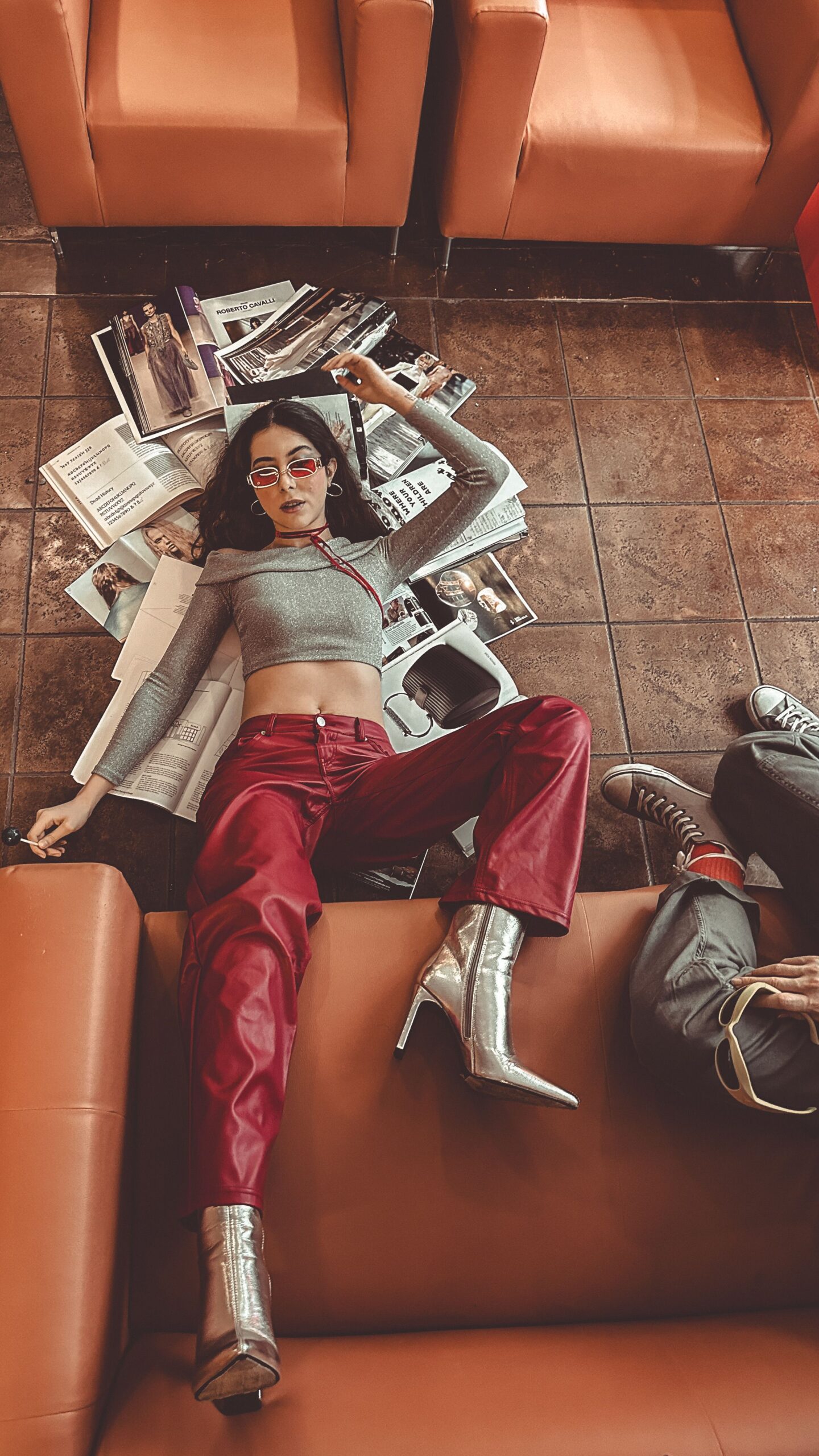
Prop houses are often the fastest and most familiar route to sourcing furniture. They offer an established inventory and are accustomed to working with production teams, but their convenience comes with a limitation: the same sofa or chair can appear in several campaigns. For brands looking for a more distinctive visual identity, other sources are worth exploring.
Vintage dealers and design galleries offer one-off pieces with more individual character. The challenge is availability. A design that appears on a mood board may sell to another buyer before the creative director has approved it, so it is important to establish whether a piece can be reserved.
Furniture studios and online design marketplaces provide access to independent makers and designers a production team may not have encountered otherwise. They are particularly useful when a brief calls for something less familiar than the standard collection of rental props. However, made-to-order production can introduce longer lead times, so availability and delivery dates should be discussed early.
For brands that purchase design pieces several times a year, it may also be worth asking sellers whether they offer a design trade program. These professional accounts have traditionally been available to interior designers, but some sellers may extend them to production teams and other industry professionals. Terms vary, so ask what the program includes rather than assuming every seller offers the same benefits.
For a production team, two answers are especially important: whether delivery dates can be confirmed in writing and whether a piece can be held while the creative director reviews and approves it. Both can make the difference between a smooth sourcing process and an expensive last-minute change.
Plan for What Happens to the Furniture After the Shoot
Furniture sourcing should not end when the campaign wraps. If a brand has purchased a piece, it needs a plan for where it will go next. Thinking about its second life before the production begins can make the original investment more worthwhile.
A campaign chair might move into a store window, become part of the next season’s showroom, or be placed in the brand’s archive alongside the collection it appeared in. A table used for a launch dinner could later furnish an office or feature in another event. The possibilities depend on the piece, the brand’s spaces, and how frequently the furniture is likely to be reused.
Storage and transportation should be considered from the outset. Keep the original packaging or crate until the long-term destination is settled, and make a note of any special handling or maintenance requirements. A design piece that is carefully selected but poorly stored can quickly lose its value to the production.
Three Common Furniture-Sourcing Mistakes to Avoid
Mistake #1: Choosing the furniture before checking the schedule
The delivery date should help determine the shortlist. Start by establishing what can realistically arrive in time, then narrow the options based on design and suitability. There is little point in building a campaign around a piece that cannot be delivered before the shoot.
Mistake #2: Overfilling the set
Too many decorative objects can distract from the clothes and make a campaign image look cluttered. Six small accessories rarely have the same visual impact as one well-chosen piece surrounded by some empty space. Give the furniture room to work.
Mistake #3: Letting the furniture overshadow the collection
The furniture should strengthen the image, not become its main subject unless that is the intention. If the first thing people mention is the chair rather than the clothes, the balance may be wrong. Move the piece further into the background, adjust the framing, or choose something quieter.
Make Furniture Part of the Creative Plan From the Start
Designer furniture can give a fashion campaign, showroom, or pop-up a stronger visual identity, but getting the right pieces into the right space requires more than a good eye. It calls for an understanding of the creative brief, a realistic sourcing strategy, and careful attention to budgets, lead times, delivery, and what happens after the event.
The most successful productions treat furniture as part of the creative plan from the beginning, not as a finishing touch to be arranged once the clothes and models are in place. When the team knows where to source its pieces, whether to rent or buy, and how long delivery will take, the final days can be spent refining the image rather than chasing a chair.
Featured image: Alec Soth/Magnum Photos for Chanel
—Read also


