


Scroll through any fashion feed, and you’ll notice a quiet shift. The outfits that stop the scroll are often not the ones with the biggest logos. They are the ones that feel personal: a reworked denim jacket, a hoodie printed with artwork no one else owns, or a pair of trainers in a colorway the wearer chose themselves.
For most of the last century, fashion moved from the top down. Designers set the direction, retailers stocked it, and shoppers chose from what was on the rail. Personalization is turning that model into a conversation. Shoppers now expect a say in what they wear, and the industry, from heritage denim houses to young runway labels, is responding.
Custom clothing is no longer a niche hobby or a promotional freebie. It sits at the intersection of three bigger movements in fashion: the rise of personal identity over brand identity, the revival of craft on the runway, and growing unease about how much clothing the industry produces.
The Numbers Behind the Movement
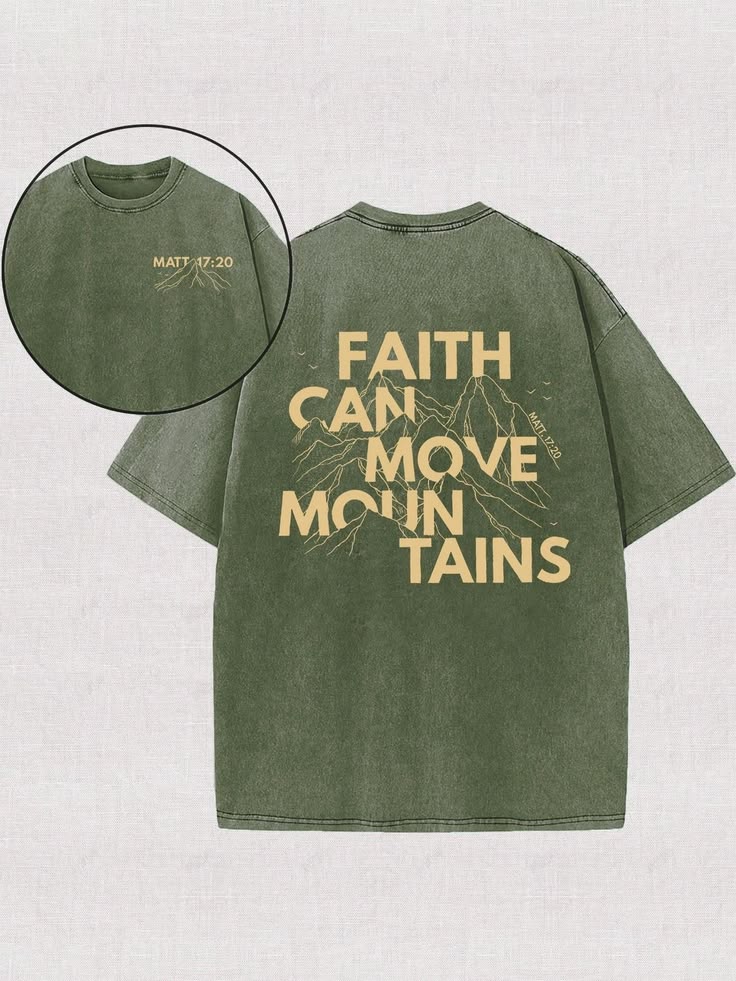
The appetite for personalization reaches well beyond fashion. According to McKinsey research, 71% of consumers expect companies to deliver personalized interactions, and 76% get frustrated when that doesn’t happen. Clothing, one of the most visible things we buy, is a natural place for that expectation to show up.
The market data points in the same direction. IMARC Group valued the global custom T-shirt printing market at USD 4.9 billion in 2024 and expects it to reach USD 9.0 billion by 2033. The firm attributes this growth to the rising preference for individualized apparel and improvements in printing technology. That is just one product category, but it offers a useful indication of the broader shift: even fashion’s most basic garment, the plain tee, has become a canvas for self-expression.
From Brand Identity to Personal Identity
For decades, the logo did the talking. Wearing a recognizable brand signaled which tribe you belonged to. Social media has complicated that relationship. When an outfit is photographed, posted, and compared with thousands of others, the same mass-produced piece everyone else owns can begin to look less like a statement and more like a uniform.
Custom pieces offer an alternative by giving clothing a story. A slogan only your friends understand, a graphic you drew yourself, or a monogram on a jacket that belonged to your father: these details turn a garment into something closer to a personal archive. That is one reason customized clothing can remain in the wardrobe long after trend-led pieces have been discarded. Its value is emotional as well as aesthetic.
The shift also reflects a broader change in how personal style is judged. Being “on trend” matters less than looking like yourself. Micro-trends now rise and fade within weeks, and personalization gives wearers a way to step outside that cycle rather than constantly chase the next thing.
How the Industry Got Here
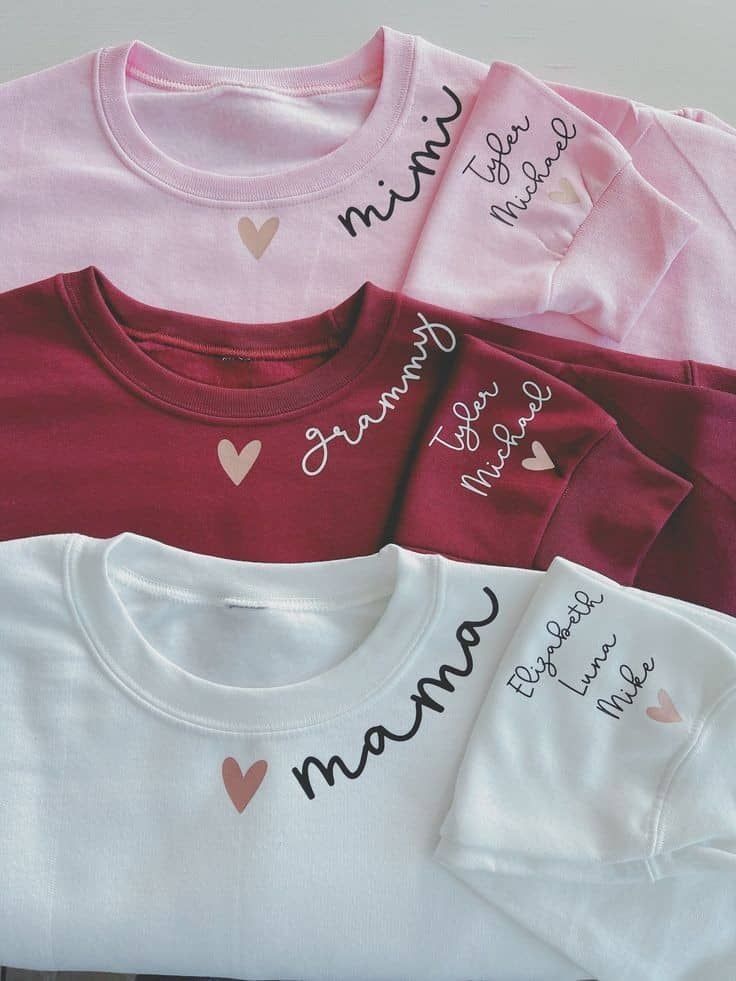
Personalization is not new, but its scale is. Sportswear helped bring it into the mainstream early on. Nike introduced NIKEiD in 1999, allowing customers to choose colors and materials and add personal text to their trainers. Today, the service operates as Nike By You, available online and through select experiences. What was once a novelty for sneaker collectors has become a familiar option across the footwear market.
Denim tells a similar story. Levi’s says customization has been part of its DNA since it tailored workwear for miners in 1853. Through the Levi’s Tailor Shop, shoppers can add chain-stitch embroidery, patches, monograms, and sashiko-style repairs, or have an old pair of jeans upcycled into something new. A heritage brand treating every pair of jeans as an opportunity for individual expression says a lot about where demand is heading.
At the designer level, the one-of-a-kind garment has become a mark of prestige. Bode, founded by Emily Adams Bode Aujla in 2016, began with a collection of unique garments made entirely from antique textiles such as quilts, linens, and grain sacks. Bode Aujla went on to become the first female designer to show at New York Fashion Week: Men’s, and her work has earned major industry awards. Her success demonstrates how uniqueness, once a limitation of handmade clothing, has become a selling point at the highest level.
The Craft Revival and the New Streetwear
Bode is part of a wider return to craft. Patchwork, visible mending, embroidery, and hand-finished details have moved from the margins back to the runway. These techniques make garments harder to replicate and give them a distinct character, which is precisely what personalization offers at a more accessible price.
Streetwear has driven the other half of the movement. Its culture was built on small runs, graphic tees, and limited drops, and that spirit now belongs to anyone with an idea. Musicians, artists, podcasters, and online creators release their own merchandise. Run clubs, skate crews, and friend groups print matching pieces. Small businesses are swapping stiff uniforms for branded hoodies their staff actually want to wear. In each case, the clothing signals belonging as much as taste.
The garments themselves have also improved. Early custom clothing had a reputation for thin fabrics and dated cuts. Today’s blanks follow the silhouettes seen in street style and on the runways: boxy heavyweight tees, oversized hoodies, relaxed joggers, and cropped shapes. Accessible design and printing tools now allow individuals and independent labels to create custom clothing in small runs or even as single pieces, removing the old barrier of bulk minimum orders. When the base garment is well made, customization becomes a finishing touch rather than the whole point.
The Sustainability Question
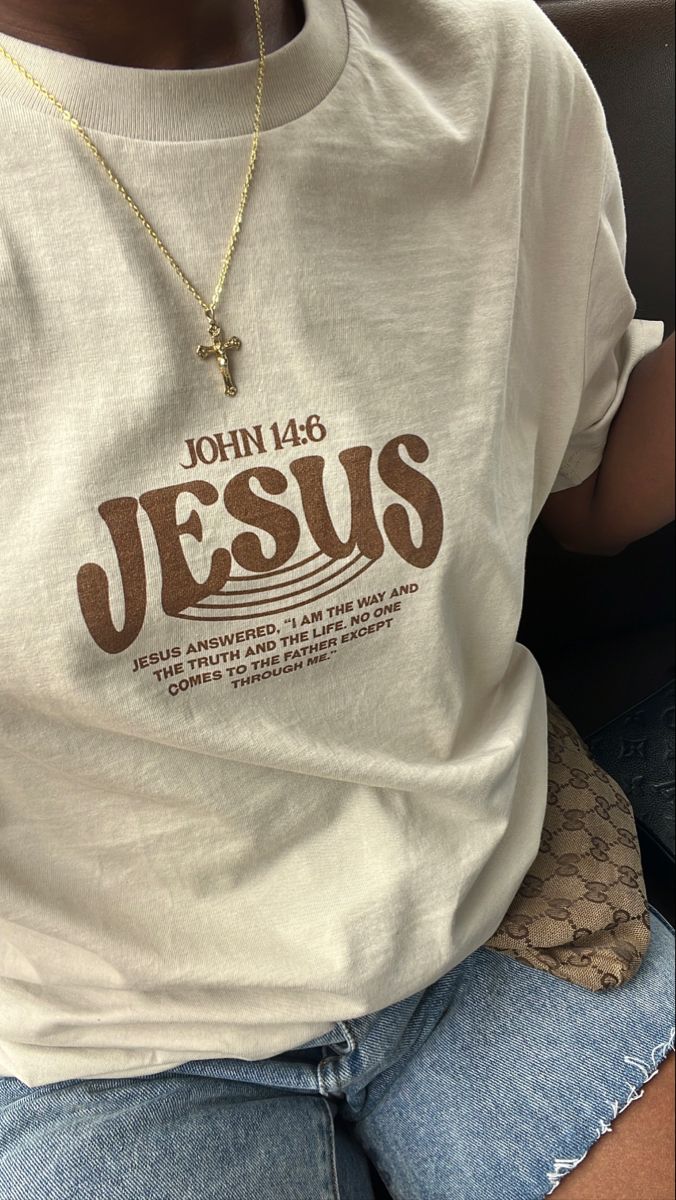
Custom clothing is often described as the more sustainable choice. That claim deserves a closer look because the case is compelling, but conditional.
The problem it addresses is overproduction. The Ellen MacArthur Foundation found that clothing production roughly doubled between 2000 and 2015, while the number of times each garment is worn fell. The equivalent of one garbage truck of textiles is landfilled or burned every second, and less than 1% of the material used to make clothing is recycled into new clothing. A 2025 report by Source Fashion and Insider Trends, Do We Really Need to Produce So Much?, estimates that the industry makes between 80 and 150 billion garments a year, with up to 40% going unsold. The same report identifies on-demand production and co-creation with customers as potential ways to reduce that waste.
Made-to-order clothing tackles the problem directly: a garment produced only after someone orders it cannot become unsold stock. Personal attachment matters, too. A piece that carries meaning is more likely to be worn regularly, repaired, and kept for years, working against the low clothing utilization that the Ellen MacArthur Foundation identifies as a core problem.
But on-demand production is not automatically green. Fabric choice, print quality, shipping distances, and how often people place orders all affect a garment’s environmental footprint. A custom hoodie made from durable fabric and worn for years is a better choice than ten novelty tees ordered on impulse. The sustainable version of this trend is about owning fewer, more meaningful pieces, not simply finding new ways to personalize more clothing.
How to Make Custom Pieces Look Intentional
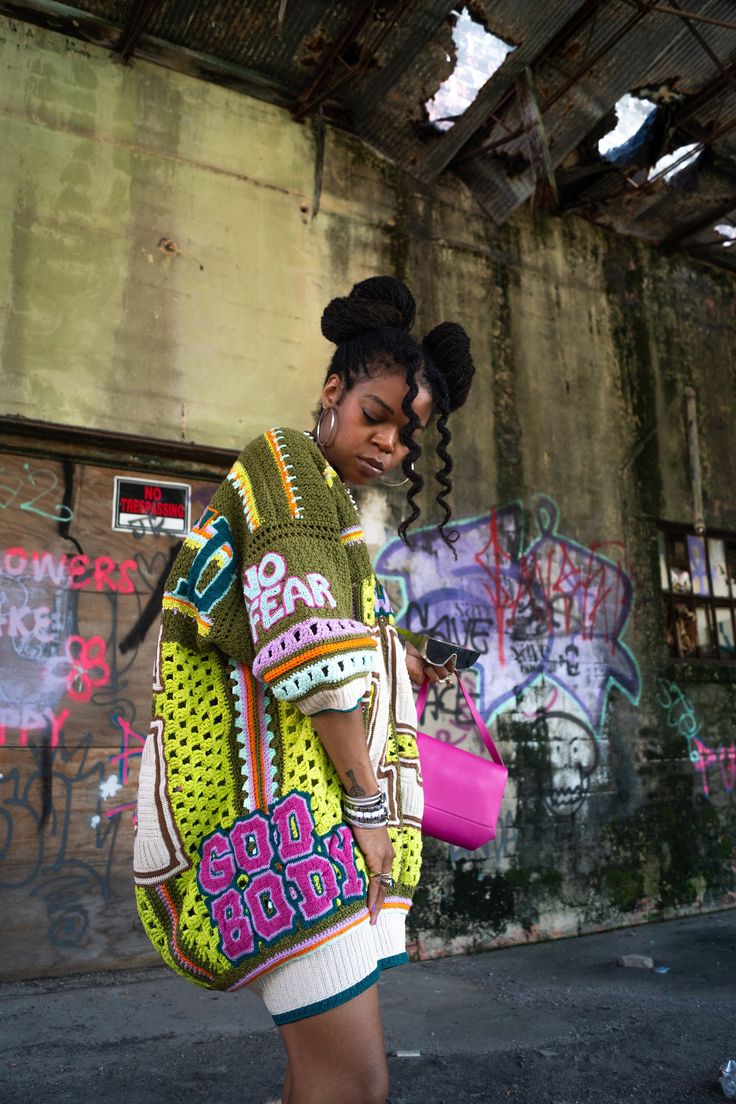
The difference between a custom piece that looks considered and one that resembles a giveaway usually comes down to restraint.
- Start with a strong base. A well-fitting garment in black, off-white, washed gray, or an earthy tone lets the design take center stage and pairs easily with the rest of a wardrobe.
- Treat placement as part of the design. A small chest print, a single back graphic, or a monogram at the cuff often looks more refined than artwork that covers every available surface.
- Balance the outfit. If the custom piece makes a statement, keep the rest simple: straight-leg denim, clean trainers, and minimal accessories. If the design is subtle, there is more room to experiment with layering and texture.
- Think in sets. A custom hoodie with matching sweatpants in the same tone creates an easy, polished look that echoes the tonal dressing seen across recent menswear and womenswear collections.
A Movement, Not a Moment
Custom clothing is gaining ground because it answers several questions fashion is asking at once. How do you stand out when everyone shops the same feeds? How do you buy with less waste? How do you build a stronger connection with what you wear? From Nike’s early experiments to Levi’s Tailor Shops and Bode’s one-of-a-kind collections, the industry’s own direction suggests that personalization is becoming part of fashion’s structure rather than a passing trend.
The most interesting wardrobes of the next few years may not be the most expensive ones. They are likely to be the most personal.
Featured Image: Joyful Art Prints/Pinterest
—Read also


