

Retinol didn’t become a skincare obsession by accident—it earned its place as one of beauty’s most talked-about ingredients. Few over-the-counter ingredients have earned the same reputation for improving the appearance of fine lines, uneven tone, rough texture, and other visible signs of aging. Yet for anyone standing in front of a shelf packed with retinol serums, retinal creams, different percentages, and unfamiliar formulas, getting started can feel surprisingly complicated.
Although retinol is the focus of this guide, it is not the only vitamin A derivative worth knowing. Retinal, also known as retinaldehyde, belongs to the broader retinoid family and is a different ingredient from retinol. Both are converted by the skin toward retinoic acid, the active form of vitamin A, but retinal requires one fewer conversion step. That distinction is worth understanding when deciding which type of retinoid might suit your routine.
The trick is not to begin with the strongest product you can find. Retinol and other retinoids can be highly effective, but they can also cause dryness, redness, peeling, or irritation if introduced too quickly. Starting with a manageable formula and giving your skin time to adjust can make the experience much more comfortable.
Fortunately, plenty of beginner-friendly options are available, from gentle encapsulated retinol formulas and nourishing serums to retinal products designed for people who want to explore another type of vitamin A derivative. Some are designed with sensitive skin in mind, while others make sense if your biggest concern is acne, dark marks, texture, or early signs of aging.
How Does Retinol Work?
Retinol is a derivative of vitamin A that the skin converts to retinal and then to retinoic acid, the active form that can influence skin-cell turnover and other processes. It targets concerns including fine lines, uneven tone, rough texture, and visible signs of aging. It can also support collagen production and help improve the appearance of dark spots and uneven skin texture.
The appeal is its versatility. Instead of targeting only one visible concern, retinol can become a foundational treatment in a routine designed to improve the overall appearance of the skin.
But it also rewards patience. You are unlikely to see the full benefit after a few applications, and trying to speed up the process by using more product can increase irritation without necessarily producing faster results.
Retinol vs. Retinal: What’s the Difference?
Retinol and retinal are both vitamin A derivatives, but they are not the same ingredient.
Retinol must undergo two conversion steps in the skin before becoming retinoic acid, while retinal requires one. This difference has contributed to retinal’s growing popularity among skincare enthusiasts looking for another option within the retinoid category.
That does not mean retinal should simply be described as a “stronger retinol.” Formulation, concentration, delivery system, and individual skin tolerance all influence how a product performs and feels on the skin.
For beginners, the important takeaway is that retinol and retinal are both retinoids, but they should be treated as distinct ingredients. If you are new to vitamin A skincare, either can be introduced gradually, depending on the product and your skin’s tolerance.
What Should You Look for in a Beginner Retinol?

For Sensitive Skin
Look for formulas that use gradual-release or encapsulated retinol, along with ingredients designed to support the skin barrier. A thoughtfully formulated product can be easier to incorporate than jumping straight into a highly concentrated formula.
For Acne-Prone Skin
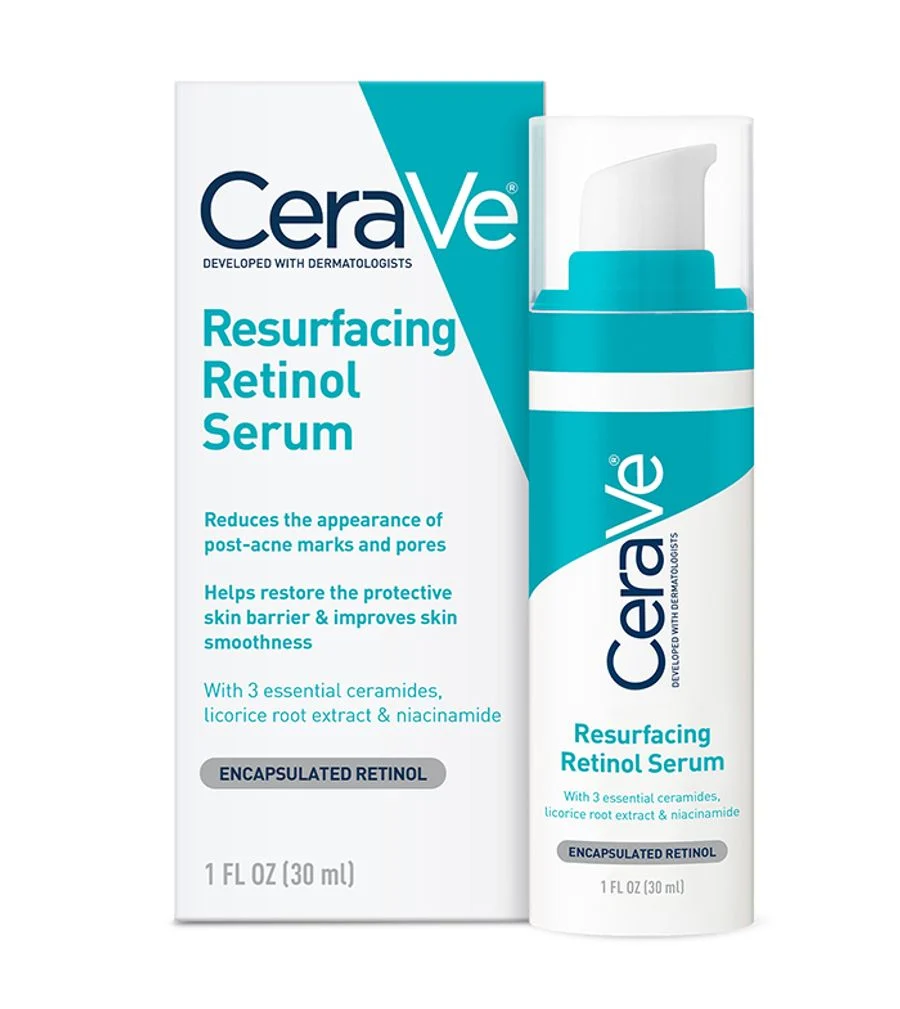
If breakouts, clogged pores, or post-acne marks are your main concerns, look for formulas that combine retinol with ingredients such as niacinamide or other skin-supporting components. CeraVe’s Resurfacing Retinol Serum is one example of an encapsulated formula designed with texture, pores, and post-acne marks in mind.
For Fine Lines and Visible Signs of Aging
If your main goal is to improve the appearance of fine lines, wrinkles, uneven tone, and other visible signs of aging, look for products specifically formulated around retinol and complementary ingredients. RoC and La Roche-Posay offer options designed around these concerns.
For Beginners on a Budget
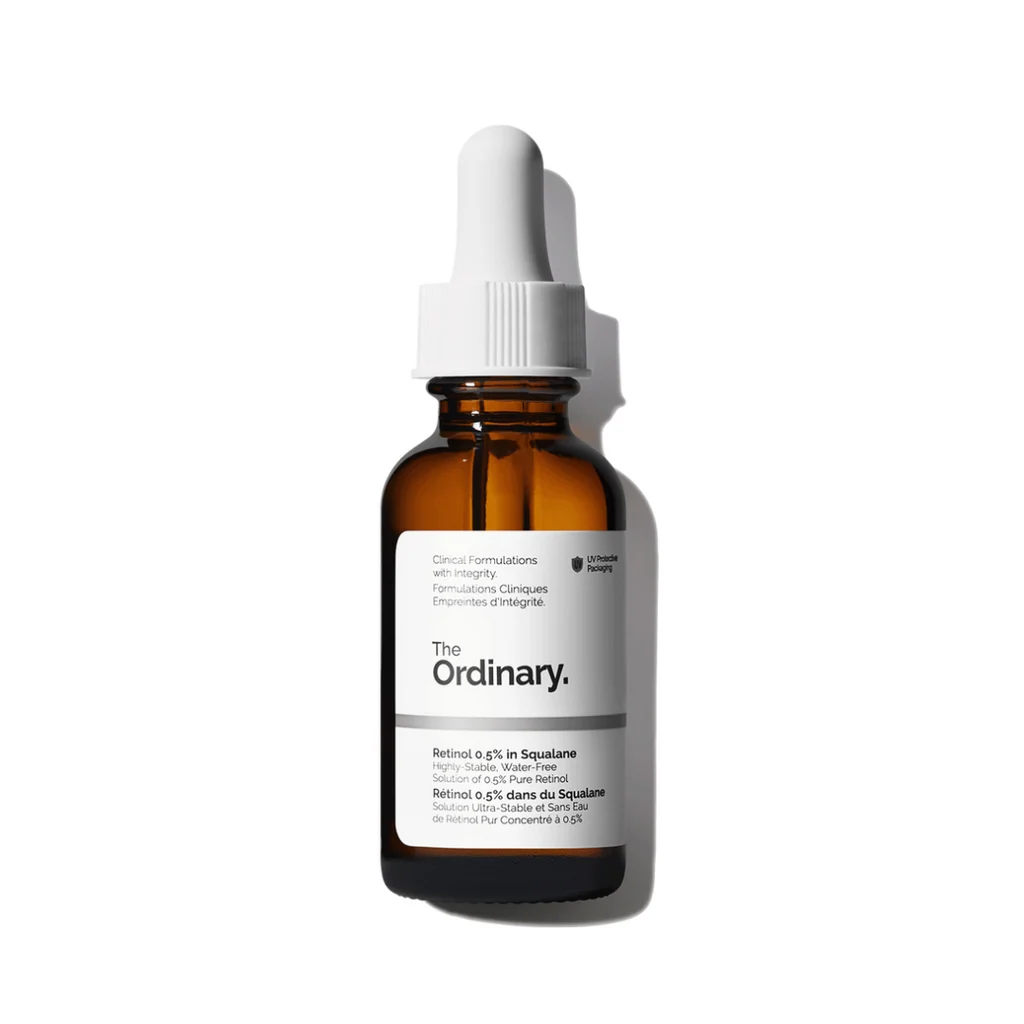
You do not need to start with an expensive retinol. The Ordinary’s Retinol 0.5% in Squalane provides a straightforward way to explore retinol. However, its 0.5% concentration may be more appropriate for someone who has already developed some tolerance. The brand also offers a lower 0.2% concentration for those who want to start more gradually.
If You Want to Explore Retinal
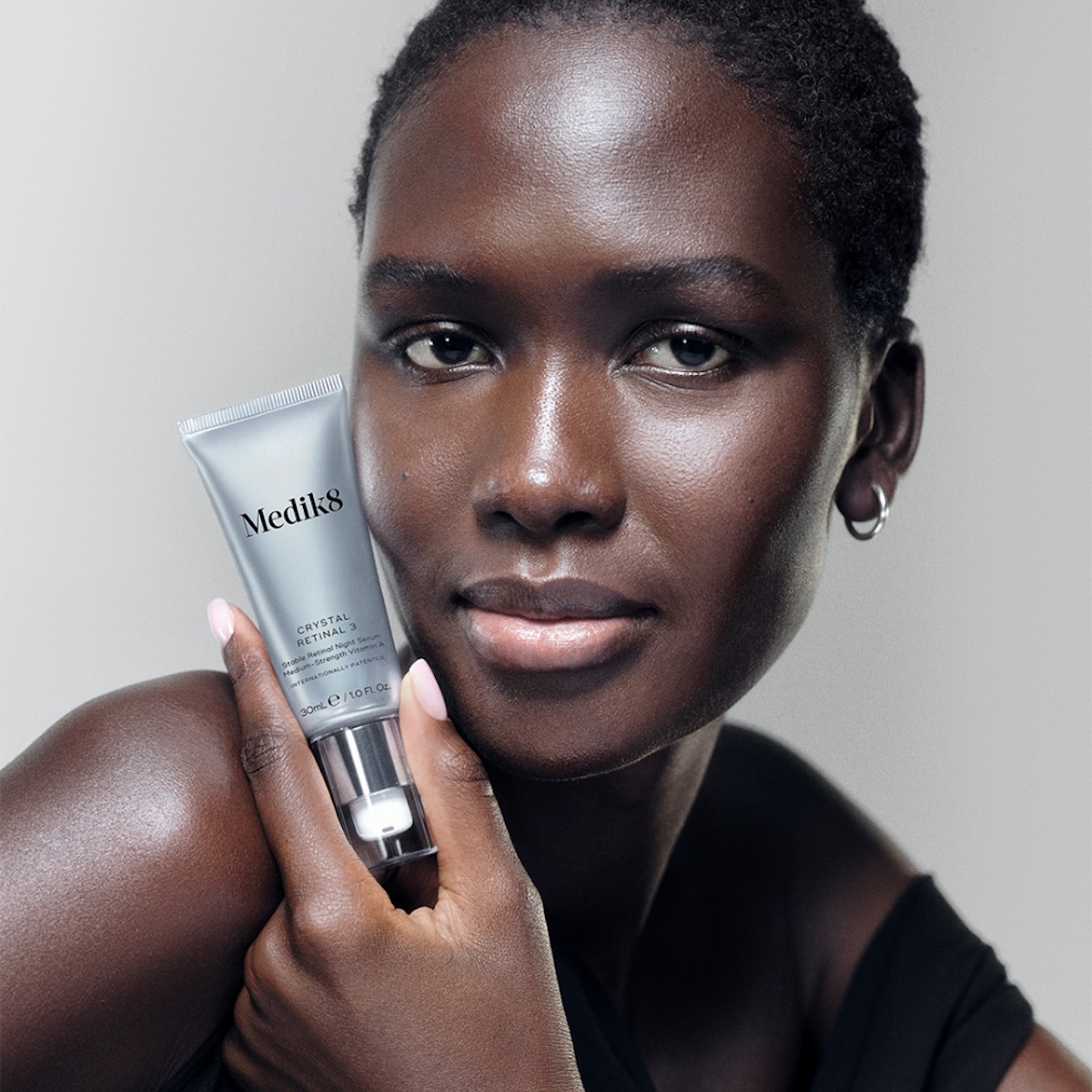
If you are curious about retinal rather than traditional retinol, look for products that clearly state the retinal or retinaldehyde concentration and provide straightforward usage instructions. Medik8’s Crystal Retinal line, for example, uses graduated strengths so users can increase their retinal concentration as their skin becomes accustomed to it.
Here are 10 retinol products—and a few retinal alternatives—to help you build a thoughtful beginner-friendly retinoid routine…
#1. La Roche-Posay Pure Retinol Face Serum
Shop here
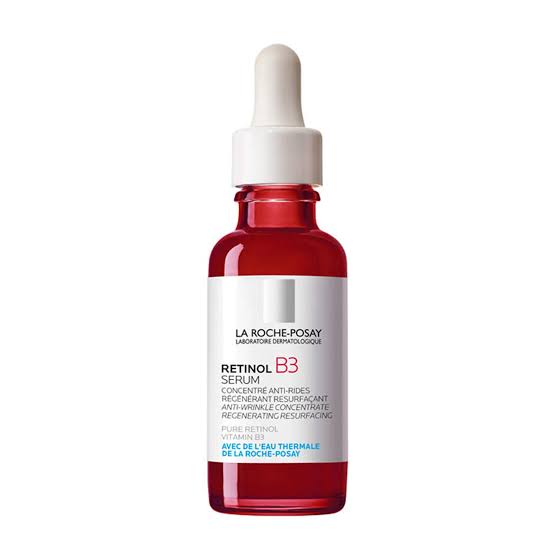
La Roche-Posay takes a measured approach to retinol with a formula that combines pure retinol with gradual-release retinol and vitamin B3. It is designed to address visible signs of aging, including fine lines, deep wrinkles, uneven complexion, and the effects of sun exposure. The gradual delivery system is particularly appealing if you want to introduce retinol without immediately reaching for an aggressive formula. As with any retinoid, daily sunscreen is essential.
#2. CeraVe Resurfacing Retinol Serum
Shop here
For anyone more concerned with texture, pores, and post-acne marks than pronounced signs of aging, CeraVe’s Resurfacing Retinol Serum is an approachable option. It uses encapsulated retinol alongside niacinamide and three essential ceramides, bringing barrier-supporting ingredients into the formula. CeraVe recommends beginning slowly and increasing use as your skin develops tolerance, making it particularly suitable for a cautious introduction to retinol.
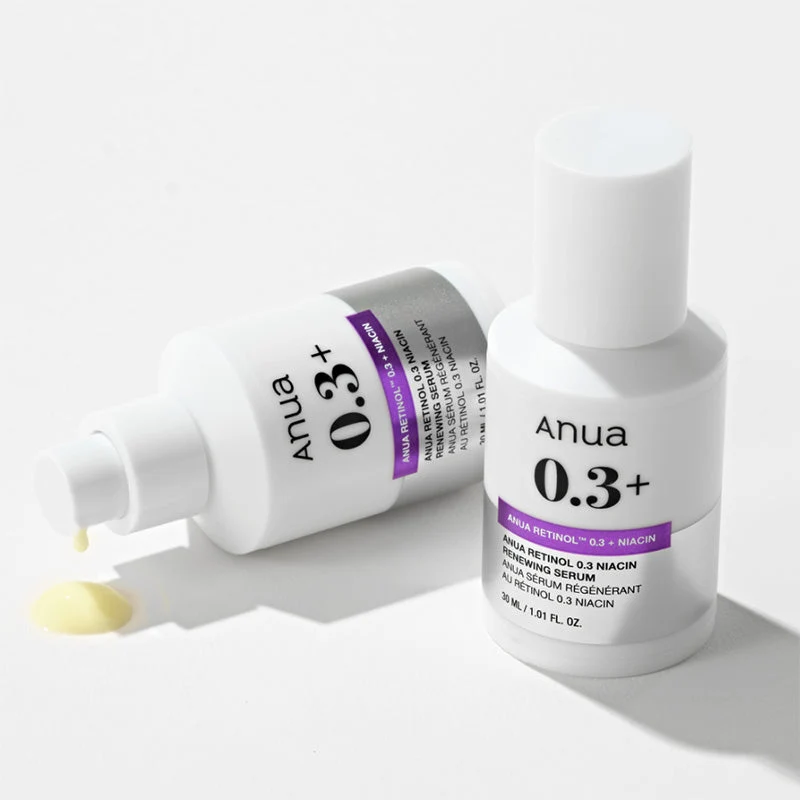
#3. Anua Retinol Serum
Shop here
Anua brings a Korean skincare sensibility to the retinol category with a serum designed to address concerns such as breakouts, clogged pores, and uneven-looking skin. Supporting ingredients give the formula a more comprehensive approach than retinol alone, while the lightweight serum format makes it easy to incorporate into a nighttime routine. If you are new to retinol, start with a small amount and build frequency gradually rather than applying more in hopes of faster results.
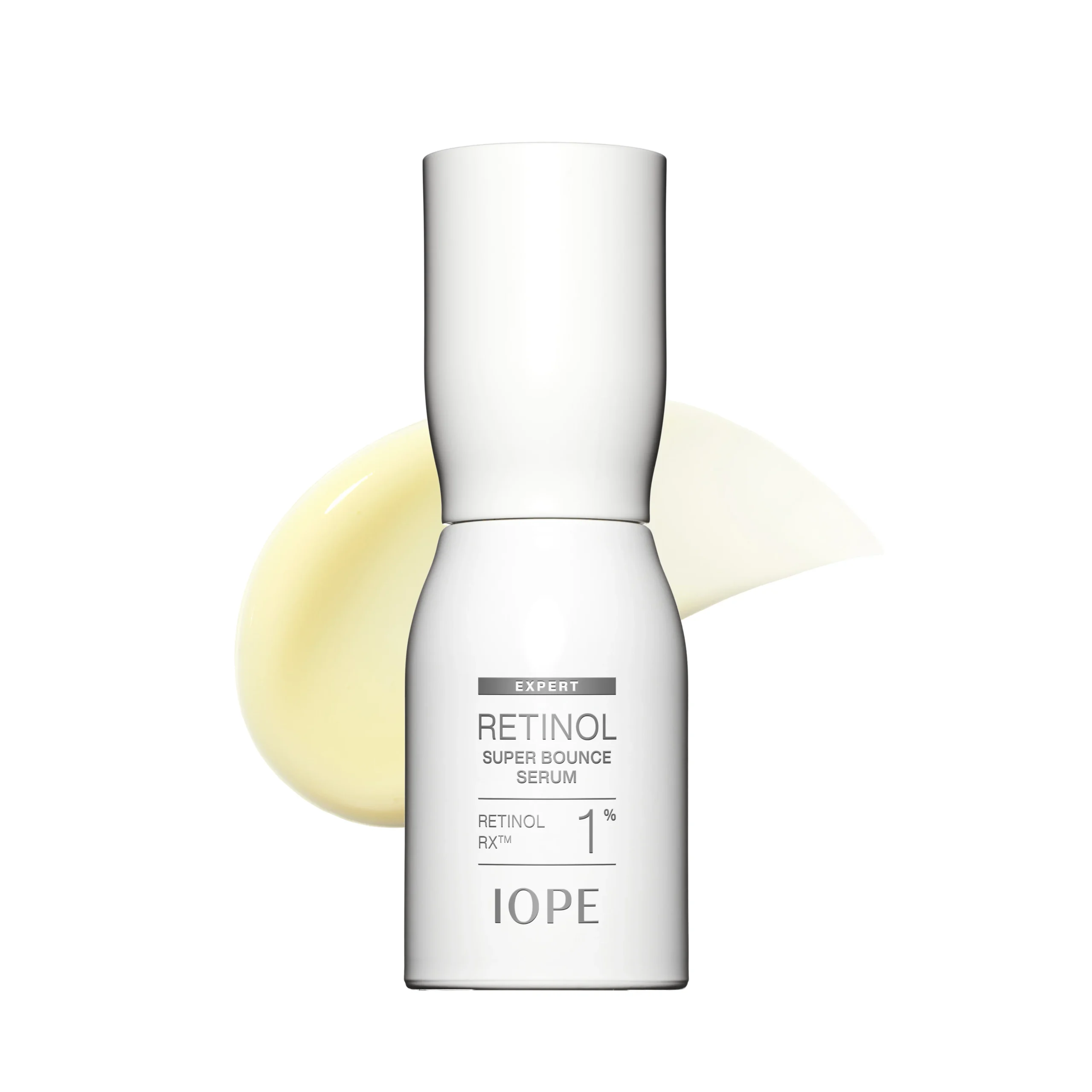
#4. IOPE Retinol Super Bounce Serum
Shop here
IOPE’s Retinol Super Bounce Serum takes a more targeted approach to signs of aging, with a formula designed around skin firmness, density, and the appearance of wrinkles. The brand positions it within a progression of retinol products, making it an interesting option for someone who wants to move beyond the most basic beginner formulas. Follow the product’s current usage instructions and introduce it gradually if your skin is new to retinoids.
#5. The Ordinary Retinol 0.5% in Squalane
Shop here
The Ordinary keeps things relatively straightforward with a water-free formula containing 0.5% retinol in squalane. The concentration makes it a moderate-strength option rather than the gentlest possible starting point, so absolute beginners may prefer to begin with the brand’s lower 0.2% concentration. Squalane gives the formula a nourishing, oil-based texture that can work well for those who prefer a more emollient finish.
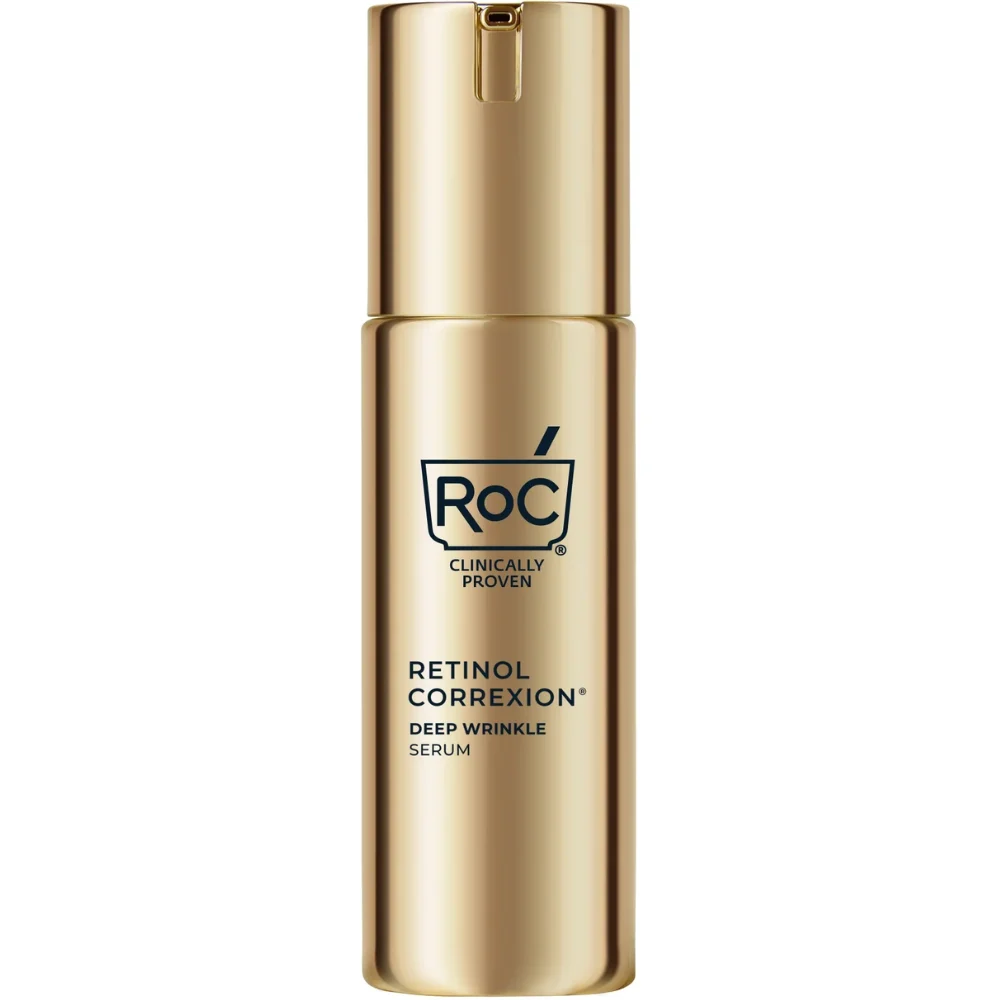
#6. RoC Retinol Correxion Deep Wrinkle Serum
Shop here
RoC has built much of its skincare reputation around retinol, and this serum is aimed squarely at visible signs of aging. It is designed to improve the appearance of deep wrinkles and other texture-related concerns while fitting easily into a nighttime routine. Start slowly, particularly if you have never used retinol before, and follow with moisturizer. Consistent daytime sun protection is equally important when using retinoid products.
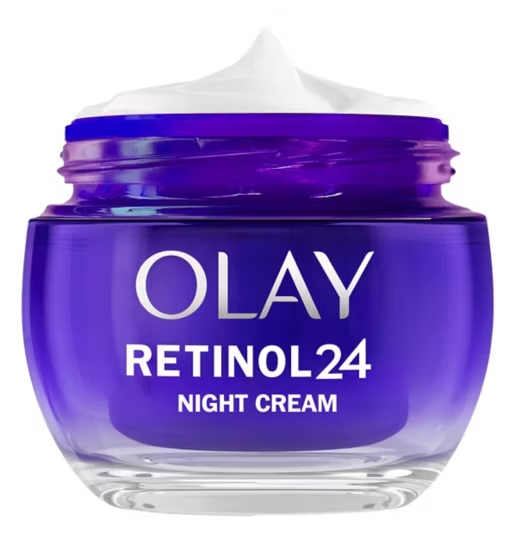
#7. Olay Regenerist Retinol24 + Peptide Night Moisturizer
Shop here
If the idea of adding another serum to your routine feels like one step too many, Olay combines retinol-focused skincare with a nighttime moisturizer. The formula pairs retinoid-focused care with peptides and a moisturizing base, making it appealing for someone who prefers a streamlined routine. A cream format can also be more comfortable for users who find standalone retinol serums too drying, although gradual introduction is still important.
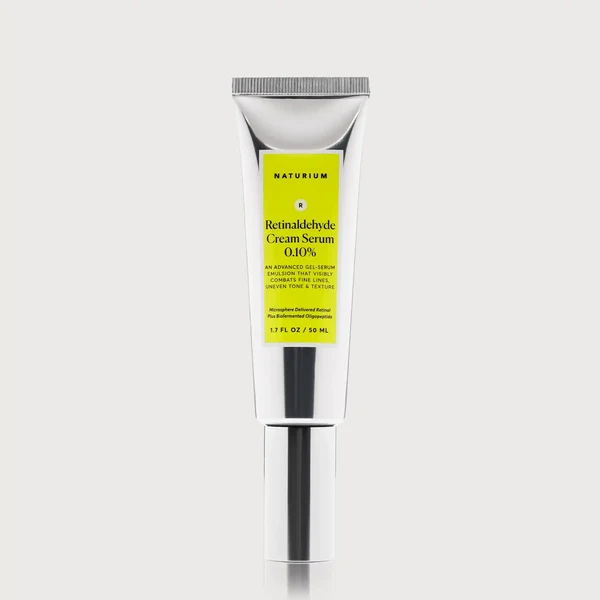
#8. Naturium Retinaldehyde Cream Serum 0.05%
Shop here
If you are curious about retinal, Naturium’s Retinaldehyde Cream Serum offers an opportunity to explore it without treating retinal as simply another version of retinol. The formula contains 0.05% retinaldehyde, a vitamin A derivative that requires one fewer conversion step to reach retinoic acid than retinol does. Its cream-serum texture also makes it an appealing option for anyone who prefers a more nourishing application. Because retinal is still an active retinoid, introduce it gradually rather than assuming it will be irritation-free.
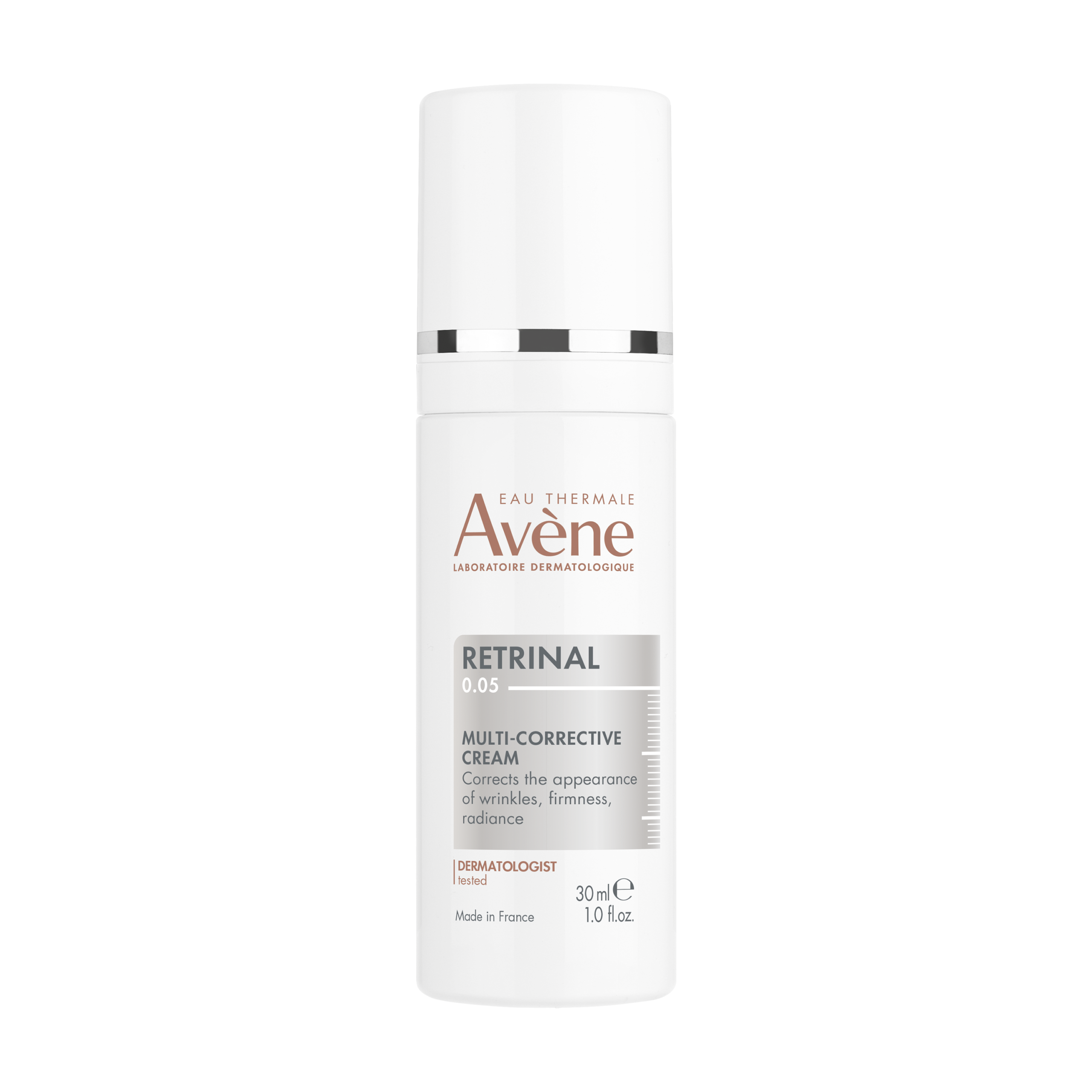
#9. Avène RetrinAL 0.05
Shop here
Avène’s RetrinAL 0.05 is another retinaldehyde option for those who want to explore an alternative to traditional retinol. The 0.05% retinal formula is designed for nighttime use and focuses on visible signs of aging while fitting into a relatively simple skincare routine. Its inclusion here highlights an important point for beginners: choosing a retinoid does not necessarily mean choosing retinol specifically. Retinal can be another route worth considering, provided it is introduced with the same patience and attention to skin tolerance.
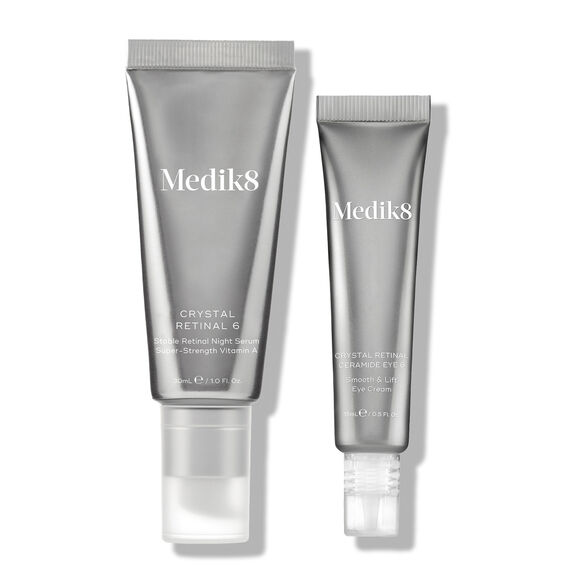
#10. Medik8 Crystal Retinal
Shop here
Medik8’s Crystal Retinal is particularly interesting for beginners because the range is built around graduated retinal strengths. Crystal Retinal 1 is intended for sensitive skin, while Crystal Retinal 3 is positioned as a beginner-level option, with progressively stronger versions available as skin becomes accustomed to retinal. Medik8 recommends starting twice weekly before gradually increasing frequency. This step-up approach makes the range useful for anyone who wants to explore retinal while maintaining control over how quickly their routine progresses.
How Should Beginners Start Using Retinol?
Whether you choose retinol or decide to explore retinal, the same basic principle applies: start slowly.
Rather than applying a retinoid every night from the beginning, start once or twice a week and observe how your skin responds. If your skin remains comfortable, you can gradually increase the frequency. The goal is to establish a routine your skin can tolerate consistently, not to see how quickly you can reach nightly use.
A simple nighttime routine might look like this:
- Gentle cleanser
- Retinol or retinal product
- Moisturizer
If your skin is particularly sensitive, you can apply moisturizer before your retinoid to create a more cushioning routine. Avoid applying retinoids to irritated, peeling, or broken skin, and follow the specific instructions provided with your product.
During the day, make sunscreen a non-negotiable part of your routine. A broad-spectrum SPF can help protect your skin from UV exposure while supporting your broader skincare goals.
Most importantly, irritation is not a sign that a retinoid is “working better.” If your skin is persistently burning, very red, or severely peeling, scale back your routine and give it time to recover.
Your Skin Doesn’t Need a Retinoid Rush

Starting a retinoid is less about finding the strongest formula and more about finding one you can use consistently without overwhelming your skin. Retinol remains one of the most established over-the-counter vitamin A derivatives, but retinal offers another option for those interested in exploring the broader retinoid category.
Whether you choose a gentle retinol serum, a nourishing retinol moisturizer, or a retinal formula with graduated strengths, patience should be part of the routine. Introduce one product at a time, increase frequency gradually, moisturize generously, and protect your skin from the sun during the day.
The goal is not to make your skin work harder. It is to give your retinoid routine enough time to work with your skin—not against it.
Featured image: Medik8