



Wondering how intermittent fasting affects metabolism? This article explores how this eating pattern can impact your body’s energy processes, enhance insulin sensitivity, and support weight management. Discover the key benefits and insights. Beyond its growing popularity, intermittent fasting stands out for its scientifically backed ability to recalibrate the body’s metabolic rhythm, offering a structured way to improve long-term health. As research continues to evolve, it’s becoming increasingly clear that when you eat can be just as influential as what you eat.
What is Intermittent Fasting?
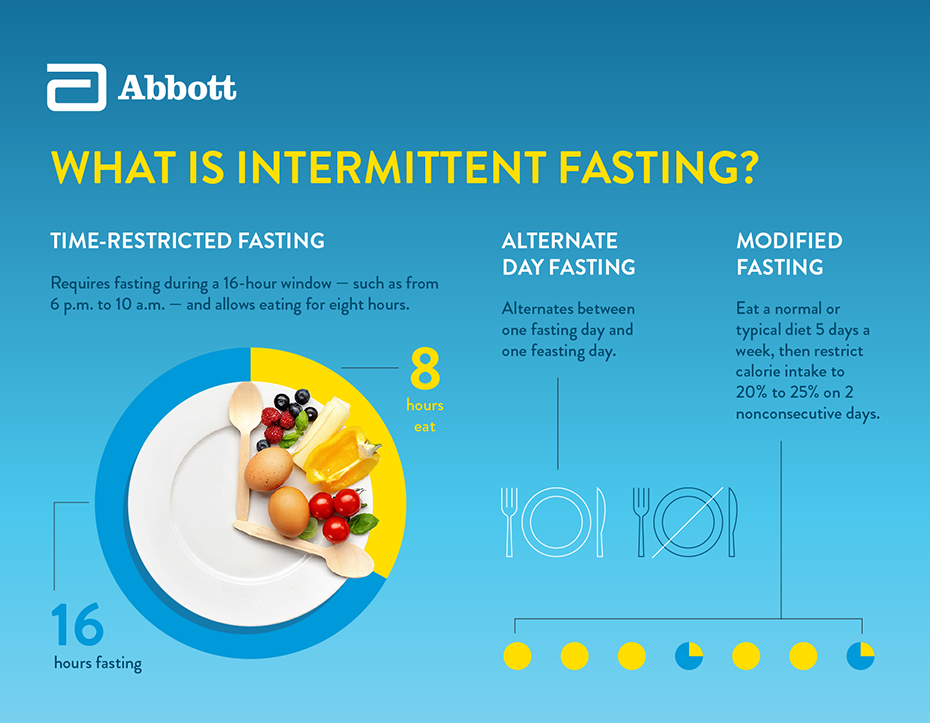
Intermittent fasting is a dietary approach that alternates between periods of eating and fasting, focusing on when to eat rather than what to eat. This intermittent fasting eating pattern involves energy restriction through abstaining from food for specified times, thereby expanding the fasted state by reducing the eating window. Unlike continuous calorie restriction, intermittent fasting doesn’t require day-to-day calorie counting; instead, it targets the timing of food intake.
There are several common forms of intermittent fasting, each with its unique structure and benefits. Daily time-restricted eating is a popular method where food consumption is confined to a specific window, such as eight hours, followed by a 16-hour fasting period—often referred to as the 16:8 plan. Another approach is the 5:2 diet, which involves eating normally for five days of the week and significantly restricting calories on the remaining two days.
Alternate-day fasting is another variant in which individuals switch between days of normal eating and days of severe daily calorie restriction. This method can be particularly effective for weight loss and metabolic health. Each of these intermittent fasting patterns has unique effects on the body, particularly in terms of metabolic health and weight management.
The effects of intermittent fasting extend beyond weight loss. Reducing the eating window can influence various metabolic parameters, including fasting glucose and insulin levels. It can also improve markers of inflammation and enhance overall metabolic flexibility, making it a powerful tool for preventing and managing metabolic diseases. The effect of intermittent fasting on overall health is significant.
Additionally, intermittent fasting aligns with natural circadian rhythms, optimizing metabolic processes. This alignment can lead to improved sleep quality, better energy levels, and enhanced mental clarity.
Overall, intermittent fasting provides a flexible and sustainable approach to better health and longevity.
Benefits of Intermittent Fasting
#1. Metabolic Switching and Fat Oxidation
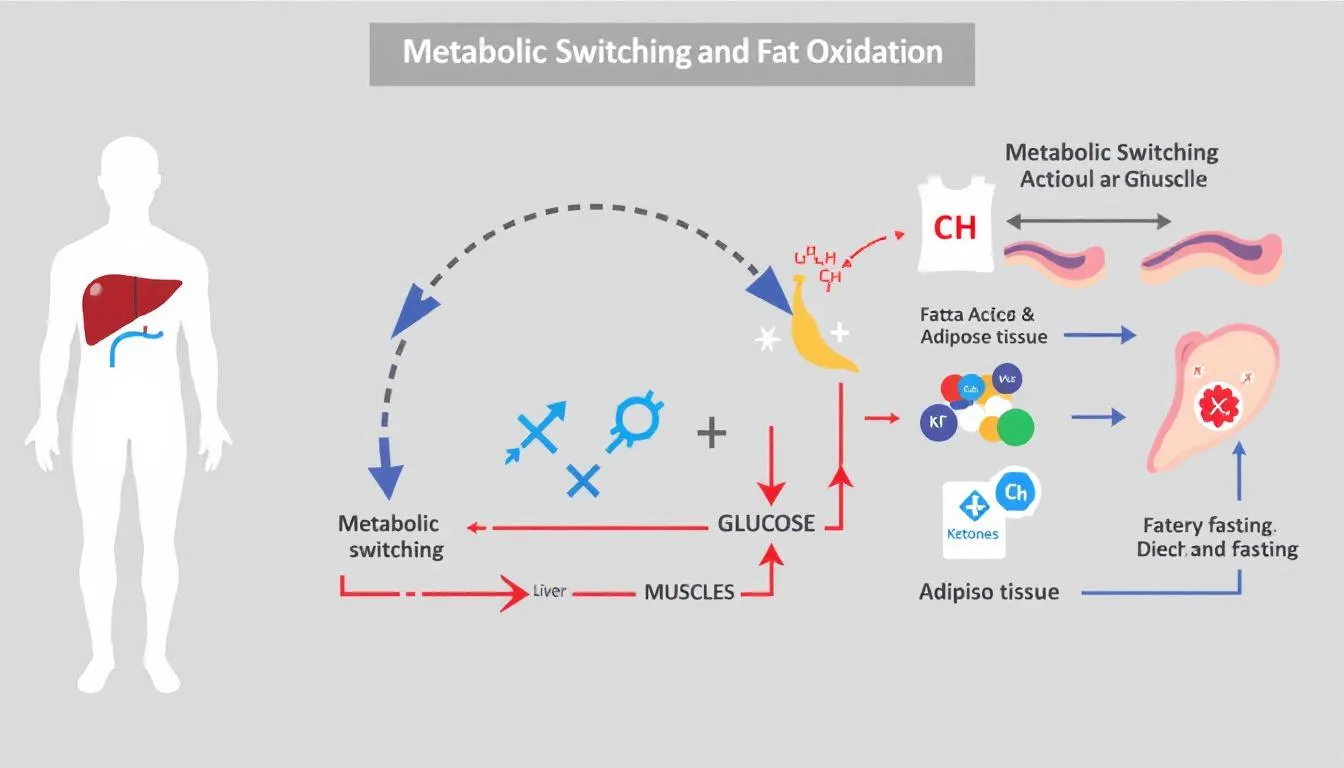
One of the most remarkable aspects of intermittent fasting is its ability to induce metabolic switching, a process where the body transitions from burning glucose to utilizing fat stores for energy. This switch typically occurs between 12 and 36 hours of fasting, as glycogen stores are depleted and the body begins converting triglycerides into free fatty acids and glycerol.
Fatty acid oxidation increases significantly during fasting, with rates rising by approximately 35% after 14 hours. This shift promotes fat loss and enhances metabolic health by reducing reliance on glucose and improving insulin sensitivity. The production of ketone bodies during prolonged fasting further supports this metabolic shift, providing an efficient energy source for both the brain and the body.
Intermittent fasting also has a profound impact on lipid metabolism, promoting adipose tissue breakdown, reducing overall body fat, and improving lipid profiles. This can be particularly beneficial for individuals with metabolic syndrome or those at risk of cardiovascular diseases. The increased fatty acid oxidation and ketone production also support cognitive function and energy levels during fasting.
Moreover, intermittent fasting significantly improves metabolic outcomes by enhancing the body’s ability to switch between glucose and fatty acids, thereby improving metabolic flexibility and energy utilization. This shift helps reduce the risk of metabolic diseases such as type 2 diabetes and supports overall metabolic health.
Apps like the Simple.life, which track individual metabolic responses, reveal that fat-oxidation rates can rise by 20–50% during fasting windows. These insights demonstrate how intermittent fasting can deliver highly personalized benefits, emphasizing the value of understanding your unique metabolic patterns to maximize results.
#2. Hormonal Changes During Fasting
Intermittent fasting triggers a cascade of hormonal changes that play a crucial role in enhancing metabolism and supporting overall health. One of the most significant shifts is the increase in growth hormone levels, which can rise by 3 to 5 times during fasting periods. Growth hormone is essential for fat metabolism, muscle preservation, and metabolic function.
Norepinephrine levels also rise during fasting by approximately 10–15%, helping maintain metabolic rate and supporting fat loss. This increase boosts alertness and energy levels, making it easier to stay active and focused during fasting periods. Together, these hormonal changes strengthen metabolic processes and contribute to the benefits of intermittent fasting.
Improved insulin sensitivity is another key hormonal effect. Reducing fasting insulin levels and enhancing glucose metabolism support better blood sugar control and lower the risk of insulin resistance. These hormonal changes are integral to the positive metabolic outcomes observed with intermittent fasting.
Overall, these hormonal adjustments enhance fat burning, help preserve lean muscle, and contribute to a more balanced hormonal environment. Understanding how these shifts occur makes it clear why intermittent fasting can have such a powerful effect on metabolic well-being.
#3. Insulin Sensitivity and Glucose Metabolism
One of the hallmark benefits of intermittent fasting is its ability to improve insulin sensitivity and glucose metabolism. Research shows that intermittent fasting can reduce fasting insulin levels by approximately 13.25 mU/L, demonstrating its strong impact on metabolic health. Improved insulin sensitivity means that cells respond more effectively to insulin, reducing the risk of insulin resistance and type 2 diabetes.
Intermittent fasting also produces several important effects on blood glucose levels, including:
- An average decrease of 0.15 mmol/L in fasting blood glucose after consistent practice
- Improvement in glycemic control, which is crucial for preventing metabolic diseases and maintaining overall health.
- A 10–15% reduction in fasting glucose after eight weeks of intermittent fasting
- A reduction of 0.31 points in HOMA-IR, indicating improved insulin resistance
These shifts contribute to better glycemic control and improved metabolic outcomes, supporting both weight management and long-term health.
Enhanced glucose metabolism is a key advantage. Promoting glucose utilization and improving insulin sensitivity helps maintain stable blood sugar levels and reduces the risk of metabolic diseases. This makes intermittent fasting a valuable strategy for managing and preventing chronic conditions related to glucose and lipid metabolism.
#4. Effects on Body Composition
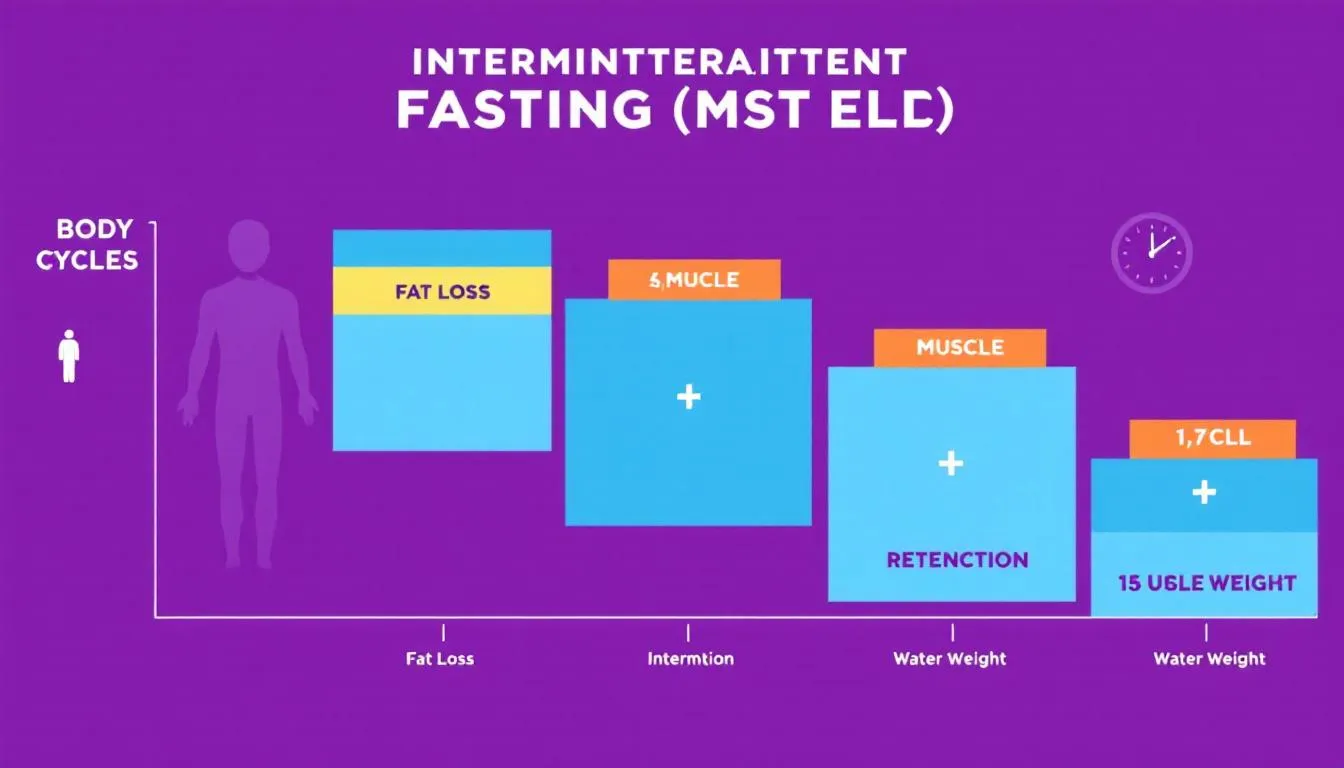
Intermittent fasting has a significant impact on body composition, including:
- Promoting fat loss while preserving lean muscle
- Supporting weight loss of up to 13% in some studies
- Helping maintain muscle mass, which is essential for metabolic health, and preventing muscle wasting
Fat mass reductions are another notable benefit. Participants have reported reductions ranging from 3% to 5.5 kg, with some experiencing even greater changes. This decrease in body fat results from the metabolic switch from glucose to fatty acid utilization, promoting efficient fat burning and sustained weight loss.
Intermittent fasting is also linked to reductions in visceral fat—the harmful fat surrounding internal organs. Visceral fat can decrease by 2–3% per month, significantly lowering the risk of chronic diseases.
Consistent intermittent fasting is associated with continuous weight loss and improvements in body mass index (BMI). Overall, it is generally more effective for weight management than ad libitum dietary intake.
#5. Autophagy and Cellular Repair
Autophagy, a cellular recycling and repair process, begins when cells experience nutrient deprivation or stress. This process can start within 16–24 hours of fasting, making intermittent fasting an effective way to stimulate cellular repair.
Autophagy supports cellular health by recycling damaged components and enhancing cell survival during stress. Research indicates that around 70% of individuals can detect markers of autophagy after fasting for 16–18 hours, highlighting its substantial impact.
This process not only supports cellular repair but also enhances overall metabolic health by preventing the accumulation of damaged cellular material. Autophagy is crucial for longevity and protecting against age-related diseases.
#6. Impact on Mitochondrial Function
Intermittent fasting enhances mitochondrial efficiency, improving cellular energy production. Consistent fasting for 30 days or more can increase mitochondrial efficiency by an average of 15%. This improvement supports higher energy levels, better cognitive function, and overall improved metabolic health.
Metabolic flexibility, your body’s ability to switch between glucose and fatty acids for energy, is also enhanced. This flexibility is vital for efficient energy utilization and metabolic stability.
Improved mitochondrial function is a key contributor to the positive metabolic outcomes associated with intermittent fasting and may help reduce the risk of metabolic diseases.
#7. Cardiovascular Health Benefits
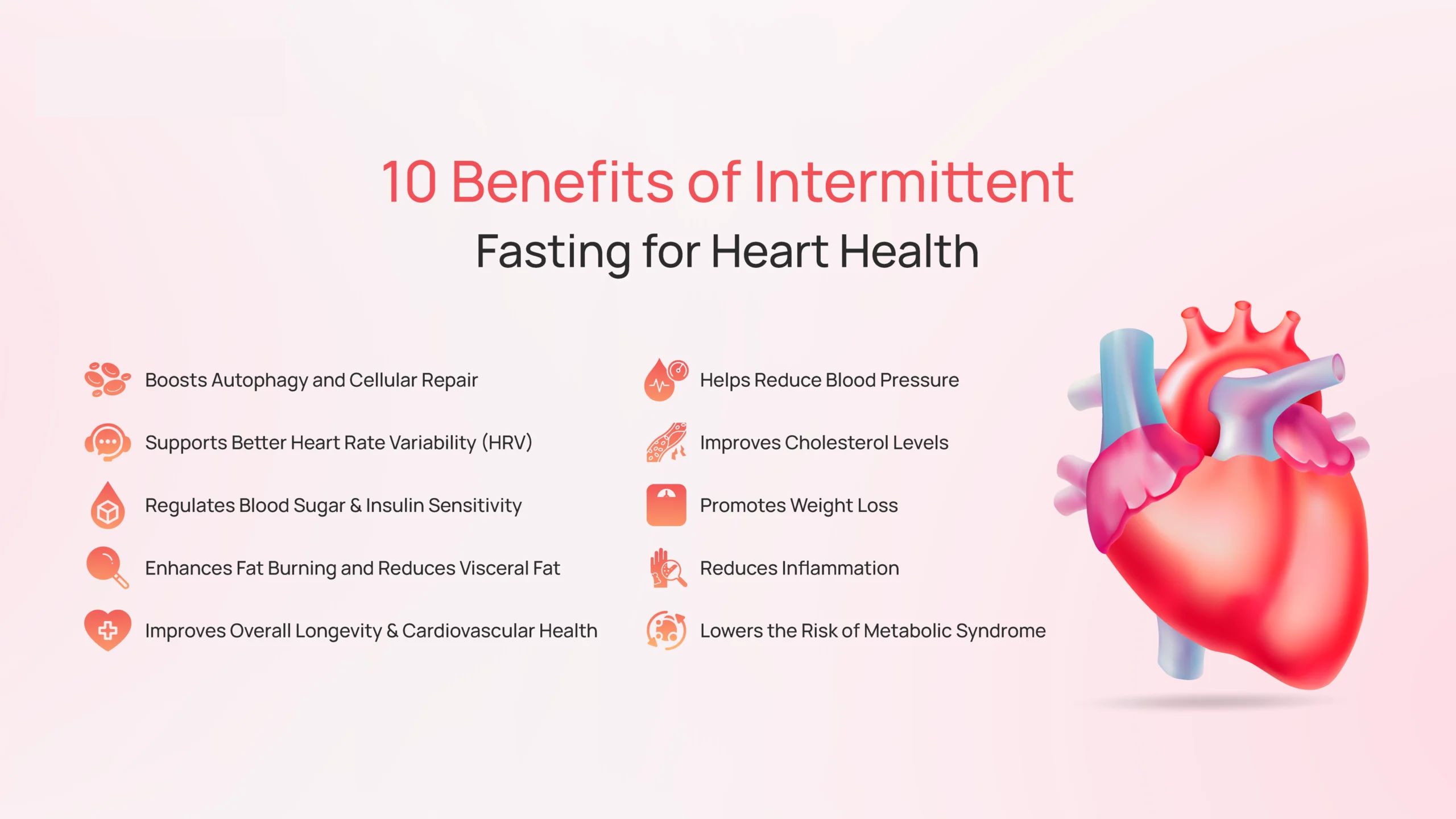
Intermittent fasting offers several cardiovascular benefits, including improvements in lipid profiles and reductions in inflammatory markers. Fasting has been shown to reduce total cholesterol, triglycerides, and LDL levels, which contribute to better heart health.
Fasting also effectively lowers cardiovascular risk across diverse populations by improving cardiometabolic risk factors. The reduction in inflammation associated with cardiovascular disease further supports these heart-protective effects.
A growing body of research and clinical trials highlights the cardiovascular benefits of intermittent fasting, reinforcing its potential as an effective strategy for improving long-term heart health.
Potential Downsides and Considerations
While intermittent fasting offers many benefits, potential downsides and challenges should be considered. Initial adjustments can lead to symptoms such as:
- Hunger
- Irritability
- Fatigue
- Dizziness
These symptoms typically subside as the body adapts.
Incorporating resistance training can help minimize muscle mass loss during intermittent fasting. Combining fasting with exercise supports lean muscle preservation and overall metabolic health. Without adequate training or protein intake, however, some individuals may lose lean muscle mass.
Individuals on antidiabetic medications should exercise caution, as the risk of severe hypoglycemia increases. Consulting a healthcare professional before starting intermittent fasting is essential, especially for those with underlying health conditions.
Practical Tips for Successful Intermittent Fasting
To successfully implement intermittent fasting, consider the following strategies:
- Align meals with circadian rhythms to enhance metabolic benefits
- Track non-scale victories, such as improved energy or better sleep. Use apps like Simple.life for personalized guidance and progress tracking
- Ease in gradually by starting with shorter fasting periods and extending them over time
These tips can help make fasting more sustainable and maximize its benefits.
Summary
Intermittent fasting provides a distinctive and effective way to enhance metabolic health, promote fat loss, and improve overall well-being. By focusing on when to eat rather than what to eat, IF offers a flexible, sustainable approach to health. The benefits extend beyond weight loss, supporting improved insulin sensitivity, enhanced mitochondrial function, and better cardiovascular health.
The scientific insights and practical tips outlined in this article highlight intermittent fasting’s potential to transform health and wellness. Understanding how these mechanisms work enables individuals to make informed decisions and incorporate intermittent fasting in a way that aligns with their goals.
Intermittent fasting is more than a dietary trend. It is a powerful tool for promoting longevity and better metabolic health. By incorporating IF into daily routines, individuals can unlock the numerous health benefits and achieve a better quality of life.
Frequently Asked Questions
#1. How long does it take for intermittent fasting to show results?
Intermittent fasting can lead to noticeable changes in energy levels and mental clarity within a few days, while significant weight loss and metabolic improvements typically take several weeks or months of consistent adherence.
#2. Can intermittent fasting help with insulin resistance?
Yes. Intermittent fasting significantly improves insulin sensitivity and reduces insulin resistance, as shown by decreases in fasting insulin levels and HOMA-IR scores. This approach has a positive impact on glucose metabolism and overall metabolic health.
#3. What are the common forms of intermittent fasting?
Common forms include the 16:8 method, the 5:2 diet, and alternate-day fasting. Each offers a distinct structure that can be adjusted to individual preferences.
#4. Are there any potential side effects of intermittent fasting?
Some individuals may experience hunger, irritability, fatigue, or dizziness at first, but these symptoms usually fade as the body adapts. Hydration and proper guidance from healthcare professionals are recommended, especially for individuals with pre-existing health conditions.
#5. How can I make intermittent fasting more effective?
Align your meals with circadian rhythms, ease into fasting gradually, and track your progress. Additionally, consider tracking your progress and using apps to provide personalized guidance and support.
Key Takeaways
- Intermittent fasting improves metabolic health by inducing metabolic switching, enhancing fat oxidation, and promoting insulin sensitivity.
- It supports hormonal changes that aid fat loss, preserve muscle, and improve energy levels.
- While highly beneficial, intermittent fasting may cause temporary discomfort and should be approached with caution, especially for individuals with underlying health conditions.
Featured Image: Daniel Tamas Mehes/iStock
Medical Disclaimer
All content found on the StyleRave.com website, including text, images, audio, video, and other formats, is created for informational purposes only. The content is not intended to be a substitute for professional medical advice, diagnosis, or treatment. If you think you may have a medical emergency, please call your doctor, go to the nearest hospital, or call 911 immediately, depending on your condition.
—Read also