
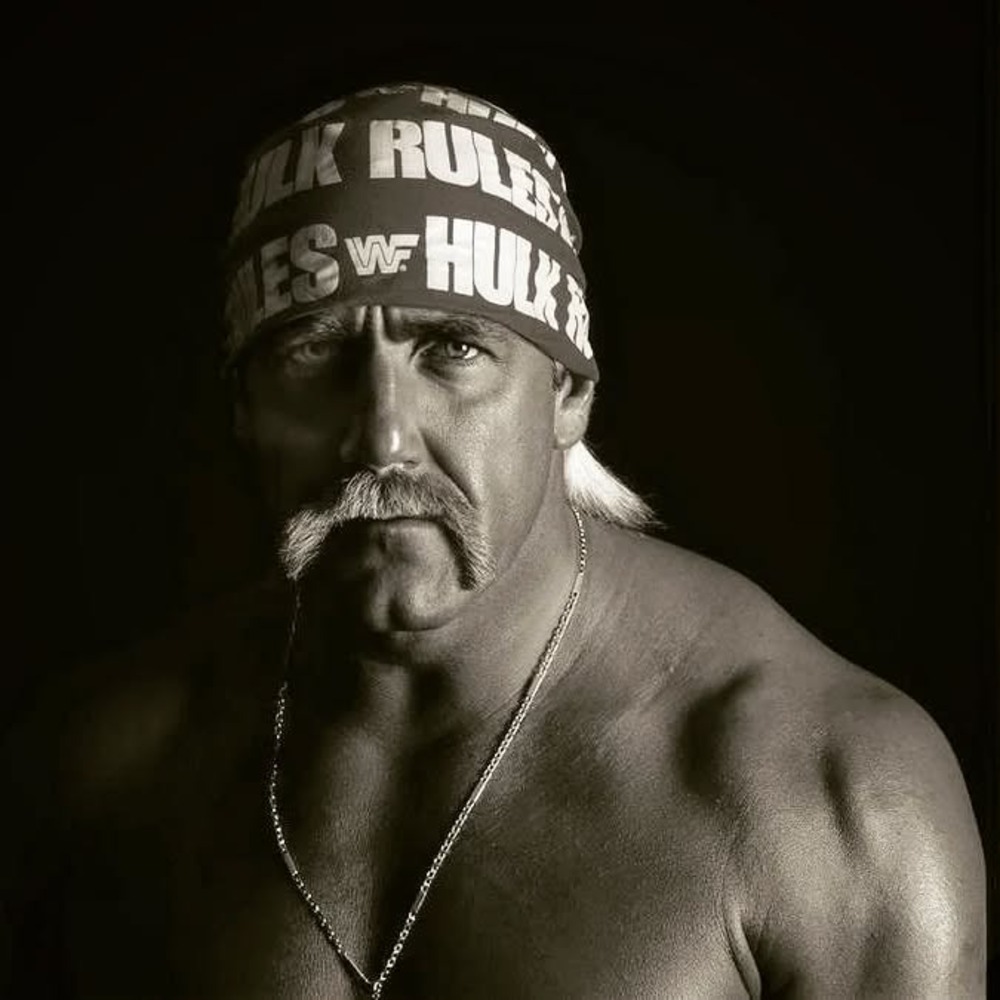

Hulk Hogan, the larger-than-life figure who helped catapult professional wrestling into a global phenomenon, passed away on July 24 at the age of 71. The wrestling icon died suddenly at his home in Clearwater, Florida, after suffering cardiac arrest. Although emergency responders arrived quickly and made extensive efforts to revive him, Hogan was pronounced dead shortly after at a nearby hospital.
In the wake of his passing, WWE expressed profound sorrow over the loss of one of its most influential stars. In an official statement, the company said: “WWE is saddened to learn WWE Hall of Famer Hulk Hogan has passed away. As one of pop culture’s most recognizable figures, Hogan helped WWE achieve worldwide prominence in the 1980s. We extend our deepest condolences to his family, friends, and fans.”
The Rise of Hulkamania
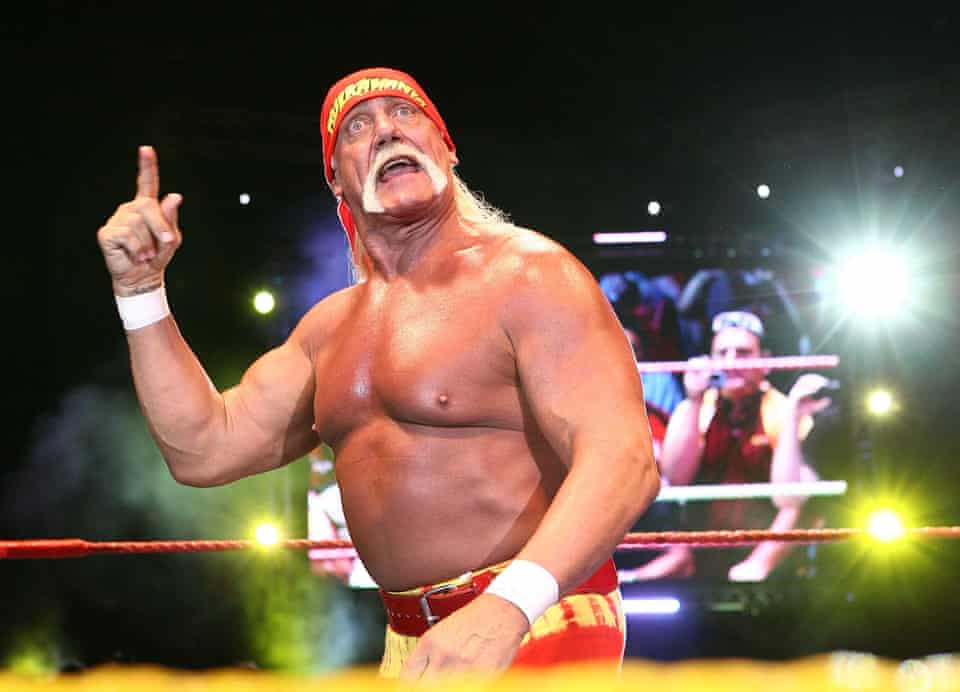
Photo: Paul Kane/Getty Images
Born Terry Gene Bollea on August 11, 1953, Hulk Hogan’s journey to superstardom began far from the flashing lights of the wrestling ring. Raised in Georgia and later drawn to Florida by a deep-rooted passion for athletics, Bollea first pursued weightlifting before pivoting to professional wrestling. Under the rigorous guidance of Japanese wrestling legend Hiro Matsuda, he honed his skills and made his in-ring debut in 1977, performing in regional circuits under monikers like The Super Destroyer and Terry Boulder.
But it was in 1983 that everything changed. After signing with Vince McMahon’s World Wrestling Federation (then WWF, now WWE), Bollea was rebranded as Hulk Hogan—and the legend was born. Just a year later, in January 1984, he claimed his first WWF Championship by defeating The Iron Sheik at Madison Square Garden. The victory wasn’t just a title win. It was the birth of Hulkamania, a pop culture movement that would define an era.

From that moment forward, Hogan’s popularity soared. The WWF, recognizing his mass appeal, began embedding itself into mainstream pop culture through high-profile media tie-ins such as Saturday Night’s Main Event and MTV’s Rock ’n’ Wrestling Connection. These appearances helped blur the lines between sports entertainment and pop culture, and at the center of it all was Hogan. Clad in his signature red-and-yellow gear, sporting a distinctive handlebar mustache, and delivering catchphrases like “Train, say your prayers, eat your vitamins,” Hogan quickly became one of the most recognizable figures of the 1980s.
Hulk Hogan: Wrestling’s Biggest Star
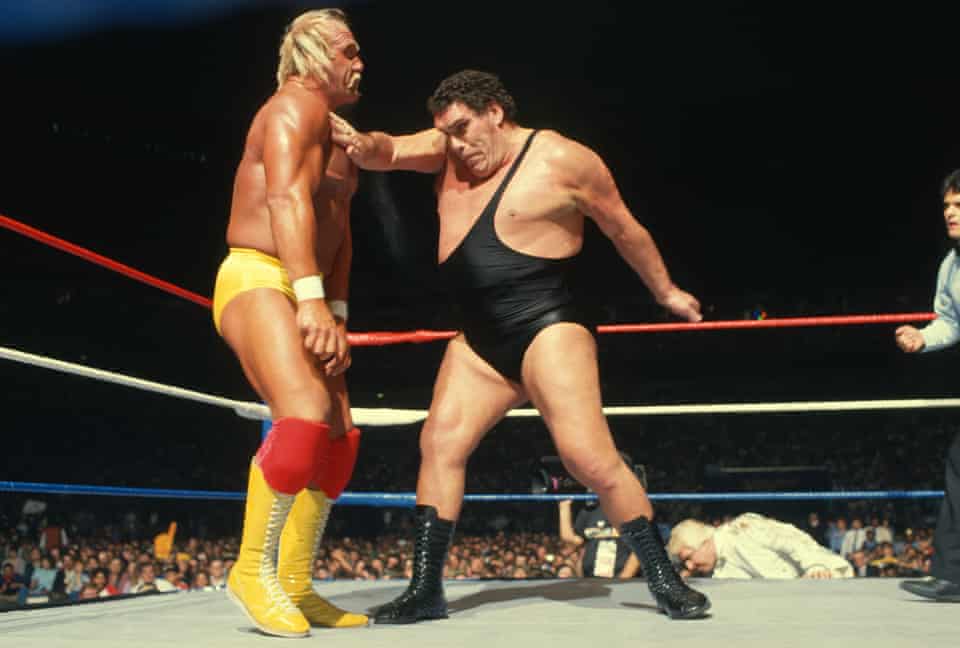
Photo: WWE/Getty Images
Hulk Hogan headlined eight of the first nine WrestleMania events, playing a pivotal role in transforming professional wrestling into the global, stadium-filling spectacle it is today. His matches routinely sold out arenas, none more iconic than WrestleMania III at the Pontiac Silverdome, which drew a record-breaking crowd of over 93,000 fans. Perhaps even more impressive, his 1988 televised showdown with André the Giant drew a staggering 15.2 Nielsen rating—translating to more than 33 million viewers—making it one of the most-watched wrestling matches in history.

Throughout his storied career, Hogan captured the WWF Championship six times, including one historic reign that lasted an astonishing 1,474 days—the second-longest in WWE history. He also became the first wrestler to win consecutive Royal Rumble matches, achieving back-to-back victories in 1990 and 1991. His unforgettable rivalries—with Roddy Piper, Ultimate Warrior, and Randy Savage—fueled wrestling’s most electrifying storylines and helped define an entire era.
In the end, Hogan was more than just a top-tier performer. He was the face of wrestling’s golden age and its most enduring icon.
Hollywood Hogan and the New World Order

In the mid-1990s, Hulk Hogan made one of the most shocking and transformative moves in wrestling history: he turned heel. Rebranding himself as Hollywood Hogan, he jumped to WCW and co-founded the notorious New World Order (nWo) alongside Kevin Nash and Scott Hall. The move electrified the industry, helping to redefine Hogan’s persona and breathe new life into professional wrestling during the fierce Monday Night Wars. As the face of the nWo, Hogan remained at the top of his game, capturing multiple WCW World Championship titles and proving his adaptability across eras.

Then, in 2002, Hogan made a dramatic return to WWE following the company’s acquisition of WCW. That same year, he faced The Rock at WrestleMania X‑8 in a generational showdown that remains one of the most iconic moments in wrestling history. It symbolized the passing of the torch while reigniting Hulkamania for a new audience.
In recognition of his unparalleled influence, Hogan was inducted into the WWE Hall of Fame twice: first in 2005 as a solo legend, and again in 2020 as a founding member of the nWo. These honors not only celebrated his legacy but also cemented his status as one of the most impactful and enduring figures in the history of sports entertainment.
Crossover Star: Hollywood, TV, and Reality Fame

Hogan’s dominance in the ring eventually opened doors in Hollywood. He made a memorable big-screen debut as Thunderlips in Rocky III, which led to leading roles in films like No Holds Barred, Suburban Commando, and Mr. Nanny. On television, he made guest appearances on popular shows including Baywatch, The A-Team, and Robot Chicken. From 2005 to 2007, he starred in the VH1 reality series Hogan Knows Best, which offered a glimpse into his home life with then-wife Linda and their children, further cementing his status as a household name.
Even in his final year, Hogan remained deeply involved in wrestling culture. In January 2025, he appeared live during WWE’s historic Raw debut on Netflix. Beyond the spotlight, he also launched two entrepreneurial ventures: Real American Beer and Real American Freestyle, an amateur-to-pro wrestling league he co-founded. The league’s inaugural broadcast, set for August 30, aims to honor Hogan’s legacy through community-driven storytelling, according to co-founder Chad Bronstein.
Battles Outside the Ring: Lawsuits and Controversies
Though widely revered as a wrestling icon, Hulk Hogan’s legacy was not without controversy. In 2015, a racially charged rant surfaced publicly, prompting WWE to sever ties with him and remove his honors from the Hall of Fame. The backlash was swift and significant, damaging his reputation and casting a long shadow over his contributions to the sport. Over time, however, Hogan issued multiple public apologies and engaged in what he described as a period of reflection. In 2020, WWE reinstated him into the Hall of Fame, a decision that stirred both support and criticism.
Around the same period, Hogan faced another major scandal. A leaked sex tape published by Gawker Media led to a high-profile invasion of privacy and defamation lawsuit. Hogan ultimately won the case, securing a substantial financial settlement. The lawsuit, secretly funded by tech billionaire Peter Thiel, played a key role in driving Gawker Media into bankruptcy and permanently shutting down the site.
Even in his final public appearances, the controversy surrounding Hogan lingered. When he appeared at WWE’s Netflix Raw debut in early 2025, reactions were mixed: longtime fans offered cheers, while younger audiences responded with boos. It was a moment that reflected the complexity of his legacy—a towering figure in wrestling history, whose influence was undeniable, yet whose public image remained deeply polarizing. In the end, Hogan’s story is one of both cultural triumph and personal reckoning.
Health Struggles and Final Days
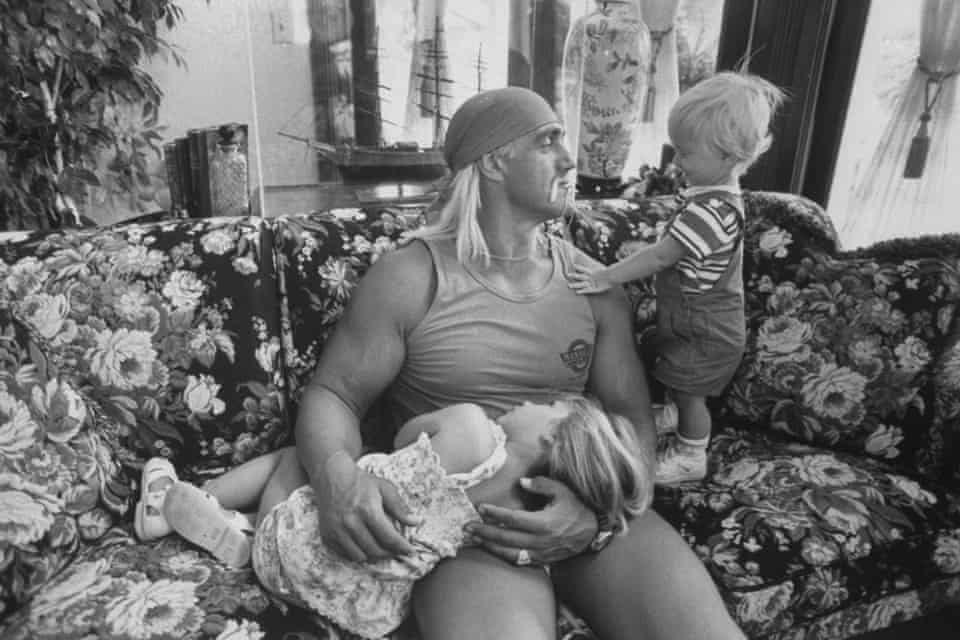
Years of punishing physicality in the ring inevitably took their toll. Over the last decade, Hogan endured more than 25 surgeries, including multiple knee, hip, and shoulder replacements, as his body bore the weight of decades spent entertaining millions. Most recently, in May 2025, he underwent a significant four-level cervical neck surgery. According to Us Weekly and his wife, Sky Daily, Hogan was said to be recovering well at the time, with a “strong heart” and unwavering spirit.
Hulk Hogan’s passing marks a profound loss. Not just for professional wrestling, but for popular culture as a whole. He was more than a performer; he was a symbol of an era, a larger-than-life presence who redefined what it meant to be a superstar.
May his soul rest in peace.
Featured image: @hulkhogan/Instagram
For the latest in fashion, lifestyle, and culture, follow us on Instagram @StyleRave_
—Read also