

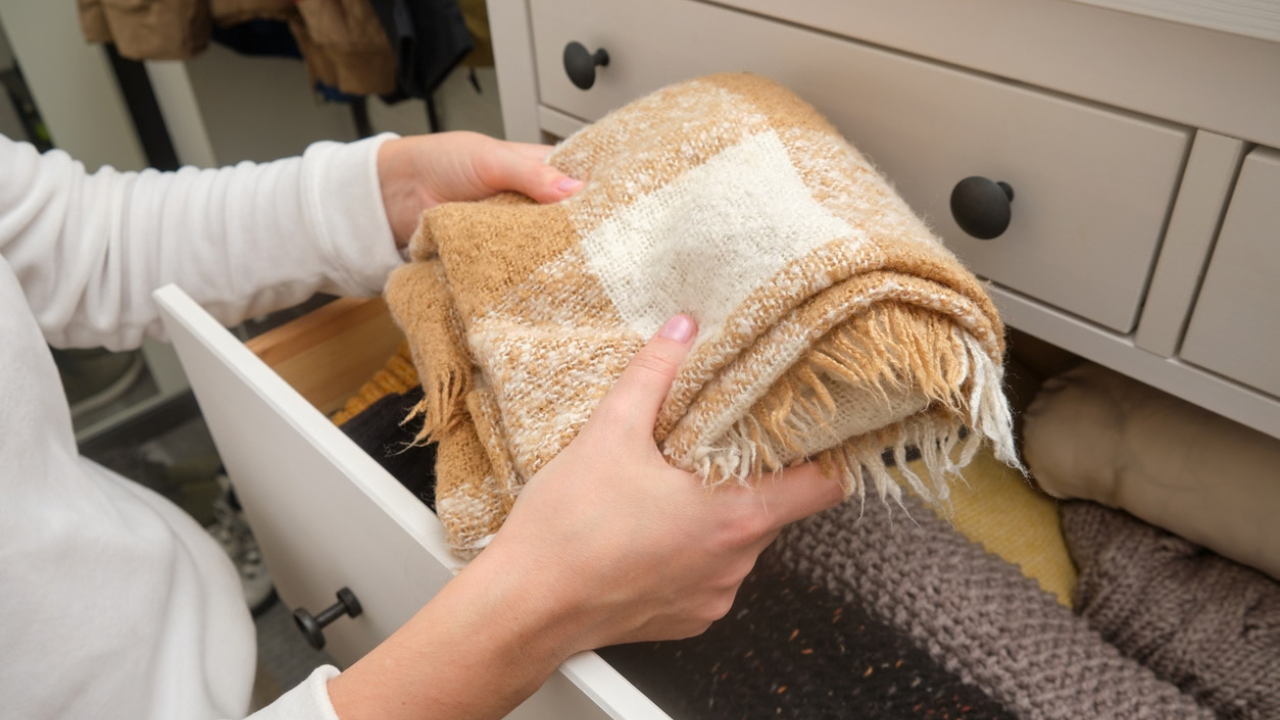

A scarf can transform a simple outfit in seconds, but pulling one from a drawer only to discover deep creases can quickly spoil the look. Knowing how to store scarves properly is especially important for delicate fabrics such as silk, satin, cashmere, and lightweight blends, which can wrinkle or lose their shape under pressure. The right folding method is simple, but it takes more care than squeezing every scarf into a tight square and stacking them in a drawer.
The best approach also depends on the fabric and finish. Thick wool can withstand more pressure, while embellished scarves need extra room to prevent beads, sequins, or embroidery from pressing into the material. Store each style with those details in mind, and your collection can stay organized, accessible, and ready to wear with fewer stubborn wrinkles.
A good scarf storage system should do more than save space. It should protect the fabric, make individual pieces easy to find, and keep them in a condition that means you can reach for them without having to iron or steam them first.
So, what is the best way to store scarves without wrinkling them?
#1. Fold Scarves Loosely
Knowing how to store scarves starts with avoiding tight folds that leave sharp lines in the fabric. Lay the scarf flat, smooth out any wrinkles with your hands, and then fold it lengthwise before making one or two relaxed folds across the middle.
Skip the urge to press the fabric down to save space. Heavy pressure can leave lasting creases, especially on silk and satin, so give each scarf enough room to keep its natural shape.
For larger scarves, consider folding them only as much as necessary to fit comfortably in their storage space. The goal is a soft fold rather than a sharply pressed rectangle.
#2. Roll Delicate Scarves When Suitable
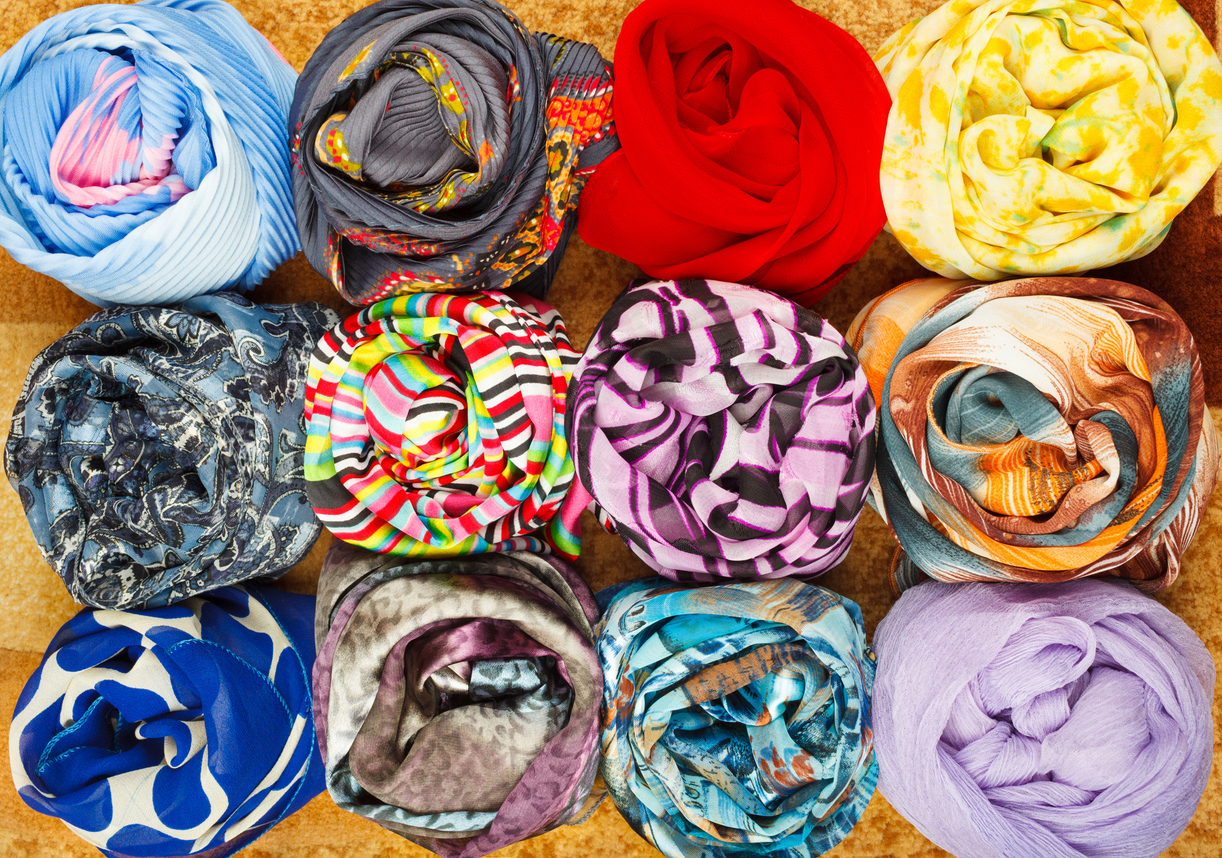
Silk and other lightweight fabrics can develop stubborn fold lines when left in the same position for months. Gently rolling them can be a better option than making several sharp folds.
Lay the scarf flat and roll it loosely from one end to the other, keeping the fabric smooth as you go. This also works well for travel, particularly when you want to avoid adding unnecessary creases to a delicate scarf.
However, heavily embellished scarves should stay flat so beads and raised details do not catch or press into the fabric. If a scarf has delicate embroidery, sequins, or three-dimensional embellishment, prioritize space over compact storage.
Shop editor’s edit
#3. Use Tissue Paper for Delicate Pieces
Vintage scarves, fine silk, and embroidered designs can benefit from a layer of acid-free tissue paper. Place the tissue between major folds to create a soft barrier and reduce pressure on the fabric.
Keep the folded scarf loose inside a drawer or breathable storage box. Avoid colored tissue paper, newspaper, and other materials that could transfer dye or chemicals onto delicate fabrics.
Acid-free tissue is particularly useful when storing pieces for longer periods because it creates separation without introducing rough surfaces that could snag fine materials. For vintage scarves, this extra layer of protection is a simple step worth taking.
Shop editor’s choice
#4. Give Scarves Enough Room
An overstuffed drawer can create wrinkles without you noticing. When scarves are packed tightly together, they press against one another and can develop deep creases.
Sort your collection by fabric, color, or how often you wear each piece. Keep stacks low enough to remove one scarf without disturbing the rest. This also makes it easier to find what you want.
If you have a large collection, consider separating everyday scarves from special-occasion or vintage pieces. The scarves you wear regularly should be easy to reach, while delicate or rarely worn designs can have their own protected space.
#5. Use Drawer Dividers
Drawer dividers and shallow fabric boxes can stop scarves from sliding into tangled piles. Choose compartments that let each piece sit comfortably instead of forcing it into a narrow space.
Individual sections work well for silk squares and smaller scarves, while wider compartments can accommodate thicker cashmere and wool styles without compressing them.
Dividers are particularly useful if you tend to reach for several scarves at once. Rather than disturbing an entire stack, you can simply lift out the piece you want and leave the rest neatly in place.
Shop editor’s selection
#6. Hang Bulky Scarves Carefully
Heavier scarves can be hung, but thin wire hangers and narrow clips can create pressure points or marks. A wide padded hanger or scarf organizer with broad supports is a better option.
Fold thicker scarves over the hanger bar rather than hanging them from one corner. This helps distribute the weight and reduces the chance of stretching.
Hanging can be especially practical for bulky wool or winter scarves that take up considerable drawer space. Just make sure the support is broad enough that the weight is distributed evenly rather than concentrated along one narrow edge.
Shop editor’s finds
#7. Keep Scarves Away From Damp Areas
Store scarves in a clean, dry space away from bathroom humidity, direct sunlight, and trapped moisture. Before putting one away after wearing it, allow perfume, body oils, and outdoor moisture to dissipate, then make sure the fabric is completely dry.
This small habit can help prevent unwanted odors and marks, especially on delicate materials. It is also worth avoiding sealed plastic storage for long-term storage unless the material is specifically designed for fabric preservation, as breathable storage is generally preferable for many textiles.
#8. Keep Scarves Out From Under Heavy Clothing
Placing scarves beneath thick sweaters or other dense clothing can leave them compressed for long periods. Instead, keep lighter scarves near the top of a drawer or give them their own compartment.
This matters most for silk, satin, and thin woven fabrics, which can hold strong fold lines after prolonged pressure.
Think of your scarves as accessories rather than spare pieces of fabric. Giving them a dedicated space prevents them from becoming buried under heavier clothing and makes it much easier to keep your collection in good condition.
The Best Way to Keep Scarves Wrinkle-Free
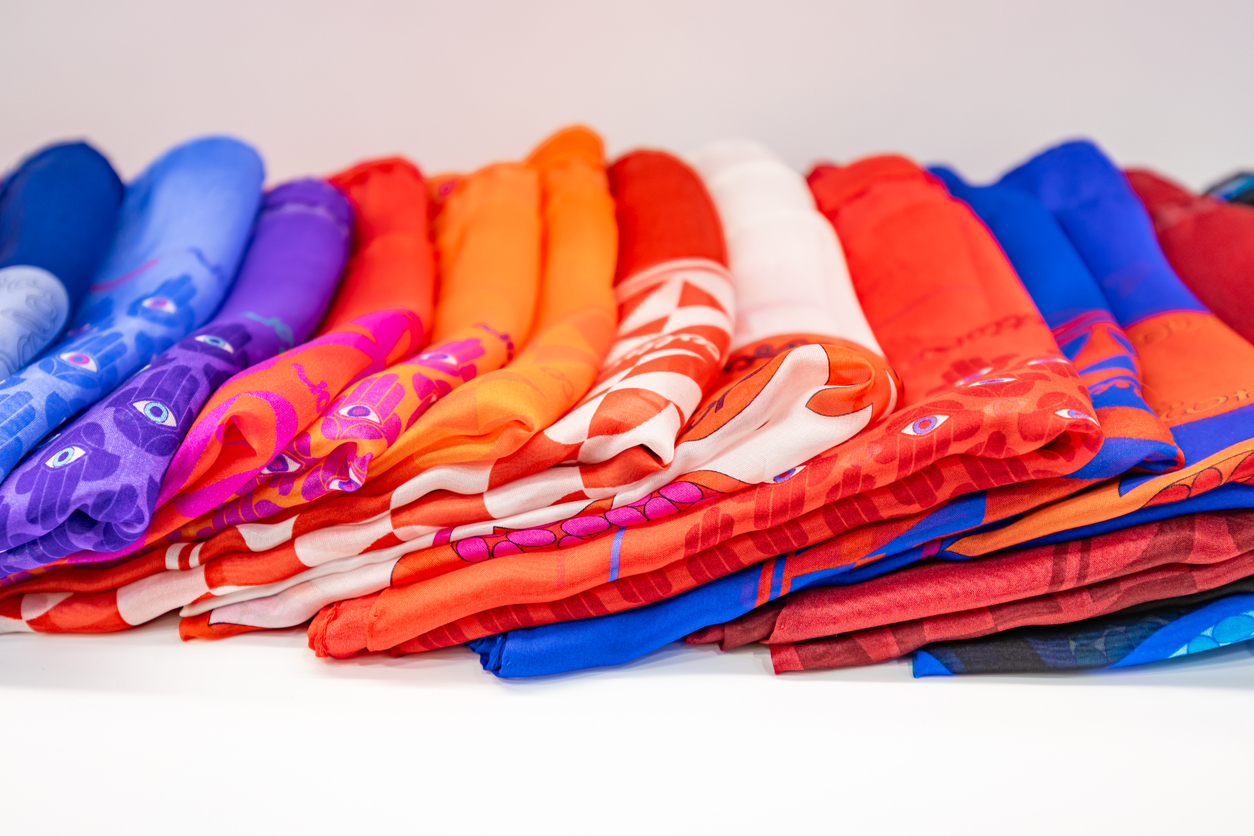
The best storage method for scarves depends on the fabric. Fold sturdy pieces loosely, roll lightweight styles when suitable, use acid-free tissue for delicate designs, and give embellished scarves enough room to sit without pressure.
There is no need to make your storage as compact as possible. A little extra space can protect your scarves from deep creases and make it easier to reach for a favorite piece when you are ready to wear it.
The simplest approach is often the most effective: smooth the scarf before putting it away, avoid unnecessary pressure, and give delicate fabrics the room they need. With a little organization, your scarves can remain neat, accessible, and ready to complete an outfit without requiring a last-minute session with the steamer.
Featured image: Andrey Zhuravlev/iStock
Does Corduroy Shrink? What to Know Before Washing and Drying It