


When under-eye darkness shows through your makeup, another layer of concealer can seem like the obvious fix. But extra coverage can settle into fine lines, especially when you’re trying to disguise blue, purple, or brownish undertones. Color correcting takes a more targeted approach: neutralize the visible discoloration first, then use only as much concealer as necessary. The technique works across light, medium, and deep skin tones, with thoughtful shade selection and precise placement making all the difference.
The challenge is knowing when more coverage is helping and when it’s simply adding texture. This is particularly important on mature skin, where dryness and fine lines can make heavily layered makeup more noticeable. Understanding the difference between concealer and color corrector is the first step toward achieving a smoother, more natural-looking finish without relying on excess product.
Why Piling on Concealer Can Backfire on Mature Skin
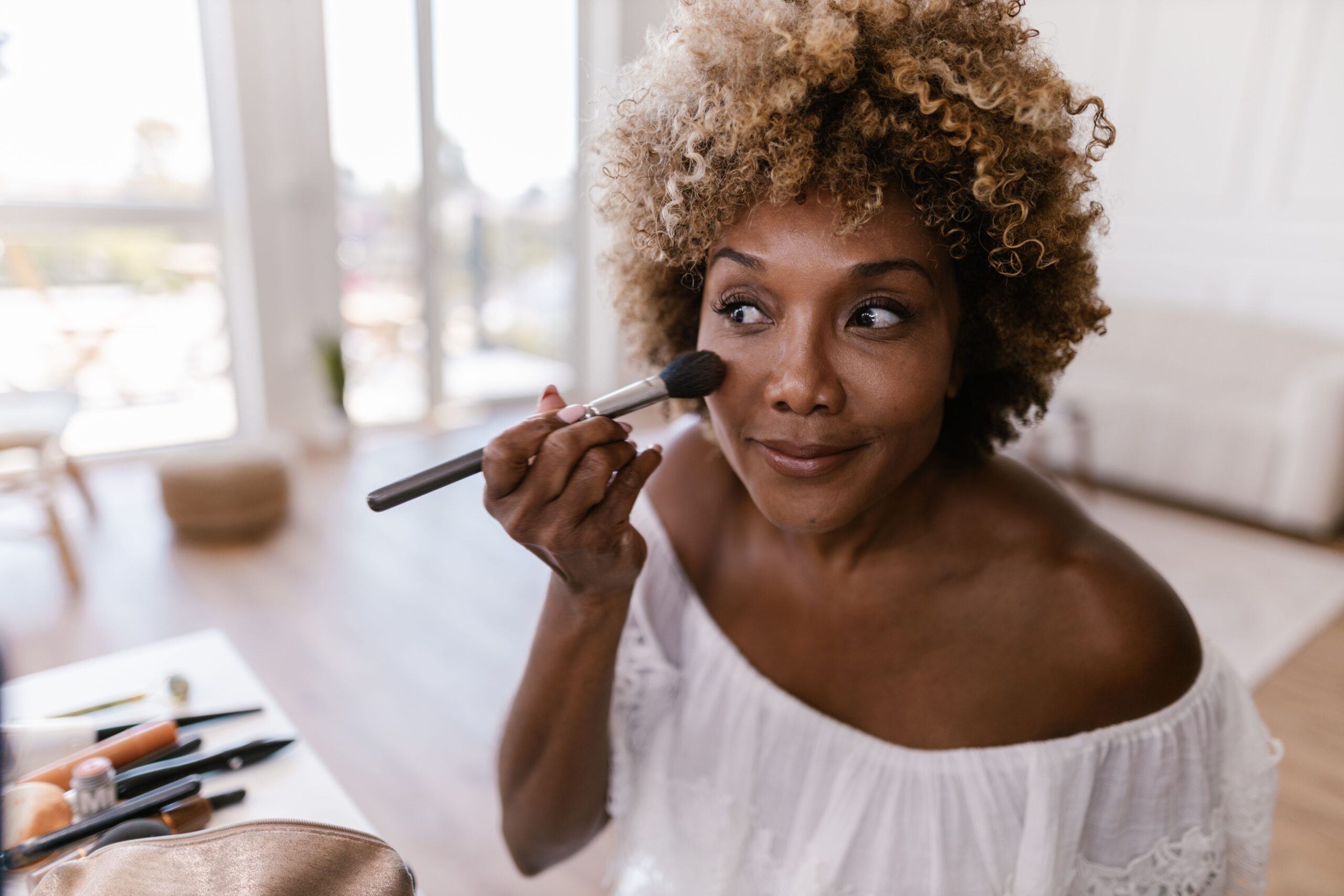
Concealer provides coverage in a skin-toned finish, while a color corrector uses contrasting hues to neutralize discoloration underneath. When blue or purple shadows remain visible through concealer, adding more product can create a heavier appearance without adequately addressing the underlying gray cast. As we get older, under-eye darkness, redness, and uneven pigmentation can become more noticeable. Skin also tends to get drier, making additional coverage tempting. However, thick layers can settle into fine lines and look cakey as the face moves throughout the day.
The goal isn’t to erase every trace of color. Apply a thin layer of corrector to the darkest area, then assess how much concealer is still needed. Often, that means addressing only the inner corner or a small shadow rather than covering the entire under-eye area. Fewer layers allow more natural skin to show through and make makeup easier to wear comfortably throughout the day.
Color Theory Made Simple: Match the Corrector to What You See
Look at the discoloration in natural light, ideally without makeup. For blue or purple under-eye shadows, pink-bisque, peach, or apricot tones can help, depending on the formula and complexion. Lighter skin tones may need a subtle pink or peach, while medium complexions often suit richer peach or apricot shades. Deep skin tones may benefit from deeper apricot or orange hues. These are starting points rather than strict rules: consider both the color of the shadow and your complexion’s depth when choosing a corrector.
A product can belong to the right color family and still be too pale or overly vivid. Light peach, for instance, may appear ashy on deep skin, while a strong orange can show through concealer when the underlying discoloration is mild. Test a small amount directly on the darkest spot. The aim is to soften the cool or gray cast; the area doesn’t have to match your complexion until you apply skin-toned coverage.
Green works differently. It can visually neutralize small patches of redness around the nose, cheeks, or chin. Tap it onto the affected areas, using just enough to soften the red tones without leaving an obvious green patch. Different complexion concerns may call for different corrective shades, and areas that already look even don’t need any additional product.
A Gentle, Targeted Application Technique
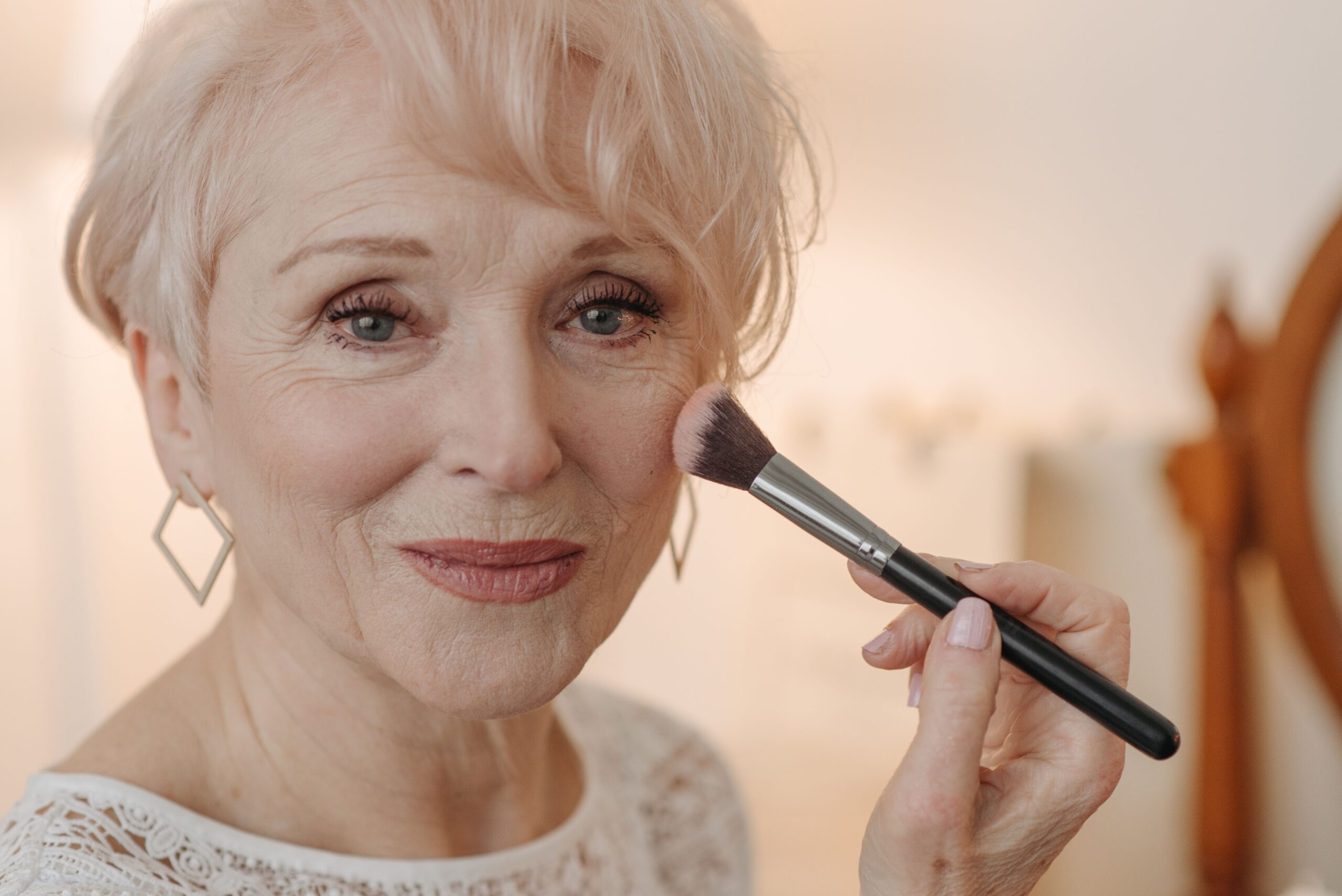
Apply your usual moisturizer and give it time to settle, leaving the skin comfortable but not slippery. Look straight into a mirror and identify where the shadows are most pronounced. For many people, this is near the inner corner rather than across a full semicircle beneath the eye. Begin with a tiny amount of corrector in that area. It’s easier to build coverage gradually than to remove a thick layer that has spread too far.
Keep the product away from the lower lash line unless the discoloration extends that high. Using a fingertip, small brush, or sponge, gently press the corrector into place rather than sweeping it back and forth. Blend around the edges without carrying the color across the entire under-eye. Pause to assess whether the shadows have softened before reaching for concealer.
Next, press a thin layer of concealer over the corrected area. A shade close to your natural skin tone generally creates the most seamless finish. A slightly lighter option can add brightness, provided it doesn’t leave the area looking gray or ashy. As with strategic concealer placement, begin with a small amount and blend outward sparingly.
Foundation can be applied before or after targeted correction, depending on the formula and the finish you prefer. Either way, keep the corrector underneath any concealer used on the same spot, and avoid dragging subsequent layers across the area.
Check your makeup in daylight before adding anything else. Tiny variations that appear pronounced in a magnifying mirror may be virtually invisible at a normal viewing distance. If traces of orange or pink remain visible, the corrector may be too strong or applied too widely. If the shadows look softer and your complexion still appears natural, there’s no need for another layer.
Corrector Options Across Skin Tones
The most useful way to compare products is to consider the colors you need, the texture you prefer, and how easily you can apply a small amount. Nikol Beauty creates makeup for mature skin and was founded by Nikol Johnson, a licensed esthetician and former Ford model. Its color correctors for mature skin come in the Color Corrector Collection, which includes Just Peachy, No Redness, and Simply Apricot, offering options for different facial color concerns. This makes it possible to address under-eye shadows and visible redness separately rather than treating uneven complexion as one uniform problem.
Bobbi Brown Color Corrector uses pink-toned Bisque shades for blue or purple discoloration and peach-toned Peach shades for green or brown discoloration. Both shade families are available in different depths to accommodate a range of complexions.
Fenty Beauty Match Stix Correcting Skinstick is a long-wearing, lightweight color-correcting stick designed for the face and under-eyes. Its Peach shade targets dark circles and spots on medium to medium-deep skin, while Pumpkin is intended for medium-deep to deep complexions. NYX also offers color-correcting concealers, including green options designed to counter redness.
Whatever the brand, test your chosen shade beneath your usual concealer to see how the products work together. Don’t choose a corrector based on its name alone. Compare the shade with the discoloration you’re trying to neutralize, then check how naturally it blends with your complexion. A product may look surprisingly warm in its packaging yet work beautifully beneath concealer. If possible, test both products together in daylight before committing to a full application.
Common Color-Correcting Mistakes to Avoid
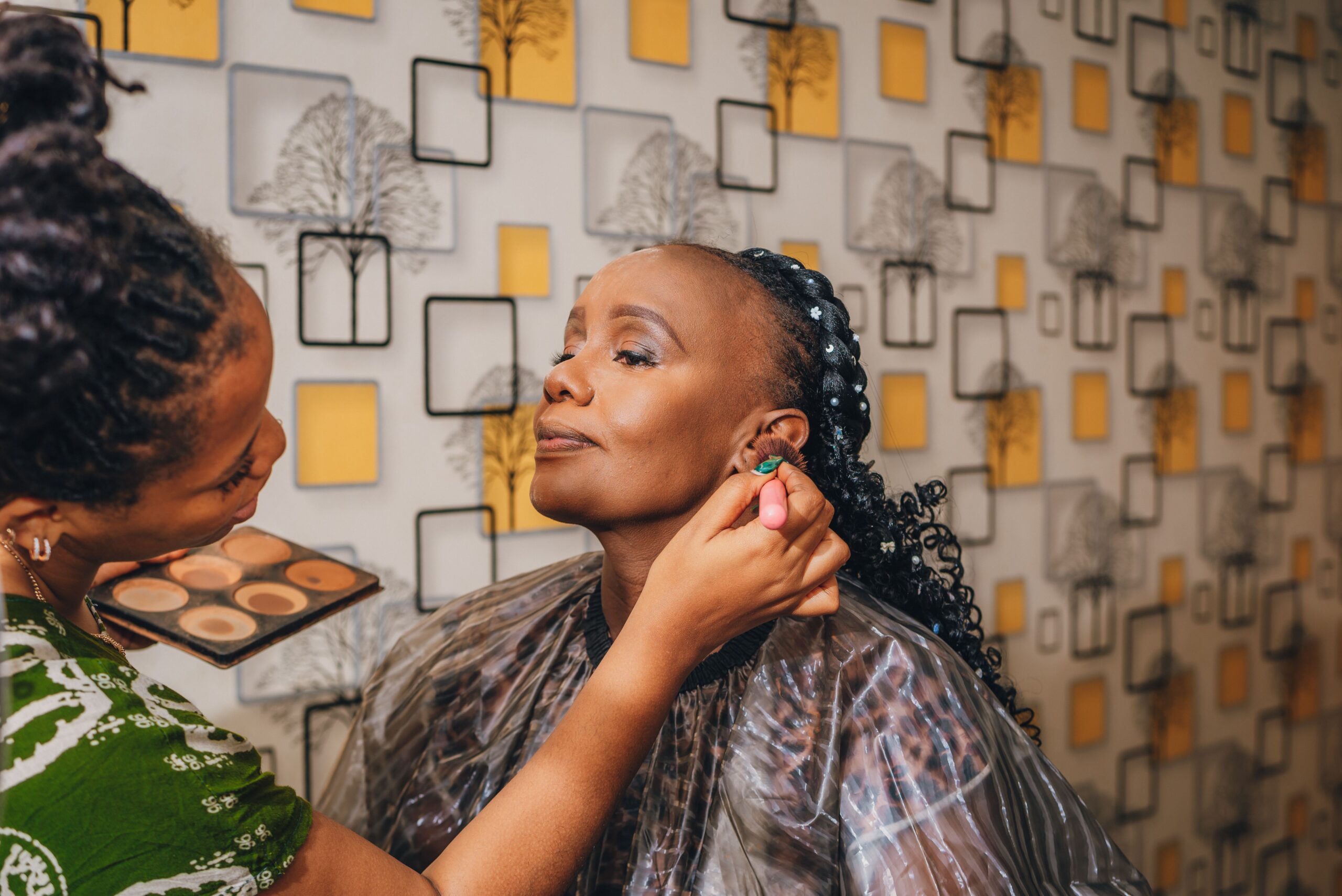
Correcting the entire under-eye area is often unnecessary. When the shadows are concentrated near the inner corner, a wide sweep of peach or orange adds product to otherwise even skin. Begin with the darkest patch and expand the application only if needed. Similarly, reserve green corrector for areas of visible redness rather than blending it across the entire face.
Choosing a shade based on skin depth alone can also be misleading. Two people with similar complexions may have very different-looking under-eye shadows and require different corrective hues. Shades that are too pale can appear ashy, while overly saturated colors may remain visible beneath concealer. Test a thin layer and adjust the shade before attempting to compensate with additional coverage. Use gentle pressing motions when blending to avoid shifting the corrector away from the area where it’s needed.
Concealer that is significantly lighter than your natural complexion can make the under-eye look like a separate, pale patch. Brightness is useful only when it blends harmoniously with the surrounding cheek. If the result looks stark, try a closer skin-tone match or reduce the amount of product instead of adding another layer.
Color-Correcting Questions, Answered
#1. What color corrector cancels dark circles on dark skin?
A richer apricot or orange-toned corrector is often a good starting point for blue or purple under-eye shadows on deep skin. Very light peach shades may appear ashy, while overly bright orange can show through concealer. Dab a small amount onto the darkest area and check whether the cool cast has softened. Follow with a thin layer of concealer close to your natural skin tone, adjusting the corrector if the result still appears gray or orange.
#2. Should I use corrector before or after foundation?
Corrector should sit beneath any concealer covering the same area, but its position relative to foundation can vary. Applying it first allows foundation to soften the corrected area, while applying foundation beforehand helps you determine whether additional correction is necessary. Use a light touch when layering so the next product doesn’t disturb the corrector, and stop once the complexion looks even.
#3. Can I wear color corrector without concealer?
Yes, provided a very small amount blends naturally into your skin. However, correctors are formulated to neutralize specific colors rather than necessarily match your complexion. Peach, orange, and green shades may therefore remain visible when worn alone. Check the result in daylight and at a normal conversational distance. If the corrective tint stands out, lightly apply skin-toned concealer or foundation over it.
#4. What color corrector helps with facial redness?
A green corrector can visually neutralize redness around the nose, cheeks, or chin. Tap a small amount onto the affected area, soften the edges, and apply foundation or concealer only where necessary. Use less product where the redness is faint, and skip unaffected skin altogether. The objective is a more even-looking complexion, not a visible green layer beneath your makeup.
A Lighter-Handed Finish
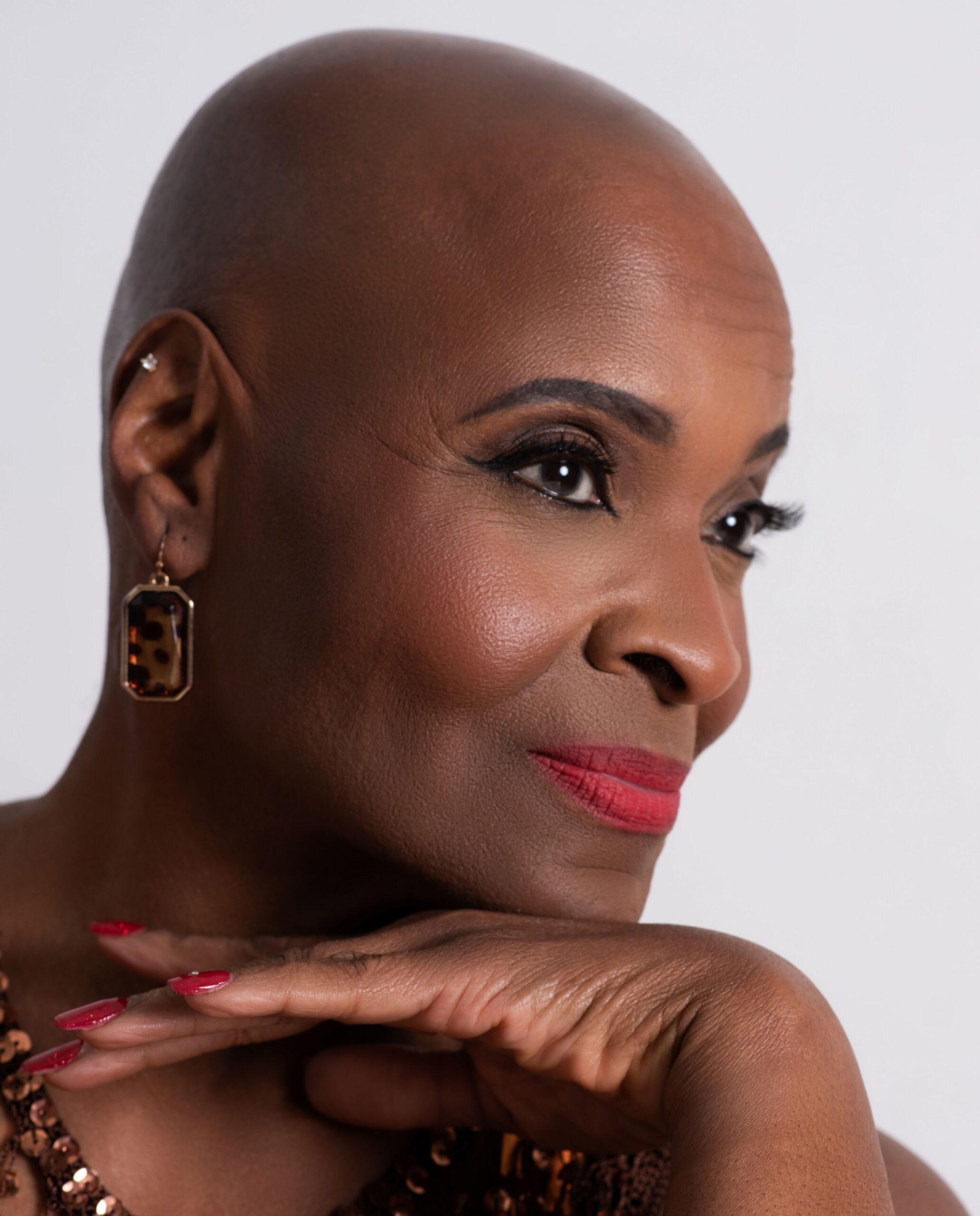
Effective color correcting should be difficult to spot. Choose a shade that addresses the discoloration you see, apply it only where needed, and let the result determine how much concealer to use. When your makeup looks comfortable and natural in daylight, there’s no reason to keep adding coverage. On mature skin, thoughtful placement and a lighter touch can accomplish far more than another coat of concealer.
Featured image: Jacob Wackerhausen/iStock
—Read also


