

Few dress codes cause as much confusion as black tie. It sounds strict, yet interpretations range from a classic tuxedo with a silk bow tie to a velvet blazer with a turtleneck. Invitations increasingly add variations such as “black tie optional” or “creative black tie,” which only adds to the uncertainty. Much of the confusion comes from myths that have been repeated so often they start to sound like rules. But what is actually true?
The good news is that black tie is less mysterious once you understand which details are traditional, which are modern alternatives, and which simply do not belong. From the tuxedo itself to the bow tie, shoes, accessories, and even the groom’s outfit, knowing where the boundaries are makes it much easier to dress with confidence. Start with the most common misconception: that any dark suit is close enough.
Myth 1: Black Tie Means Any Dark Suit Will Do

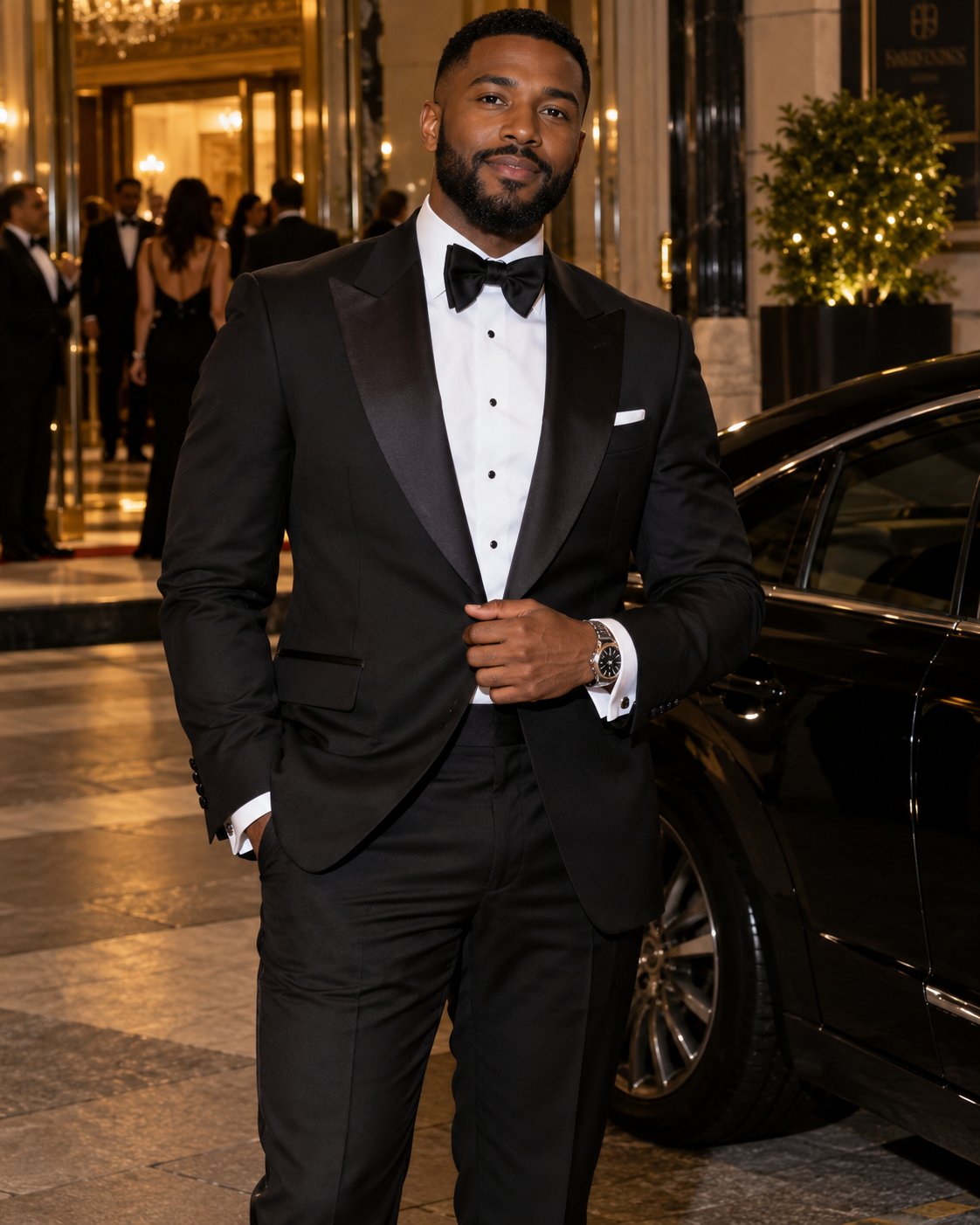
A dark suit and a tuxedo aren’t the same. A tuxedo, or dinner suit, has distinct features: lapels faced in satin or grosgrain, matching braid along the outer seam of the trousers, and covered buttons. The shirt typically has a pleated or piqué front and is worn with a bow tie. A charcoal or navy business suit, however elegant, reads as a different category.
That said, “black tie optional” does allow a dark suit with a formal tie. Read the invitation carefully, and when in doubt, choose the more formal option. It is always easier to remove a formal element than to realize you have underdressed once you arrive.
Myth 2: The Tuxedo Must Be Black
Midnight blue has been a respected alternative for nearly a century. Under warm evening lighting, very dark navy can look deeper and richer than black, which is why many style historians consider it just as correct. In warm climates and at summer events, an ivory or white dinner jacket with black trousers is another established option.
Where Color Fits In
Velvet dinner jackets in burgundy, bottle green, or deep blue have become popular at creative black tie events and holiday parties. They work best when the rest of the outfit stays classic: black trousers, a white formal shirt, and a black bow tie.
The idea is to let the jacket provide the personality while keeping the traditional elements elsewhere in the outfit. A colorful dinner jacket can look intentional and sophisticated; too many departures at once can quickly make the outfit look off.
Myth 3: Renting Is Always the Smart Choice
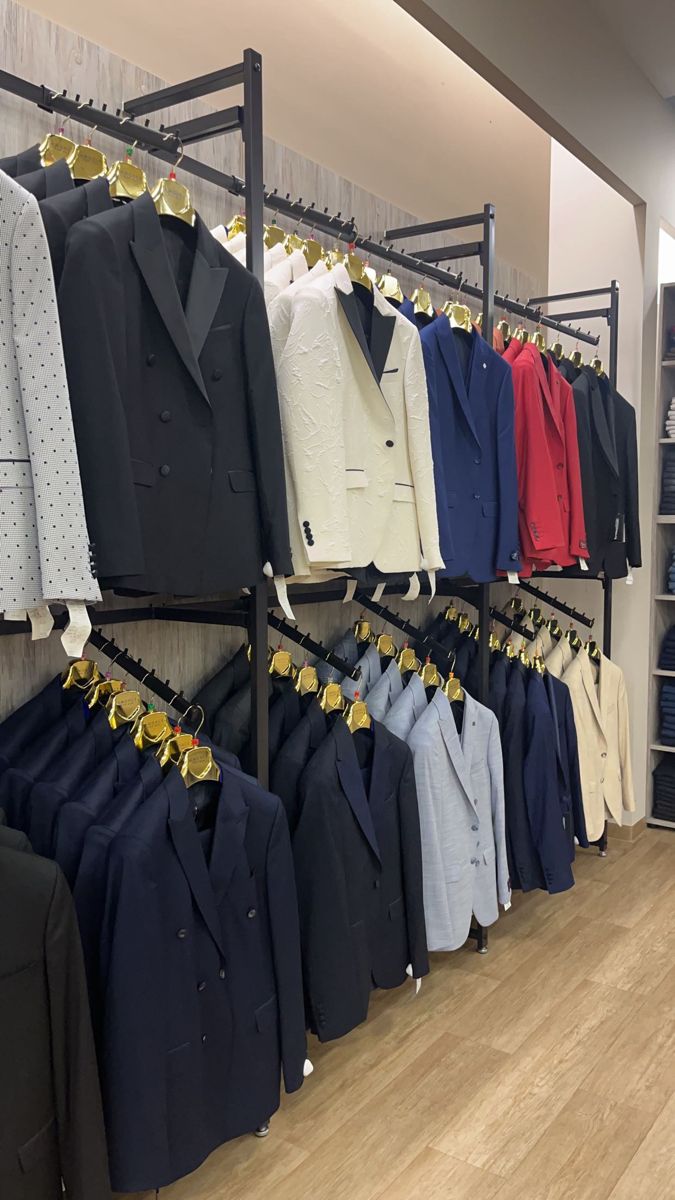
Renting makes sense for a single event, but it has drawbacks. Rental tuxedos are often cut generously to fit many body types, alterations are limited, and popular sizes can run out during wedding and gala season.
If you attend two or more formal events a year, buying often works out better over time. You get a tuxedo tailored to your measurements, ready whenever the next invitation arrives. Rather than scrambling each season, use a search for “tuxedo near me” to find a store where you can try different cuts, compare fabrics, and have the jacket altered properly.
There is also something to be said for familiarity. Once you own a tuxedo that fits properly, you know exactly how the jacket sits, which shirt works with it, and which shoes and accessories complete the look. The next formal invitation becomes a matter of getting dressed rather than starting from scratch.
Myth 4: The Groom Always Wears a Tuxedo at a Black Tie Wedding
At a formal evening wedding, a tuxedo is the traditional choice for the groom. Still, many couples now prefer a look that stands apart from the guests. Some grooms choose a midnight blue or ivory dinner jacket, while others opt for refined groom suits in a rich fabric, particularly when the ceremony takes place earlier in the day, and the black tie code applies mainly to the evening reception.
The key is to discuss it as a couple and make sure the groom’s outfit sits at least at the formality level of the guests. The groom should look distinctive without appearing to have wandered into an entirely different dress code.
The wedding’s setting, time of day, season, and overall aesthetic can also guide the choice. A classic black tuxedo may be exactly right for a formal evening ballroom wedding, while a midnight blue or ivory dinner jacket can make more sense for a contemporary celebration with a less traditional atmosphere.
Myth 5: A Clip-On Bow Tie Is Just as Good
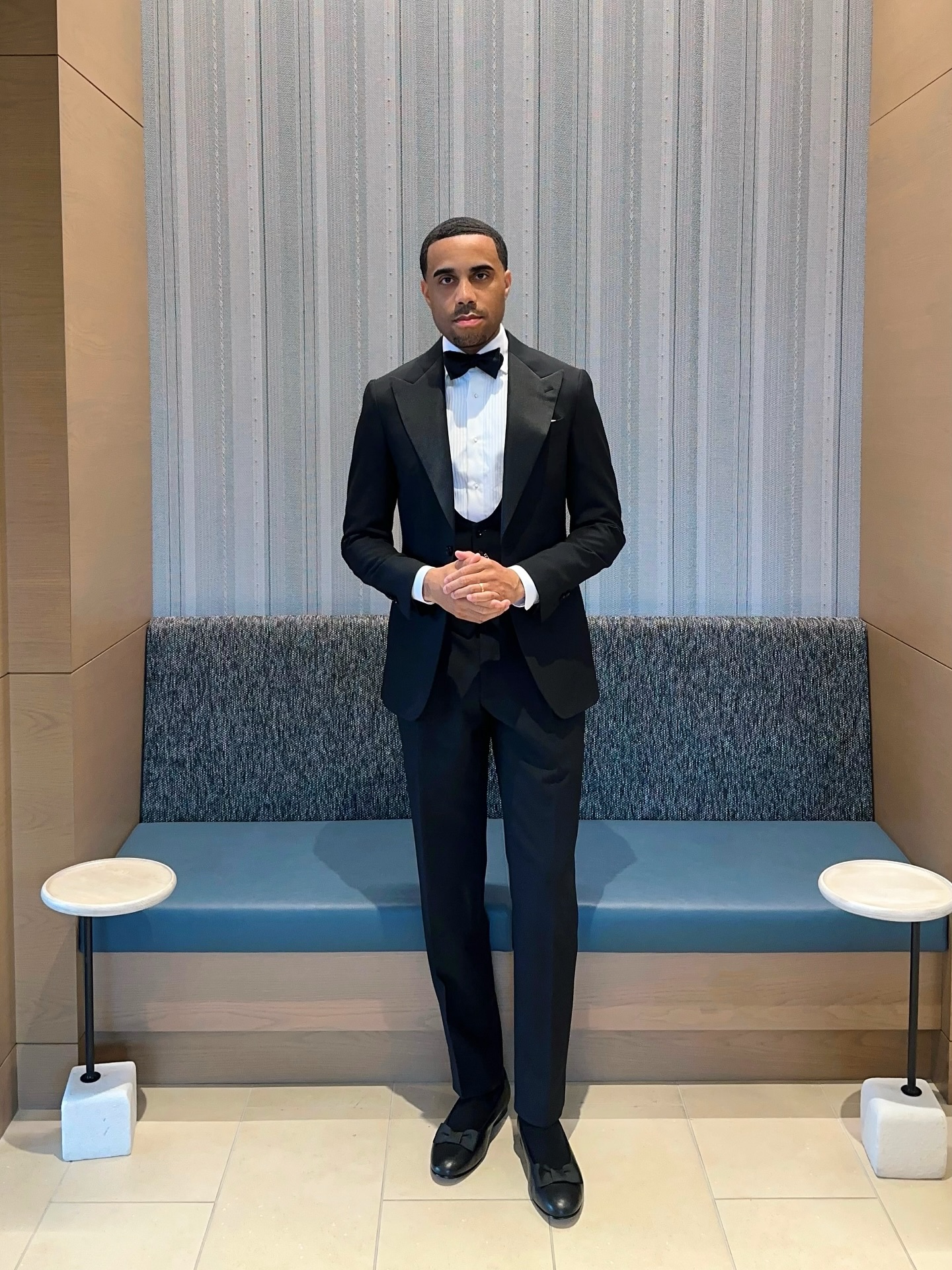
A pre-tied bow tie looks perfectly symmetrical, and that is exactly what gives it away. A self-tied bow tie has a slight irregularity that looks natural and relaxed, especially as the evening progresses.
Tying one takes a few minutes of practice, and it is a skill that pays off at every formal event afterward. It also adds a small but meaningful distinction to an outfit where there are otherwise relatively few opportunities to show personality.
If you are wearing black tie regularly, learning to tie your own bow tie is one of those small details worth mastering.
Myth 6: Accessories Do Not Matter
Black tie leaves little room for self-expression, so small details carry weight. Patent leather or highly polished black oxfords are standard. Cufflinks and shirt studs should be understated, in black onyx, mother-of-pearl, or simple metal. A white silk or linen pocket square adds polish.
Skip the belt. Tuxedo trousers are traditionally worn with braces or side adjusters, which keep the waistline clean. A belt can interrupt the streamlined appearance that makes formal eveningwear work so well.
The same principle applies to watches, jewelry, and other extras. Black tie is not the moment to pile on accessories simply because the rest of the outfit is restrained. Choose a few well-considered details and let the quality of the materials do the talking.
The Takeaway: Dress the Part
Read the exact wording of the invitation and choose your outfit according to the level it asks for. Invest in a well-fitting tuxedo if formal events are part of your yearly calendar, and consider midnight blue for its depth under evening light.
For weddings, align the groom’s look with the couple’s vision while keeping it at or above the guests’ formality. Learn to tie your own bow tie, and keep accessories simple and refined.
Getting these basics right lets you enjoy the evening instead of worrying about whether you got the dress code wrong. Black tie may have plenty of rules, but once you understand the fundamentals, dressing for it becomes considerably more straightforward.
Featured image: Style Rave Studio/AI-generated Visual
—Read also