


Artificial intelligence is everywhere these days, streamlining banking, restoring old films, generating art, and even penning novels. Now, however, it’s creeping into one of the most personal corners of our lives: our closets. Picture this—sipping coffee in bed while your phone curates an outfit for the day, or scrambling for a last-minute night-out look only to have an app deliver options in seconds. That’s the allure of AI styling apps.
AI styling apps are fast, available around the clock, and growing impressively sharp at suggesting looks tailored not just to your wardrobe, but to your body and mood. Yet, as convenient as they seem, a question lingers: can they ever replace the intuition, nuance, and personal touch of a trusted human stylist?
Here’s What You Need to Know About the AI Styling Apps vs. Personal Shoppers Debate…
Convenience vs. Personal Touch
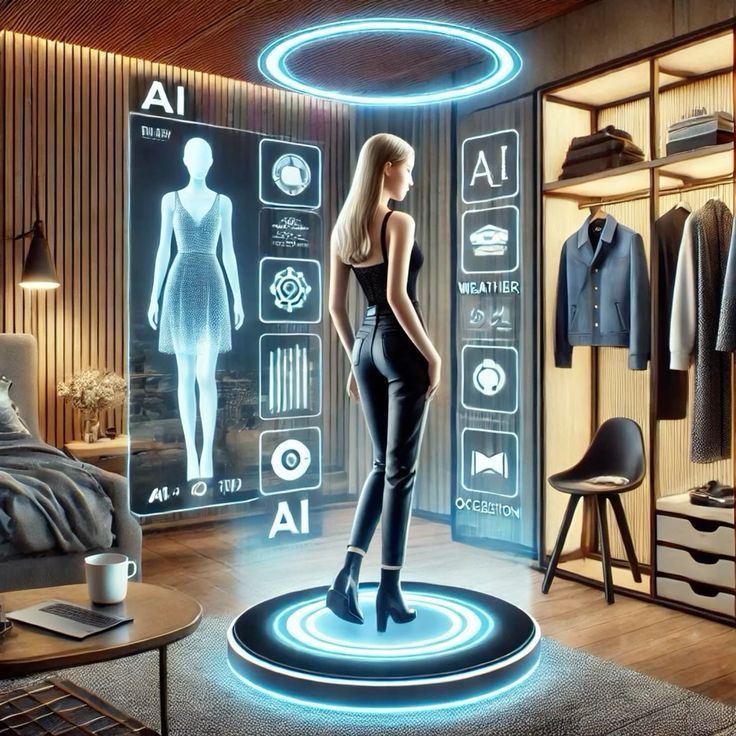
AI styling apps are the friend who never sleeps—always on, always ready. Whether it’s midnight inspiration or a few spare minutes between meetings, they can serve up outfit combinations you may never have considered. For anyone who loves to experiment at odd hours, that kind of convenience feels like gold.
Yet, a human stylist brings an entirely different energy to the table. Personal shoppers can read your body language, catch the subtle cues, and pivot in real time. They know that a dress might look flawless in theory, but feel completely wrong the moment you slip it on. Where AI leans on patterns and data, human instinct shines in the moments without a blueprint. For instance, the moments when you’re ready to reinvent your style, embrace a new era of your identity, or step boldly outside your comfort zone.
Cost and Accessibility
When it comes to affordability, AI styling apps take the crown. A subscription often costs less than a weekly coffee run, while a single session with an experienced personal shopper can easily climb into the hundreds. And as the technology continues to improve, the value for money is only set to rise.
Still, the choice ultimately depends on what you value most. If styling feels like an indulgence reserved for milestone moments, investing in a professional might feel entirely worth it. On the other hand, if you enjoy experimenting with new looks on a regular basis, an app offers an accessible and low-commitment way to play. Increasingly, many style-savvy individuals are finding balance in both. They are turning to AI for everyday inspiration and saving a stylist’s expertise for those high-stakes, make-or-break occasions.
Lifestyle and Emotional Value
Fashion has never been only about utility; it’s about emotion. The right outfit doesn’t just cover the body—it changes how you carry yourself. That’s where a personal shopper shines. They’re more than curators of clothing; they double as confidence coaches, nudging you to try bolder looks or celebrating your wins when you finally land that perfect blazer.
AI, on the other hand, can certainly suggest outfits. What it can’t do, at least not yet, is hype you up before a big meeting or reassure you that the sequined dress is, in fact, “so you.”
That said, the gap is narrowing. Some apps now experiment with mood-based styling, asking how you feel—playful, powerful, low-key—and serving up looks to match. It’s not the same as a stylist’s pep talk or a friend’s knowing nod, but it does hint at how far the technology is reaching to capture the emotional heart of fashion.
Data, Privacy, and Trust
Here’s where things get complicated. To deliver personalized suggestions, AI styling apps need access to your details—measurements, preferences, and often photos. Some go even further, scanning past purchases or dipping into online storage. While this data creates sharper, more tailored results, it also raises pressing questions about privacy. After all, your information isn’t just valuable to the app; it’s equally attractive to brands eager to sell to you.
That’s why caution matters. Stick with platforms that have proven reputations and transparent privacy policies. Share only what you’re truly comfortable with, and avoid linking accounts that hold sensitive information. Convenience may be tempting, but when it comes to personal data, it pays to think twice.
The Evolution of AI in Fashion
AI isn’t new to fashion—it has been quietly shaping both the runway and retail for years. Brands lean on it to forecast trends, analyzing everything from search data to social media chatter and street-style photos. Some retailers even use algorithms to predict which pieces will sell out before they ever reach the racks.
Now, that same predictive power is trickling down to everyday users through styling apps. It’s no longer just about suggestions tailored to your body type; it’s about receiving outfit ideas sparked by what’s trending in Paris, Lagos, or New York this week.
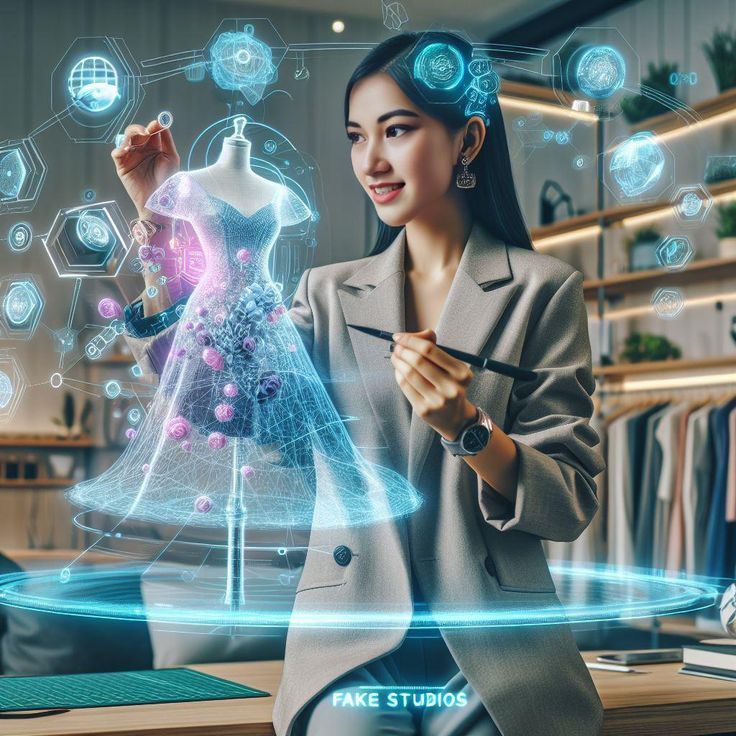
At the luxury level, the technology is evolving even further. High-end houses are experimenting with digital stylists as part of the shopping journey. Imagine stepping into a boutique and an AI-powered screen instantly curates looks based on both what you’re wearing and what’s trending in your city. The once-clear line between online convenience and in-person luxury is starting to blur, creating a future where technology doesn’t just influence fashion—it becomes part of its theater.
The Future of AI and Human Collaboration in Styling
Rather than framing AI and personal shoppers as rivals, the future may be about collaboration. Picture this: you use an app to map out your baseline wardrobe—your go-to cuts, colors, and favorite brands—before ever meeting a stylist. With the groundwork already laid, the stylist can skip the basics and dive straight into the fun part: refining your look, sourcing statement pieces, or curating outfits for big occasions. In this model, technology acts as the assistant, freeing humans to focus on what only they can deliver—instinct, nuance, and creativity.
Meanwhile, styling apps themselves are becoming more immersive. AR mirrors are already popping up in select stores, and the next leap is AI-powered virtual fitting rooms. Imagine trying on a dozen outfits without ever changing your clothes, then layering in a stylist’s personalized input. The result? A shopping experience that feels seamless, playful, and hyper-tailored.
In short, AI isn’t here to replace human stylists. Instead, it has the potential to elevate the entire industry, making everyday styling more accessible, while empowering professionals to deliver an even higher level of personal care. For style lovers, that balance between digital ease and human artistry could unlock the best of both worlds.
Making the Right Choice for You
At the end of the day, the choice comes down to personal preference. Test both, and see what resonates. You may find joy in the instant feedback loop of an app, or you might discover that nothing rivals the thrill of a stylist pulling a piece you’d never consider—only for it to become your new favorite.
AI is constantly improving, no doubt. But fashion has always been about more than algorithms; it’s about expression, instinct, and emotion. Technology can support that journey, but it can never fully replace the human spark that makes style feel alive.
Featured Image: Visual Generation/iStock
For the latest in fashion, lifestyle, and culture, follow us on Instagram @StyleRave_
—Read also